A Guide to the World’s Most Scenic Coastal Drives in 2026
1 May 2026
Let's be honest for a second. When was the last time you actually enjoyed the drive? Not the destination, not the parking lot, but the road itself. Most of us spend our commutes staring at brake lights or dodging potholes. But there is a different kind of road out there. A road that hugs the cliffs, dances with the tide, and makes you forget about the gas pedal because you are too busy staring at the horizon.
I am talking about coastal drives. The kind of route where the ocean is your co-pilot and every curve feels like a postcard you are living inside. As we roll into 2026, the world is still wide open, and the asphalt is waiting. Whether you are planning a solo escape, a road trip with friends, or just trying to find a reason to rent a convertible, these scenic coastal drives are the ones you need to pin on your map.
This is not a list of boring, overcrowded highways. This is a collection of living, breathing roads that will change how you think about travel. So, buckle up. We are going for a ride.
Why 2026 Is The Perfect Year For A Coastal Road Trip
You might be thinking, "Why 2026? What is so special about this year?" Well, for one, the world has been through a lot of turbulence in the last few years. People are craving real, unfiltered experiences. They want to feel the salt on their skin and hear the crash of waves without a screen in between. Coastal drives offer that escape in the purest form.Plus, a lot of these routes have seen upgrades. Better viewpoints, safer pull-offs, and more electric vehicle charging stations. The infrastructure is catching up to the dream. And let's not forget the simple fact that the planet is showing off right now. The weather patterns, the wildflowers, the clear waters-nature is putting on a show. You just need to show up and drive.
The Great Ocean Road, Australia: Where The Bass Strait Meets The Bush
If you have never driven the Great Ocean Road, you are missing out on a piece of living history. This is not just a road; it is a memorial. Built by returning World War I soldiers, it winds for 243 kilometers along the rugged Victorian coast. And in 2026, it is better than ever.Start in Torquay, the surfing capital of Australia. Grab a coffee, watch the locals ride the waves, and then head west. The road immediately starts to twist. You will pass through tiny towns like Lorne and Apollo Bay, where the rainforest literally spills onto the beach. Do not rush. Pull over at every lookout. The Southern Ocean is a beast down here. It is dark blue, powerful, and unpredictable.
The highlight, of course, is the Twelve Apostles. These limestone stacks rise out of the ocean like ancient sentinels. But here is the thing: they are eroding. One of them collapsed in 2005. So, seeing them in 2026 feels urgent. It is a reminder that nothing is permanent, not even the rocks. The best time to see them is at sunrise. The light is golden, the crowds are thin, and the kangaroos are still hopping around the nearby fields. It almost feels like a secret.
Keep driving to the Bay of Islands and the Grotto. These are less crowded, and the rock formations are just as stunning. The whole drive feels like a conversation between the eucalyptus trees and the salt spray. It smells like Australia. It tastes like freedom.
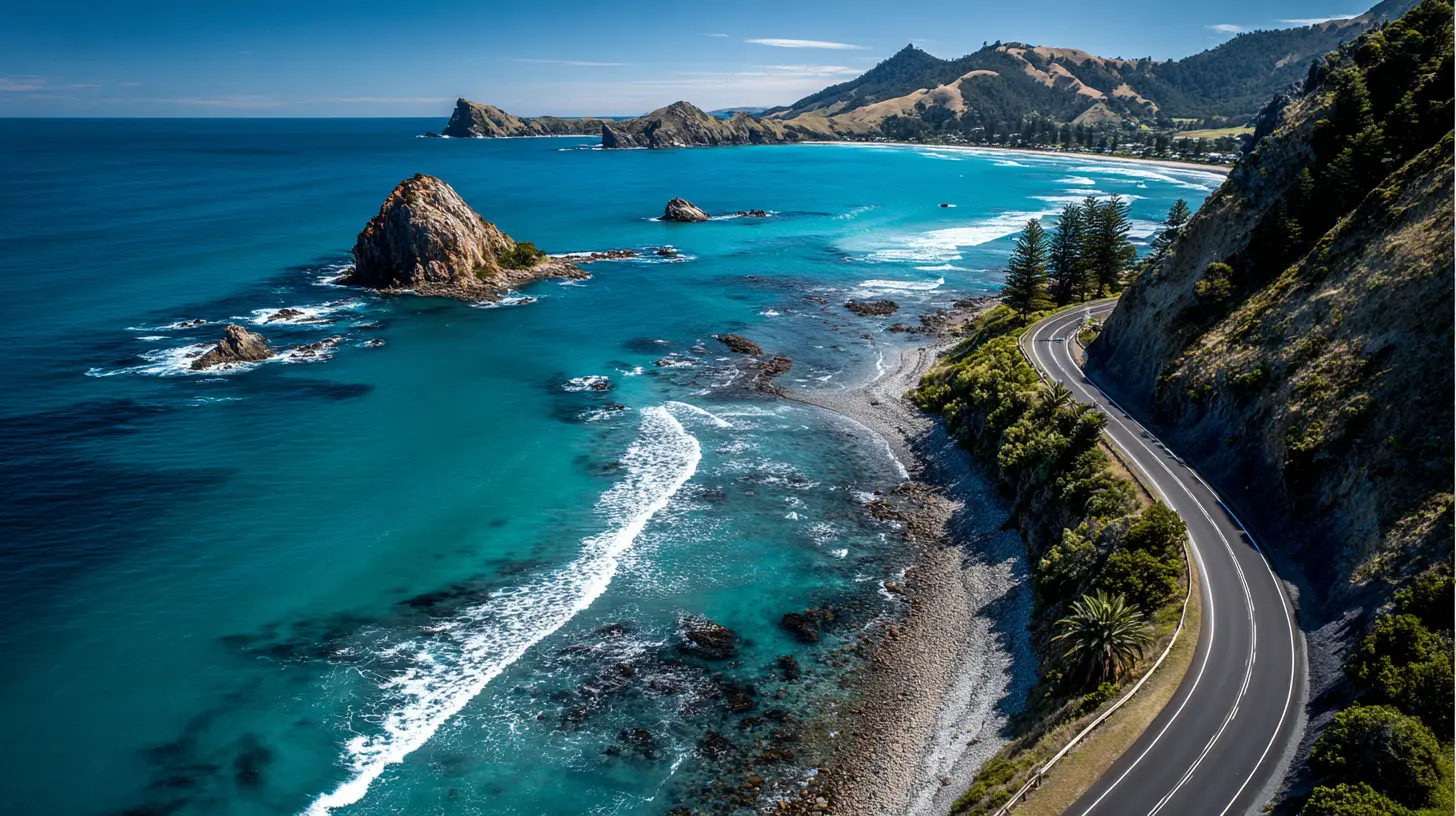
Amalfi Coast Drive, Italy: The Poetry of Hairpin Turns
Now, let's talk about a drive that is equal parts terrifying and gorgeous. The Amalfi Coast road, officially known as SS163, is a ribbon of asphalt that clings to the cliffs like a climber who refuses to fall. It is narrow. It is windy. And the locals drive like they are in a Formula One race. But I promise you, it is worth every white-knuckled second.Starting in Sorrento, you will immediately hit the curves. The road drops down to Positano, a town that looks like it was built by stacking colorful boxes on a hillside. Do not try to park in the town center. It is a nightmare. Instead, find a spot on the outskirts and walk down. The stairs alone will give you a workout, but the view of the pastel houses cascading down to the turquoise water is like a hug for your soul.
As you continue to Amalfi and then to Ravello, the road gets even tighter. You will pass through lemon groves that smell like sunshine. You will see tiny churches perched on the edge of cliffs. And you will want to stop at every single turn to take a photo. Just be careful. The buses on this road are huge. They take up both lanes. You have to learn to breathe and trust the driver behind you.
The magic of the Amalfi Coast in 2026 is that the tourism is getting smarter. More electric shuttles, less traffic in peak hours, and better hiking trails that connect the towns. If you can, drive it in the late afternoon. The light turns the sea into liquid gold. It is the kind of beauty that makes you forget about the stress of the hairpin turns.
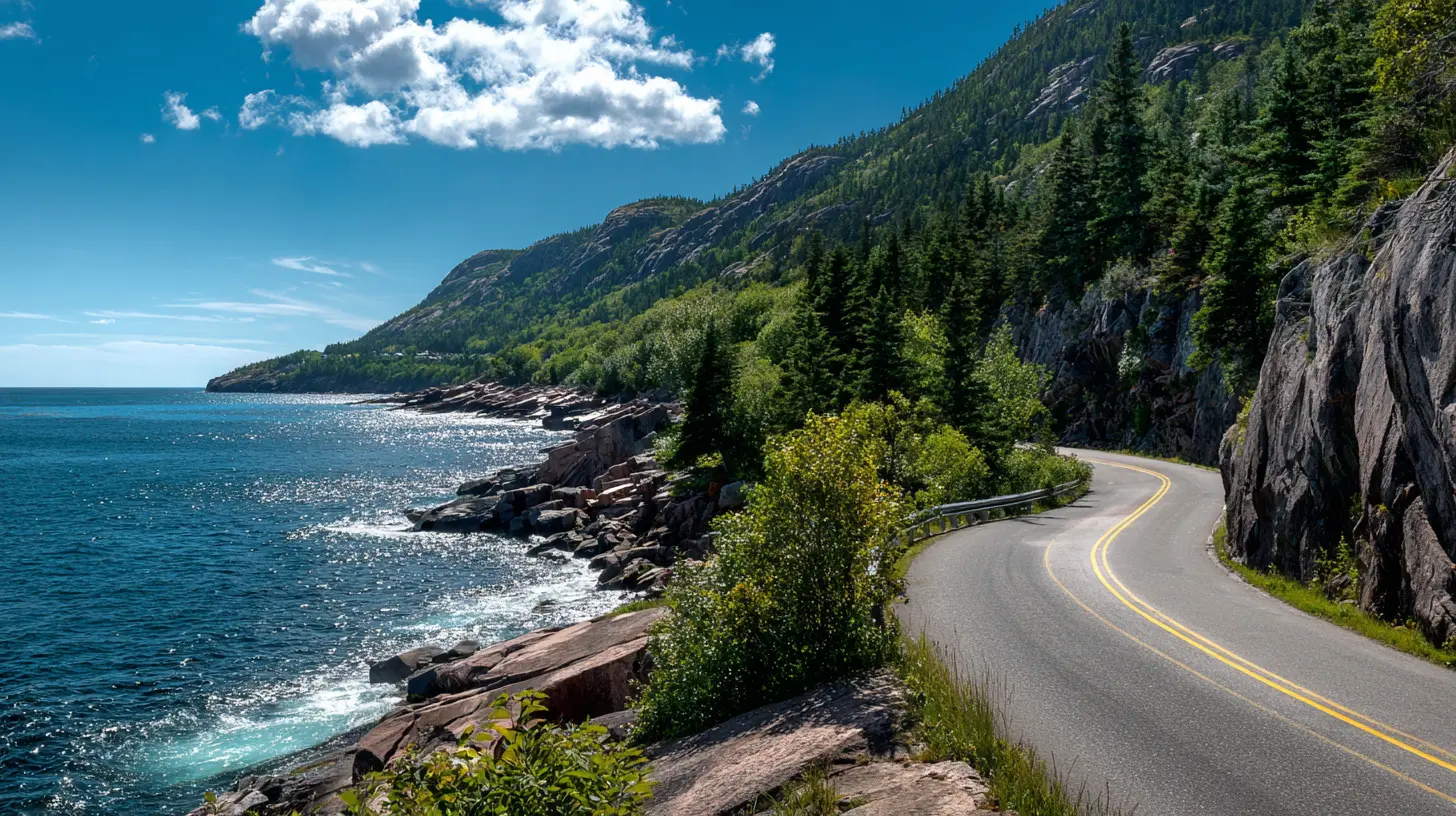
Pacific Coast Highway, USA: The Big Sur of Your Dreams
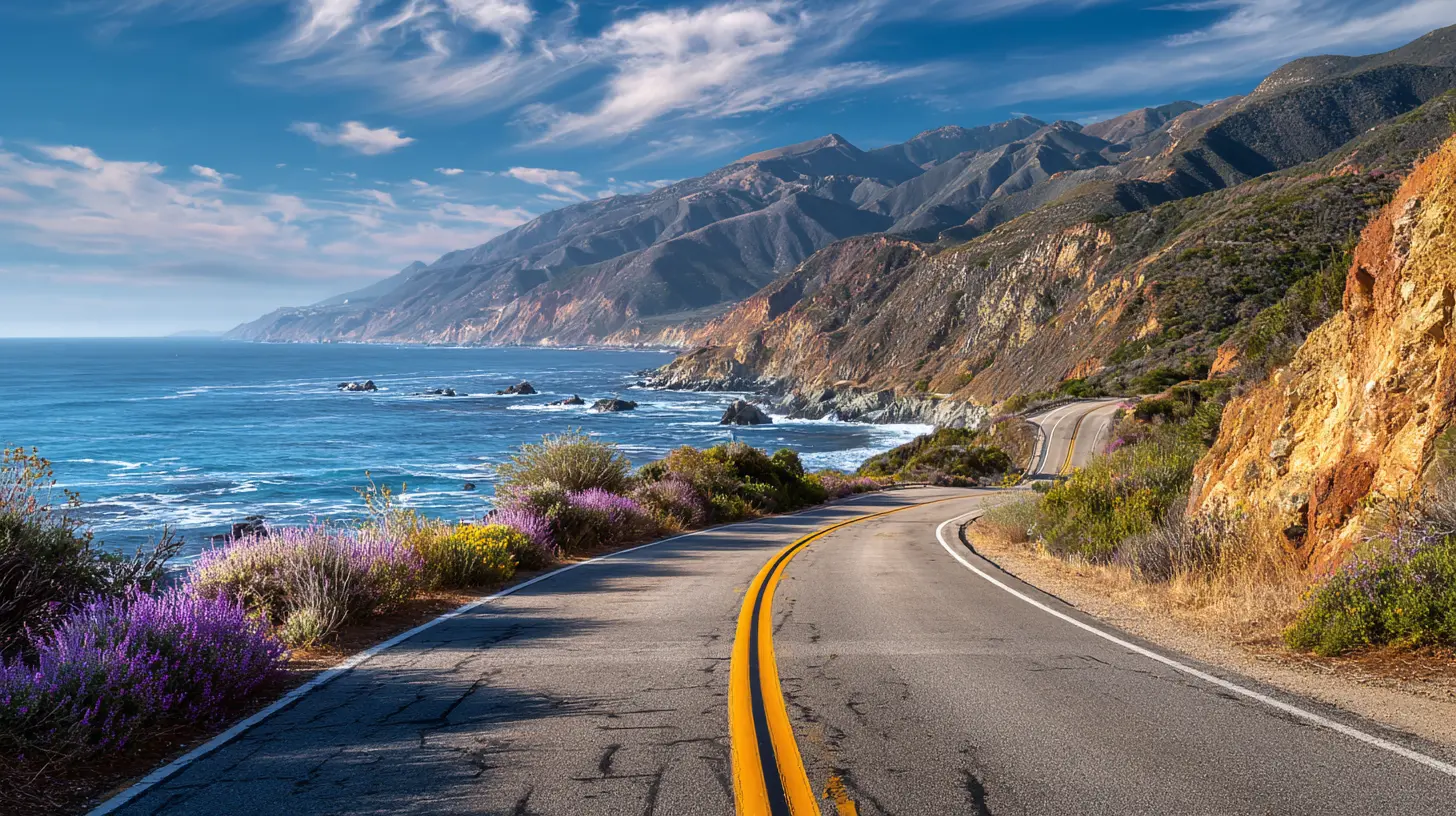
No list of coastal drives is complete without the Pacific Coast Highway, specifically the stretch through Big Sur in California. This is the rock star of road trips. It is the one you see in movies, the one that makes people move to California just for the commute.Start in Monterey and head south on Highway 1. The first thing you will notice is the fog. It rolls in from the Pacific like a blanket, sometimes hiding the cliffs completely. But do not worry. It usually burns off by mid-morning. When it does, you are greeted by the most dramatic coastline in the continental United States. The Santa Lucia Mountains rise straight out of the ocean. It is raw. It is wild. It feels like the edge of the world.
The Bixby Creek Bridge is the iconic photo spot. But honestly, the real magic is in the lesser-known pull-offs. Stop at Julia Pfeiffer Burns State Park. There is a waterfall that falls directly onto the beach. It is called McWay Falls, and it is a quick walk from the parking lot. The water is so clear you can see the sand ripples from the cliff above.
In 2026, the road is fully repaired after the landslides of recent years. It is smoother than ever. But the drive is still slow. That is the point. You cannot rush Big Sur. You have to let it seep into you. Roll down the windows, let the cold air hit your face, and listen to the sea lions barking below. It is a meditation in motion.
The Ring of Kerry, Ireland: Green, Wild, and Full of Sheep
If you want a coastal drive that feels like stepping into a myth, go to Ireland. The Ring of Kerry is a 179-kilometer loop that circles the Iveragh Peninsula in County Kerry. It is green. I mean, really green. Like someone turned the saturation up to max and left it there.The drive starts in Killarney. The town is cute, but do not linger too long. Get out on the N70. The road is narrow, lined with stone walls and hedgerows. You will share the road with tour buses, cyclists, and sheep. Lots of sheep. They have no sense of traffic. They will stand in the middle of the road and stare at you like you are the intruder. You are.
Stop at Ladies View. The name comes from Queen Victoria's ladies-in-waiting, who were apparently very impressed by the view of the lakes and mountains. You will be too. Then head to the Skellig Ring, a smaller loop that takes you to the coast. This is where "Star Wars" was filmed. The Skellig Islands rise out of the Atlantic like jagged teeth. You can take a boat out to them if the weather is calm, but the drive itself offers a stunning vantage point.
What makes the Ring of Kerry special in 2026 is the quiet. Sure, it gets busy in summer, but if you go in May or September, you will have stretches of road all to yourself. The pubs in the small villages like Waterville and Sneem are warm and welcoming. They serve fresh seafood and live music. It is the kind of place where you walk in as a stranger and leave as a friend.
The Garden Route, South Africa: A Safari By The Sea
Let's go to the Southern Hemisphere again. The Garden Route in South Africa is not just a drive; it is a journey through different ecosystems. It runs from Mossel Bay to Storms River, hugging the coast of the Western Cape. And in 2026, it is a must-do for anyone who loves adventure.The landscape changes constantly. You start with long, sandy beaches and calm lagoons. Then you hit the dense forests of Knysna. The trees are so tall they block out the sun. It feels prehistoric. Then you get to the cliffs and the rugged coastline of the Tsitsikamma National Park. It is like driving through a nature documentary.
Do not skip the detours. Go see the Knysna Heads, where the lagoon meets the ocean. It is a narrow channel, and the water churns like a washing machine. Then drive up to the Robberg Nature Reserve in Plettenberg Bay. The hike there is short, but the view of the seals basking on the rocks is unforgettable.
The best part of the Garden Route is the wildlife. You can see elephants, whales, and dolphins from the road. In 2026, the eco-tourism here is booming. There are more sustainable lodges, more electric vehicle rentals, and more local guides who know the secret spots. The road is safe, the people are friendly, and the food is incredible. Try the local biltong and a cold beer at a roadside stall. It is the taste of South Africa.
The Atlantic Road, Norway: Driving on the Edge of the World
If you want a drive that feels like a roller coaster, head to Norway. The Atlantic Road, or Atlanterhavsveien, is an 8-kilometer stretch of bridges and causeways that connect a series of small islands. It is short, but it is absolutely breathtaking.The road curves over the ocean, rising and falling with the waves. The bridges are designed to look like they are floating. When the weather is rough, the waves crash over the asphalt. It is dramatic. It is scary. It is beautiful. Drive it on a calm day, and you will see the water reflecting the sky like a mirror. Drive it in a storm, and you will feel like you are in a Viking saga.
In 2026, the road is more accessible than ever. There are new viewpoints and a visitor center that tells the story of how the road was built. But the real magic is in the small fishing villages nearby. Stop in Bud or Kristiansund. Eat fresh cod. Watch the fishing boats come in. The light in Norway lasts forever in summer. You can drive at 11 PM and still have golden hour.
This drive is proof that you do not need a long road to have a big experience. Eight kilometers can feel like a lifetime.
The North Coast 500, Scotland: The Ultimate Highland Adventure
Scotland's North Coast 500 is a 500-mile loop that starts and ends in Inverness. It is often called Scotland's Route 66, but that is a lazy comparison. This is not a desert highway. This is a rugged, windswept, dramatic route that takes you through the Scottish Highlands and along the wild northern coast.The road is narrow. It is single-track in many places, with passing places for oncoming traffic. You will drive past ancient castles, ruined crofts, and beaches that look like they belong in the Caribbean. Yes, the water is cold, but the sand is white and the water is turquoise. It is a shock to the system.
Stop at the Bealach na Ba, or Pass of the Cattle. It is one of the steepest roads in the UK. The climb is intense, but the view from the top is a reward that words cannot describe. You can see the Isle of Skye in the distance. The wind will try to knock you over. The sheep will watch you struggle. It is pure Scotland.
In 2026, the NC500 is still a hidden gem compared to the Amalfi Coast or the PCH. The locals are welcoming, the pubs are cozy, and the whisky distilleries are open for tastings. This drive is for people who want solitude and raw beauty. It is not for the faint of heart. But if you are willing to brave the weather and the narrow roads, you will find a piece of the world that feels untouched.
Final Thoughts: The Road is the Destination
Here is the truth about coastal drives. They are not just about getting from point A to point B. They are about the moments in between. The moment you pull over to watch a sunset and forget to take a photo. The moment you share a laugh with a stranger at a roadside cafe. The moment you realize that the world is bigger than your problems.In 2026, the roads are waiting. The ocean is still salty. The cliffs are still standing. And you still have time to roll down the window, turn up the music, and just drive.
So, which one will you choose? The wild coast of Ireland? The dramatic cliffs of Norway? The sunny shores of Australia? The choice is yours. But I will tell you this: no matter which one you pick, you will come back changed. The sea has a way of doing that.
all images in this post were generated using AI tools
Category:
Scenic ViewsAuthor:

Claire Franklin
Discussion
rate this article
1 comments
Daria Mercado
This guide highlights stunning coastal drives worth exploring in 2026, showcasing breathtaking views and unique experiences that every travel enthusiast should consider.
May 2, 2026 at 3:44 PM