A Traveler’s Guide to Germany’s Romantic Road in 2027
4 May 2026
You know that feeling when you stumble onto a postcard that's somehow real? That's the Romantic Road for you. It's not just a highway; it's a ribbon of cobblestones, fairy-tale castles, and vineyards that seem to have been painted by a drunk artist with a love for gold leaf. I've driven it twice, walked parts of it once (bad idea in heels, great idea in hiking boots), and I'm already planning my 2027 return. If you're dreaming of a trip that feels like stepping into a Brothers Grimm story-without the witch's gingerbread house eating you-this guide is for you.
Why 2027 Is the Perfect Year to Drive the Romantic Road
Let's be honest: the Romantic Road is always a good idea. But 2027 has a special glow. Why? Because Germany is quietly celebrating the 75th anniversary of the route's official designation in 1952. That means special events, limited-edition wine tastings, and fewer crowds than the peak years of 2023-2025. Plus, the train strikes? They're still a thing, but by 2027, the regional rail system will have rolled out new direct connections from Frankfurt to Würzburg, making the start of your journey smoother than a fresh pretzel.Another reason: the climate. Summers in Germany are getting warmer, but 2027 is predicted to have a mild, stable season-think 72°F and sunny, not the brutal 95°F that roasted tourists in 2022. You'll want to pack a light jacket for evenings, but your camera will thank you for the golden hour light.
What Exactly Is the Romantic Road?
Imagine a 220-mile stretch from Würzburg in the north to Füssen in the south, hugging the Tauber River valley and the edge of the Bavarian Alps. It's not a single road; it's a collection of medieval towns, baroque churches, and half-timbered houses that look like they're holding hands. The name "Romantic" comes from the 19th-century Romantic movement-poets and painters who went wild for these landscapes. You'll see why.The route is perfect for a 4-7 day road trip. You can do it in three days if you're a speed demon, but why rush? This is the kind of place where you want to stop for a three-hour lunch because the wine is cheap and the view makes you forget your own name.
Start in Würzburg: The Wine Lover's Gateway
Your journey begins in Würzburg, a city that feels like a university town crossed with a vineyard. The Würzburg Residence is a UNESCO World Heritage site, and it's so ridiculously ornate that you'll wonder if the prince-bishops were compensating for something. The ceiling fresco by Tiepolo is the largest in the world, and it's worth a crick in your neck.But let's talk wine. Franconian wine is a hidden gem, and Würzburg is its capital. Head to the Bürgerspital Weinstube for a glass of Silvaner-it's dry, crisp, and pairs perfectly with the local Bratwurst. Don't skip the Steinwein; it's aged in sandstone cellars and tastes like liquid sunshine.
Pro tip for 2027: The Würzburg Wine Festival runs from late May to early June. Book your hotel six months in advance. Trust me.
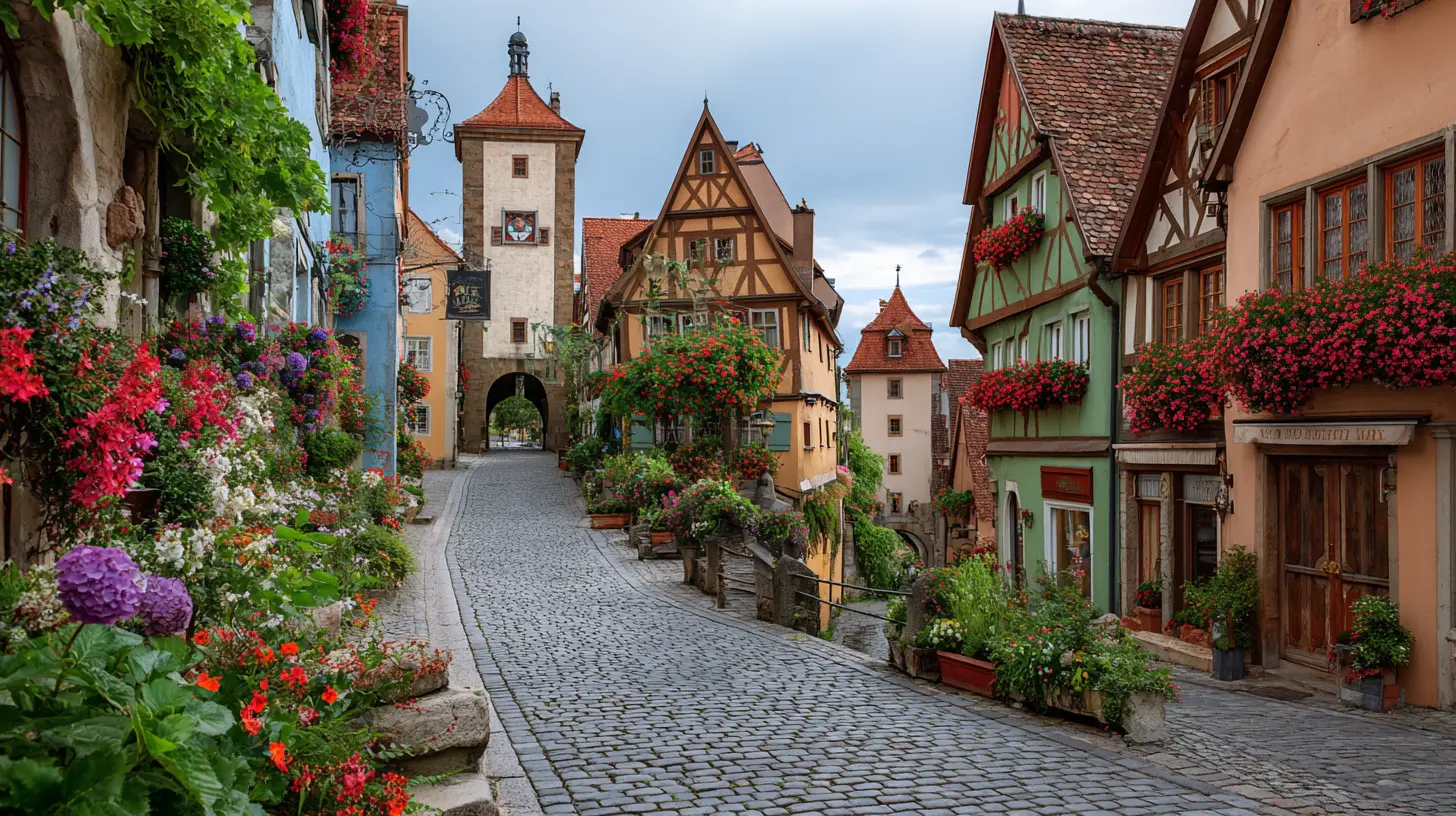
Rothenburg ob der Tauber: The Crown Jewel
If you only stop at one town, make it Rothenburg. This place is so perfectly preserved that it's like a medieval Disneyland, but real. The walls are intact, the towers are climbable, and the main square is straight out of Chocolat (minus the Johnny Depp). Walk the Plönlein-that iconic crooked street with the yellow house-and you'll understand why 2.5 million tourists visit each year.But here's the secret: go at dawn. At 6 AM, the town is empty. You'll hear church bells, smell fresh bread from the bakery, and feel like you own the place. Also, skip the overpriced Schneeballen (fried dough balls) and try the Rothenburger Bratwurst from a street cart-it's way better.
Don't miss: The Medieval Crime Museum. It's weird, dark, and has a chastity belt that will make you grateful for modern underwear.
Dinkelsbühl: The Quiet Cousin
Rothenburg gets all the glory, but Dinkelsbühl is the underrated sibling. It's smaller, less crowded, and just as pretty. The St. George's Minster has a spire you can climb for a view of the red roofs and the river. The town is surrounded by a complete city wall, and you can walk the entire thing in about 45 minutes.I spent an afternoon here just sitting in a café, watching locals bike past with fresh bread in their baskets. No selfie sticks. No tour buses. Just peace.
Why 2027 matters: Dinkelsbühl is hosting a special 75th anniversary medieval market in July. Think jousting, mead, and guys in chainmail selling handmade spoons. Weird? Yes. Wonderful? Absolutely.
Harburg Castle: The Real Deal
Forget Neuschwanstein for a moment. Harburg Castle is a real medieval fortress, not a 19th-century fantasy. It's perched on a hill above the town of Harburg, and you can explore its towers, dungeons, and a chapel that smells like old stone and incense.The best part? It's not overrun with tourists. You can take your time, climb the wooden stairs, and imagine what it was like to live here in 1200 AD. Spoiler: cold, damp, and probably smelly. But the views? Unforgettable.
Augsburg: The Urban Pivot
Halfway down the road, you hit Augsburg. It's a city, not a town, and it's a good place to recharge. The Fuggerei is the world's oldest social housing complex-still in use today, with rent at less than a euro per year. Yes, you read that right. Walk through the gates and feel like you've traveled back to the 1500s.Augsburg is also the birthplace of Leopold Mozart (Wolfgang's dad), and the Mozart House is a small, charming museum. But honestly, the best thing to do here is eat. Try Käsespätzle at a beer garden-it's cheesy, gooey, and exactly what you need after hours in a car.
The Lech River Valley: Nature's Interlude
Between Augsburg and Füssen, the road follows the Lech River. This stretch is less famous, but it's where you'll find the real Germany. Small villages, green fields, and the occasional cow wearing a bell. Pull over at the Lechfall-a waterfall near Füssen-and stretch your legs. The water is glacial blue, and the sound is better than any meditation app.Füssen and Neuschwanstein: The Grand Finale
You made it. Füssen is the southern terminus, and it's a fairy-tale ending. Neuschwanstein Castle is the main event, and yes, it's crowded. But there's a reason for that. It's absurdly beautiful, like a wedding cake designed by a mad king. Ludwig II built it as a retreat, and he died before it was finished. That unfinished part adds a melancholic charm.My advice: Book your tickets online weeks ahead. Don't bother with the guided tour inside-it's rushed. Instead, walk to the Marienbrücke (the bridge) for the classic view. Go early, before the bus tours arrive. And if you're fit, hike up to the Pollat Waterfall for a quieter perspective.
After the castle, explore Füssen's old town. The Hohes Schloss is a former bishop's residence with colorful frescoes that look like a medieval comic book. And the Forggensee lake is perfect for a sunset paddleboat ride.
How to Plan Your 2027 Trip
Getting there: Fly into Frankfurt or Munich. From Frankfurt, it's a 1.5-hour train to Würzburg. From Munich, it's an hour to Füssen. Renting a car gives you flexibility, but trains connect the major towns. For 2027, the new Romantic Road Express bus service will run daily from May to October, stopping at all the key towns. It's slower but stress-free.When to go: May, June, or September. July and August are packed with families and heat waves. October is lovely, but many attractions close by mid-month.
Where to stay: Skip chain hotels. Book a Gasthof (family-run inn) in Rothenburg or Dinkelsbühl. You'll get a feather bed, a breakfast of cold cuts and cheese, and a host who might give you a free schnapps.
What to eat: Spätzle (egg noodles), Schweinshaxe (pork knuckle), and Apfelstrudel (apple strudel). Drink local wine in Franconia, beer in Bavaria. The tap water is fine, but the Radler (beer and lemonade mix) is better.
Common Mistakes to Avoid
Don't try to see everything. The Romantic Road is about quality, not quantity. Pick 4-5 towns and linger. Also, don't rely on Google Maps for parking in medieval towns-you'll end up in a pedestrian zone with angry locals. Use the designated parking lots outside the walls.And please, don't wear flip-flops on the cobblestones. I did that once. My ankle still remembers.
Is the Romantic Road Overhyped?
Honestly? No. It's hyped, but it delivers. Yes, you'll see crowds in Rothenburg and Neuschwanstein. But the magic is real. When you stand on a castle tower at dusk, watching the lights come on in a village that hasn't changed in 500 years, you get it. You feel like a traveler, not a tourist.The Romantic Road is a reminder that some things are worth slowing down for. In 2027, the world will be faster, louder, and more digital. But this road? It'll still be here, waiting for you to take the scenic route.
So pack your bags, download some German folk music, and get ready for a trip that'll stick to your soul like honey on a pretzel. You'll thank me later.
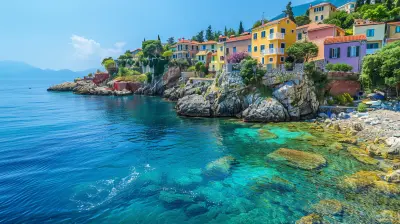
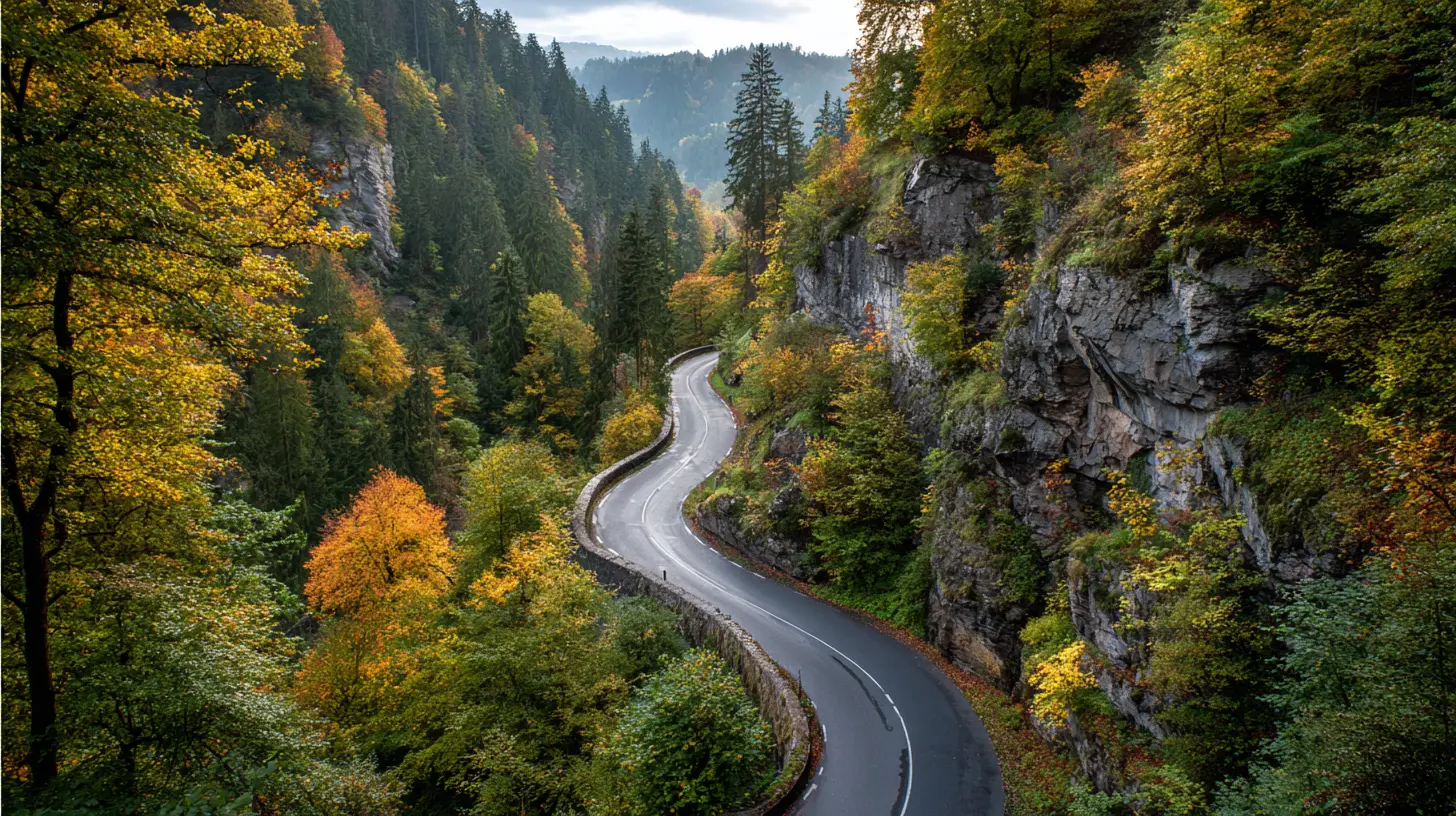
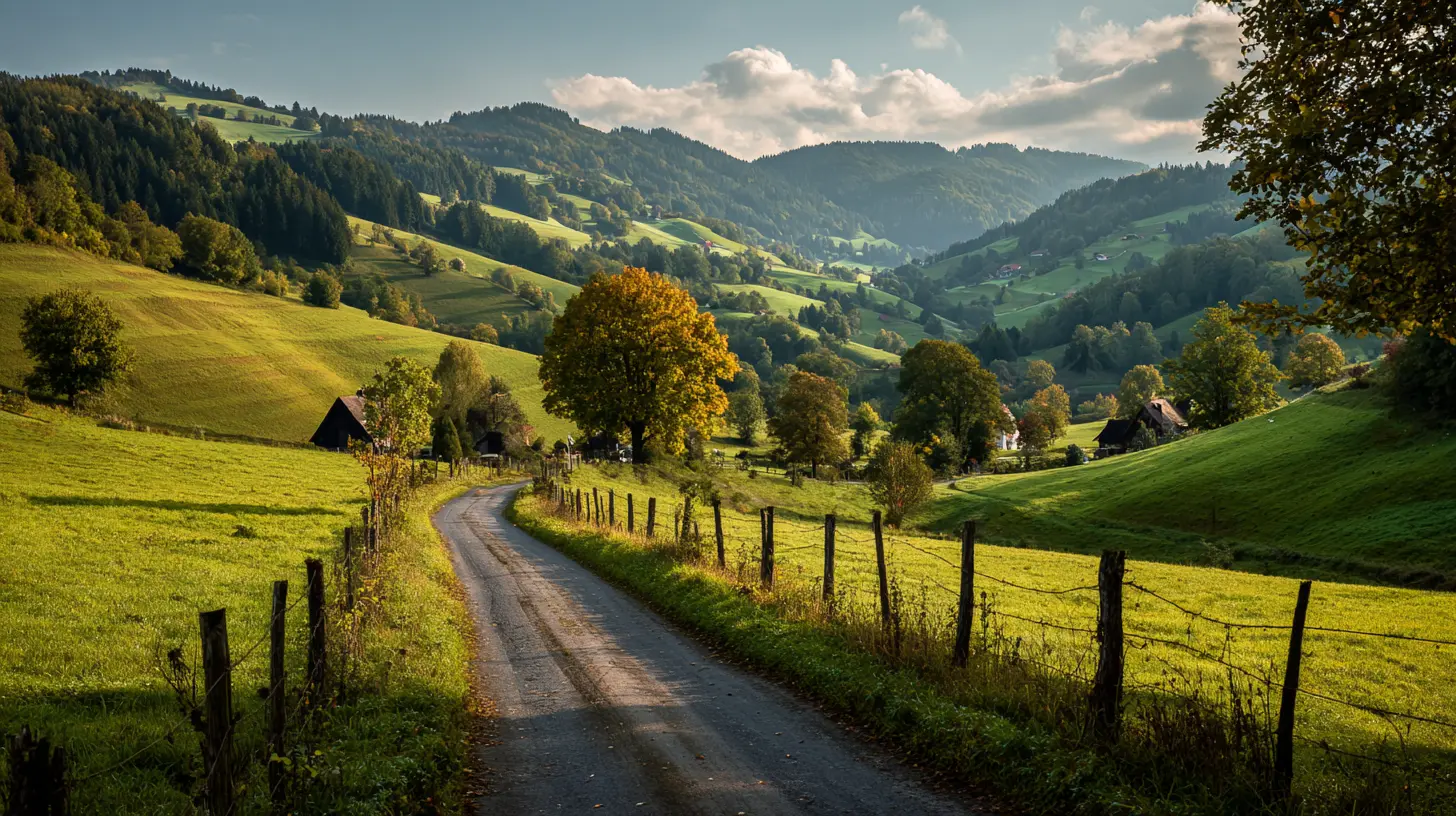
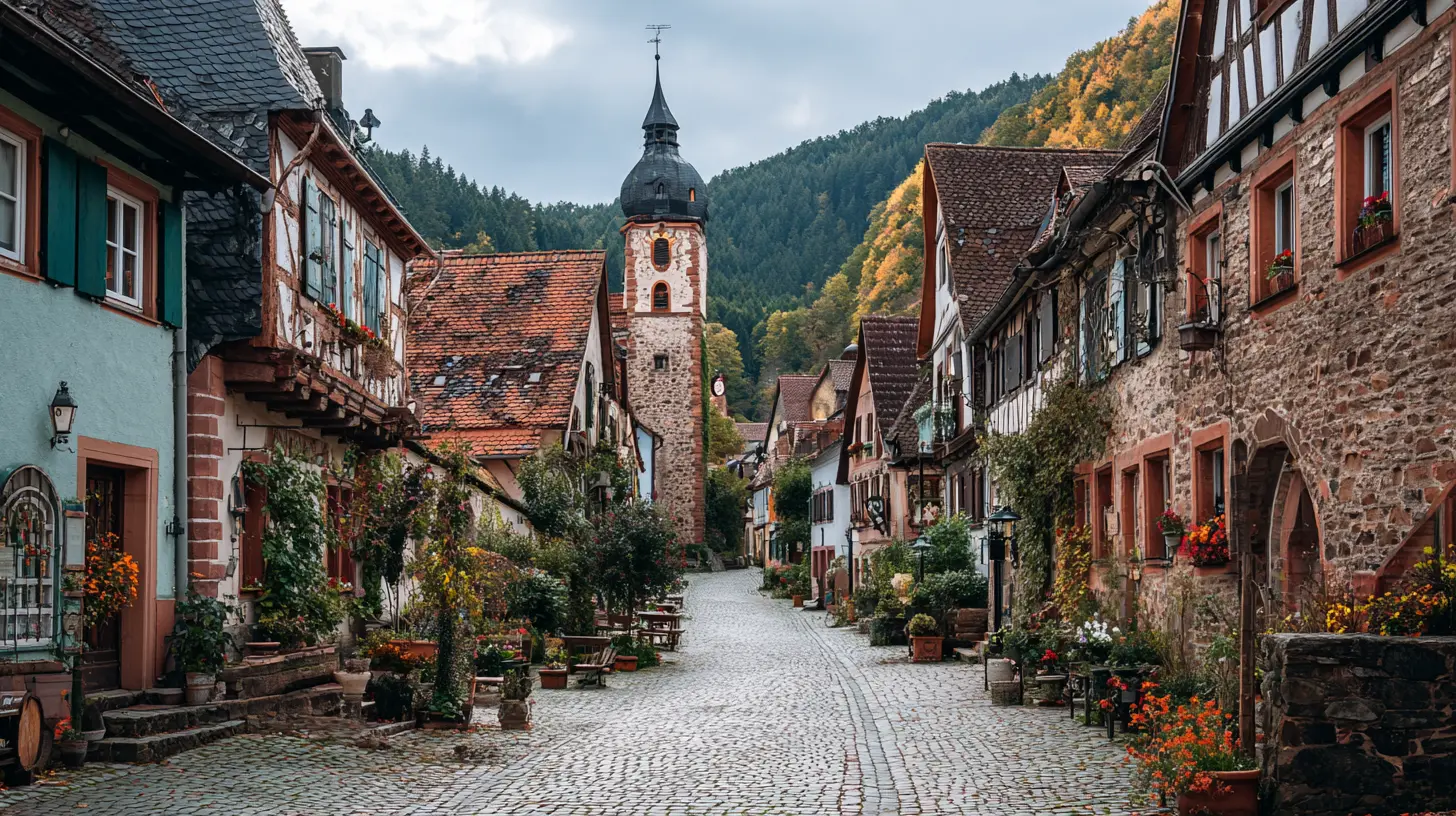
all images in this post were generated using AI tools
Category:
Iconic RoutesAuthor:

Claire Franklin
Discussion
rate this article
1 comments
Orionyx McIntire
The Romantic Road offers a captivating blend of charming towns and stunning landscapes. While it can feel touristy at times, the authentic experiences and history make it a worthwhile journey for any traveler.
May 8, 2026 at 3:42 AM