Behind the Scenes of the Harbin Ice Festival in 2026
22 May 2026
You've seen the photos. The impossible blue glow of ice cathedrals, the frozen skyline that looks like a lost city from a sci-fi movie. But have you ever stopped to think about how it actually happens? I don't mean the tourist brochures. I mean the real, gritty, bone-chilling work that starts months before the first visitor steps onto the ice.
The Harbin Ice Festival in 2026 is not a simple event. It is a massive industrial operation disguised as art. Every year, the city of Harbin in northeast China transforms into a frozen wonderland that draws millions of people. But behind those glowing walls, there is a story of logistics, sweat, and temperatures that can drop to minus 30 degrees Celsius. Let me take you behind the curtain.
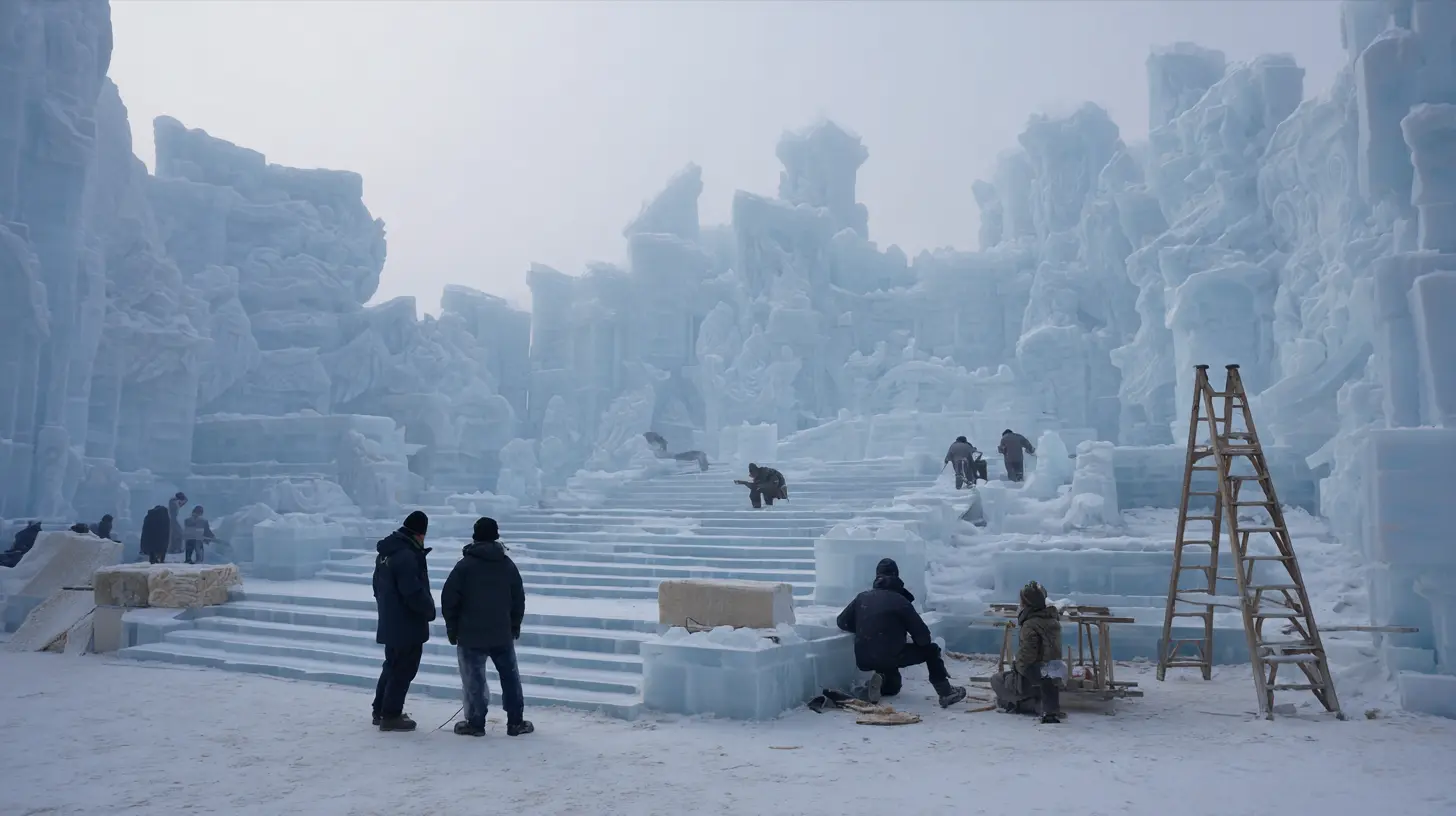
The Cold That Shapes Everything
First, you have to understand the enemy: the cold. It's not just cold. It's a cold that seeps into your bones, fogs your glasses, and makes your phone battery die in minutes. For the workers building the festival, this is their office. They don't get to go inside. They work in the open, with the wind cutting across the frozen Songhua River. In 2026, the conditions are no different. The festival runs from early January to late February, but the real work starts in December. That's when the temperature is at its most brutal.Why do they start so late? Because the river ice needs to be thick enough. The Songhua River is the only source of ice for the festival. It has to be at least 30 centimeters thick to support the harvesting equipment. The ice harvesters drill test holes every morning. If the ice is too thin, they wait. They cannot rush this. One weak slab and a whole sculpture could collapse, endangering workers and visitors alike.
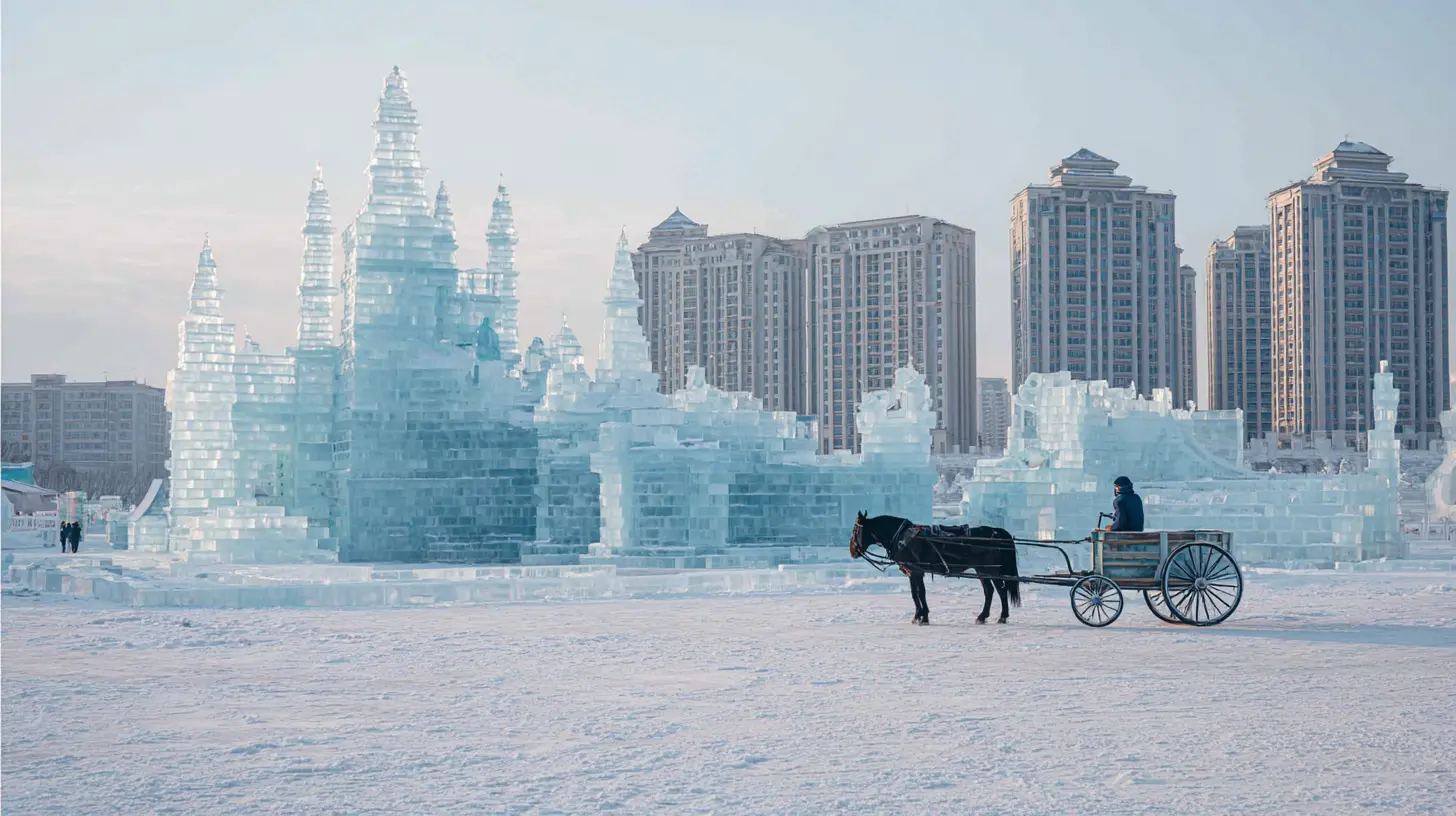
The Ice Harvest: A Frozen Mining Operation
So where does all that ice come from? It comes from the river, but it's not a simple "cut and carry" job. Think of it as a frozen quarry. Teams of workers use chainsaws to cut large blocks, each weighing around 300 kilograms. They float these blocks to the shore using a system of ropes and pulleys. It looks primitive, but it's efficient. In 2026, they still use this method because it's reliable. No machine can work in those temperatures without constant breakdowns.The blocks are then loaded onto trucks. But here's a detail most people miss: the blocks are not just any ice. They are carefully selected for clarity. Clear ice comes from the deeper parts of the river, where the water is still and free of bubbles. Cloudy ice has air pockets that don't light up well when illuminated. The festival organizers have a team of "ice scouts" who mark the best spots on the river weeks in advance. They know exactly where the clearest ice will form based on the river's flow and the winter's weather patterns.
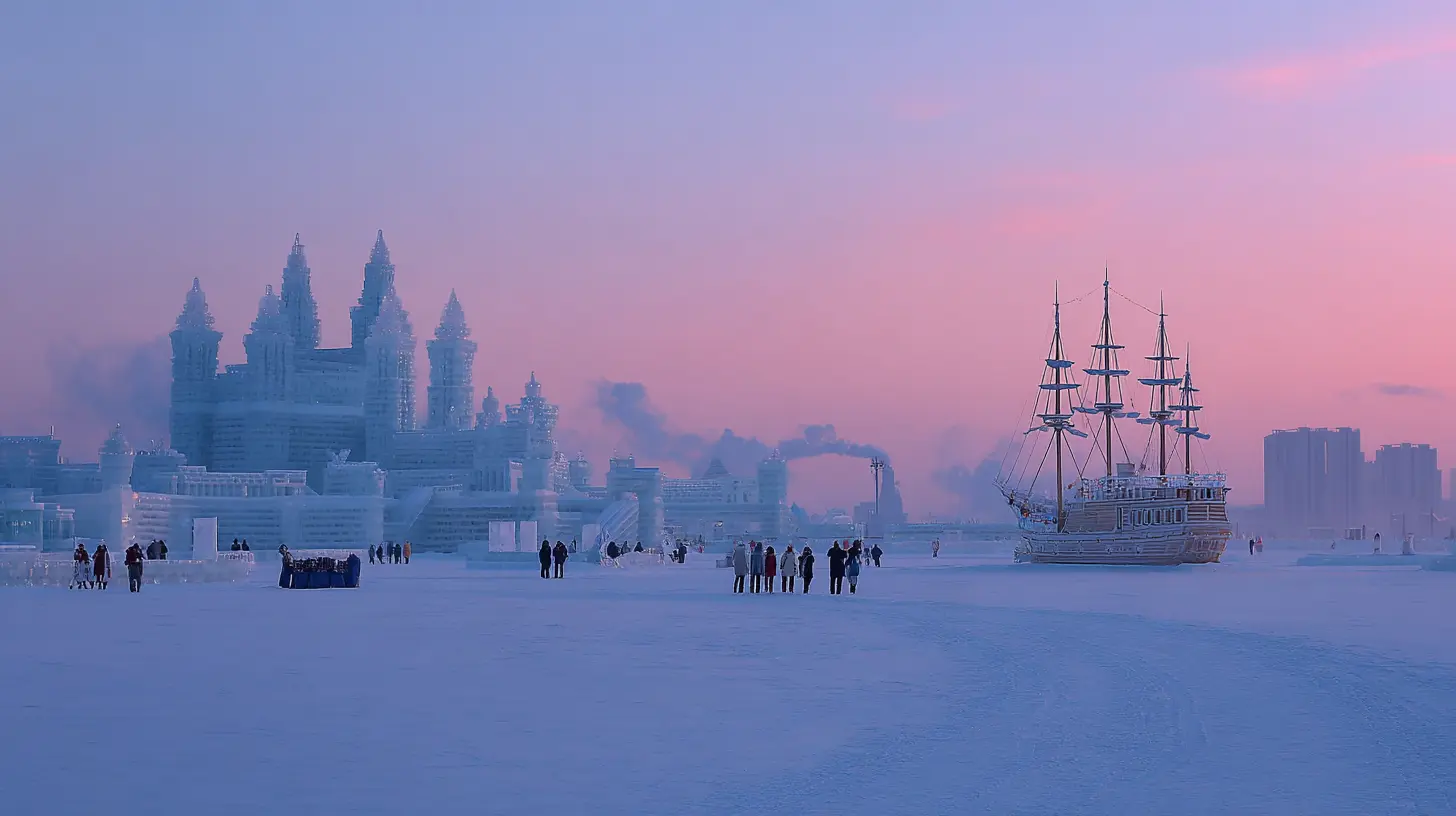
The Blueprint: From Digital Design to Frozen Reality
Now, you might think the sculptures are just carved on the spot. Not true. Every major structure at the Harbin Ice Festival in 2026 starts as a digital model. Architects and engineers use 3D software to design the buildings, bridges, and even the full-scale replicas of famous landmarks. These designs must account for the structural integrity of ice. Ice is brittle. It can crack under its own weight if the design is too ambitious.Once the digital blueprints are approved, they are translated into physical templates. These are large plywood frames that outline the shape of each block. Workers stack the blocks in rows, like giant Lego bricks, then fill the gaps with water. The water freezes instantly, fusing the blocks into a single solid mass. This is the foundation. After that, the carving begins.
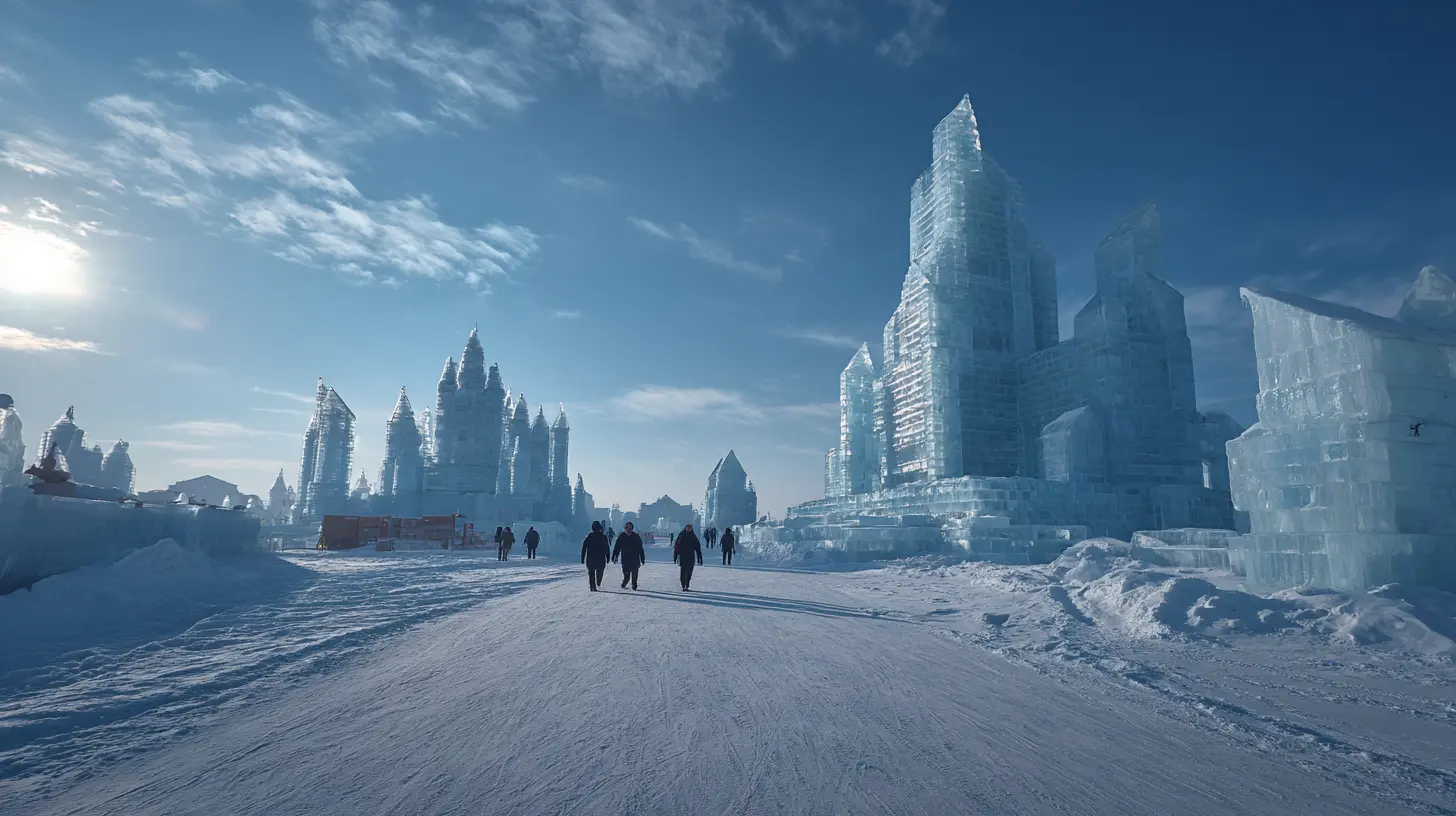
The Carvers: Artists in Parkas
The carvers are the unsung heroes. They are not just laborers. Many of them are trained sculptors from the Harbin Institute of Fine Arts. They have been doing this for years. They know that ice carving is not like stone carving. You cannot make a mistake and just chip away the excess. Ice is unforgiving. A wrong cut can shatter a piece that took hours to place.They use a variety of tools: electric chainsaws for rough cuts, hand chisels for detail, and even blowtorches for smoothing surfaces. Yes, blowtorches. You might think heat would melt the ice, but a quick pass with a torch melts the surface just enough to create a smooth, glass-like finish. It's a delicate balance. Too much heat and you create a puddle. Too little and you leave rough edges.
In 2026, the carvers wear multiple layers of thermal clothing, but they still get cold. Their fingers go numb after an hour. They take breaks in heated tents, drinking hot tea that tastes like metal because of the thermos. They work in shifts, often through the night, because the cold makes the ice easier to carve. The colder it is, the less the ice cracks.
The Lighting: The Real Magic
Here's where the festival truly comes alive. The ice itself is just a medium. The magic is in the lighting. In 2026, the festival uses over 100,000 LED lights, all embedded inside the ice blocks. But how do you get a light inside a block of ice? You don't. The lights are placed between the blocks during the stacking process. Wires are run through channels carved into the ice, and the lights are sealed with silicone to prevent moisture damage.The color scheme is not random. It's designed by a team of lighting designers who study how light behaves in ice. Blue and green lights travel the furthest through ice, creating that ethereal glow. Red and yellow are used sparingly because they get absorbed quickly. The designers also account for the ambient light from the city. Harbin has a lot of light pollution. The festival's lighting must be bright enough to compete, but not so bright that it washes out the details.
The Safety Net: Keeping It All Standing
You might wonder: how does none of this collapse? The answer is constant monitoring. The festival has a team of structural engineers who walk the site every night. They check for cracks, shifts, and melting. Even at minus 30 degrees, the ice can melt slightly due to the heat from the lights. Yes, those LEDs generate heat. It's a small amount, but over a month, it can weaken the ice.They also monitor the temperature of the river ice underneath the festival. The weight of the structures is enormous. A single large building can weigh over 500 tons. The river ice must support that weight without breaking. They drill test holes every day to measure the thickness. If the ice is thinning, they close off sections and reinforce them with steel frames. It's not glamorous, but it keeps people safe.
The People Behind the Scenes
Let's talk about the people. There are about 2,000 workers involved in building the festival each year. They come from Harbin and the surrounding provinces. Many of them are farmers who have no work in the winter. They see this as a seasonal job. They earn decent wages by local standards, but the work is grueling. They sleep in dormitories near the site, waking up at 4 a.m. to start before sunrise.The festival also employs a team of "ice doctors." These are specialists who repair sculptures that get damaged. A chip here, a crack there. They use a mixture of snow and water to patch the damage. It sounds simple, but it's an art. The patch must match the clarity of the original ice. If it's too white, it stands out. If it's too clear, it might not bond properly.
The 2026 Twist: Sustainability and Technology
Now, let's talk about what's new in 2026. The festival has been under pressure to become more sustainable. In the past, the ice was simply dumped back into the river after the festival. That's still the case, but now they are more careful about the chemicals used. The lights are all low-energy LEDs. The generators run on biodiesel instead of diesel. It's a small step, but it matters.There is also a new digital component. In 2026, the festival offers a virtual reality tour for people who cannot travel. It's not the same as being there, but it gives a sense of the scale. They have also installed sensors in the ice. These sensors measure temperature, stress, and light levels. The data is used to predict which sculptures might need repair before they actually fail. It's like giving the festival a nervous system.
The Hidden Cost: What You Don't See
Nobody talks about the waste. The festival uses thousands of tons of ice, but only about 60% of it becomes part of the final display. The rest is scrap. The scrap ice is ground up and used for ice rinks around the city. Nothing goes to waste. But there is also the human cost. Workers suffer from frostbite, exhaustion, and injuries. Chainsaws are dangerous in the best conditions. In the cold, they are lethal. The festival has a medical team on standby, but accidents happen.And then there is the environmental cost. The generators run 24 hours a day. The festival attracts millions of visitors, which means more flights, more cars, and more pollution. The city tries to offset this by planting trees, but it's a drop in the bucket. The festival is a spectacle, but it's not a green one.
Why It Matters
So why do they do it? Why spend millions of dollars and risk lives to build a city of ice that will melt in two months? Because it works. The Harbin Ice Festival brings in over $1 billion in tourism revenue every year. It puts Harbin on the map. It gives people a reason to travel to one of the coldest places on Earth. And for the workers, it's a source of pride. They build something that amazes the world. When the lights come on and the crowd gasps, that's their paycheck.In 2026, the festival is bigger than ever. There is a full-scale replica of the Forbidden City, a 50-meter ice tower, and a slide that goes down a frozen mountain. But behind every glowing wall, there is a story of a man with a chainsaw, a woman with a blowtorch, and a team of engineers watching the ice for cracks.
The next time you see a photo of the Harbin Ice Festival, remember: it's not just a picture. It's a frozen moment of human effort, carved out of a river in the dark, under a sky that never gets warm.
all images in this post were generated using AI tools
Category:
Festival TravelAuthor:

Claire Franklin
Discussion
rate this article
1 comments
Merida Klein
The 2026 Harbin Ice Festival promises to be an unforgettable experience. Exploring the artistry and dedication behind these stunning ice sculptures is a must for any traveler seeking winter magic. Don't miss it!
June 16, 2026 at 4:41 PM