Best Times to Witness the Northern Lights in Norway
30 November 2025
If you've ever dreamed of seeing the sky come alive with shimmering waves of green, purple, and blue, then witnessing the Northern Lights in Norway needs to be at the top of your bucket list. There’s nothing quite like standing beneath a sky that dances with colors, wrapping you in an otherworldly glow.
But here’s the catch—seeing the aurora borealis isn’t just about picking a random date and hoping for the best. The Northern Lights are nature’s magic show, and timing is everything. In this guide, I’ll walk you through the best times to witness this mesmerizing phenomenon, along with some handy tips to increase your chances of catching a front-row seat to one of the greatest natural wonders on Earth. 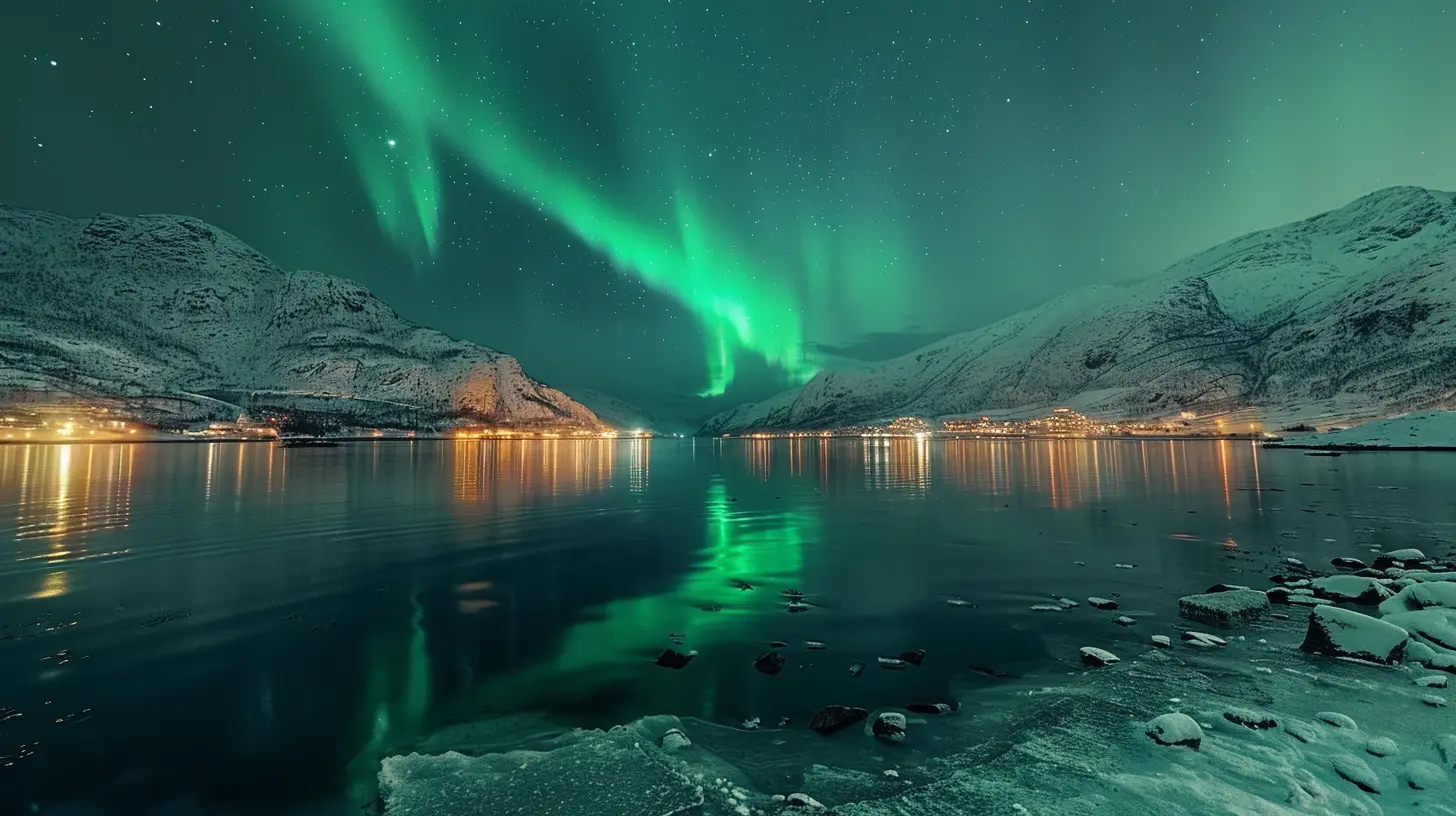
What Are the Northern Lights?
Before we dive into the best times to see them, let’s take a quick moment to understand what the Northern Lights actually are.The aurora borealis occurs when charged particles from the sun collide with Earth's atmosphere. This interaction creates glowing, moving curtains of light in the night sky, typically near the magnetic poles. In other words, it's a cosmic light show powered by solar wind—and Norway happens to be one of the best places on the planet to witness it! 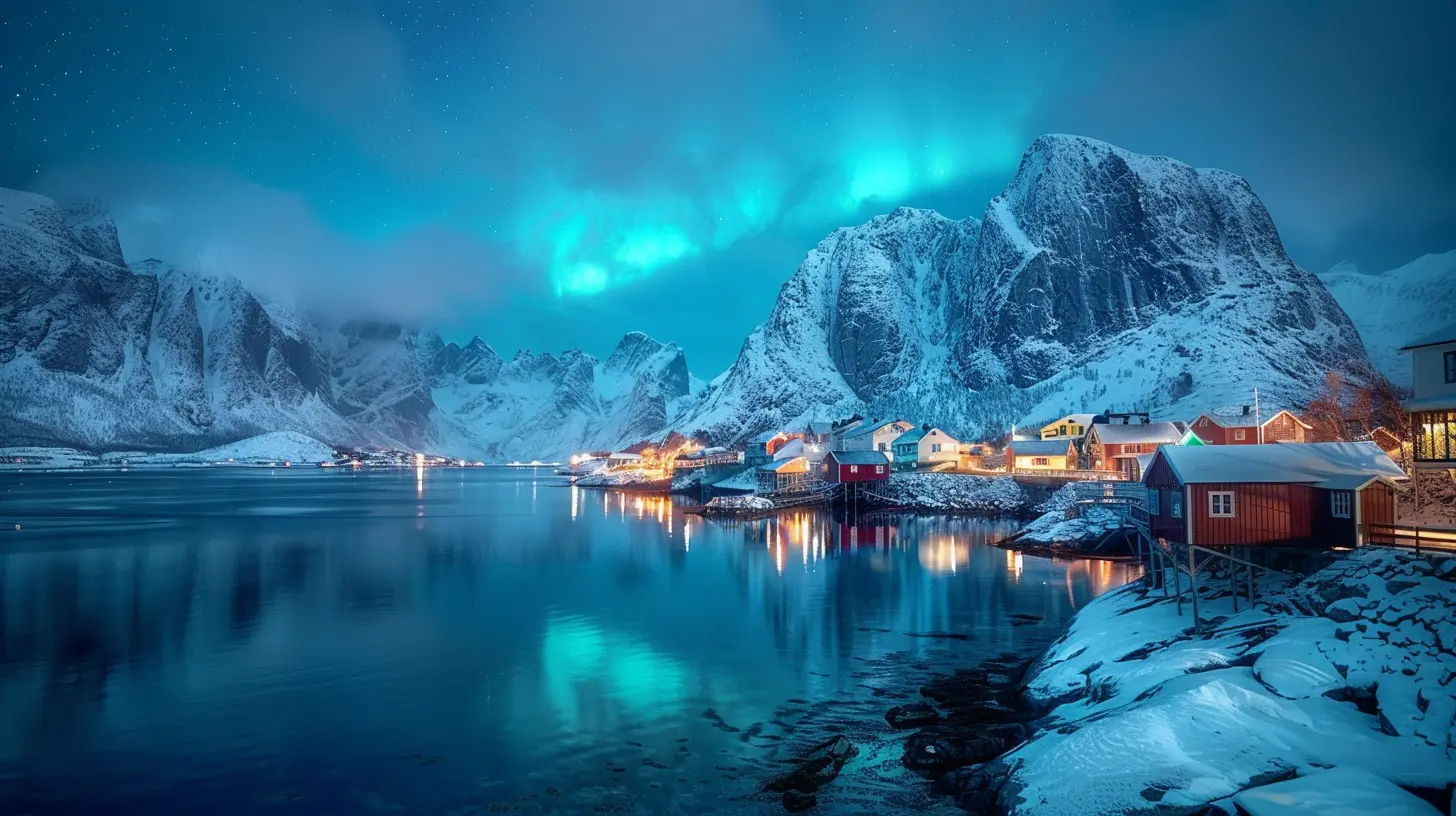
Best Time of Year to See the Northern Lights in Norway
September to March: The Northern Lights Prime Season
If you're serious about catching a glimpse of the aurora borealis, book your trip between September and March. This is when Norway experiences its darkest nights, giving you the best visibility.- September & October: The start of the aurora season. Nights are getting longer, and the weather is still relatively mild.
- November to January: The darkest months, but also the coldest. These months provide the clearest skies, perfect for aurora spotting.
- February & March: Still excellent conditions, but slightly warmer weather compared to mid-winter.
Why does winter reign supreme for Northern Lights viewing? Simple—darkness is your best friend. The longer the night, the more time you have to witness the magic unfold.
Avoid the Midnight Sun (April to August)
Summer in Norway brings the Midnight Sun, meaning the sun barely sets. While this is an incredible sight on its own, it also means the sky is too bright for the Northern Lights to be visible.So, if you're hoping to see the aurora, skip the summer months and aim for fall and winter instead. 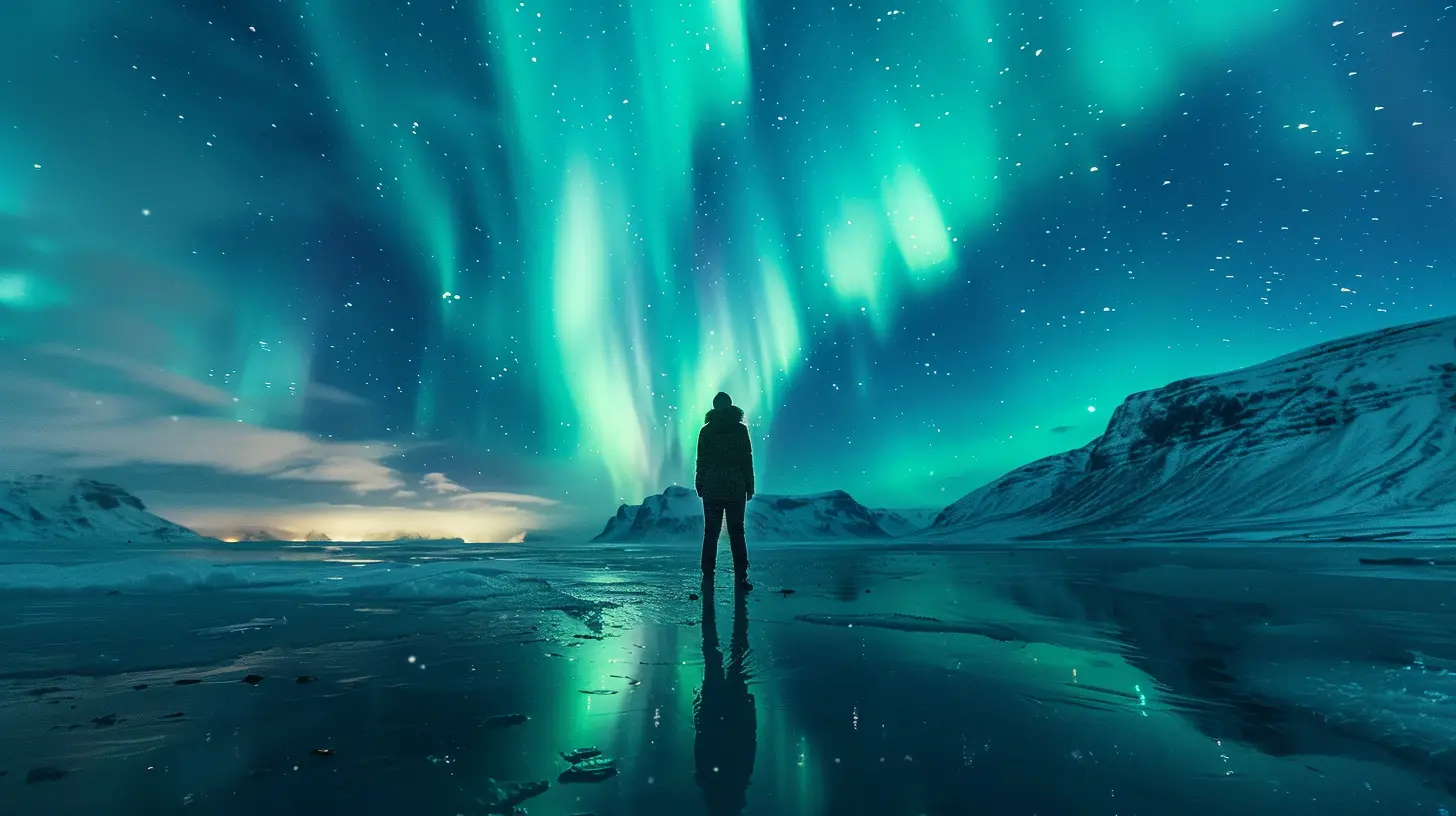
Best Time of Night for Northern Lights Viewing
The best time to see the Northern Lights in Norway isn’t just about the right season—it’s also about the right hours of the night.Your best chance? Between 9 PM and 2 AM. This is when the sky is at its darkest and auroral activity tends to peak.
Of course, the Northern Lights are unpredictable. Sometimes they make an appearance earlier, sometimes later. That’s why patience is key—think of it as nature’s way of testing your commitment! 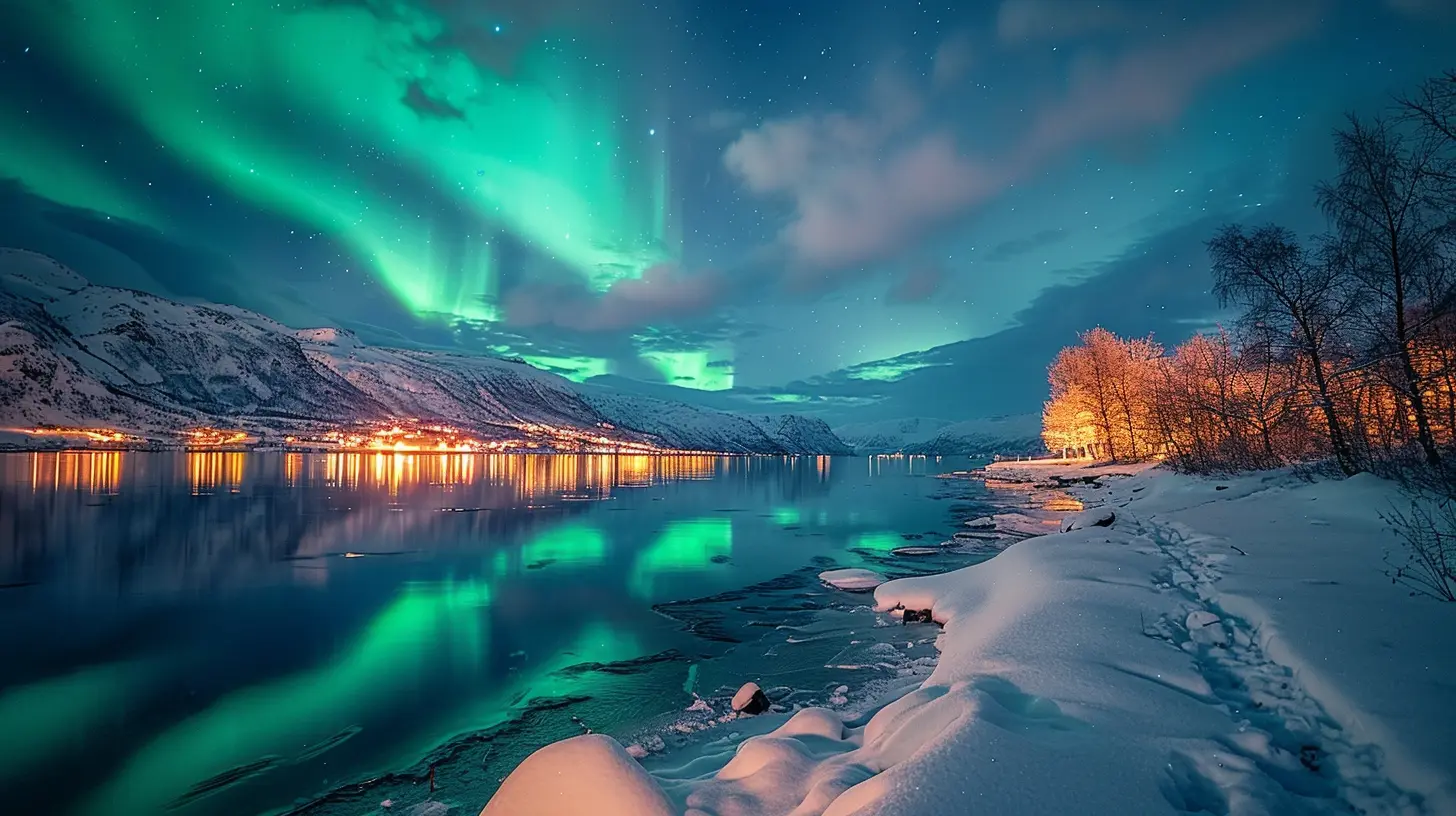
Best Locations in Norway for Northern Lights Viewing
1. Tromsø – The Gateway to the Arctic
Tromsø is one of the most popular places for Northern Lights seekers. Located far above the Arctic Circle, this city boasts long, dark nights and relatively mild winter temperatures (thanks to the Gulf Stream). Plus, it's packed with aurora tours, making it a dream destination for first-timers.2. Lofoten Islands – Beauty Beyond the Aurora
If you want a mix of jaw-dropping landscapes and Northern Lights magic, Lofoten is your spot. Picture dramatic peaks, picturesque fishing villages, and dazzling auroras reflecting off the fjords. It's the kind of scene that belongs on a postcard—or your Instagram feed!3. Alta – The City of the Northern Lights
Alta isn’t called the "City of the Northern Lights" for nothing. This town has a long history of aurora research and offers some of the most reliable sightings in Norway, thanks to its dry climate and minimal light pollution.4. Senja – A Hidden Gem
Less crowded than Tromsø but equally stunning, Senja is a fantastic option. You'll find unspoiled wilderness, fewer tourists, and skies just as capable of delivering a breathtaking light show.5. Svalbard – The Ultimate Arctic Adventure
Looking for something extra special? Head to Svalbard, where from November to January, the sun doesn’t rise at all. This means 24-hour potential for aurora sightings—talk about maximizing your chances!Tips to Increase Your Chances of Seeing the Northern Lights
Let’s be real: Mother Nature doesn't always follow our plans. While seeing the aurora borealis is never guaranteed, here are some pro tips to boost your odds:1. Check the Aurora Forecast
Websites like the Norwegian Meteorological Institute and apps like Aurora Forecast give real-time updates on auroral activity. If the forecast is strong, your chances of witnessing the lights go up.2. Escape the City Lights
Light pollution is the enemy of aurora spotting. Head out into the countryside, away from artificial lights, for the best views.3. Pick a Clear Night
Cloud cover is another aurora blocker. Aim for a night with clear skies for the best visibility.4. Stay Outside and Be Patient
Seeing the Northern Lights doesn’t happen on demand. Sometimes, you need to wait hours before the magic begins. Bring a thermos of hot cocoa and bundle up—it’s worth it!5. Stay for Multiple Nights
If you only have one night to catch the aurora, you’re gambling with luck. Stay at least 3-5 nights to increase your chances of witnessing the Northern Lights.Photographing the Northern Lights Like a Pro
Want to capture the moment forever? Here are some quick photography tips:- Use a DSLR or mirrorless camera – Forget about your phone (unless it has a top-tier night mode).
- Set your camera to manual mode – Adjust the shutter speed to around 10-15 seconds.
- Use a tripod – This prevents blurry shots.
- Increase the ISO – Start at ISO 800 and adjust as needed.
- Bring extra batteries – The cold drains them faster than you’d expect!
Final Thoughts
Seeing the Northern Lights in Norway is an experience like no other. But remember, this isn’t just about showing up and expecting a light show—it’s about patience, timing, and a little bit of luck.If you plan your trip between September and March, head to the right locations, and stay flexible, chances are you’ll witness one of nature’s most breathtaking masterpieces. And trust me, once you see those lights flicker across the Arctic sky, you'll never forget it.
So, are you ready to chase the aurora? Pack your warmest clothes, grab your camera, and get ready for a magical adventure beneath the Norwegian skies!
all images in this post were generated using AI tools
Category:
Best Time To VisitAuthor:

Claire Franklin
Discussion
rate this article
2 comments
Fay Huffman
Thank you for sharing this invaluable information! I've always dreamed of seeing the Northern Lights in Norway, and your tips are incredibly helpful.
December 12, 2025 at 4:00 AM
Claire Franklin
You're very welcome! I'm glad you found the tips helpful. Enjoy your Northern Lights adventure in Norway!
Zephyros McClendon
This article beautifully outlines the optimal times to experience the Northern Lights in Norway. Ideal viewing conditions and tips make it a must-read!
December 8, 2025 at 3:39 PM
Claire Franklin
Thank you for your kind words! I'm glad you found the article helpful for planning your Northern Lights adventure. Enjoy the experience!