Birdwatching in Tropical Rainforest Wonders
6 August 2026
Birdwatching in the heart of a tropical rainforest is a magical experience. Imagine walking through lush, green canopies while hearing a symphony of chirps, whistles, and calls from exotic birds. Some are hidden high in the treetops, while others flash vibrant colors as they dart between branches. It’s like stepping into a real-life painting, where every turn might reveal a rare and spectacular feathered treasure.
But birdwatching here isn't just about gazing at pretty birds. It’s about patience, learning their behaviors, and understanding their role in maintaining the delicate balance of nature. So, if you’re ready to embark on this adventure, let’s dive into the wonders of birdwatching in tropical rainforests. 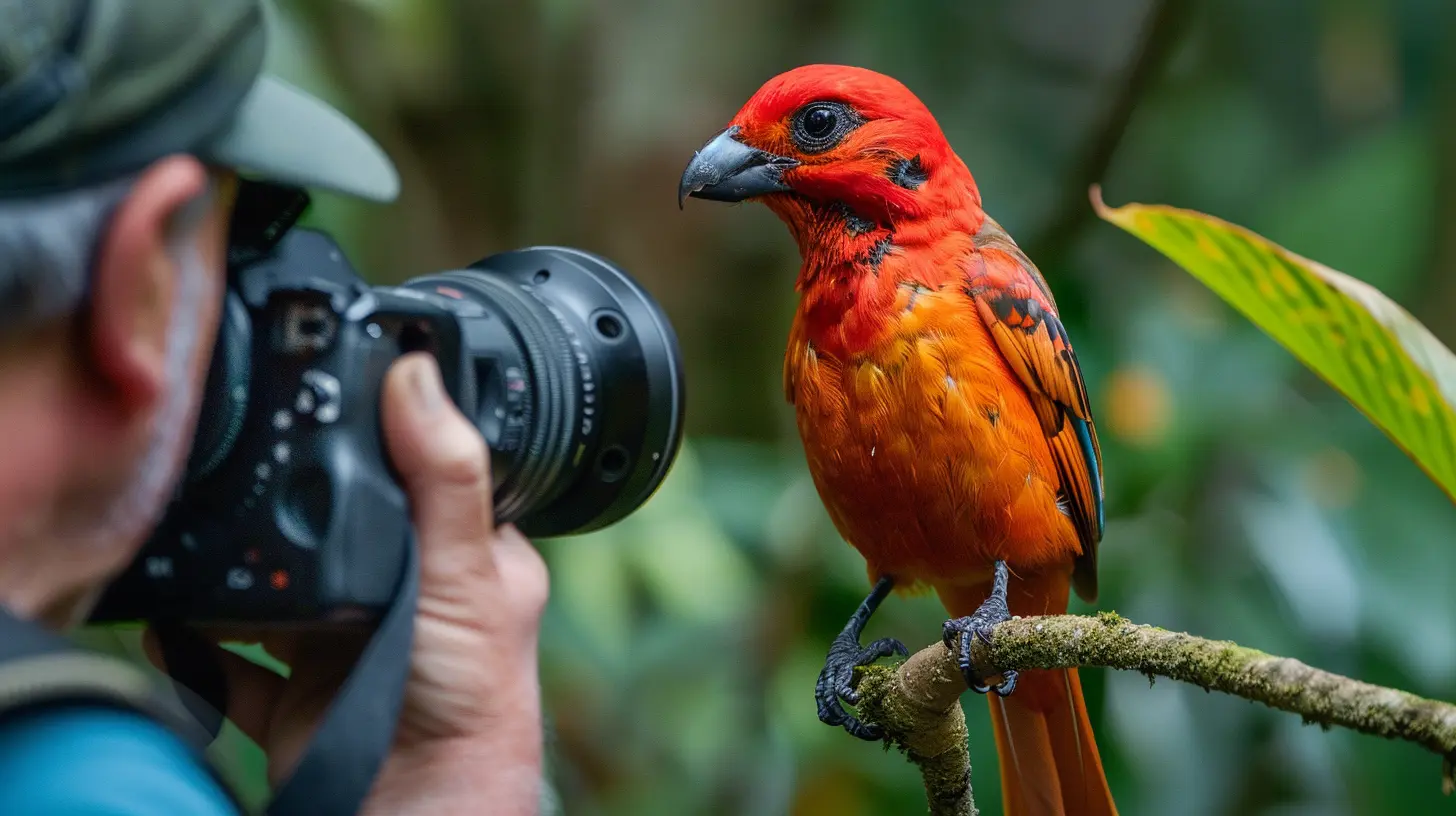
Why Tropical Rainforests Are Birdwatching Paradises
Tropical rainforests are home to over 3,000 bird species, making them some of the most diverse ecosystems on the planet. From the colorful toucans of South America to the secretive pittas of Southeast Asia, these forests are packed with avian wonders.What makes them so special? Two key factors:
- Warm Climate & Abundant Food – The steady temperatures and year-round food supply mean birds here don’t have to migrate seasonally like many temperate species.
- Diverse Habitats – These forests consist of multiple layers, from the towering emergent trees to the dense understory, each supporting different bird species with unique adaptations.
In short, if you love birds, there’s no better place to be! 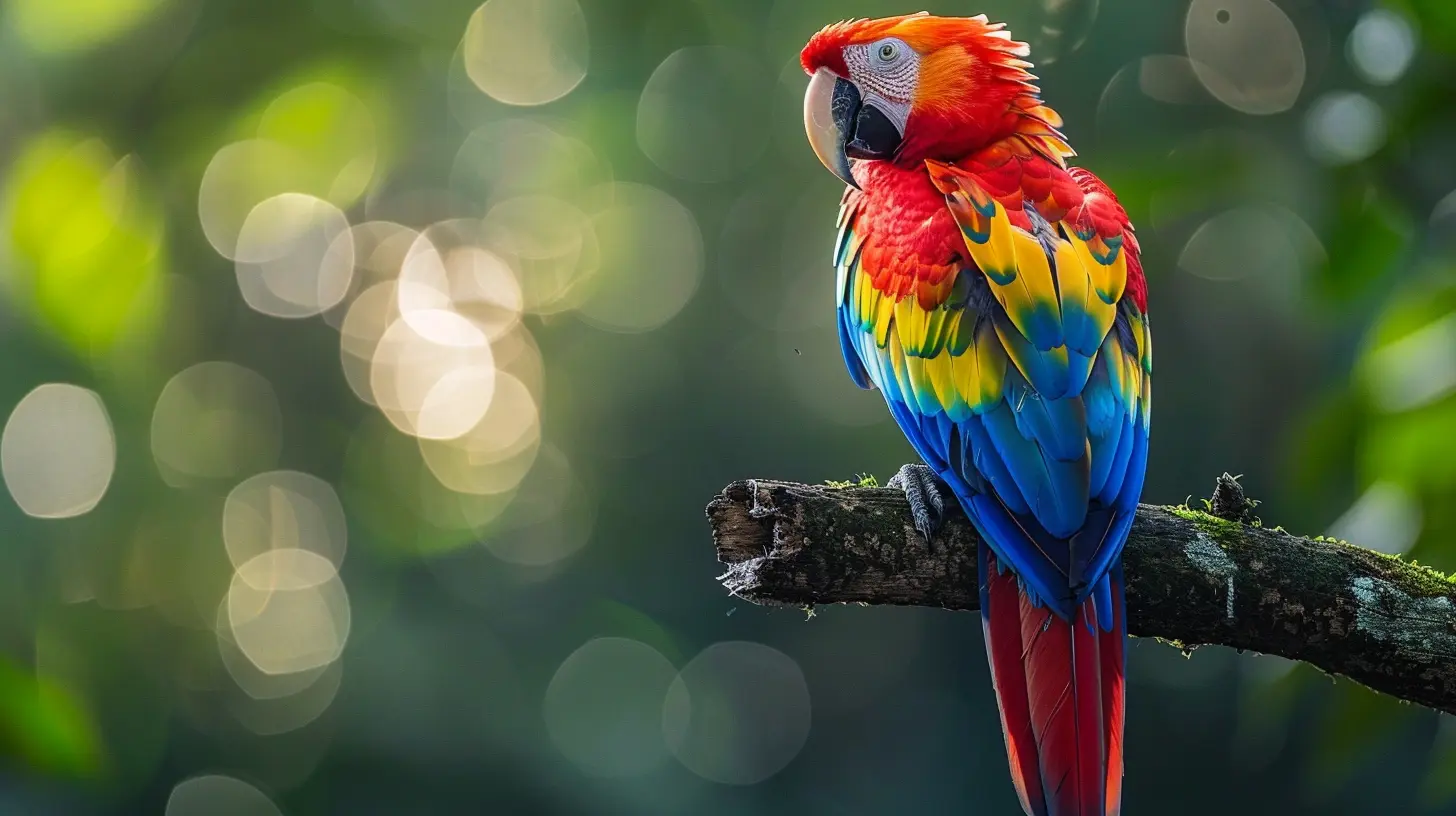
Iconic Birds You Might Spot
When birdwatching in a tropical rainforest, each region offers its own incredible species. Here are some of the most sought-after birds you should keep an eye out for:1. Harpy Eagle (South & Central America)
The harpy eagle, one of the world’s most powerful raptors, is a rare but breathtaking sight. With its massive claws (the size of a grizzly bear’s!), it preys on monkeys and sloths high in the canopy. Seeing one in the wild is a true privilege.2. Resplendent Quetzal (Central America)
This shimmering green and red bird is a dream for many birdwatchers. Revered by the Mayans, the resplendent quetzal is often found in cloud forests, where it feeds mainly on wild avocados.3. Raggiana Bird-of-Paradise (New Guinea)
New Guinea's tropical rainforests are home to over 40 species of birds-of-paradise, including the flamboyant Raggiana. Males put on incredible courtship dances, fluffing their golden feathers and swaying in mesmerizing displays.4. Great Hornbill (Southeast Asia & India)
A true rainforest sentinel, the great hornbill is known for its massive yellow and black casque atop its beak. These fruit-loving birds play a significant role in seed dispersal, helping trees regenerate.5. Blue-crowned Motmot (South America)
With its striking turquoise crown, racquet-shaped tail, and habit of wagging its tail like a pendulum, the blue-crowned motmot is both beautiful and fascinating to watch.These are just a handful of the bird species out there – but trust me, the list could go on forever! 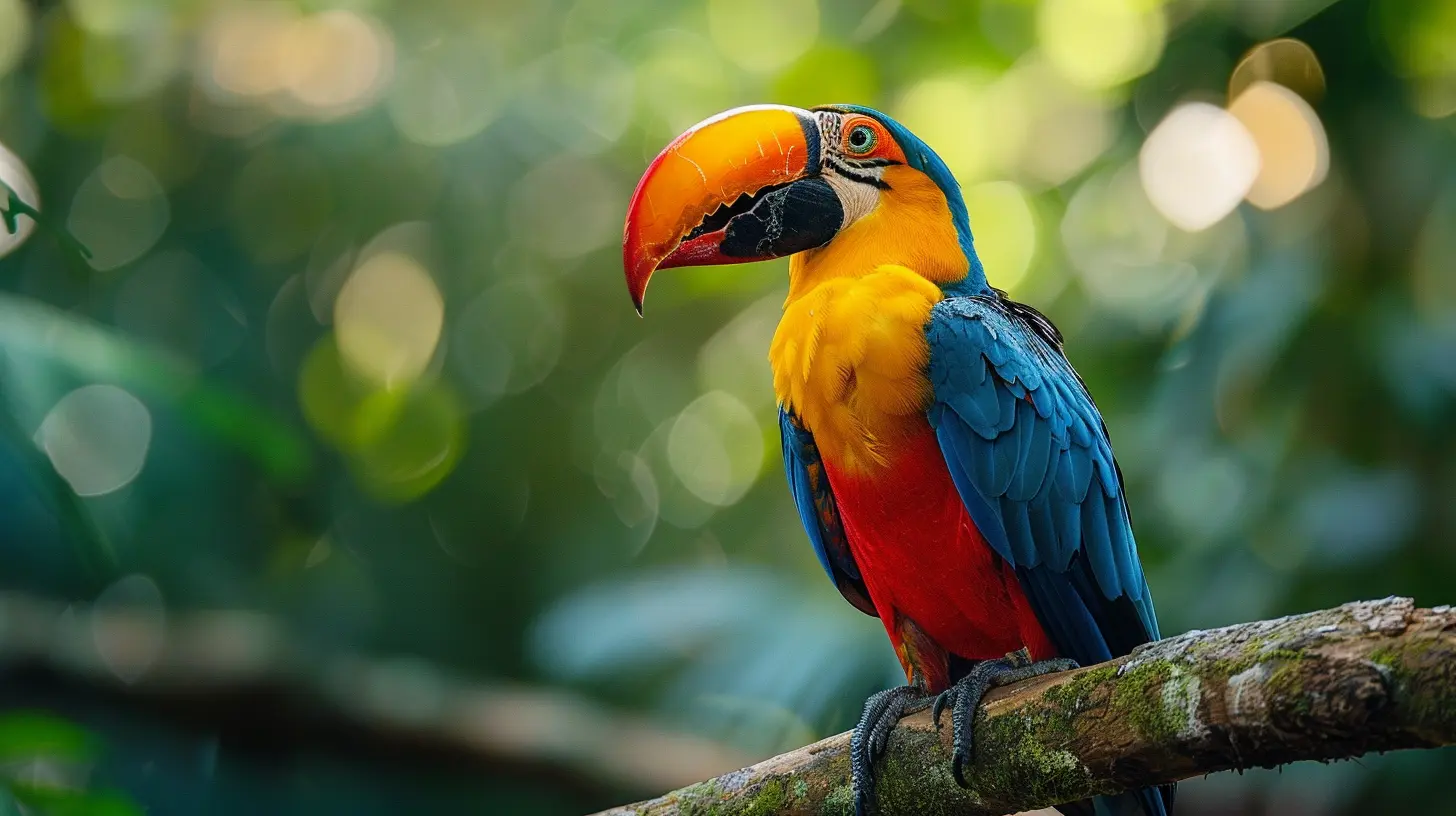
Best Tropical Rainforests for Birdwatching
If you're wondering where to go for the ultimate birdwatching experience, here are some top destinations:1. Amazon Rainforest (South America)
Stretching across several countries, the Amazon boasts one of the highest diversities of birds in the world. From the scarlet macaw to the elusive hoatzin, birdwatching here is always full of surprises.2. Monteverde Cloud Forest (Costa Rica)
Home to the resplendent quetzal, Monteverde is a dream spot for birders. The misty forests create a mystical atmosphere while offering fantastic chances to see unique species.3. Danum Valley (Borneo, Malaysia)
One of the best places to see Borneo’s incredible birdlife, including the Bornean bristlehead and various hornbills. The untouched wilderness here makes for an unforgettable experience.4. Madre de Dios (Peru)
Located near the Tambopata National Reserve, this region is an absolute haven for birdwatchers. Clay licks attract hundreds of macaws and parrots, creating a dazzling display of color and sound.5. Daintree Rainforest (Australia)
One of the world’s oldest rainforests, the Daintree is home to Australia’s cassowary, a prehistoric-looking bird that plays a crucial role in seed dispersal.Each of these locations offers something unique, so picking one just depends on what kind of adventure you're looking for! 
Essential Birdwatching Tips
While birdwatching in tropical rainforests, things can get challenging. Here are some tips to ensure you make the most of your trip:1. Go Early in the Morning
The early bird catches the worm – and so does the early birder! Most birds are active at dawn, making this the best time for sightings and listening to their calls.2. Be Patient & Stay Quiet
Rainforest birds can be elusive. Staying still and quiet increases your chances of spotting birds up close. Sometimes, just waiting in one spot can bring incredible surprises.3. Use Binoculars & A Field Guide
A good pair of binoculars (8x or 10x magnification) is essential in dense forests. Also, having a regional field guide or birding app helps with quick identification.4. Dress for the Jungle
Wear neutral-colored clothes to blend in. Long sleeves, insect repellent, and waterproof gear are must-haves in humid rainforest environments.5. Listen Before You Look
Often, you’ll hear a bird before you see it. Learning common bird calls in the area can greatly improve your birdwatching skills. Apps like Merlin Bird ID can help with sound recognition.6. Hire a Local Guide
Local guides know the best sites, bird behaviors, and hidden spots. Plus, they can imitate bird calls to attract elusive species!Why Birdwatching in Rainforests Matters
Beyond the thrill of seeing rare birds, birdwatching plays a bigger role in conservation. Many rainforest birds are threatened by deforestation, habitat loss, and climate change. By visiting rainforest destinations, supporting eco-tourism, and raising awareness, birdwatchers directly contribute to conservation efforts.Additionally, birds play vital roles in these ecosystems:
- Pollination – Hummingbirds and sunbirds help pollinate rainforest flowers.
- Seed Dispersal – Birds like toucans and hornbills eat fruits and spread seeds, enabling forests to regenerate.
- Pest Control – Many birds feed on insects, keeping populations in check.
So, in a way, when you're enjoying birdwatching, you're also witnessing nature’s intricate balance in action!
Ready to Pack Your Bags?
Birdwatching in tropical rainforests is more than just a hobby—it’s an adventure into nature’s hidden wonders. Whether you're spotting a dazzling quetzal in Costa Rica or hearing the haunting call of a harpy eagle in the Amazon, every moment spent in these lush ecosystems is unforgettable.So, grab your binoculars, step into the wilderness, and let the rainforest unveil its feathered secrets. Who knows? The next bird you see might just be the highlight of your birdwatching journey!
all images in this post were generated using AI tools
Category:
Rainforest ToursAuthor:

Claire Franklin