Chasing Rainbows: Rainforest Weather and Wonders
7 March 2026
Imagine stepping into a world where nature is alive, and every inch around you pulses with vibrant life. From lush green canopies, towering ancient trees, and winding rivers to the soundscape of exotic creatures calling out in the distance. Welcome to the heart of the rainforest – a magical place like no other. But, what really makes it tick? One word: weather. Rainforest weather has its own special rhythm, and it’s a crucial part of the ecosystem’s wonders. Today, we're going to explore the mystifying and sometimes unpredictable weather of the rainforest and the natural marvels tied to it.
What is a Rainforest?
Before we dive into the nitty-gritty of rain and cloud cover, let’s first clarify what makes a rainforest, well... a rainforest! Most people might think of rainforests as dense jungle-like spaces, full of thick foliage, dangerous predators, and nonstop rain. And while that’s somewhat true, there’s way more beneath the lush surface.Rainforests are tropical or subtropical forests that receive an immense amount of rainfall—typically 80+ inches annually. They’re hot, humid, and filled with an unimaginable diversity of plant and animal life, making them some of the most biologically rich ecosystems on the planet. In fact, more than half of the world’s plant and animal species are housed in these green paradises.
Does that mean it rains all the time? Well, not exactly. Stick around, and we’ll get deeper into that.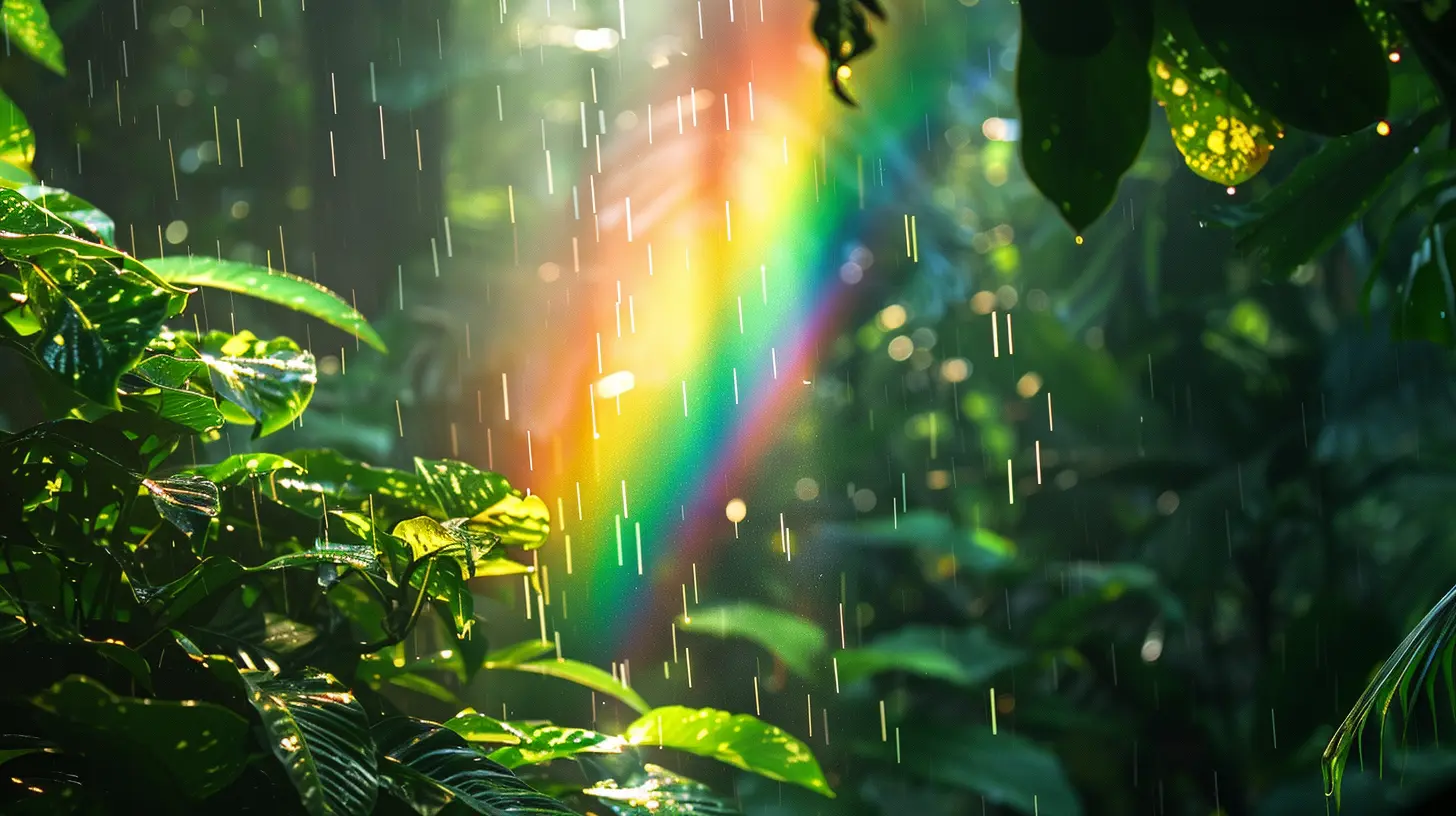
The Climate of Rainforests: Wet, Hot, and Humid
Rainforests are often described as having a "tropical" climate. While that might seem like a fancy way to say "wet and sweaty," it’s more intricate than that. The rainforest climate is hot, averaging between 68–93°F (20–34°C) throughout the year. But it’s not only about the heat – it’s the combination of high temperatures and intense humidity that creates the characteristic sauna-like atmosphere.Rainfall: A Symphony of Showers
This brings us to the prominent feature of the rainforest: rain. Whether it’s a light drizzle or a torrential downpour, rain showers in the rainforest are part of an ongoing, vital cycle that supports the entire ecosystem.1. The Dry and The Wet Seasons
The rainfall in rainforests is not equally distributed throughout the year. Even though the term "rainforest" suggests constant rain, these magical forests experience distinct wet and dry periods. The "wet season" is when heavy, almost daily rains dominate. In contrast, the "dry season" sees a dip in precipitation, though it’s never fully dry like a desert.One of the most fascinating aspects is how rain doesn’t always fall evenly. Sometimes, parts of a rainforest will experience flash flooding, while nearby areas might remain bone dry for the day. If you love unpredictability, rainforest weather is perfect for keeping you on your toes!
2. How The Rain Forms
So, how does this rain form? Think of the rainforest canopy as nature’s own humidifier. The thick layers of vegetation draw up vast amounts of water from the soil through their roots. This water is then "transpired" from the leaves into the air as vapor. The intense tropical heat causes this vapor to shoot skyward, where it cools, condenses, and forms clouds. Eventually, these clouds become saturated, and voila – rain happens! It’s an ongoing cycle that replenishes the entire forest.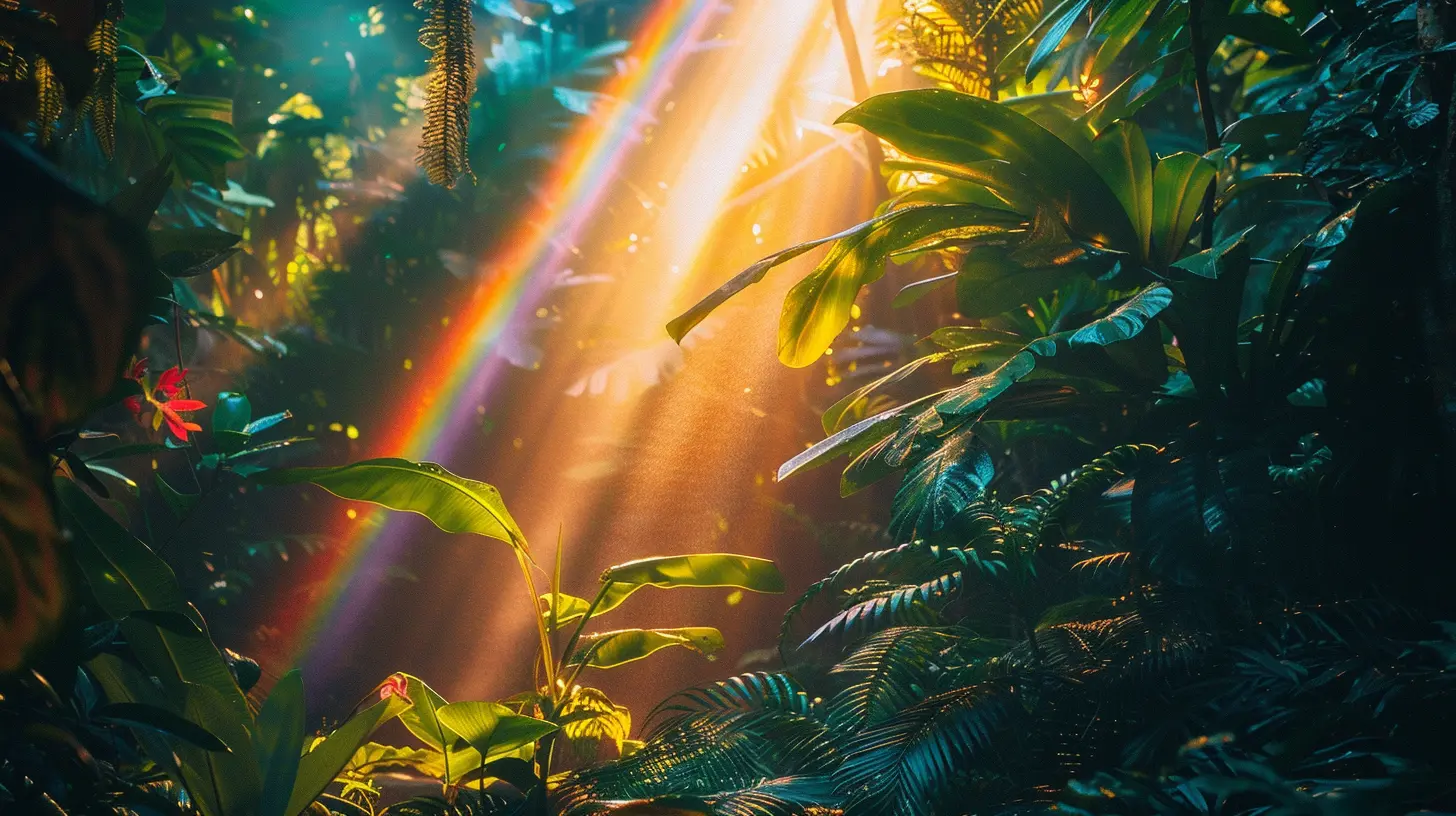
The Role of Rain in the Rainforest’s Biodiversity
The rain doesn’t just fall, wash away, and disappear. Every single drop plays a role in sustaining the biodiversity of rainforests. In fact, you could say that rain is the lifeblood of these vibrant ecosystems.Floods? Oh Yes – But It’s a Good Thing!
Now, floods might sound like a disaster waiting to happen, but in the rainforest, periodic flooding helps nurture the region's abundant plant growth. The floodwaters help spread nutrients throughout the forests, feeding the trees and plants, ensuring they stay lush and green. Imagine the Amazon without its notorious river overflows – it wouldn’t be the mighty rainforest it is today!Give it Up for the Canopy!
The dense layers of leaves and branches—called the canopy—act as a shield, absorbing much of the rainfall before it hits the forest floor. Canopies are critical because they provide shelter to many animals like monkeys, birds, and insects. Even humans, like indigenous tribes, benefit from the natural roof-like overhead structure during the relentless rainstorms.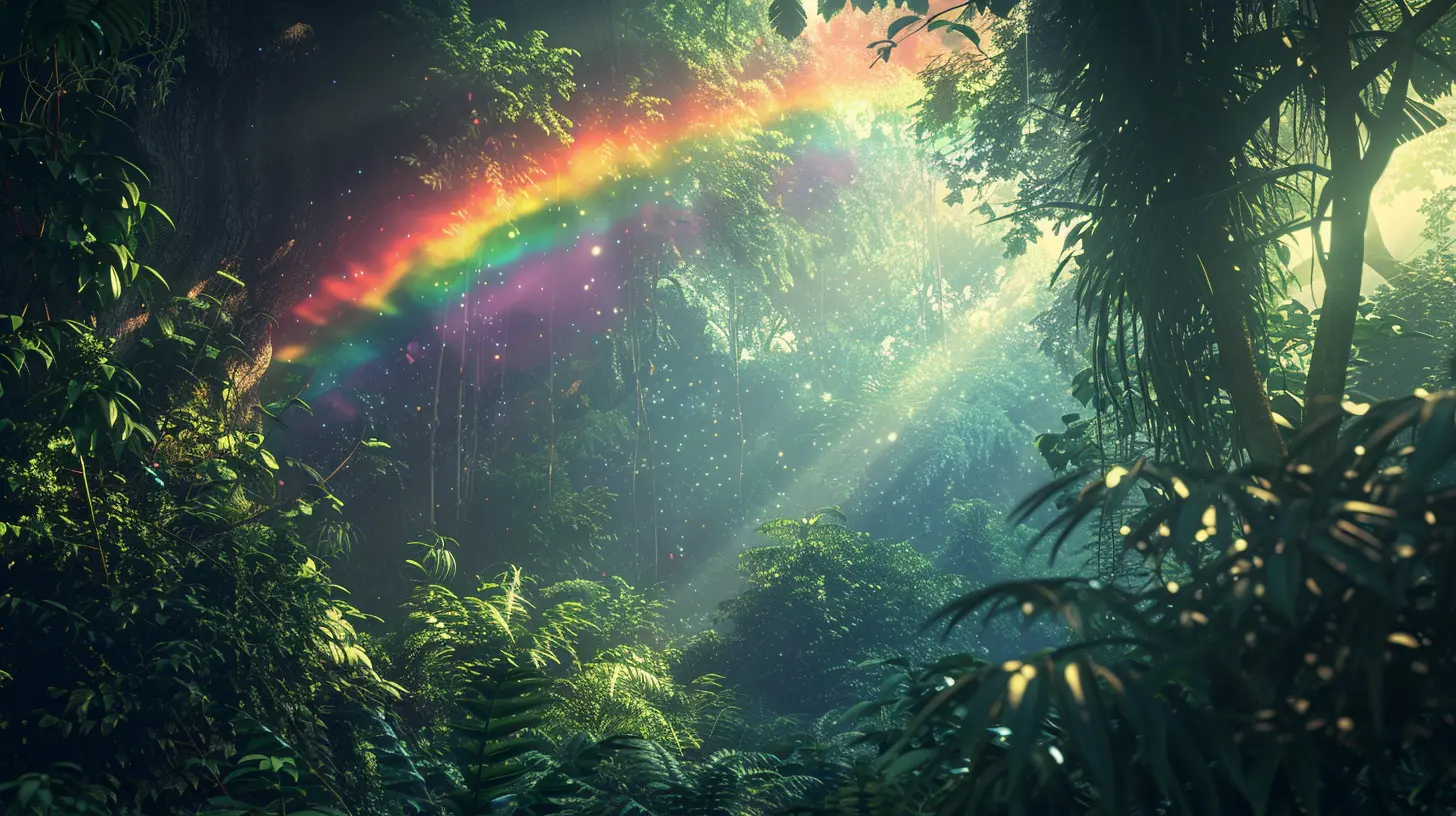
The Temperature Dance: Why You Won’t Need a Sweater
Now let’s talk temperature. If you’re tired of unpredictable cold snaps, congratulations! You’ve found your perfect home in the rainforest, where the temperature stays consistently warm, rarely dropping below 68°F, and often hovering around the 80s or low 90s.Day versus Night
While daytime can get steamy, the nights offer some relief. As soon as the sun goes down, the temperature tends to cool, but only just a little. Think "warm evening breeze" rather than "chilly night air." That said, the balance created between the scorching daytime heat and cooler nights ensures that the rainforest doesn't turn into an unbearable furnace.The consistency of this warm weather is vital for the diverse flora and fauna. Many animals, particularly reptiles like snakes and frogs, depend on stable, warm temperatures to regulate their metabolism. Plants, too, have evolved in this steady climate, thriving in the absence of cold snaps or frost.
The Magic of Rainforest Wonders
Alright, let’s shift gears and explore the wonders closely linked to this unique weather. From awe-inspiring wildlife to environmental benefits, it’s no wonder the rainforest is one of nature’s greatest gifts.1. Wildlife: Mother Nature’s Paradise
Rainforests host an outrageous variety of wildlife—like seriously, it's INSANE. Picture sloths hanging around in slow motion, jaguars stealthily patrolling the jungle floor, and macaws painting the sky with their vibrant feathers. The humid and consistent warm environment creates the perfect habitat for these creatures.
Whether you're fascinated by primates swinging from tree to tree, exotic birds filling the skies, or venomous snakes slithering in bushes, a rainforest trip offers a feast for your eyes. It’s made possible by the climate that allows plants to grow year-round, providing a continuous food supply.
2. Plants: Nature’s Medicine Cabinet
With all this rain and the sun making frequent appearances to photosynthesize the heck out of them, plants grow rapidly and massively in rainforests. Because of this unique growing environment, many of these plants can’t be found anywhere else in the world. Fun fact: over 25% of modern medicines come from rainforest plants, including treatments for cancer and heart diseases!
As you walk through the jungle, you'll encounter more than just trees. There are orchids, ferns, and other epiphytes lining every surface, making the jungle look like it's alive and breathing. These plants don't just look pretty – they’re the backbone of the ecosystem, cleaning the air and feeding the animals.
The Wonders of Rainbows and Mists: Nature’s Light Show
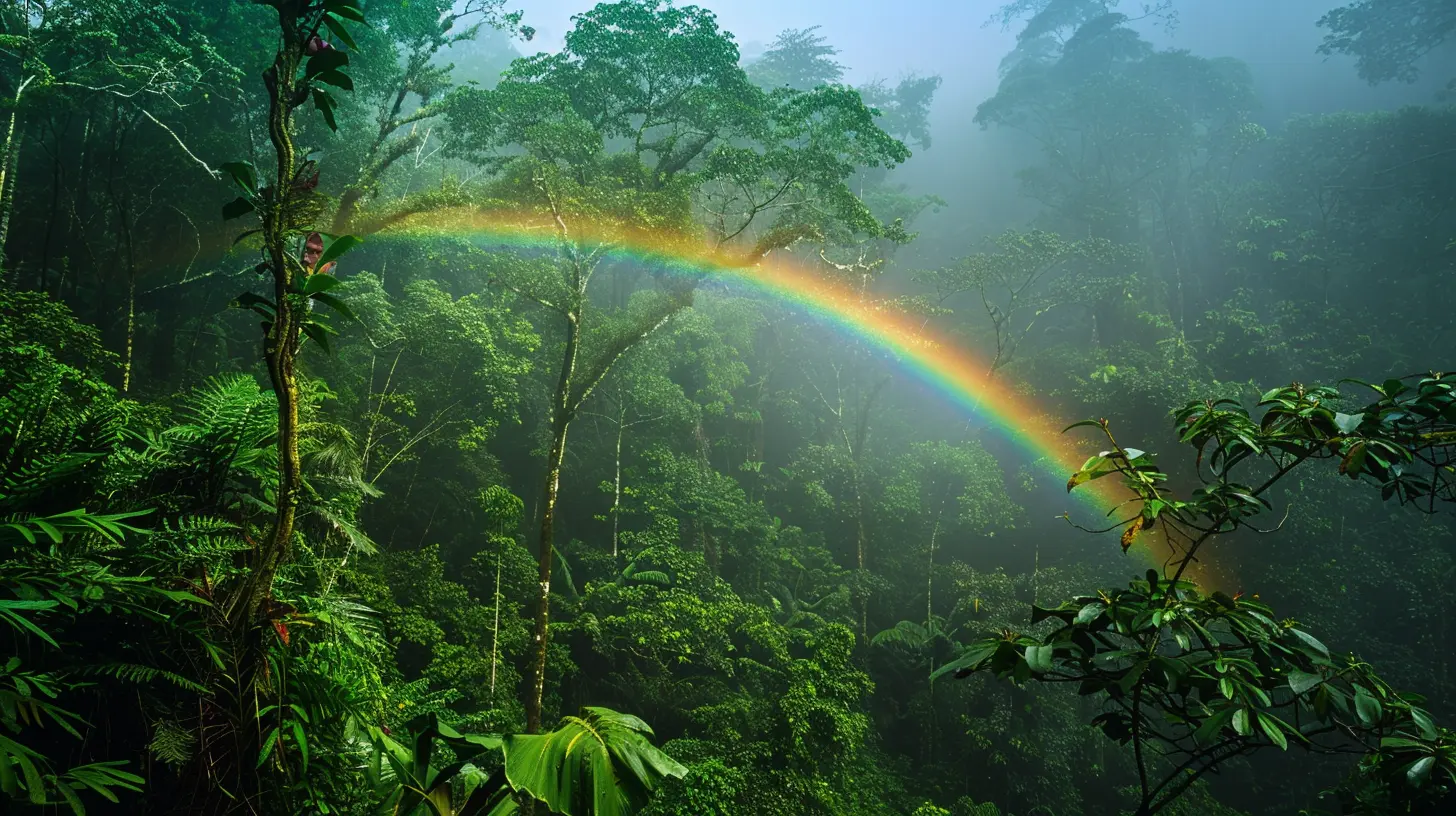
One of the most enchanting moments in a rainforest is witnessing a rainbow. After a heavy rain shower, the sun's rays break through the canopy, creating dazzling rainbows across the misty landscape. You see, rainbows are the result of light interacting with water droplets in the air. In a place as humid as the rainforest, this light show is a regular gift!Beyond rainbows, mist and fog often hover over the forest, creating that dreamy, mystical atmosphere we associate with rainforests. As the mist creeps in at dawn or after the rain, it feels like you’ve literally stepped into a storybook fantasy.
Why Rainforest Weather Matters to the Global Climate
Rainforests don’t just matter to the local ecosystem—they have a global impact. Here's the cool part: rainforests act as Earth’s lungs. They absorb carbon dioxide and release oxygen, helping regulate global temperatures. This process helps combat climate change and stabilizes global weather systems.When we lose rainforests due to deforestation, we lose not just ecosystems but also a natural defense against global warming. That’s why preserving these lush green giants is a priority for environmentalists worldwide.
Fascinating Animal Adaptations: How Rainforest Creatures Adapt to The Weather
Life in the rainforest isn’t always easy, but wildlife has figured some ingenious ways to thrive despite the weather.1. Tree Frogs & Moisture-Lovers
Some animals, like the famous poison dart frogs, have adapted to the constant moisture. Their skin stays moist because they live in humid conditions, which help them stay healthy and absorb oxygen directly through their skin.2. Toucans & Beaks
Toucans have massive, colorful bills not just for show. These distinct beaks help regulate the bird’s temperature in the sweltering heat by releasing excess body heat.3. Jaguars & Stealth
Jaguars, on the other hand, take advantage of the heavy rains to enhance their stealth. The sound of rainfall masks their movements, making it easier to sneak up on unsuspecting prey.Conclusion: Why the Rainforest is a World of Wonder, Shaped by Weather
So, there you have it. Rainforests are not just defined by their dense vegetation or exotic wildlife—they’re shaped and nurtured by the unique and sometimes unpredictable weather. From torrential downpours that feed an entire ecosystem to the sun-dappled rainbows that dance in the mist, the weather in a rainforest is far more than just "rainy." It's the heartbeat of the forest itself, keeping everything alive, vibrant, and interconnected in one mind-blowing ecosystem. If you ever have the chance to visit, make sure you bring a raincoat and an open mind – because you’ll be chasing rainbows in more ways than one!all images in this post were generated using AI tools
Category:
Rainforest ToursAuthor:

Claire Franklin
Discussion
rate this article
2 comments
Jet Rhodes
Exploring rainforest weather reveals stunning biodiversity and vibrant ecosystems; a must-see for adventurers!
April 9, 2026 at 4:34 AM
Claire Franklin
I'm glad you enjoyed the article! The rainforest truly is a treasure trove of biodiversity and adventure. 🌿🌈
Craig McFarlane
Chasing rainbows in the rainforest? Just remember: every pot of gold is guarded by a cheeky sloth! Don’t be surprised if the only treasure you find is a soggy sandwich and a newfound respect for waterproof gear. But hey, who doesn’t love a vibrant splash of color amidst the greenery?" 🌈🌧️
March 9, 2026 at 4:34 AM
Claire Franklin
Absolutely! The rainforest has its own treasures, and sometimes they come with a side of humor. Cheers to the unexpected finds and those colorful moments!