Coffee and Chocolate: Exploring Rainforest Plantations
20 June 2026
Have you ever wondered where your morning cup of coffee or that delicious piece of chocolate comes from? These everyday indulgences have fascinating origins deep within lush, tropical rainforests. Coffee and cacao are grown in some of the world’s most biodiverse regions, offering not only tantalizing flavors but also an opportunity to experience sustainability, tradition, and the hard work behind every sip and bite.
If you love coffee, chocolate, or both, visiting a rainforest plantation is an unforgettable experience. Let’s take a journey through the heart of coffee and cacao production, where rich aromas fill the air, the leaves are a shade of emerald green, and the flavors are as deep as the forests themselves.

The Heart of Tropical Delights: Coffee and Cacao Plantations
A Glimpse into Rainforest Plantations
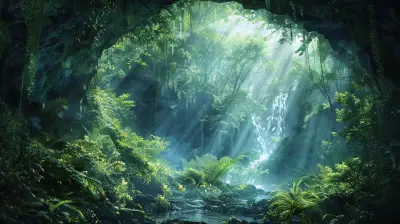
Coffee and cacao thrive in the warm, humid climates of rainforests, particularly in regions like Central and South America, Africa, and Southeast Asia. These plants require a delicate balance of sunlight, rainfall, and nutrient-rich soil, making rainforests the perfect environment for their cultivation.Walking through a plantation is like stepping into a different world—towering trees provide shade for the crops, birds sing in the background, and the air carries the earthy scent of damp soil and ripening beans. Whether you’re holding a coffee cherry in your palm or cracking open a cacao pod, the feeling of connection to nature is profound.
Coffee Plantations: From Bean to Brew
The Life of a Coffee Bean
Coffee beans start their journey as cherries growing on trees. These cherries ripen over several months, turning from green to bright red when they’re ready for harvest. Unlike mass production methods that use machines, many rainforest plantations still rely on hand-picking, ensuring only the ripest cherries are selected.After harvesting, the beans go through several processes:
1. Processing – The outer pulp is removed, revealing the raw coffee bean.
2. Fermentation – Beans are soaked to remove the mucilage, which affects the coffee's flavor profile.
3. Drying – Beans are dried under the sun to prepare for roasting.
4. Roasting – This is where the magic happens! Roasting transforms green coffee into the aromatic brown beans we recognize, unlocking flavors ranging from nutty and sweet to bold and smoky.
Flavors of the Rainforest
The taste of coffee varies depending on where it's grown. Coffee from a rainforest plantation often has complex flavors influenced by the soil, altitude, and local climate. Some beans have fruity notes, while others deliver a deep, chocolatey richness.When visiting a plantation, you can sample different brews and even learn how roasting techniques impact flavor. Ever tasted a coffee with hints of blackberry or caramel? That’s the rainforest working its magic!
Cacao Plantations: Where Chocolate Begins
From Pod to Bar
Chocolate starts as humble cacao pods hanging from trees. These pods contain cacao beans, which are harvested, fermented, and dried before they can be turned into chocolate.The process of making chocolate includes:
1. Harvesting – Farmers cut ripe cacao pods from trees by hand.
2. Fermenting – The beans are left to ferment for several days, a crucial step in developing chocolate's recognizable flavor.
3. Drying – Similar to coffee, the beans are sun-dried, reducing moisture and enhancing flavor.
4. Roasting & Grinding – Once dried, the beans are roasted and ground into a thick paste called chocolate liquor, which is the base for chocolate products.
A Taste of Authentic Chocolate
Most of the world’s chocolate is made from mass-produced cacao, but tasting chocolate made directly at a rainforest plantation is a game-changer. It’s rich, less processed, and bursting with complex flavors—sometimes fruity, sometimes nutty, but always deeply satisfying.If you ever get to visit a cacao farm, don’t miss the chance to taste raw cacao beans. They’re slightly bitter but packed with antioxidants and a pure, earthy taste. It’s like tasting chocolate in its most natural form!

Sustainable Farming: Protecting Rainforests and Communities
The Challenges of Coffee and Cacao Farming
While coffee and chocolate are beloved worldwide, their production comes with challenges. Many plantations face issues with deforestation, climate change, and unfair wages for farmers. Traditional farming methods often involve clearing land, which hurts biodiversity and puts wildlife at risk.Shade-Grown Coffee & Ethical Cacao
Thankfully, many farmers are shifting to sustainable practices, such as shade-grown coffee and ethical cacao farming. Shade-grown coffee, for example, is grown under a canopy of native trees, preserving the rainforest ecosystem while producing high-quality beans. Similarly, ethical cacao farms prioritize fair wages, organic farming, and biodiversity conservation.When you buy coffee or chocolate labeled as Fair Trade or Rainforest Alliance Certified, you’re supporting farmers who respect both the environment and their workers. Every purchase makes a difference!

Why You Should Visit a Coffee or Cacao Plantation
Hands-On Experiences
Visiting a plantation isn’t just about watching—it’s about tasting, touching, and experiencing! Many plantations offer guided tours where you can:- Taste different coffee and chocolate varieties
- Participate in roasting or grinding beans
- Learn about the history and culture of these crops
- Even try your hand at picking coffee cherries or cracking cacao pods!
A Deeper Appreciation
After visiting a plantation, you’ll never look at your morning coffee or favorite chocolate bar the same way again. Understanding the effort behind every bean and pod adds a new level of appreciation. It’s easy to take these luxuries for granted, but knowing the journey from farm to cup (or bar) makes every bite and sip more meaningful.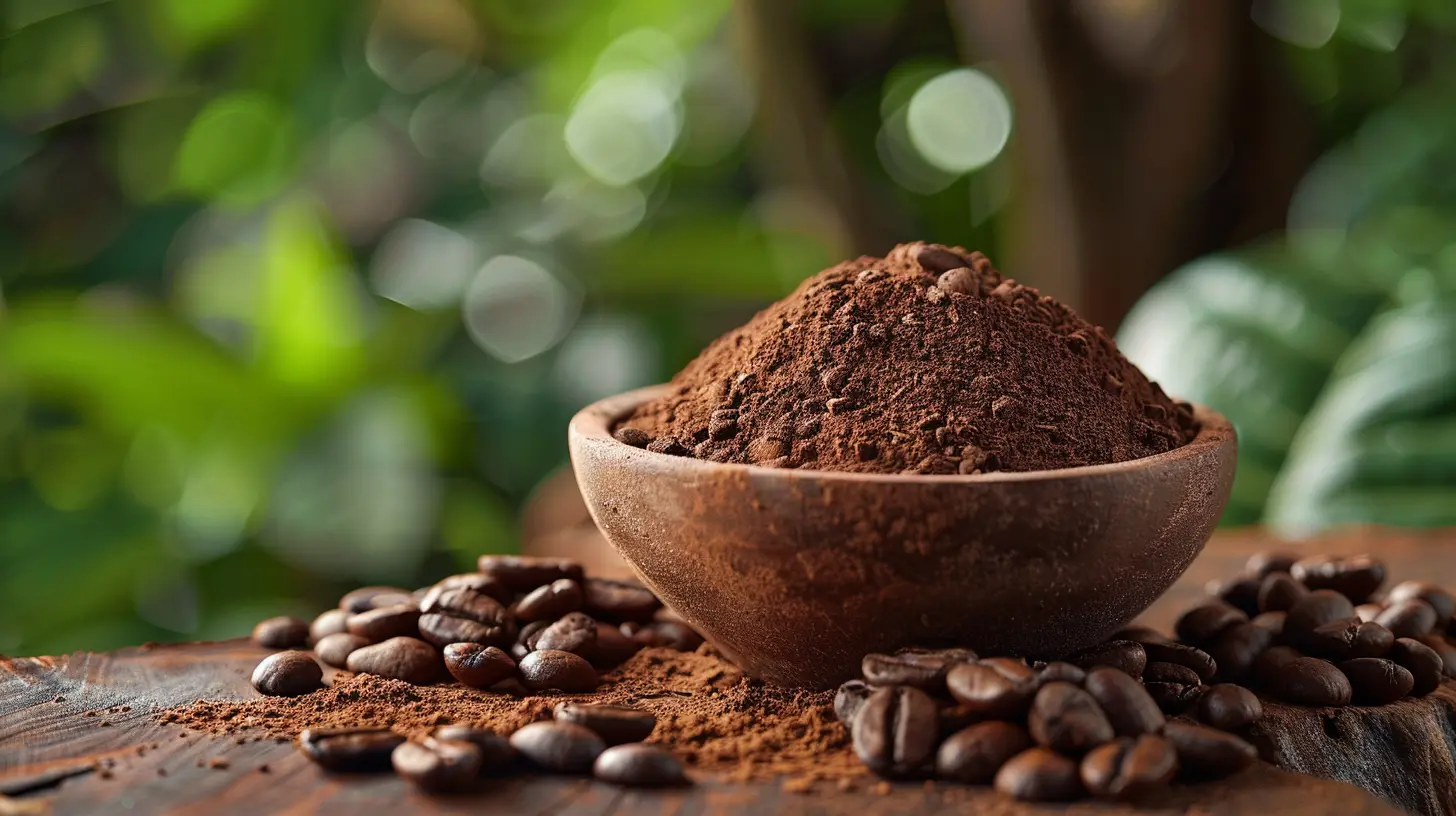
Final Thoughts
Coffee and chocolate aren’t just treats—they’re stories of hard work, tradition, and sustainability. Rainforest plantations are alive with nature’s beauty, and visiting one lets you experience firsthand how these beloved indulgences come to life. Whether you’re a caffeine addict, a chocoholic, or just someone who loves adventure, a trip to a coffee or cacao farm is a must.So next time you enjoy a cup of coffee or a square of chocolate, take a moment to appreciate the rainforest’s role in every delicious moment!
all images in this post were generated using AI tools
Category:
Rainforest ToursAuthor:

Claire Franklin