Eco-Friendly Backpacking: How to Reduce Your Footprint on the Trail
2 June 2026
Backpacking is one of the greatest ways to connect with nature, escape the buzz of city life, and challenge yourself physically and mentally. But let’s face it — even when we're out in the wild, our presence can leave a pretty hefty footprint on the environment if we’re not careful.
If you're anything like me, nature is your happy place. So, shouldn't we all do our part to protect it? Eco-friendly backpacking isn't about perfection — it's about making smarter choices that reduce your impact on the trail. You don’t need to overhaul your whole life or spend a fortune—small changes really do add up.
Let’s dive into how you can be a greener backpacker and leave nothing but footprints (the minimal kind!) behind.
Why Eco-Friendly Backpacking Matters
Before we get into the how-to, let’s quickly chat about the "why."Outdoor trails, forests, mountains, and deserts—these places are like nature’s lungs. They provide clean air, filter water, support biodiversity, and give us a place to unplug. But as more of us hit the trails, our collective impact grows. From litter and erosion to carbon emissions and wildlife disturbances, the effects are real.
So, making eco-conscious choices isn’t just "nice to have"—it’s essential if we want future generations to enjoy these places too. Think of it as being a good guest in someone else’s home. You wouldn’t trash a friend’s living room, right?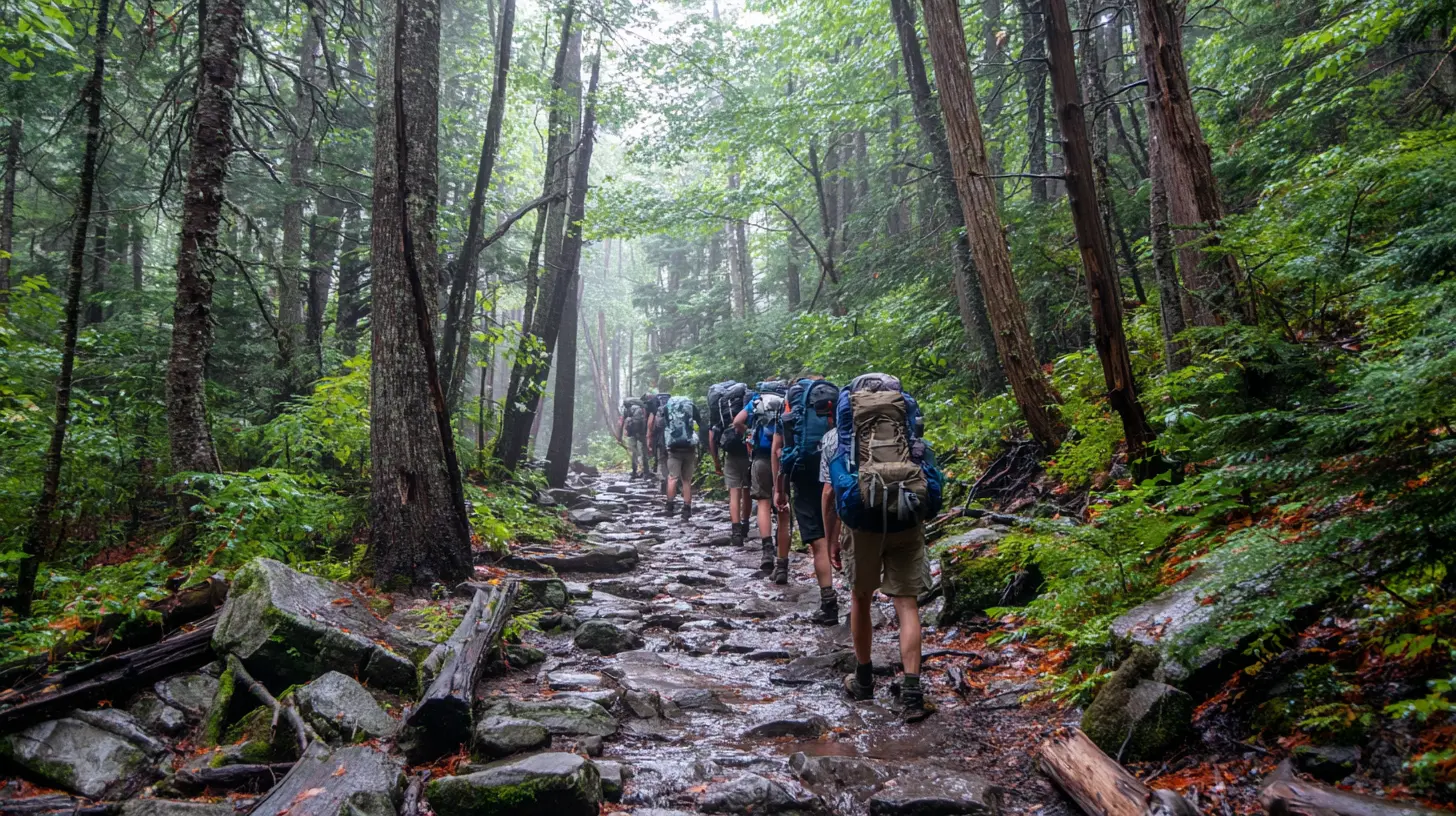
1. Pack Light, Pack Right
Let’s talk gear. You’ve probably heard the phrase “pack light, travel far.” But did you know that packing lighter is also more sustainable?Choose Multi-Use Items
Opt for gear that can serve multiple purposes. A bandana can be a towel, head cover, or pot holder. A spork replaces multiple utensils. The less you carry, the fewer resources are used in producing, shipping, and packing those items — and the less energy you expend lugging them around.Buy Durable, Not Disposable
Invest in high-quality gear that lasts. It might cost more upfront, but it saves money — and the environment — in the long run. Every time you replace a cheap item, you're creating waste and encouraging more production.Borrow or Rent When You Can
Not a frequent backpacker? Renting gear or borrowing from friends is a solid option. It reduces demand for new products and saves some serious cash.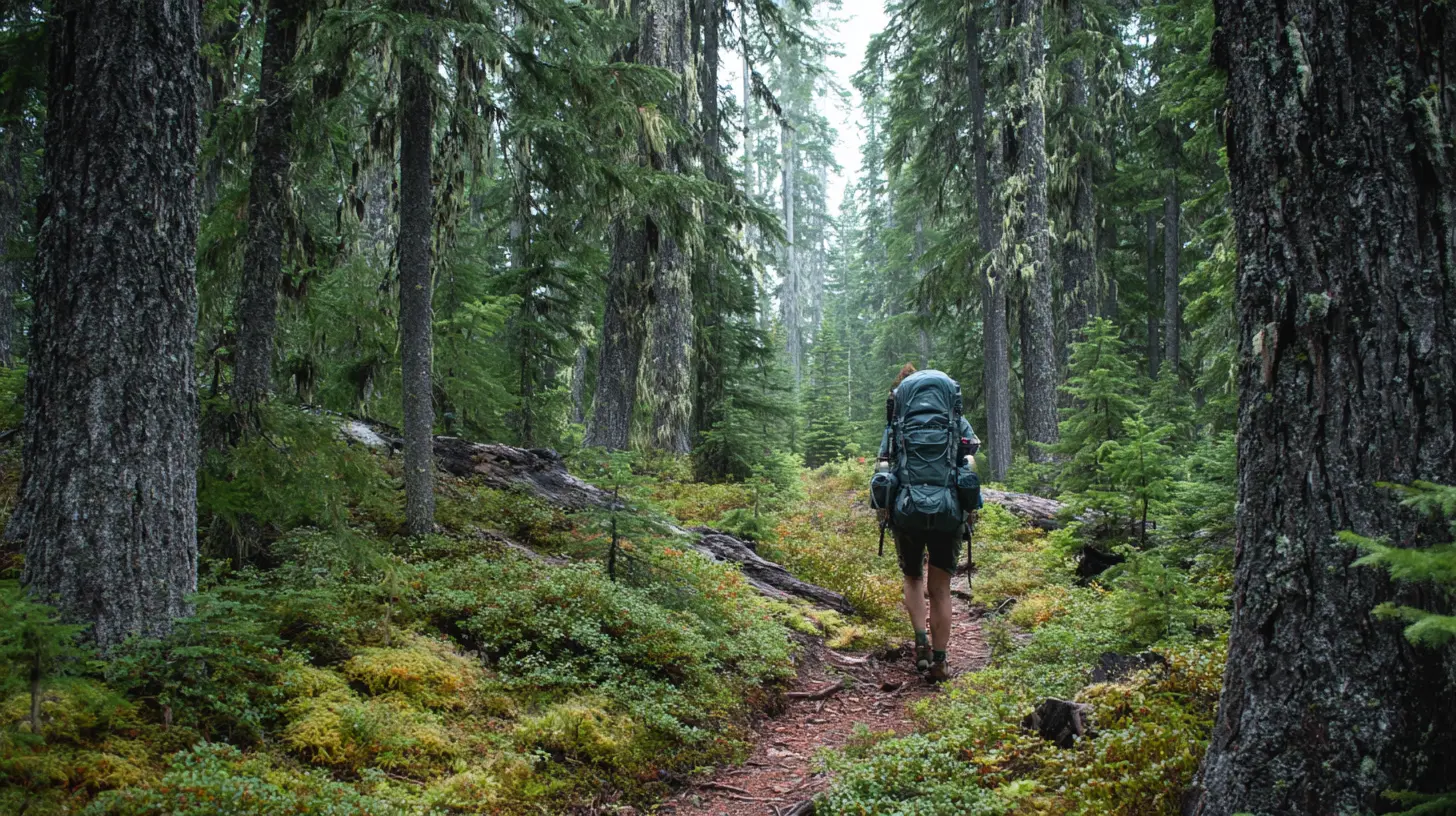
2. Ditch Single-Use Anything
Plastic water bottles, paper towels, and disposable food containers have no place in your pack — or in the wild.Go Reusable
- Water bottles and hydration packs — Nalgene or stainless-steel bottles are perfect.- Food containers — Use silicone bags or lightweight food-grade containers.
- Utensils — Carry a reusable spork or bamboo set.
Filter Your Water
Instead of hauling bottled water, use a water filter or purifier. It saves weight and reduces plastic waste. Filters like Sawyer Mini or SteriPen are compact, lightweight, and trail-tested.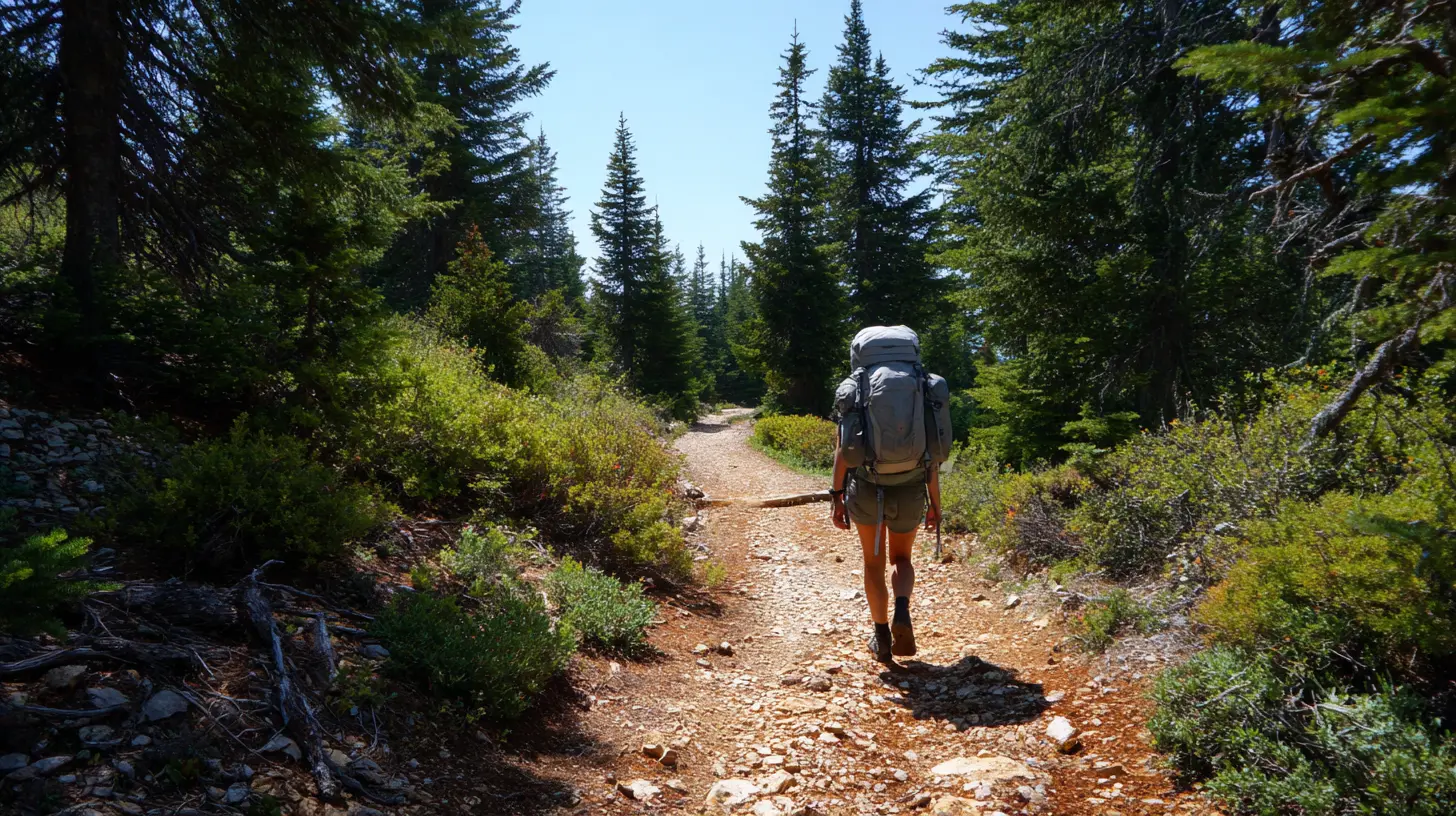
3. Choose Sustainable Food Options
Food fuels the soul on a hike, but your choices matter.Avoid Excess Packaging
Buy in bulk and repack into reusable bags or containers. Freeze-dried meals are super convenient, but many come wrapped in non-recyclable packaging. Try making your own dehydrated meals if you’re feeling adventurous — it's like being your own trail chef!Go Plant-Based (When You Can)
Meat production has a hefty carbon footprint. While you may not want to go full vegan on the trail, even switching out a few meals for plant-based options helps. Think nuts, dried fruits, beans, and plant-based jerky.4. Leave No Trace... Seriously
It's the golden rule of backpacking, and it’s more than just picking up trash.Follow the 7 Leave No Trace Principles
1. Plan Ahead and Prepare2. Travel and Camp on Durable Surfaces
3. Dispose of Waste Properly
4. Leave What You Find
5. Minimize Campfire Impact
6. Respect Wildlife
7. Be Considerate of Other Visitors
These principles aren't just suggestions—they're the foundation of responsible travel. Write them down. Tape them to your gear. Tattoo them on your arm (okay, maybe not that last one).
Pack It In, Pack It Out
Anything you bring with you — including food scraps, toilet paper, or biodegradable soap — should go back with you too. Yes, even the apple core. It might seem harmless, but it can disrupt local wildlife and isn’t native to the environment.5. Eco-Friendly Hygiene on the Trail
Cleanliness doesn’t have to come at nature’s expense.Choose Biodegradable Soap
Use soaps like Dr. Bronner’s, but even then, wash at least 200 feet away from any water source. Soap, even eco-friendly types, can harm aquatic life.DIY Wipes
Skip the disposable wet wipes. Make reusable cloth wipes and carry a sealed bag for storage. Wash and reuse them when you’re home.Menstrual Products
Menstrual cups and reusable pads generate zero waste and are a backpacker’s best friend in terms of space and convenience.6. Campfires: Think Twice Before You Strike a Match
We all love the cozy glow of a campfire, but those flames come at a cost.Use a Camp Stove
Stoves are safer, more efficient, and leave no trace. Most wildfires are human-caused, and many start with improperly managed fires. A stove keeps your environmental footprint (and literal footprint) in check.If You Must Have a Fire…
- Stick to established fire rings.- Use only fallen wood (never break branches).
- Keep it small.
- Fully extinguish before sleeping or leaving.
7. Travel Green to the Trailhead
The journey to your hiking spot can be just as impactful as the hike itself.Carpool or Use Public Transit
Heading out with friends? Share a ride. Better yet, choose trails accessible via bus or train where available.Offset Your Carbon Footprint
Some websites let you calculate the carbon cost of your trip and offset it by donating to environmental projects. It’s not perfect, but it’s better than nothing.8. Support Ethical and Eco-Friendly Brands
Vote with your wallet. Brands that prioritize sustainability in materials, manufacturing, and packaging deserve your support.Look for Certifications
- Bluesign®: Ensures textiles are made with minimal environmental impact- Fair Trade: Supports fair labor practices
- GOTS (Global Organic Textile Standard): For organic fabrics
Pro Tip: Buy Secondhand
Sites like REI Used Gear, Poshmark, and GearTrade offer lightly used items at a discount. It’s sustainable and budget-friendly.9. Respect Wildlife and Natural Habitats
We're visitors. Treat the landscape and its inhabitants with the same respect you’d expect in your home.Don’t Feed the Animals
Even if a curious squirrel or bold bird comes close, feeding them can cause dependency and harm natural behaviors.Observe from a Distance
Use your zoom lens or binoculars. Getting too close can stress animals or even put you in danger.10. Educate and Inspire Others
Being an eco-warrior on the trail doesn’t mean just doing these things yourself—it also means spreading the message.Lead by Example
Whether you're with friends or strangers, let your actions speak. Model good behavior. It’s contagious.Use Social Media for Good
Share tips, highlight sustainable choices, and give shoutouts to eco-conscious brands or destinations. Just don’t geotag sensitive or remote locations to prevent overcrowding.Final Thoughts
Being an eco-friendly backpacker isn’t about being perfect—it’s about being intentional. And if enough of us take small, conscious steps, we create a tidal wave of positive change.Next time you're zipping up your pack, think: Is this the lightest, greenest, most respectful way I can travel today? Chances are, with a little effort, the answer can be yes.
Happy trails — and greener ones, too
all images in this post were generated using AI tools
Category:
BackpackingAuthor:

Claire Franklin