Escape to the Stillness of Japan’s Snow-Capped Temples
17 January 2026
Have you ever found yourself craving peace so deeply that even the sound of your own footsteps feels too loud? If so, Japan’s snow-covered temples might just be your dream escape. Picture this: crisp mountain air, ancient temple roofs blanketed in white, and the quiet hush that only freshly fallen snow can offer.
There’s something magical about winter in Japan. Beyond ski resorts and bustling cities, the country's serene temples offer a soul-soothing experience—especially when veiled in snow. If you're hungry for stillness, a break from the digital clamor, or simply looking for a unique winter destination, keep reading. We’re going on a journey to some of the most tranquil, snow-draped temples Japan has to offer.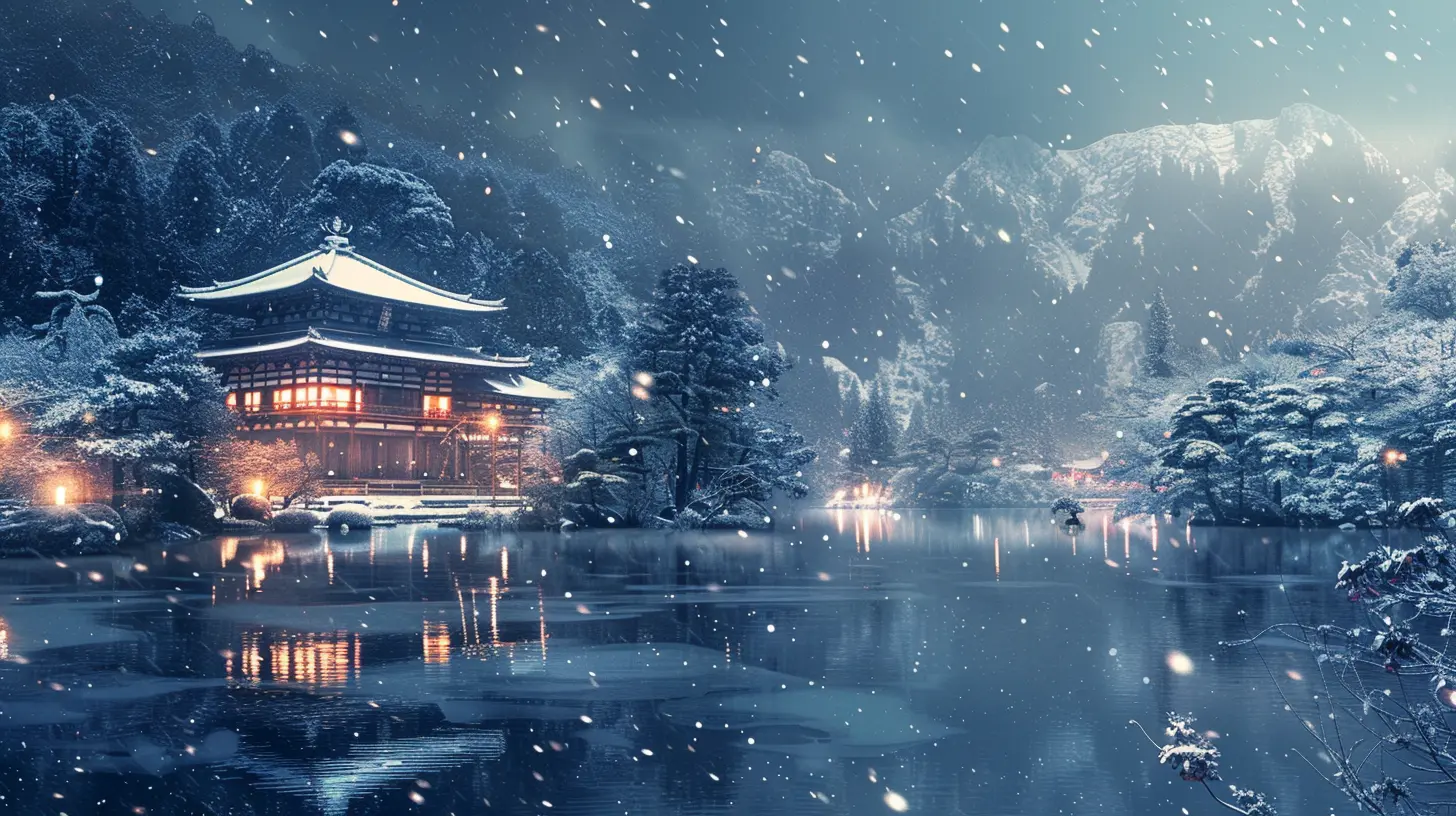
Why Temples in Winter?
You might be wondering, “Why visit a temple in the dead of winter?” Well, winter in Japan transforms the landscape into something truly surreal. The already peaceful ambiance of these sacred spaces becomes even more profound under a thick layer of snow. It’s like someone hit pause on the world.Fewer tourists, muffled soundscapes, and pristine surroundings create an ideal atmosphere for reflection. Plus, let’s be real: there's something utterly hypnotic about watching snowflakes dance through the air and land on centuries-old rooftops.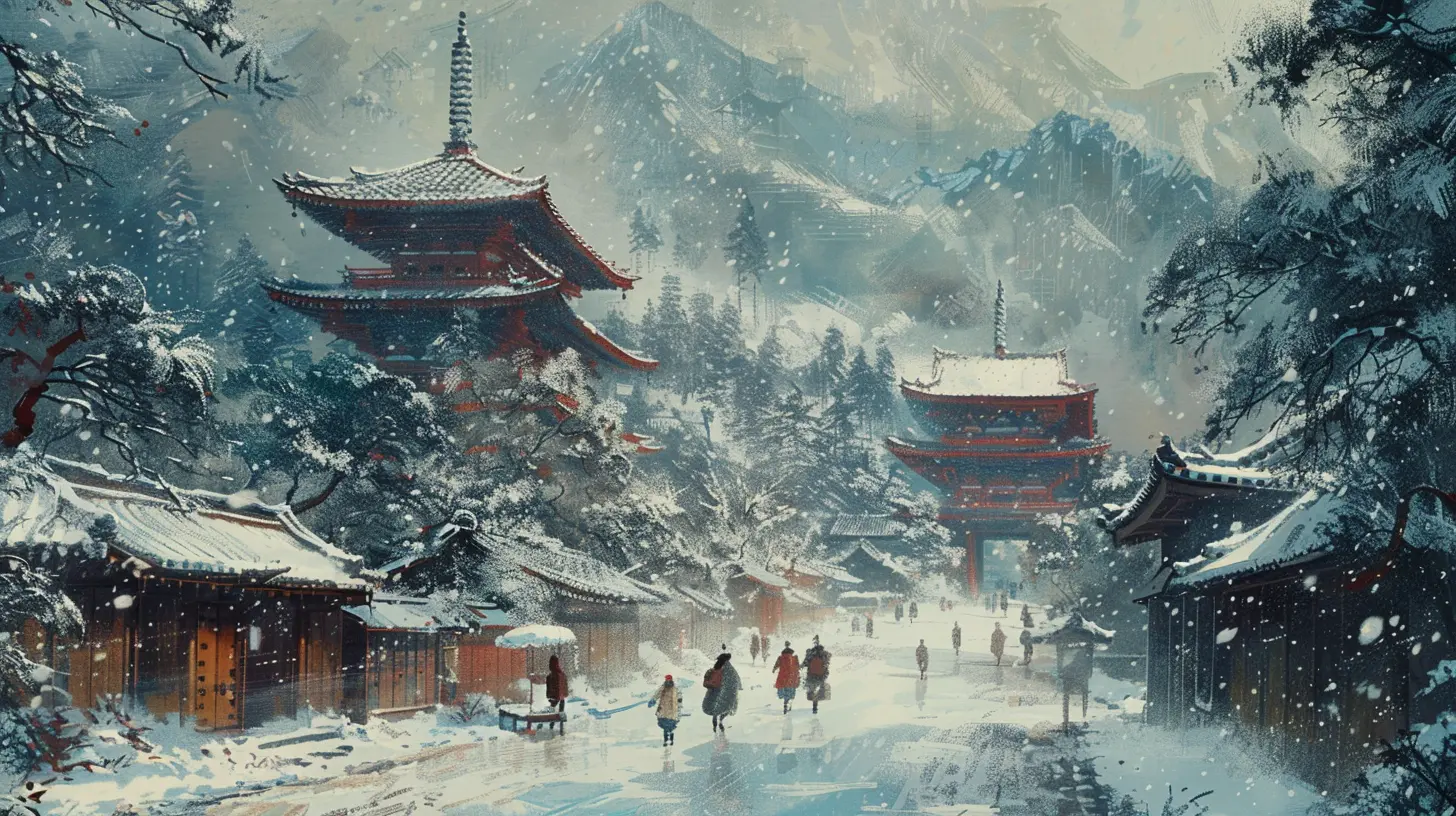
The Cultural Meaning of Snow in Japan
In Japan, snow isn’t just weather—it’s almost poetry. The Japanese word for snow, “yuki,” carries cultural and aesthetic significance. Snow is often associated with purity, impermanence, and quiet beauty in Japanese literature and art. When you visit a temple during a snowy day, you're stepping right into that poetic imagery.Ever heard of Wabi-Sabi? It’s the Japanese philosophy that finds beauty in imperfection and transience. Snow-covered temples are a living, breathing version of this idea. The moment is fleeting, imperfect, and yet—utterly perfect.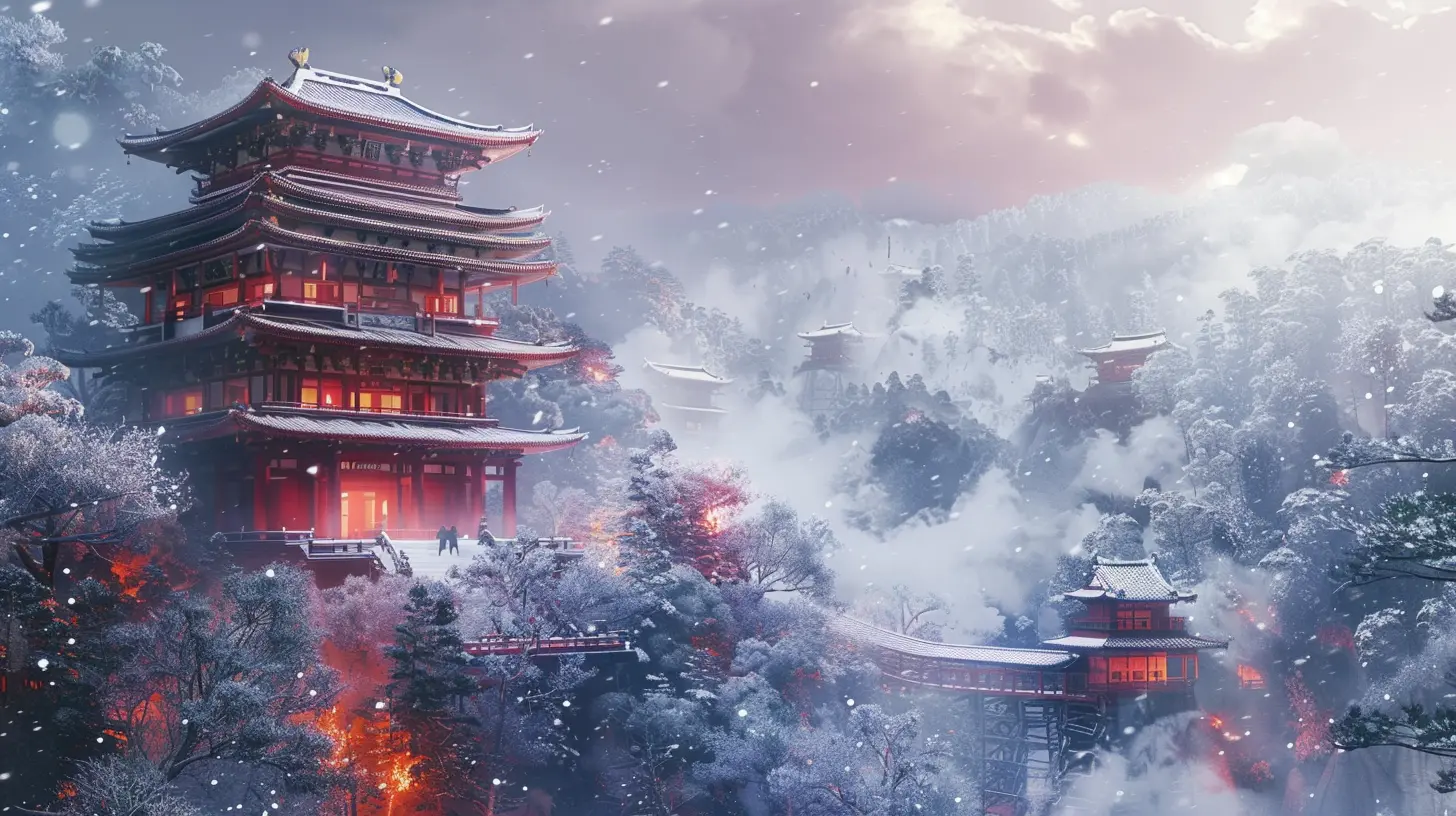
1. Kinkaku-ji (The Golden Pavilion), Kyoto
Imagine a golden temple so perfectly mirrored in a frozen pond it could pass for a painting. That’s Kinkaku-ji in winter. This UNESCO World Heritage Site shines year-round, but when snow touches its gilded surfaces, it’s hard not to gasp.What Makes It Special?
- The contrast between gold leaf and snow is visually striking.- The surrounding pine trees and still waters offer postcard-perfect views.
- Arrive early in the morning for the quietest experience.
Let your camera rest for a bit and just stand there. Breathe in that cold, pine-scented air and soak up the silence.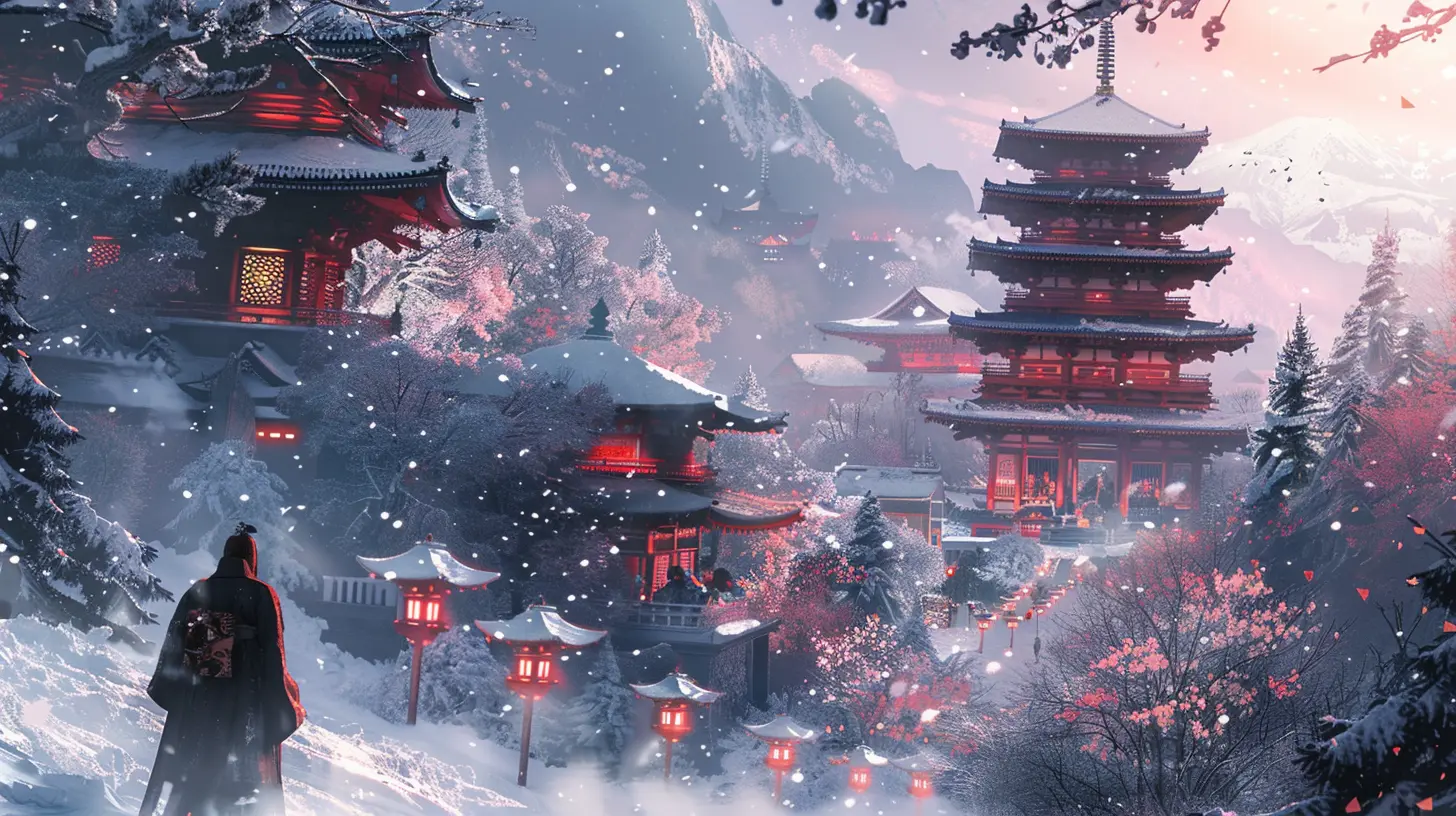
2. Eihei-ji Temple, Fukui Prefecture
You probably haven’t heard of Eihei-ji, and that’s exactly the point. Tucked away in the snowy mountains of Fukui, Eihei-ji is a Zen Buddhist monastery that was founded in 1244. This isn't just a quick-stop tourist site—monks still live and train here.Why It Belongs on Your Bucket List
- You can actually stay overnight and experience morning meditation (yes, even at 4 AM).- The temple complex is massive, with beautiful wooden walkways that look dreamy under snow.
- Visiting here feels less like sightseeing, more like soul-searching.
There’s a deep satisfaction in walking these quiet halls with just the crunch of snow underfoot and the occasional sound of a temple bell echoing through the forest.
3. Yamadera Temple, Yamagata Prefecture
Up for a bit of a climb? Yamadera (literally “Mountain Temple”) sits halfway up a steep mountainside. Over 1,000 steps lead you to the top—but in winter, that journey becomes something borderline spiritual.The Experience
- Snow piles on the red-wood stairs as you ascend, each breath fogging in the chilly air.- You'll pass small Jizo statues capped with white domes of snow.
- At the top? A panoramic view of the snow-blanketed valley below.
There’s something poetic about earning this view one careful step at a time. Like life—you climb, you slip, you breathe, you keep going.
4. Zenko-ji Temple, Nagano
Nagano is famous for its snow monkeys, but don’t skip Zenko-ji Temple while you're in the area. Founded in the 7th century, Zenko-ji is one of Japan’s most important temples and home to the country’s first Buddhist statue.What’s the Vibe?
- The massive main hall looks ethereal under snowfall.- The temple’s dark wood architecture contrasts beautifully with the white surroundings.
- There are plenty of small teahouses nearby where you can warm up with matcha and traditional sweets.
You’ll leave with your toes a bit frozen but your spirit completely thawed.
5. Koyasan, Wakayama Prefecture
Koyasan is a whole mountaintop town filled with temples. In winter, it turns into a snow-globe version of itself. Staying overnight at one of the temple lodgings (shukubo) is a must.Why Koyasan in Winter?
- The Okunoin cemetery lit by lanterns looks hauntingly beautiful under snow.- Morning meditation and vegetarian monk meals offer a full-on spiritual retreat.
- Walking through misty forests with snow underfoot feels like stepping into a fairytale.
If the goal is stillness, Koyasan is your sanctuary.
Practical Tips for Visiting Snow-Covered Temples
So, you’re sold. You're ready to escape to stillness and zen-out in Japan’s snow-laced spiritual havens. But before you throw on your coat and head out, let’s get a few travel tips out of the way.Dress Smart
Layers are your best friend. Start with thermals, throw on a warm fleece, a waterproof outer layer, and don’t forget a hat and gloves. Trust me, temple stairs + frozen snow = slippery.Footwear
Wear waterproof boots with good grip. Temples can get icy, and you'll likely be walking a lot on uneven surfaces.Timing
Late January through early March is usually your best window for snow in most temple regions. Try going early morning or late afternoon for fewer crowds and dramatic lighting.Be Respectful
Some of these temples are active religious sites. Be quiet, remove your shoes where required, and follow any posted guidelines.What You’ll Walk Away With
Sure, you’ll get incredible photos, but what you’ll really take home from visiting these snowy temples is a quieter mind. There’s a kind of peace that seeps into your bones when you're surrounded by ancient walls, snowflakes drifting silently, and the smell of incense in the air.In a world that never stops talking, snow-covered temples in Japan give you the rare gift of silence. Not the empty kind, but the full, comforting kind—the kind that lets you hear your own thoughts clearly again.
So, next time life gets too loud, consider this your invitation. Pack that scarf and your favorite thermos, and let Japan's winter temples wrap you in stillness.
Final Thoughts
Everyone talks about cherry blossoms and torii gates, and sure, those are lovely. But winter in Japan? It’s pure poetry. If you’re after something more than Instagram shots—if you’re searching for something within—then let the snow guide you to these sacred spaces.Because sometimes, the quietest places speak the loudest.
all images in this post were generated using AI tools
Category:
Winter DestinationsAuthor:

Claire Franklin
Discussion
rate this article
2 comments
Amelia Castillo
Ah yes, nothing screams 'excitement' like meditating in the freezing cold! Who needs tropical beaches when you can enjoy the chill of a zen snowstorm?
February 14, 2026 at 4:41 AM
Claire Franklin
True! There's a unique serenity in the cold that can be just as rejuvenating as a sunny beach. Each experience offers its own form of peace.
Desiree McEachern
What a beautifully written piece! Your vivid descriptions of Japan's serene temples in winter truly capture the magic of this tranquil escape. Looking forward to visiting these breathtaking sites!
January 24, 2026 at 3:35 AM
Claire Franklin
Thank you so much for your kind words! I'm thrilled that my descriptions resonated with you. Enjoy your visit to Japan's serene temples!