Experience the Joy of Holi Festival in 2026
30 April 2026
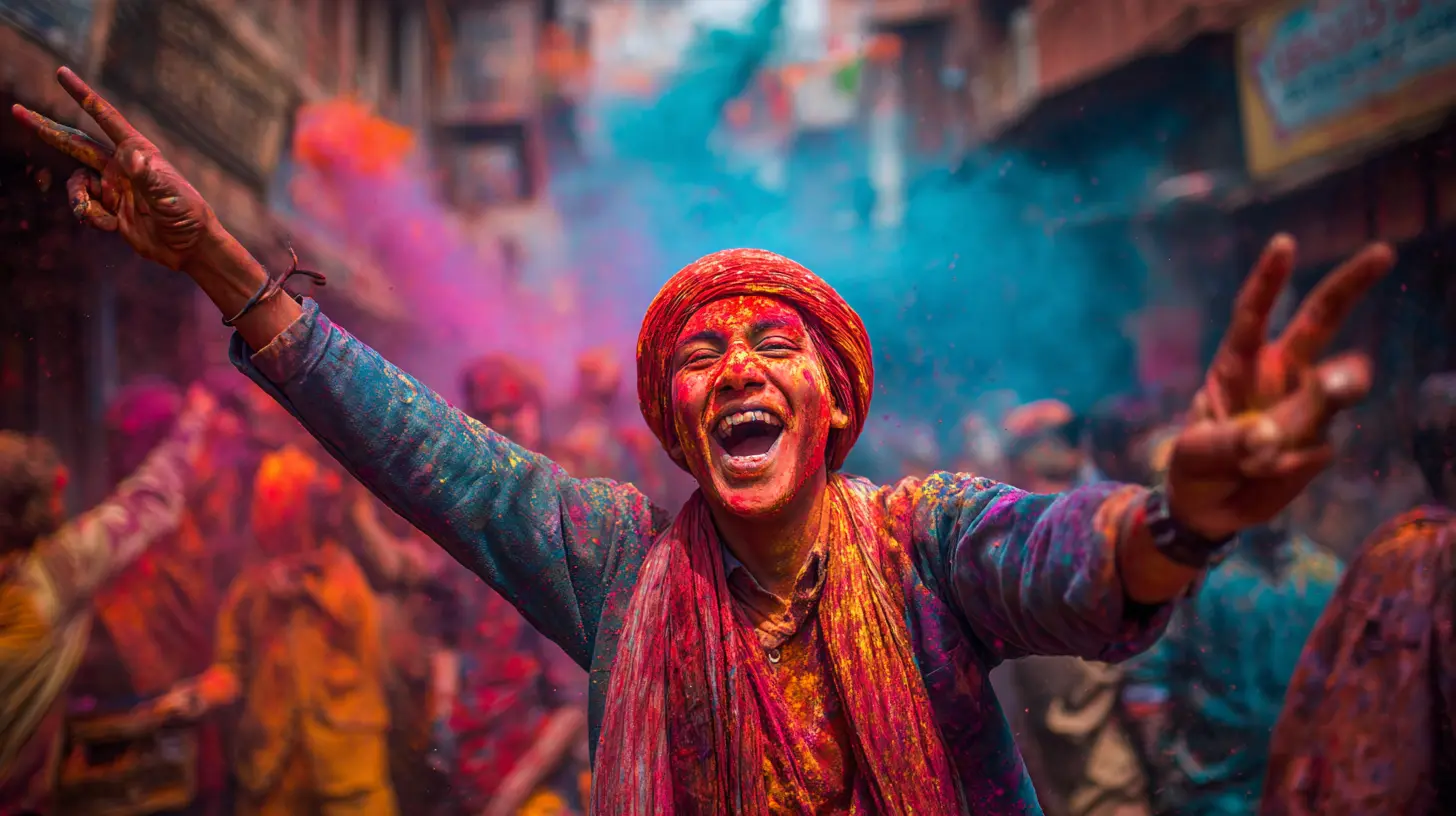
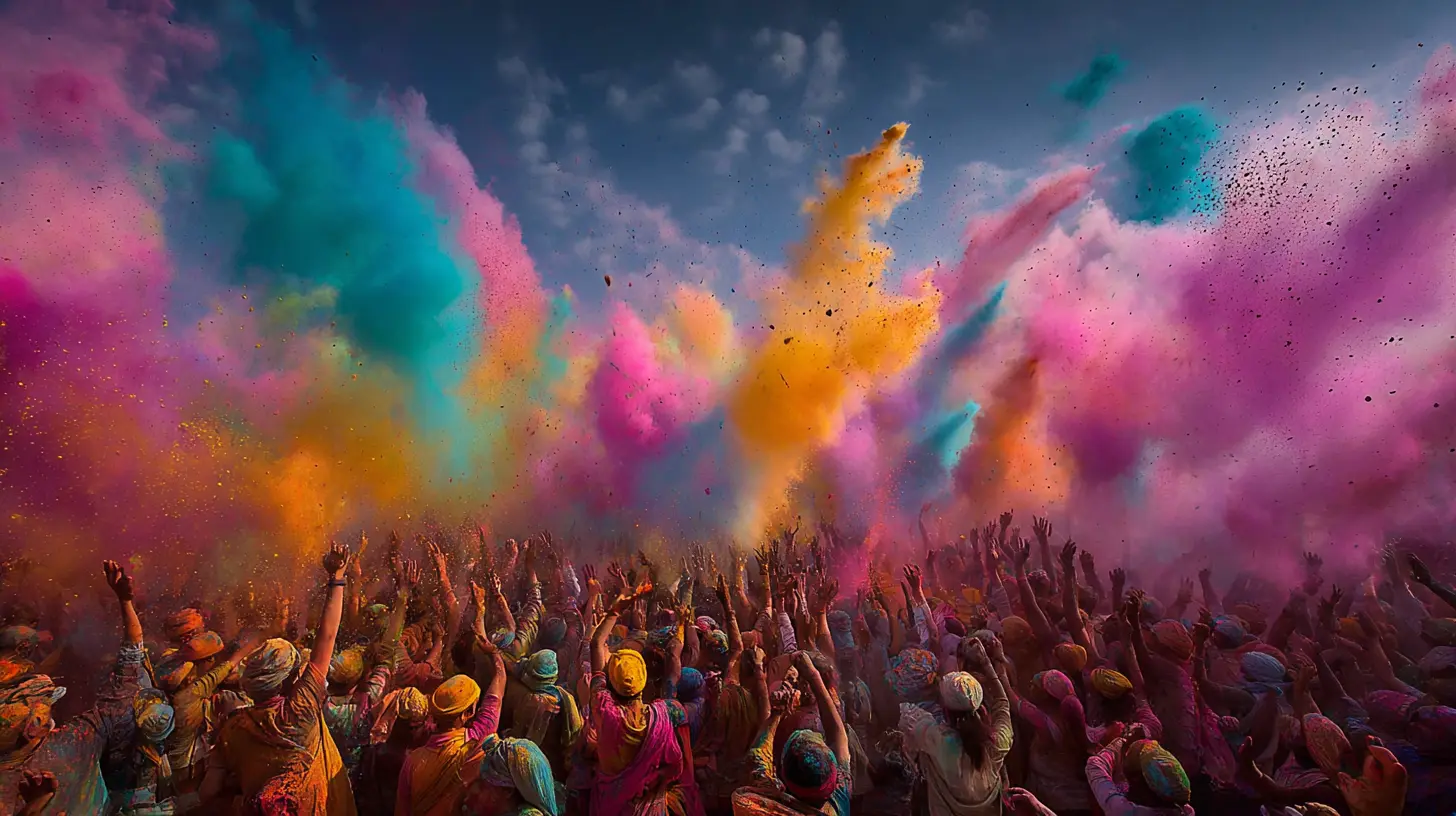
Picture this: you’re standing in a narrow, winding street in northern India. The air smells of sweet gulab jamun and smoky bhang. Suddenly, a puff of vivid pink powder explodes against your shirt. A stranger—now a friend—grins, smears a streak of blue on your cheek, and shouts, “Bura na maano, Holi hai!” (Don’t mind, it’s Holi!). You laugh, grab a fistful of yellow, and return the favor. For a few hours, age, status, and language dissolve into a rainbow riot. That, my friend, is Holi—and in 2026, it’s calling your name.
Holi isn’t just a festival; it’s a full-body, heart-pounding, color-drenched experience. It’s the one day a year where the world turns upside down, and everyone is welcome to the party. If you’ve ever dreamed of celebrating like a local, getting messy, and feeling pure, unfiltered joy, 2026 is your year. Let me walk you through why this ancient festival still matters, how to prepare, and where to catch the most unforgettable celebrations.
Why Holi in 2026 Will Be Extra Special
You might be wondering: Why 2026? What’s so different about this year? Well, for starters, the date—March 4th—falls on a Wednesday, which means the festivities spill into the weekend. In India, that’s a golden ticket for extended celebrations. But more importantly, 2026 marks a post-pandemic world that’s fully reconnected. Travel is back with a vengeance, and Holi is the ultimate icebreaker.Think of Holi as the world’s largest, messiest, most inclusive block party. It’s a festival that doesn’t discriminate—rich or poor, young or old, tourist or local, everyone gets drenched in color. And in 2026, the global community is hungry for that kind of raw, human connection. After years of distance, we’re craving shared smiles, spontaneous hugs, and the simple joy of smearing a stranger’s face with magenta. Holi delivers that in spades.
Plus, the travel industry has adapted. In 2026, you’ll find specialized Holi tours, eco-friendly color powders, and even virtual options for those who can’t travel. But trust me—nothing beats being there in the flesh.
The Heart of Holi: More Than Just Colors
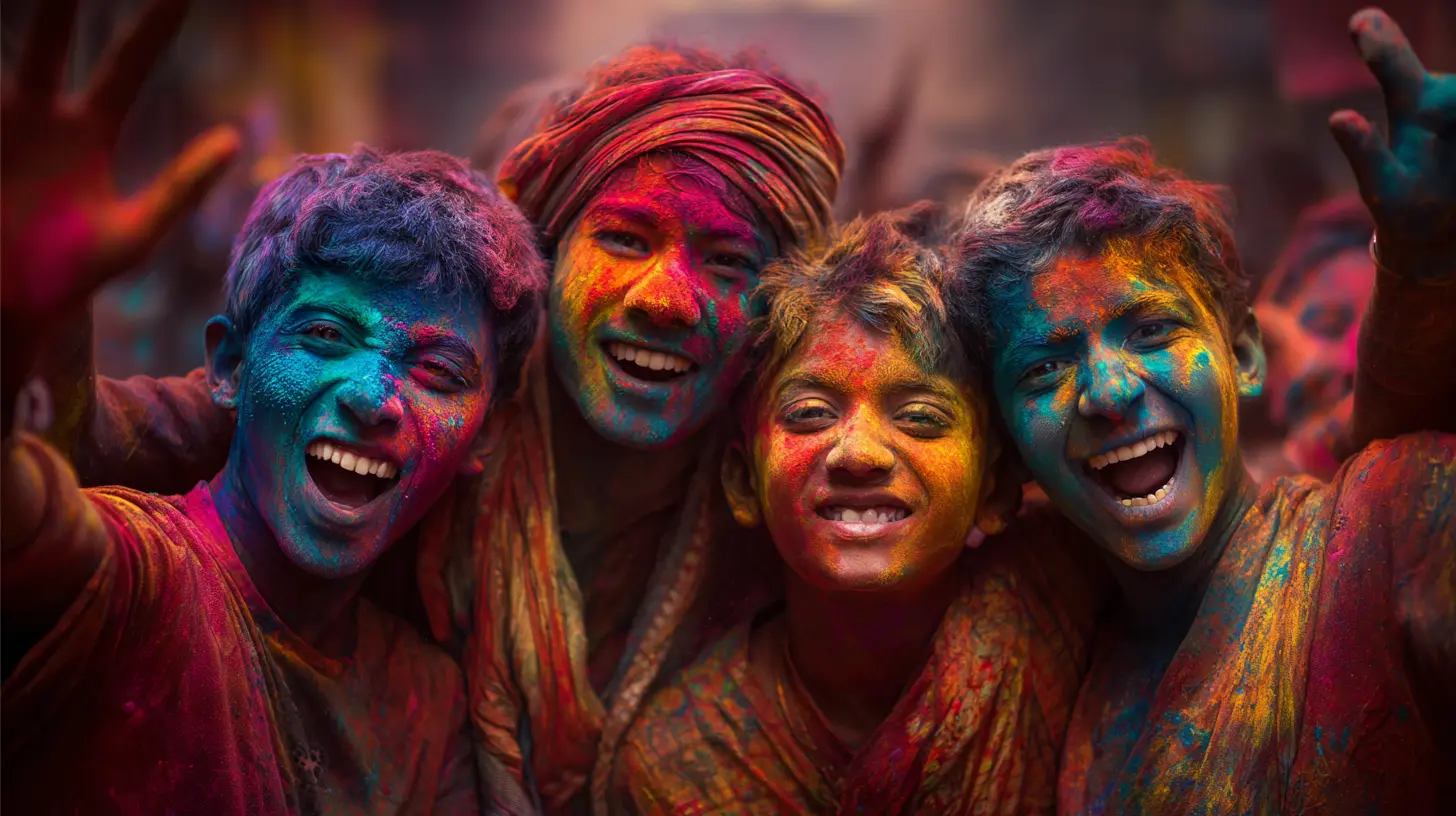
Let’s clear up a common myth: Holi isn’t just about throwing powder and acting wild. That’s the surface—the glittering, Instagram-worthy layer. Underneath, Holi is a story of good triumphing over evil. It celebrates the legend of Prahlad and Holika, where devotion saved a boy from a bonfire, and the demoness Holika was reduced to ashes. That bonfire—called Holika Dahan—happens the night before the color play.So, if you arrive a day early, you’ll witness families gathering around a massive pyre, chanting prayers, and roasting corn and potatoes in the embers. It’s intimate, spiritual, and surprisingly quiet. Then, at dawn, the switch flips. The colors come out, and the chaos begins.
I remember my first Holi in Vrindavan. I showed up thinking I’d just watch. Ha! Within five minutes, a group of women had doused me in red, a toddler had dumped a bucket of water on my head, and I was dancing to a dhol drummer who appeared out of nowhere. I was a total stranger, but they treated me like family. That’s the magic—Holi breaks down walls.
Where to Celebrate Holi in 2026 (The Top Picks)
Not all Holi celebrations are created equal. If you want the real deal, skip the touristy hotel parties and head to these spots:1. Vrindavan and Mathura – The Holi Capital of the World
This is the holy grail. Lord Krishna himself is said to have started Holi here. In 2026, the Banke Bihari Temple in Vrindavan will host a legendary celebration. Expect flower petals, not just powder, and a week-long buildup called Phoolon ki Holi. The energy is electric, devotional, and slightly chaotic. Be prepared for crowds—thousands of devotees pack the narrow lanes. But the sheer devotion will give you chills.2. Jaipur – Royal Meets Rowdy
Jaipur’s Holi at the City Palace is a spectacle. The royal family throws a grand bash with elephant processions, folk music, and a more organized color play. It’s perfect if you want a mix of culture and craziness. Plus, the pink city looks stunning under a cloud of orange and green. Just book early—hotels fill up fast.3. Delhi – Urban, Edgy, and Wild
If you’re a city slicker, Delhi’s Holi is for you. Neighborhoods like Hauz Khas Village and Connaught Place turn into open-air clubs. There are pool parties, DJs, and color clouds that stain the sky. It’s less traditional but incredibly fun. Just wear cheap clothes—they’ll never be the same.4. Shantiniketan – A Poet’s Holi
For a softer, more artistic vibe, head to this town in West Bengal. Rabindranath Tagore introduced a Basanta Utsav (Spring Festival) here, where students perform dance and music. The colors are gentle—more pastel than neon. It’s a beautiful alternative if crowds aren’t your thing.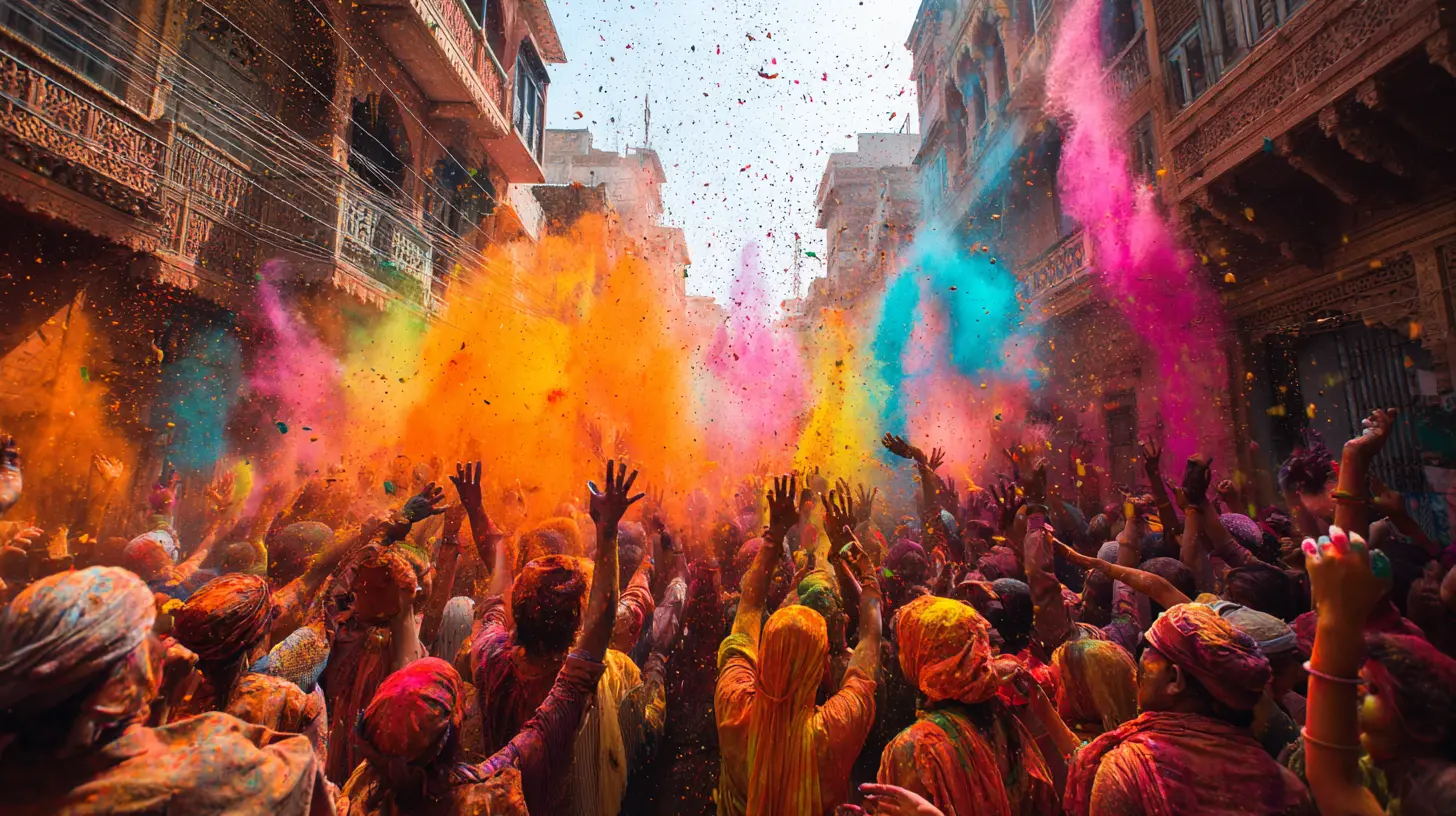
What to Wear and What to Avoid (Survival Guide)
Let’s get practical. You don’t want to ruin your favorite jeans or end up with stained skin for a week. Here’s my no-nonsense advice:- Clothes: Wear white—it’s the canvas. But not expensive white. Old cotton shirts, leggings, or kurta pajamas work best. Avoid synthetics; colors don’t wash out of polyester. And ladies, skip the delicate fabrics. Trust me.
- Footwear: Flip-flops or old sneakers. You’ll be wading through water, mud, and color. Sandals are fine, but you’ll lose them in the chaos.
- Skin and Hair: Slather on coconut oil or moisturizer before you step out. It creates a barrier so the colors don’t stick. Same for your hair—oil it heavily. I once skipped this step and looked like a rainbow scarecrow for three days.
- Eyes and Mouth: Sunglasses are a must. And keep your mouth closed when colors fly. Some cheap powders contain chemicals, so stick to organic, herbal colors (more on that later).
- What to Avoid: Don’t wear contacts—they’ll get ruined. Don’t bring valuables. Leave your phone in a waterproof pouch. And never, ever throw water balloons at strangers unless you’re ready for a war.
The Food That Makes Holi Unforgettable
You can’t experience Holi on an empty stomach. The festival is a feast for the senses, and the food is the anchor. Here’s what you must try:- Gujiya: These crescent-shaped pastries, stuffed with khoya and dried fruits, are the official Holi snack. They’re sweet, crunchy, and addictive.
- Thandai: A cold, creamy drink infused with almonds, saffron, and spices. Some versions include bhang (cannabis)—a traditional part of Holi. If you’re adventurous, try it. But go slow. Bhang hits hard and fast.
- Dahi Bhalla and Chaat: The savory counterpoint to all that sugar. Soft lentil dumplings in yogurt, topped with tamarind chutney. Pure bliss.
- Malpua: Deep-fried pancakes soaked in sugar syrup. They’re simple, but after hours of dancing, they taste like heaven.
I still remember the thandai I had in Mathura. It was spiked with bhang, and within an hour, I was laughing uncontrollably at a goat. That’s a story for another time. The point is: eat local, eat fresh, and don’t skip the street food.
How to Be a Responsible Holi Traveler
Holi is amazing, but it has a dark side. In some places, the celebration can get aggressive—think water cannons, hard liquor, and unwanted advances. As a tourist, you can help change that. Here’s how to celebrate responsibly in 2026:- Choose organic colors: Many local shops and NGOs sell herbal, flower-based powders. They’re safer for your skin and the environment. Look for brands like “Keshav” or “Pooja” that use natural ingredients.
- Respect consent: Not everyone wants to be drenched. If someone says no, move on. Real Holi joy comes from mutual fun, not force.
- Avoid excessive alcohol or bhang: A little is fine. Too much can lead to bad decisions. Stay in control so you can remember the experience.
- Support local artisans: Buy your colors, pichkaris (water guns), and sweets from street vendors. Your money goes directly to the community.
- Leave no trace: After the party, the streets are often littered with plastic and trash. Carry a small bag for your waste. Be the tourist who gives back.
Preparing for Your Holi Trip in 2026
You’re sold. Now let’s talk logistics. Holi 2026 is on March 4th, but the celebrations start days earlier. Here’s a timeline:- Two months before: Book flights and hotels. Prices spike in February. I use Skyscanner and set alerts for Delhi, Jaipur, or Varanasi. For Vrindavan, fly to Delhi and take a train or private car (about 3 hours).
- One month before: Apply for your Indian e-visa. It’s straightforward—just fill the form, upload a photo, and pay online. Approval takes 3-5 days.
- Two weeks before: Buy travel insurance. Holi is safe, but accidents happen. Get coverage that includes theft and medical evacuation.
- One week before: Pack your bag. Include: white clothes, a raincoat (for water play), sunglasses, a waterproof phone pouch, coconut oil, a reusable water bottle, and a small first-aid kit.
- Day before: Arrive at your destination. Attend the Holika Dahan bonfire. Meet locals. Soak in the calm before the storm.
A Sample Holi Day in Vrindavan (2026 Edition)
Let me paint you a picture. It’s 6 AM on March 4th. You wake up to the sound of temple bells and distant drums. You oil your hair, pull on your oldest white shirt, and step outside. The streets are already alive. Kids chase each other with pichkaris. A cow, painted blue, wanders past.By 8 AM, you’re at the Banke Bihari Temple. The crowd is thick, but no one pushes. Instead, they sing, clap, and shower you with rose petals. Then, the priests throw fistfuls of red and yellow powder from the balcony. The air turns into a living rainbow. You dance to the dhol until your legs ache.
At noon, you break for gujiya and thandai at a rooftop café. Below, the chaos continues. You meet a family from Gujarat who invites you to their home for lunch. You eat puri, halwa, and daal. They ask where you’re from. You say, “America.” They laugh and say, “Now you are from India too.”
By evening, you’re exhausted, stained, and grinning. The colors fade to pink and orange as the sun sets. You wash off in a bucket of warm water, and the stains stay for days—a souvenir you can’t pack in a suitcase.
Why You Shouldn’t Wait Another Year
Holi is one of those experiences that defies description. You can read a thousand blogs (like this one), but you won’t truly get it until a stranger hugs you with purple hands, or a grandmother hands you a plate of malpua with a wink. It’s messy, loud, and sometimes overwhelming. But it’s also the most welcoming festival on Earth.In 2026, the world is ready to celebrate again. Travel is open, borders are friendly, and the colors are waiting. So, what’s stopping you? Fear of the unknown? That’s normal. But remember: every seasoned traveler started as a beginner. Holi doesn’t require expertise—just open arms and a sense of humor.
Pack your bag, book your ticket, and get ready to be reborn in a cloud of color. I’ll see you in Vrindavan. I’ll be the one with blue hair and a gulab jamun in each hand.
all images in this post were generated using AI tools
Category:
Festival TravelAuthor:

Claire Franklin
Discussion
rate this article
2 comments
Aris Barrett
The Holi Festival in 2026 promises vibrant colors and joyful celebrations that encapsulate India's rich cultural heritage. Participants can immerse themselves in traditions, music, and delicious festive foods, creating unforgettable memories. This event is a must-visit for travelers seeking a unique cultural experience.
May 3, 2026 at 3:04 AM
Claire Franklin
Absolutely! Holi 2026 will be a vibrant celebration filled with culture, music, and unforgettable moments. Don't miss it!
Ariadne Warner
Holi in 2026 promises to be a colorful explosion of joy! Get ready for vibrant powders, joyful dancing, and delicious sweets. Don't miss the chance to celebrate friendship and love in the most colorful way possible!
May 2, 2026 at 2:34 AM
Claire Franklin
Absolutely! Holi in 2026 will be unforgettable-let's celebrate together with color and joy!