Explore the Quiet Beauty of Scotland’s Snow-Capped Highlands
14 June 2026
When you think about awe-inspiring winter landscapes, your mind might jump to the Swiss Alps or the snowy stretches of Canada. But what if I told you there's a hidden gem, much closer to home (especially if you're in Europe), that offers a winter wonderland without the crowds? Yep, I’m talking about Scotland’s snow-capped Highlands.
The Highlands aren’t just rugged mountains and ancient castles. When winter rolls in, they become a magical, almost dreamlike escape. Imagine endless white hills, frosty heather, frozen lochs, and a silence that’s so pure it almost echoes. This article is your virtual tour—and gentle nudge—to experience this raw, untouched beauty for yourself.
Why the Highlands in Winter?
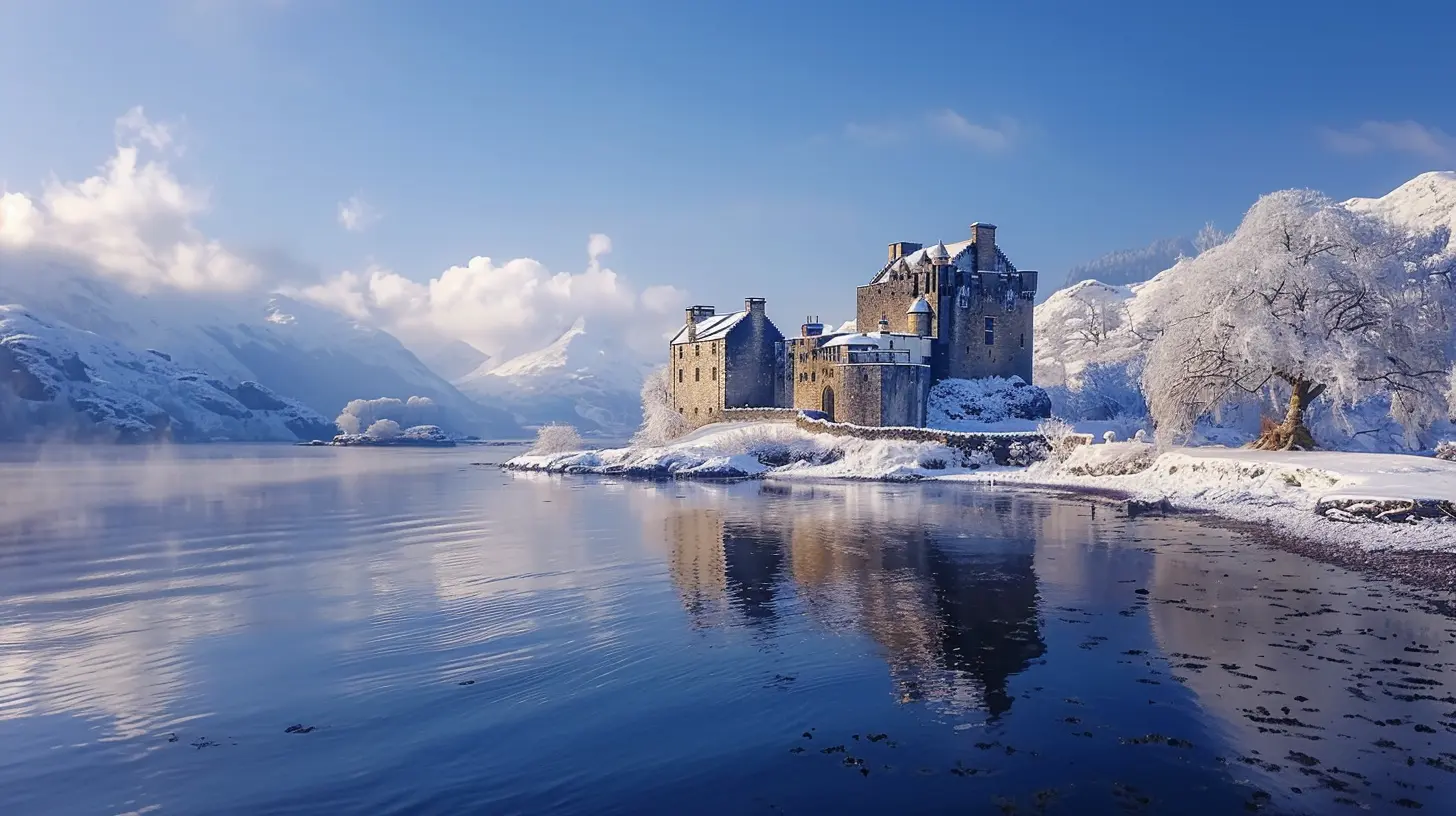
It’s easy to get swept up in the idea of a tropical vacation or a bustling city break. But sometimes, what your soul really craves isn’t more noise—it’s silence. The Scottish Highlands in winter offer solitude, space, and a fresh perspective that’s hard to find elsewhere.Let’s face it—summer in the Highlands is incredible, but it’s also... busy. Winter, on the other hand? It transforms the landscape into a serene, snow-dusted haven. Fewer tourists mean more chances to connect with nature, locals, and even yourself.
When Does It Snow in the Highlands?
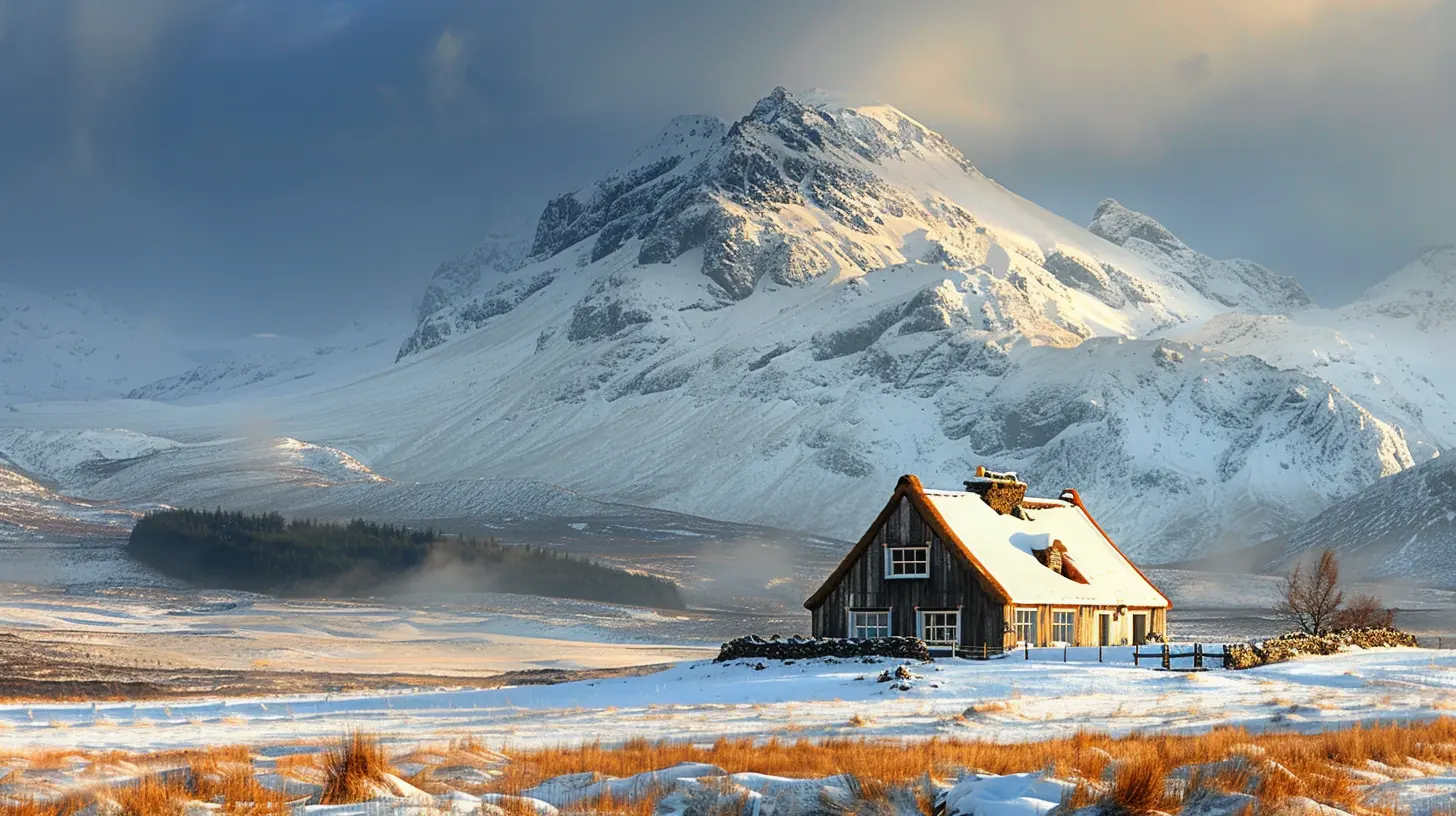
Scotland’s Highlands aren’t guaranteed a blizzard-like you might find in Northern Europe or North America, but snow typically blankets the higher altitudes from November through March. The Cairngorms and Ben Nevis ranges receive some of the heaviest snowfall.And while the lowlands remain relatively mild, the Highlands offer that classic white-winter feel—perfect for hiking, photography, or just building snowmen if that’s more your style.
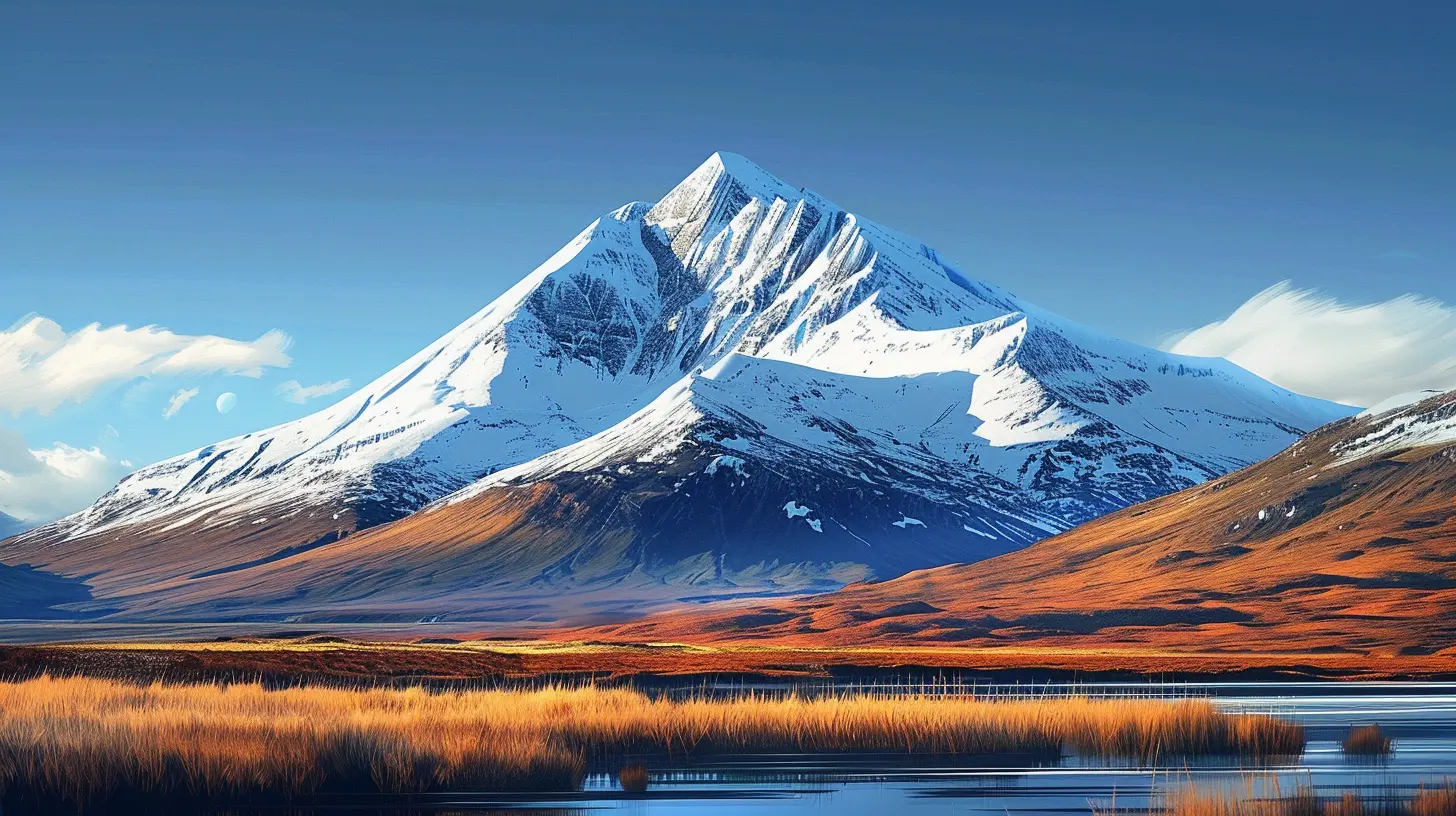
Top Spots to Witness the Highlands in Their Snowy Glory
Alright, let’s get into the good stuff—where exactly should you go to soak in this quiet, snowy beauty?? Glen Coe: A Winter Masterpiece
Glen Coe is already hauntingly beautiful in the warmer months, but when it’s layered under a fresh sprinkling of snow? It’s poetry in motion. Towering peaks like Buachaille Etive Mòr look like they’ve been dipped in powdered sugar. The road through the glen is one of the most scenic drives in the UK, especially after a snowfall.If you’ve ever wanted to feel like you’re walking through the pages of a fantasy novel, this is the place. With fewer tourists in winter, you can often enjoy a brisk hike without bumping into another soul.
?️ Cairngorms National Park: Scotland’s Winter Playground
The Cairngorms aren’t just about jaw-dropping views—they also offer some of the best opportunities for winter activities in the UK. We’re talking skiing, snowboarding, snowshoeing, even dog sledding!Aviemore, the park’s main hub, transforms into a cozy winter village. You can hit the slopes during the day, then warm up with a whisky by the fire in the evening. Bliss, right?
And don't worry—if adrenaline isn’t your thing, there are tons of serene walking trails that let you experience the snow-covered forests and shimmering lochs at your own pace.
? Ben Nevis: The Crown Jewel
Standing tall as the UK’s highest mountain, Ben Nevis is an icon. While a full summit in winter is best left to experienced climbers, you don’t have to reach the top to appreciate the grandeur. Even walking the lower slopes gives you breathtaking views of the snowy peaks and glens.From nearby Fort William, you can capture stunning winter vistas, and with less footfall in the colder months, it feels like the mountain is all yours.
?️ Inverness and Surrounding Areas
Inverness is often called the "Gateway to the Highlands," and it’s a practical base for your snowy adventures. The city itself doesn’t receive as much snow as the higher altitudes, but the surrounding countryside is pure winter magic.From here, day trips to places like Loch Ness (yes, Nessie might be hiding under a frozen surface) or into the wilder terrain of the northwest Highlands are totally doable.
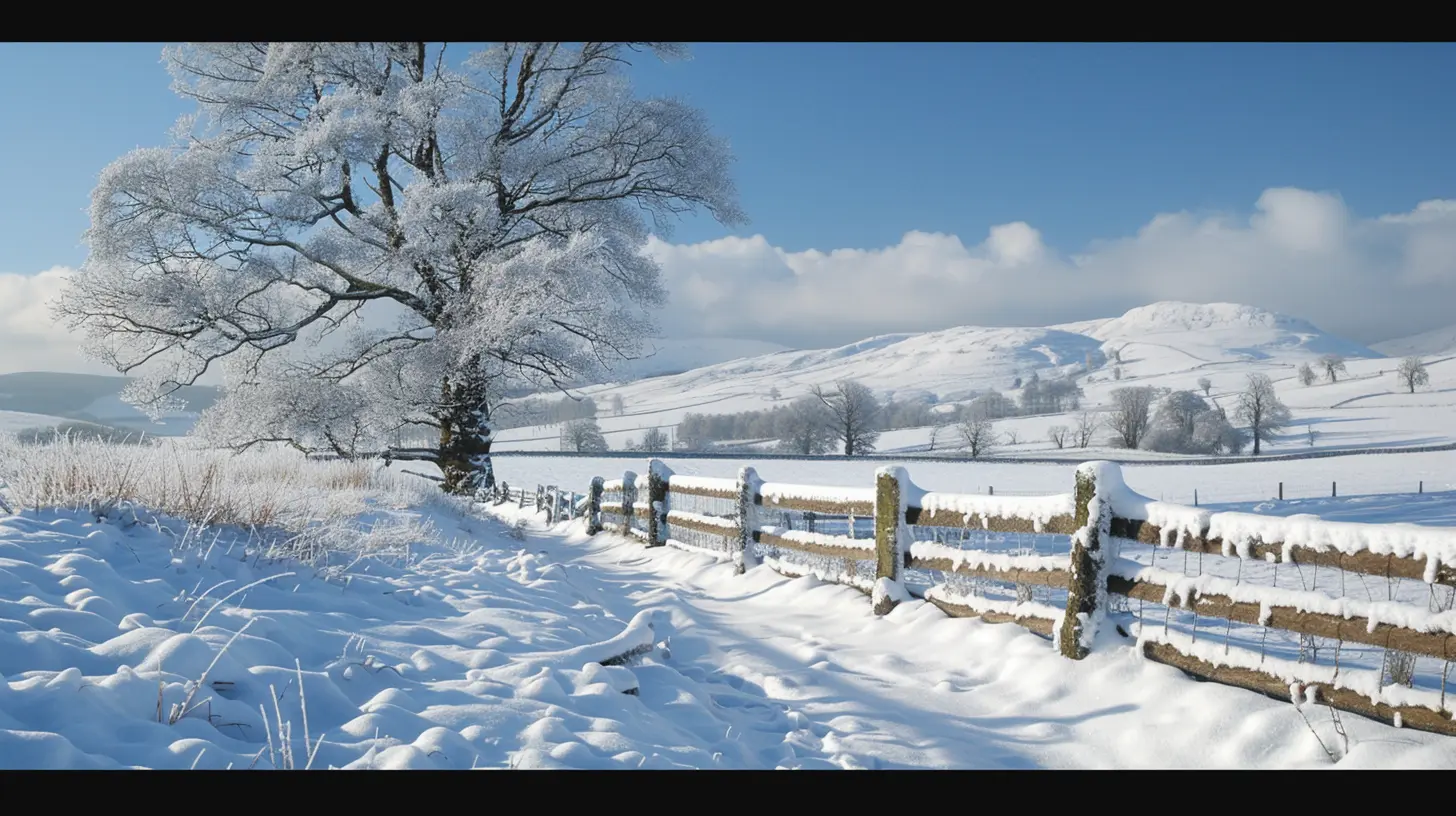
Wildlife in Winter: A Different Kind of Safari
You might be surprised to hear that winter is actually a fantastic time for wildlife watching in the Highlands. While many animals hibernate or migrate, others are easier to spot against the snow-covered landscape.Think red deer grazing peacefully in the glens, mountain hares in their winter-white coats, and even golden eagles soaring under a pale sky. The Cairngorms are especially rich in biodiversity, and guided wildlife tours often operate throughout the winter months.
The Magic of Scottish Hospitality
Let’s talk about the human side of things for a sec.Winter in the Highlands isn’t just about landscapes—it’s about moments. Think cozying up in a traditional stone cottage, being greeted with warm smiles in tiny village pubs, and sipping on local whisky that warms your bones in ways no heater ever could.
The Scottish are known for their dry wit and generous spirit. When you travel here in winter, you’re not just a tourist—you’re often treated like a long-lost cousin who’s finally come home. And that? That’s something special.
Crafting Your Winter Itinerary
It’s one thing to dream about snowy Highland adventures, but let’s make it practical. Here are a few tips to help you plan the perfect winter trip.1. Pack Smart (But Don’t Overthink It)
Layers are your friend. Go for thermal base layers, waterproof outerwear, gloves, a hat, and sturdy boots. Scotland’s weather is famously unpredictable, so flexibility is key.2. Rent a Car (If You Can)
Public transport isn’t always reliable in winter, especially in rural areas. Having a car gives you the freedom to chase snow, detour to obscure viewpoints, and stop whenever the landscape begs for a photo (it will. Often.)Remember: drive carefully—some roads can be icy and narrow. And be sure to check weather conditions each day.
3. Plan Around the Short Days
In the dead of winter, daylight can be as short as six hours. That means you’ll need to be strategic—start your days early and plan indoor activities or cozy downtime for later in the day.4. Book Accommodation Early
Yes, it’s less crowded—but that also means fewer places are open year-round. From rustic lodges to boutique B&Bs, book in advance to avoid surprises.Is It Kid-Friendly?
Absolutely! Kids will love the snow, the wildlife, and the sheer novelty of being somewhere that looks straight out of a fairytale. Just ensure they’re bundled up properly, and plan shorter hikes or outdoor excursions to match their energy levels.
Responsible Tourism in Winter
The Highlands are pristine, but fragile. In winter, it’s even more important to respect nature. Stick to trails, avoid littering (duh), and always be prepared—weather can change without warning.Also, support local businesses. Skip the big chains and go for that family-run café or handmade souvenir shop. Every pound spent locally helps these communities thrive, especially in the quieter months.
Final Thoughts: Stillness Is a Superpower
In a world where our phones never stop buzzing and our calendars are always full, the stillness of the Scottish Highlands in winter is more than just beautiful—it’s healing.This isn’t a place that screams for your attention. It whispers. And if you slow down and really listen, you might just find something you didn’t even know you were missing.
So, what do you say? Ready to hit pause, bundle up, and let Scotland’s snowy peaks speak to your soul?
all images in this post were generated using AI tools
Category:
Winter DestinationsAuthor:

Claire Franklin