Forgotten Villages That Time Left Behind
3 February 2026
Have you ever stumbled upon a place so quiet, so untouched, that it felt like stepping into a time capsule? Like, literally—as if the clocks stopped ticking a hundred years ago and everyone just vanished? Welcome to some of the world’s forgotten villages that time left behind. These are not your average tourist traps. They're eerie, beautiful, haunting, and oddly peaceful all at once. And if you’ve got a soul that craves wanderlust mixed with stories carved into crumbling walls, this one’s for you.
Let’s take a deep dive into the remnants of civilization where nature has reclaimed her place and silence speaks louder than words.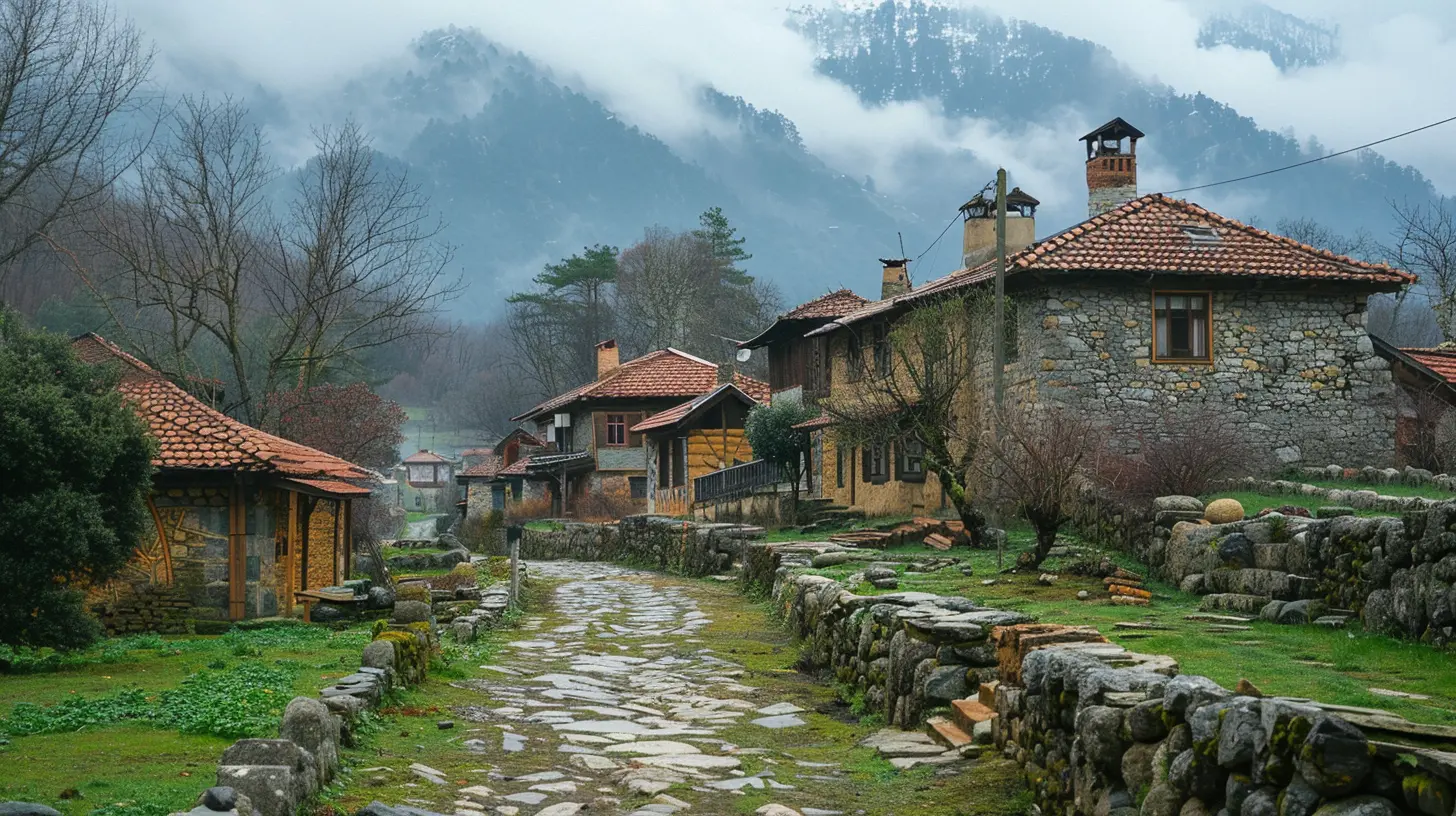
What Makes a Village "Forgotten"?
First off, what even counts as a "forgotten village"? It’s not just about being quiet or remote. These are places that were once bustling with life—kids laughing, markets buzzing, bells ringing—and then, one day, poof, everything stopped. Whether due to war, migration, environmental disasters, or pure bad luck, people left, and no one came back.Time stood still. Furniture remains in abandoned homes. School chalkboards still have faded notes. Churches echo with the ghosts of hymns. And nature? She’s slowly erasing every trace of human life, one creeping vine at a time.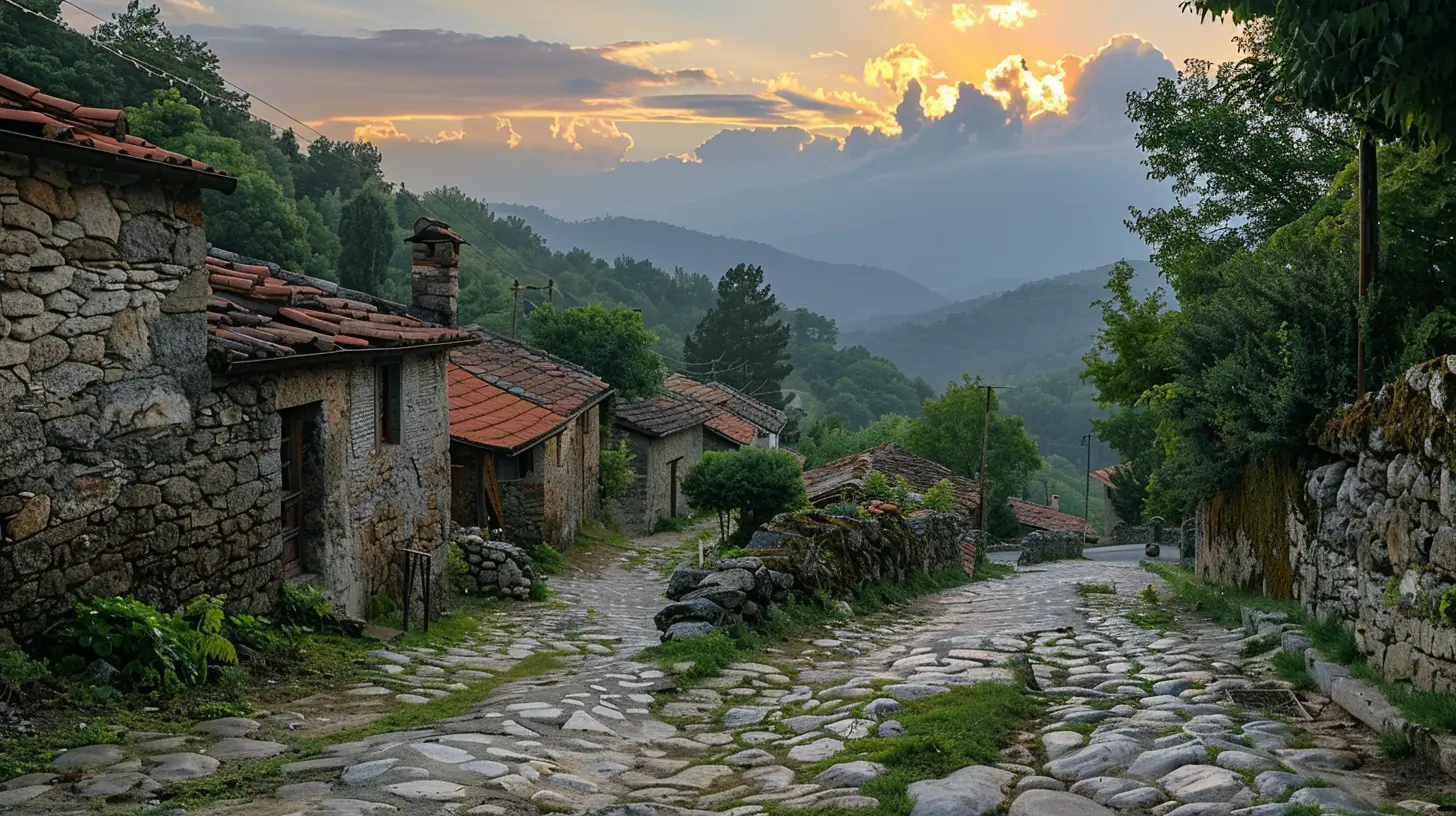
1. Houtouwan – China’s Green Ghost
Ever imagined what a village devoured by nature looks like? Houtouwan, once a thriving fishing village on Shengshan Island, China, answers that question in the most jaw-dropping way.Decades ago, this remote village was home to over 2,000 residents. But due to its hard-to-reach location and limited resources, folks began drifting to nearby urban centers. By the 1990s, the last few families packed up and left. Fast forward to today, and the entire village looks like a scene from a fantasy movie—houses entirely swallowed by thick, green ivy.
You can still walk the winding paths, peek into homes layered in moss, and feel like you’re the last person on Earth. It’s silent, surreal, and stunning.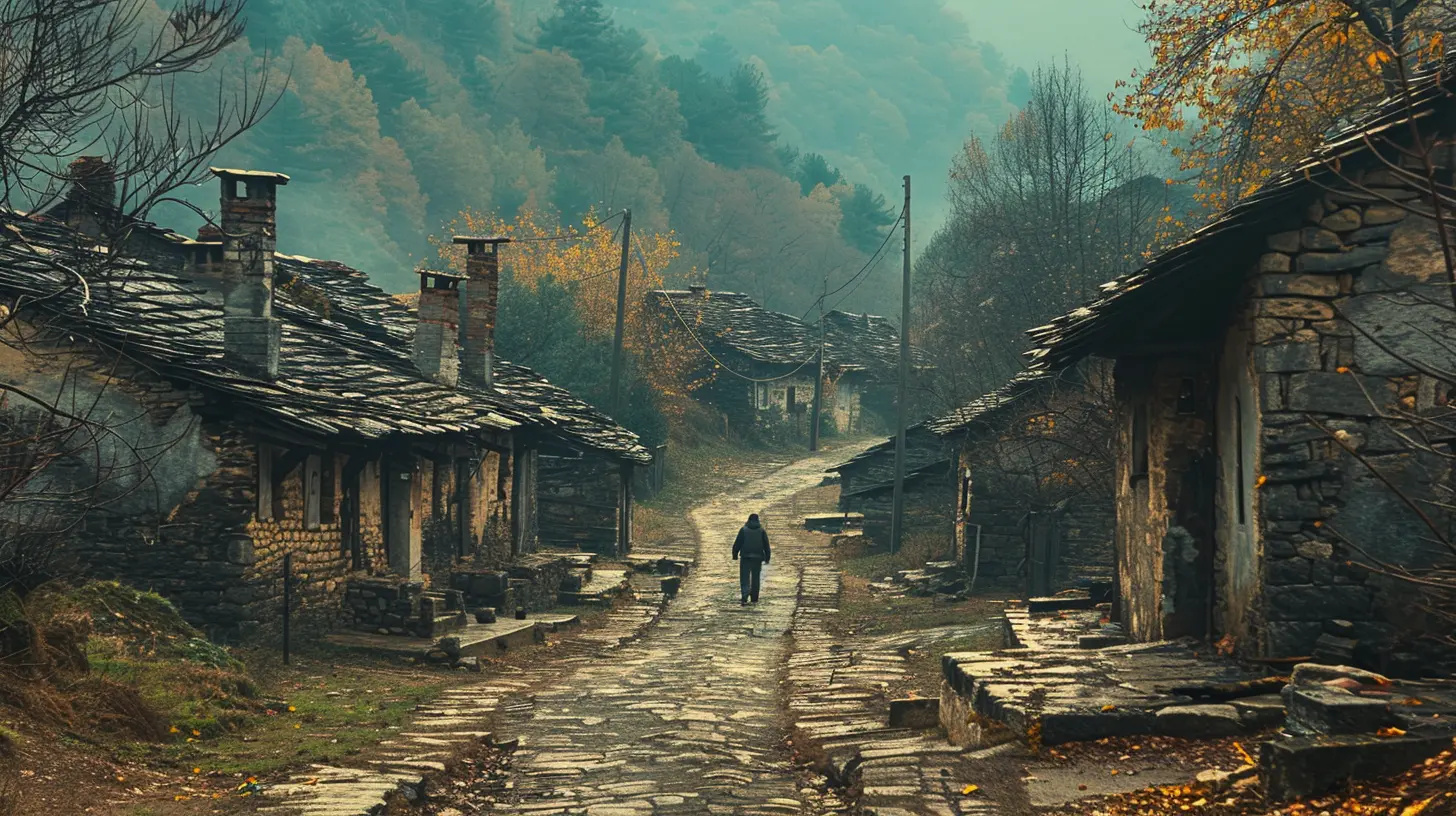
2. Kayaköy – A Village of Lost Voices in Turkey
Kayaköy, perched on a hillside in southwestern Turkey, is an open-air museum of heartbreak and history. Built by Greek Christians in the 1700s, this village was once alive with culture, music, and trade. That all changed after the Greco-Turkish War and the 1923 population exchange.Over 2,000 homes, chapels, and schools were left behind, deliberately untouched. No one moved in. No one moved on. And that stillness remains. Today, you can wander through stone houses whose walls whisper tales of forced goodbyes. The wind might carry a hymn, or maybe that’s just your imagination.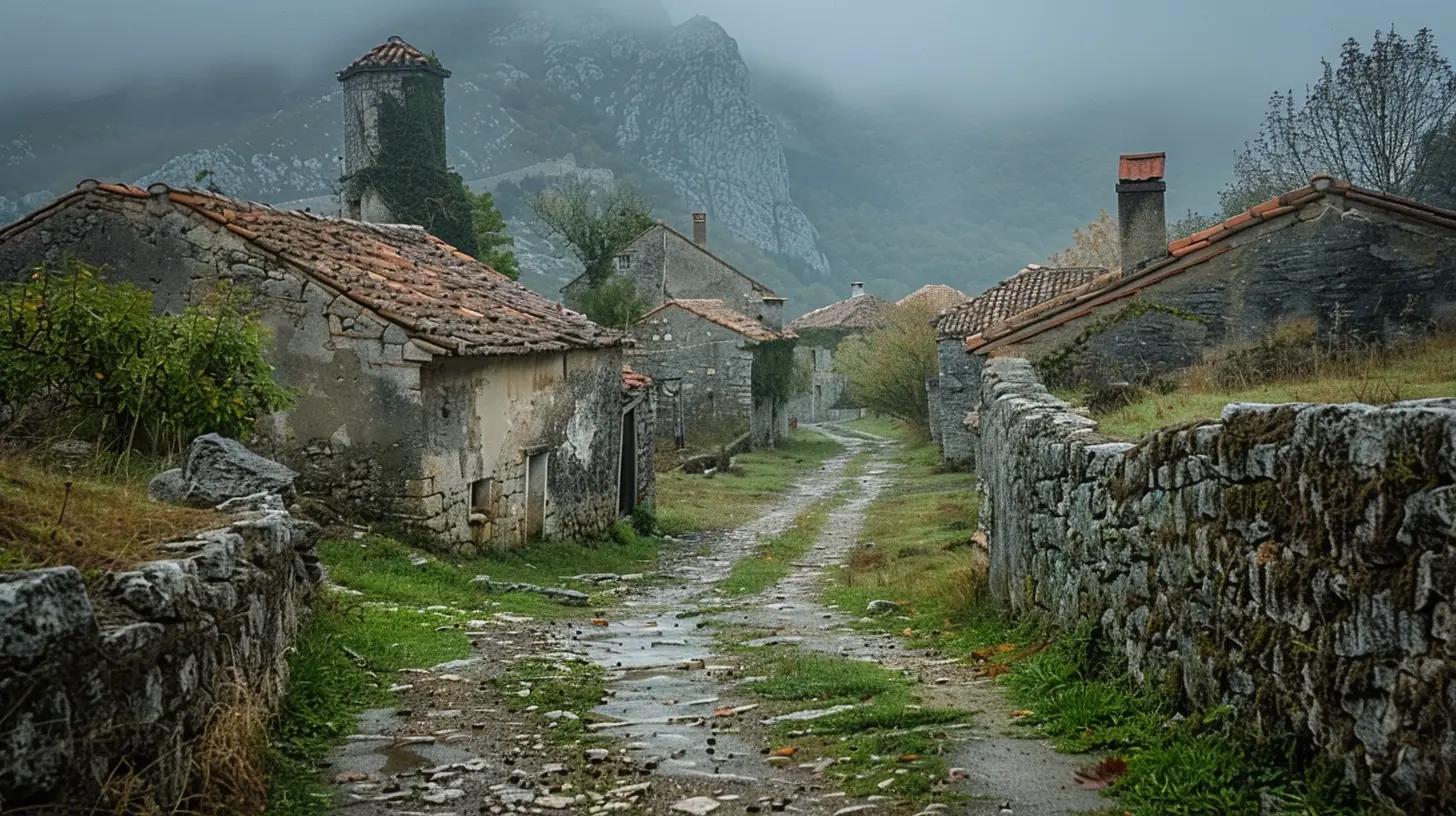
3. Craco – Italy’s Cinematic Ghost Town
If you’re into post-apocalyptic vibes (or just really dramatic Instagram backdrops), Craco is a must-see. Located in southern Italy, Craco sits dramatically on a cliff, looking like it came straight from a Hollywood set.And actually—it has. Films like The Passion of the Christ and Quantum of Solace were shot here. But Craco’s real story is rooted in centuries of landslides, earthquakes, and eventual abandonment in the 1960s.
Churches, castles, and cobbled streets now stand frozen in time, decaying beautifully under the Italian sun. It's haunting, yet extremely photogenic, like a ghost town that aged gracefully.
4. Kolmanskop – Namibia’s Deserted Diamond Dream
Let’s shift gears to Africa, where Kolmanskop in Namibia tells a very different story. Picture luxury homes, ballrooms, and even a bowling alley—all in the middle of a desert. Sounds weird? It was.Kolmanskop exploded in the early 1900s when diamonds were found scattered in the sand. A German-run mining town was born overnight, complete with lavish amenities. But within a few decades, the diamonds ran dry. The desert didn’t care. It started swallowing everything.
Today, sand dunes fill bathtubs and spill through doorways. The skeletons of once-glamorous buildings are now playgrounds for photographers and curious travelers alike, backed by the eerie silence of the Namib Desert.
5. Gamsutl – The Machu Picchu of Dagestan
High up in the Russian mountains lies Gamsutl, often called the "Machu Picchu of Dagestan." And once you get there, you’ll see why. It’s a maze of ancient stone homes perched on a ridge, wrapped in mist and mystery.No roads lead to Gamsutl. You’ve got to hike your way up, literally. But that’s part of the charm. This village saw its last resident pass away in 2015. Since then, it’s been a ghost village, untouched, unspoiled.
Time here feels heavy—like the air itself remembers stories of love, war, and survival. If solitude had a capital, this would be it.
6. Oradour-sur-Glane – France’s Frozen Tragedy
Not all forgotten villages faded silently. Oradour-sur-Glane in France is preserved as a stark reminder of the horrors of World War II. In 1944, Nazi troops destroyed the village and massacred 642 of its residents, leaving it in ruins.Instead of rebuilding, the French government turned Oradour into a living memorial. Everything remains as it was—burned-out cars, collapsed buildings, and rusted signs. Walking its streets is like reading a history book written in ashes.
It’s not your typical vacation spot, but it’s immensely powerful and important.
7. Pentedattilo – Italy’s Rocky Phantom
Back to Italy for another gem—Pentedattilo in Calabria, a tiny village carved into the side of a sinister-looking mountain (shaped like a hand, no less). Legend has it that the five fingers of rock once belonged to a giant.The village was partially abandoned after earthquakes in the 1700s, and only recently have people started moving back to restore its beauty. Still, much of it sits in silence, echoing tales of ancient murders, rivalries, and curses.
Yeah, it’s got that gothic novel vibe down to perfection.
Why Do These Villages Matter?
You might be wondering, “Why should I care about a bunch of broken-down buildings?” Fair question. But here’s the thing—these places are more than decaying walls and overgrown paths. They're time capsules. Emotional footprints. Proof that life isn’t always about progress and skyscrapers.They remind us how fragile human existence really is. One shift in economy, one war, one natural disaster, and an entire community can vanish. It humbles you.
And from a travel perspective? It’s like stepping into an alternate universe, unfiltered and untouched. No gift shops. No ticket booths. Just you, the wind, and a thousand stories that time forgot to finish.
What to Know Before Visiting
Okay, so now you’re itching to pack your bags. But hold up—visiting forgotten villages isn’t the same as dropping by a beach resort. Here are a few tips:- Do Your Homework: Some sites are off-limits or require special permits.
- Watch Your Step: These places can be structurally unstable.
- Respect the Space: Don’t take souvenirs or deface anything.
- Pack Smart: Water, sturdy shoes, and a flashlight go a long way.
- Travel with a Guide: Especially if local legends or history matter to you.
Final Thoughts: There’s Beauty in Silence
Wouldn’t it be wild to visit a place where it feels like the wind is the only thing moving? These forgotten villages are more than just rotting houses or ghost towns. They’re poetic. Emotional. They make you think—not just about the past, but about your own life, your own pace.Sometimes, slowing down in a place where time once stopped is exactly the kind of reset you need.
So, next time you're planning your itinerary, maybe ditch the theme parks and consider walking through one of these quiet stories etched into the Earth.
Trust me—it'll stay with you much longer than any souvenir.
all images in this post were generated using AI tools
Category:
Off The Beaten PathAuthor:

Claire Franklin
Discussion
rate this article
2 comments
Kennedy McGhee
This article beautifully captures the charm and nostalgia of forgotten villages. It’s a compelling reminder of the rich history and stories embedded in these places, inviting travelers to explore and appreciate their hidden gems.
February 26, 2026 at 6:03 AM
Claire Franklin
Thank you for your thoughtful observation! I’m glad the article resonates with you and highlights the beauty of these hidden gems.
Phoebe Ward
Exploring forgotten villages offers a glimpse into history, showcasing unique architecture and rich cultural heritage. These hidden gems await discovery for adventurous travelers seeking authentic experiences.
February 4, 2026 at 5:43 PM
Claire Franklin
Thank you for your insightful comment! I completely agree—forgotten villages are treasures that reveal history and culture, making them perfect for adventurous travelers.