Going Green in the Wild: Simple Ways to Be More Sustainable in Remote Areas
21 February 2026
Venturing into the wilderness is one of the most fulfilling experiences life has to offer. There’s nothing quite like the fresh air, breathtaking landscapes, and the feeling of being away from civilization. But while we enjoy these untouched places, it's crucial to think about how our presence affects them.
Sustainability isn't just for city dwellers—it's just as important (if not more!) when you're off the grid. So, how can we roam responsibly? Let’s break down some simple, effective ways to go green in the wild.
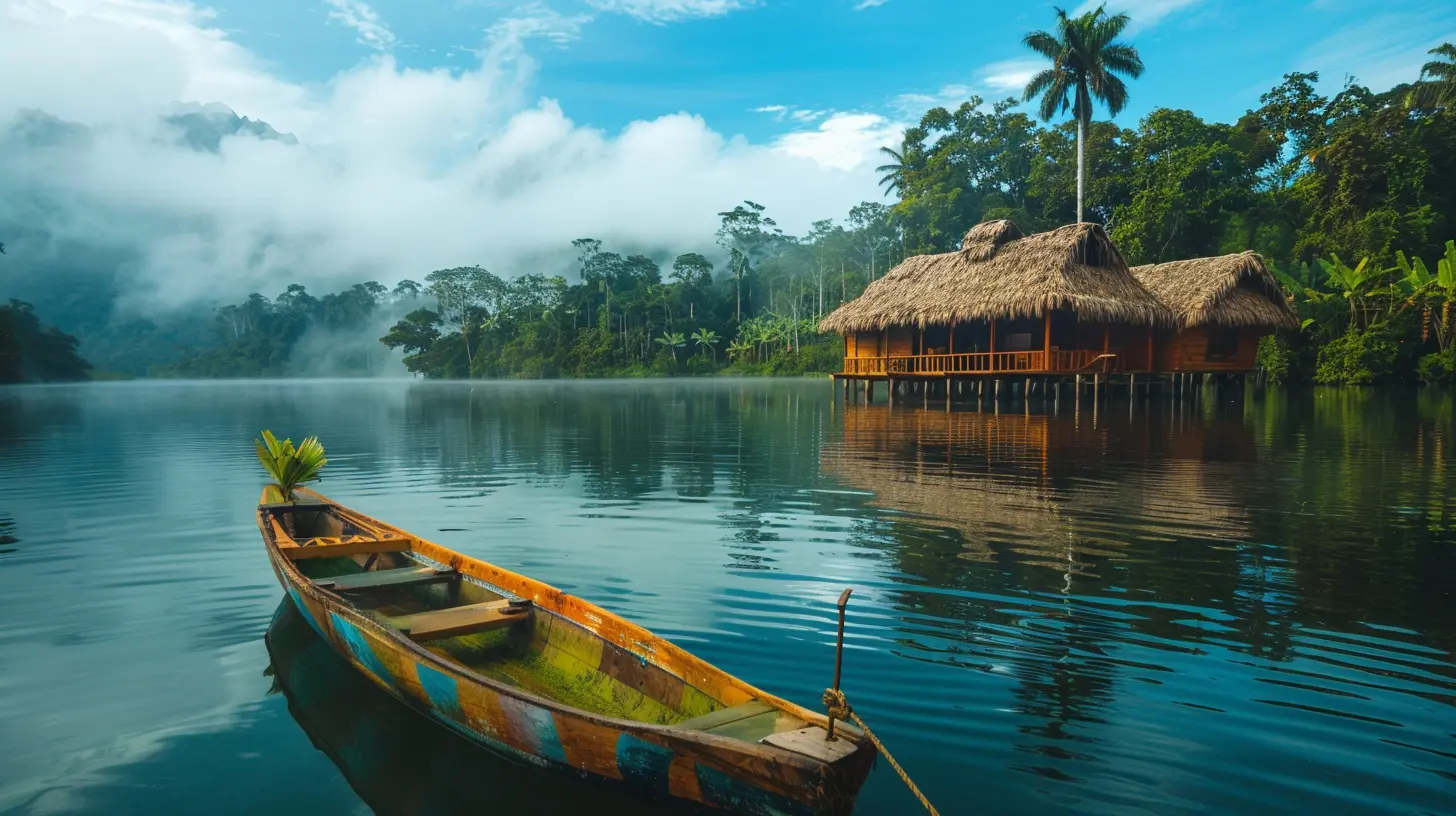
Why Sustainability Matters in Remote Areas
You might think, "I'm just one person; how much impact can I really have?" But the truth is, even small actions add up. Remote areas are fragile ecosystems, and without proper care, they can suffer long-term damage.Think of nature like a guest’s house—you wouldn’t trash someone’s living room, so why do it to the wilderness? By making a few mindful choices, we can help preserve these beautiful spaces for future generations. 
1. Pack Smart and Light
Before you even step into nature, your sustainable journey begins with what you pack. The goal? Minimize waste and maximize efficiency.Choose Eco-Friendly Gear
Investing in reusable, durable, and sustainable gear can significantly cut down on waste. Look for:- Reusable water bottles instead of single-use plastic
- Solar-powered gadgets for energy efficiency
- Bamboo utensils to avoid plastic cutlery
- Biodegradable soap to prevent water pollution
Minimize Packaging
Ditch individually wrapped snacks and go for bulk items in reusable containers. Less packaging = less trash to carry out.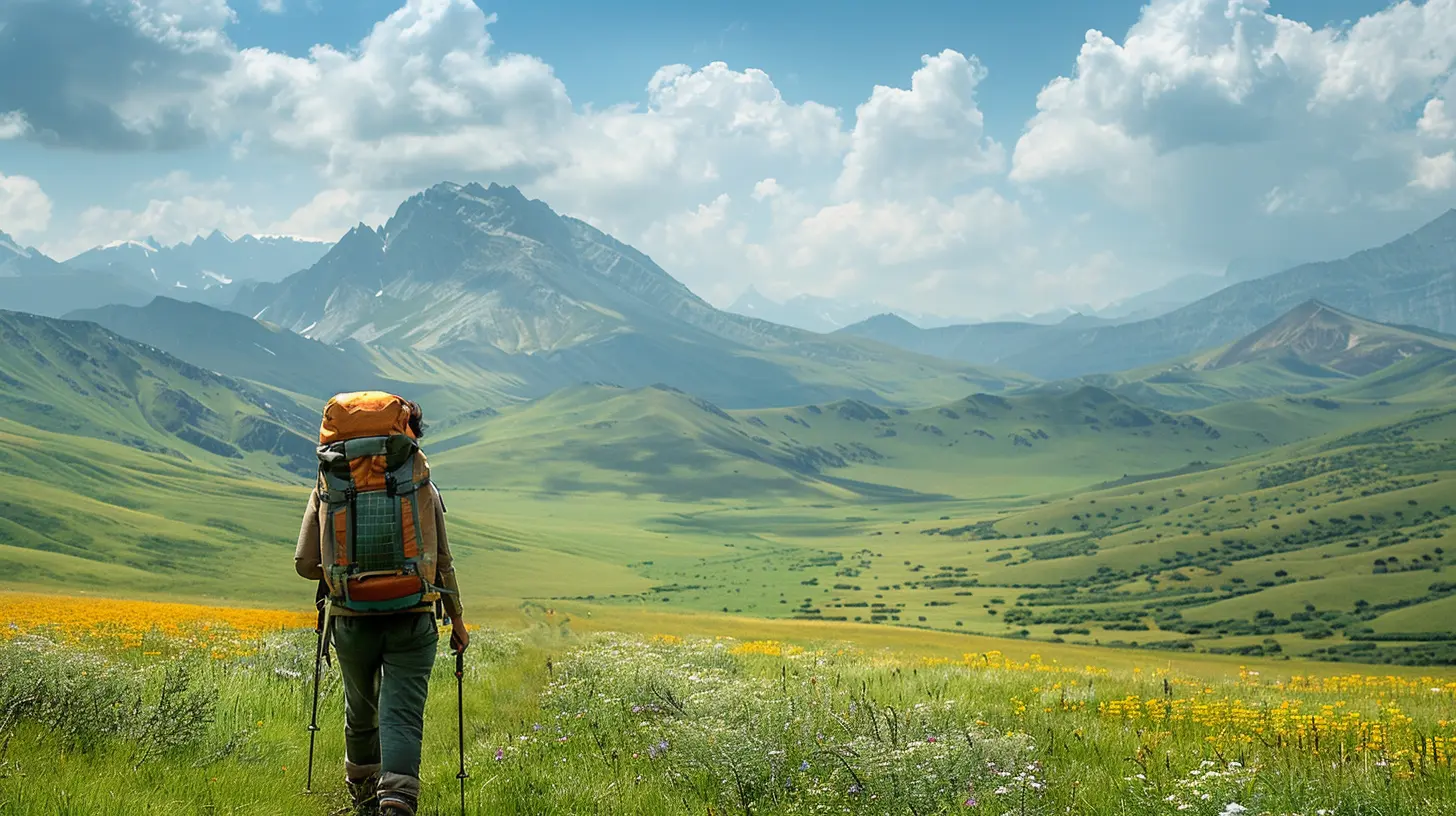
2. Leave No Trace (Seriously, None)
Leaving no trace should be the golden rule of any outdoor adventure. If you bring it in, take it out—simple as that.Dispose of Waste Properly
Pack all trash, leftover food, and any personal waste with you. Even biodegradable waste like fruit peels can be harmful—banana peels take up to two years to decompose in some environments!Respect Local Wildlife
Feeding animals may seem harmless, but it disrupts their natural habits. Keep a safe distance and let them live their wild lives.
3. Be Water-Wise
Water is precious, especially in remote areas where clean sources are limited. Using it responsibly helps conserve local ecosystems.Use a Filter Instead of Bottled Water
Bringing cases of bottled water? Not eco-friendly. Instead, carry a high-quality water filter or purification tablets—better for the planet and your backpack weight!Avoid Contaminating Water Sources
When washing dishes or yourself, stay at least 200 feet away from lakes and streams. And always use biodegradable soap!4. Cook Smart, Eat Sustainably
A good meal makes any adventure better, but it’s important to cook in a way that doesn’t harm the environment.Bring Reusable Cooking Supplies
Instead of disposable plates and utensils, pack lightweight, reusable options. Stainless steel or bamboo works great!Cook with Minimal Impact
Stick to a small camping stove instead of a roaring fire. Not only does it reduce your carbon footprint, but it also lowers the risk of starting a wildfire.5. Energy Use: Keep It Minimal
Even in the wild, we rely on energy—whether for cooking, lighting, or staying connected. The trick is to keep it green.Go Solar
Solar-powered chargers are a game-changer. Whether it’s for flashlights, phones, or GPS devices, the sun’s got your back.Turn Off Non-Essential Devices
This might sound obvious, but you don’t always need your phone on. Enjoy the moment, disconnect from technology, and conserve battery at the same time.6. Travel Green
Getting to remote areas often involves a lot of traveling, which means emissions. While avoiding all environmental impact isn’t possible, you can lessen it.Carpool or Use Public Transport Where Possible
Driving solo? Consider carpooling with fellow adventurers to cut down on fuel use. Some locations also offer shuttle services—use them!Stick to Designated Trails
Cutting across landscapes might seem like a shortcut, but it erodes trails and damages fragile ecosystems. Stick to the beaten path (literally).7. Support Sustainable Tourism
Where you stay and who you support matters. Choosing eco-friendly accommodations and local businesses helps sustain the area in the long run.Stay at Green Lodges or Campsites
Look for eco-certified lodging or campsites that follow sustainable practices—like solar energy, compost toilets, and plastic bans.Buy Local Products
Skip the mass-produced souvenirs and opt for handmade local crafts. It supports the community and reduces the environmental toll of factory-made goods.8. Educate and Inspire Others
Your sustainable journey doesn’t end with you. Encourage fellow travelers to adopt greener habits!Be a Role Model
Actions speak louder than words—when others see you practicing sustainability, they’re more likely to follow suit.Share Your Knowledge
Have a great eco-friendly hack? Share it! Whether it’s through social media, blogs, or just chatting with fellow adventurers, spreading awareness makes a difference.Final Thoughts: Every Step Counts
Going green in the wild isn’t about being perfect—it’s about making small, conscious choices. Whether it’s switching to reusable gear, reducing waste, or supporting ethical tourism, every little effort adds up.So next time you head off into nature, remember: the wilderness gives us so much. Let’s return the favor by protecting it.
all images in this post were generated using AI tools
Category:
Eco TravelAuthor:

Claire Franklin
Discussion
rate this article
2 comments
Bernadette McDougal
Embracing sustainability in the wild not only protects our planet but also enriches our travel experiences. Every small action counts—let's tread lightly, connect with nature, and inspire others to preserve these beautiful remote areas!
March 7, 2026 at 3:50 AM
Claire Franklin
Thank you for highlighting the importance of sustainability! Every small effort truly makes a difference in protecting our planet and enhancing our travel experiences. Let's continue to inspire mindful exploration!
Zeth Fisher
Embracing sustainability in the wild not only protects our planet but enriches our travel experiences. Every small action counts—let’s cherish nature while exploring its beauty and inspire others to do the same!
February 25, 2026 at 5:17 AM
Claire Franklin
Thank you for your insightful comment! Embracing sustainability truly enhances our adventures while preserving the beauty of nature for future generations. Let’s keep inspiring each other!