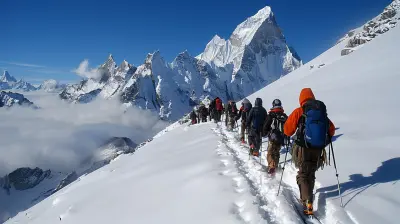
How to Dress in Layers: Stay Warm and Comfortable on the Slopes
8 February 2026
Hitting the slopes is one of the ultimate winter thrills—until you're shivering like a popsicle or sweating buckets under all those layers. Dressing for the cold isn't just about piling on clothes like a walking laundry basket. There's an art to layering, and if you master it, you'll stay toasty without feeling like the Michelin Man.
So, whether you're a ski bum, a snowboard junkie, or just trying not to freeze on your first winter adventure, here's how to dress in layers like a pro. 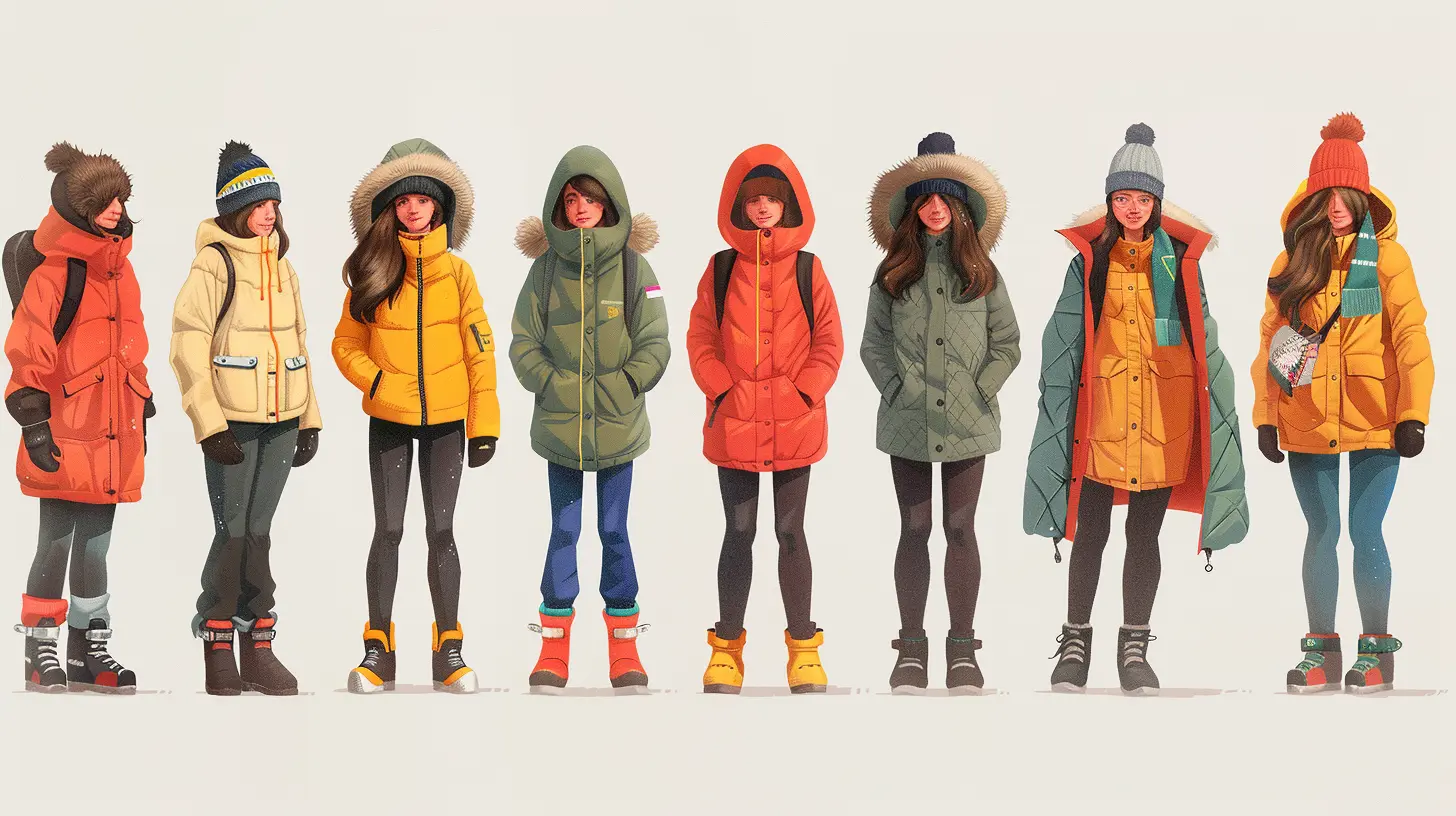
The Golden Rule of Layering
Layering isn't just about throwing on as many clothes as possible. Nope, it's a science. The goal? Trap heat, wick moisture, and protect yourself from the elements—all while staying flexible and comfortable.The key is three essential layers:
1. Base Layer – The moisture-wicker
2. Mid Layer – The heat-retainer
3. Outer Layer – The shield against the elements
Miss one, and you risk feeling like an icicle… or a walking sauna. 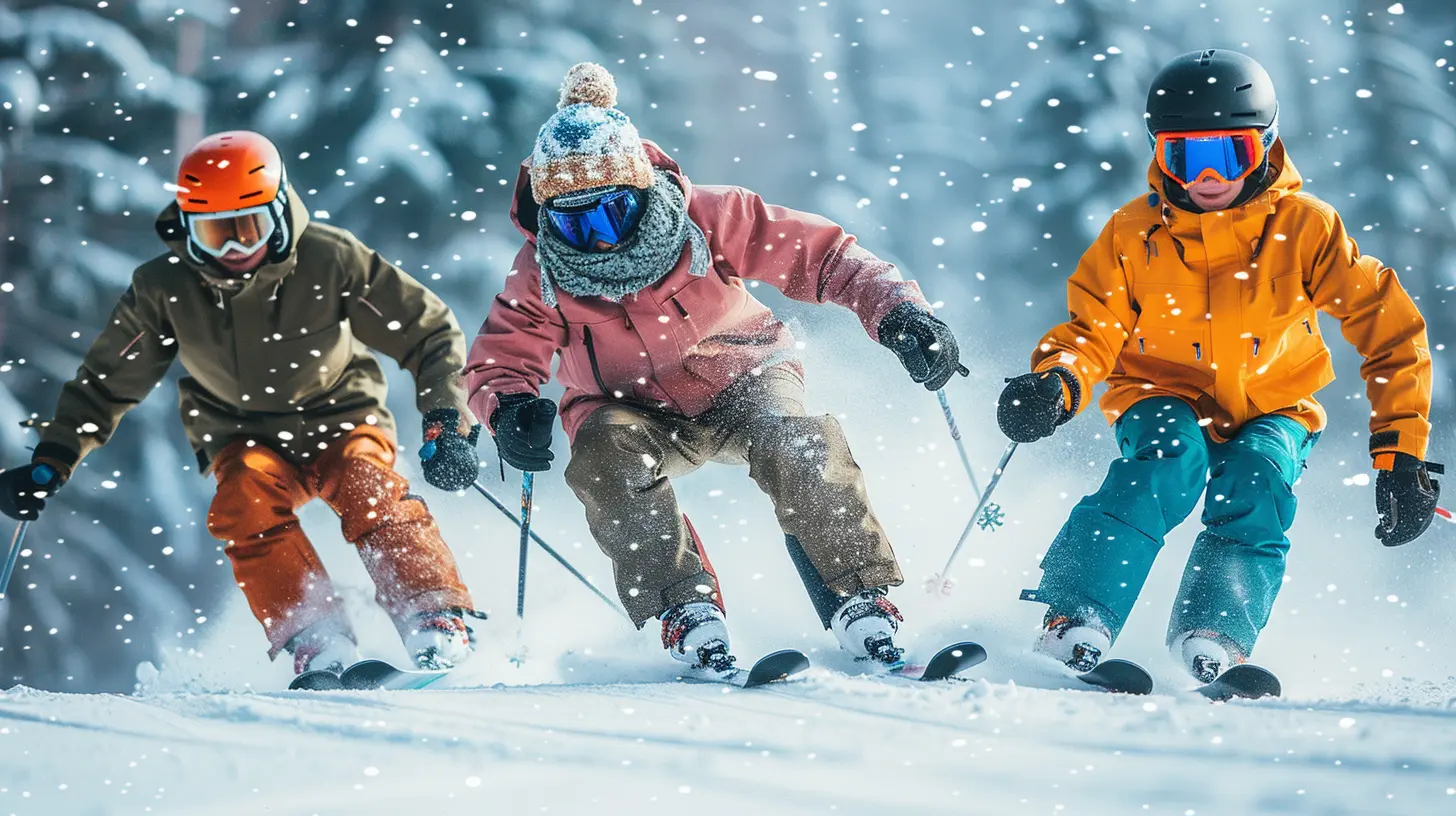
Step 1: The Base Layer – Your Second Skin
This ain't just any old long-sleeve shirt you found in your closet. Your base layer is your foundation, responsible for one crucial job: wicking away sweat.Skiing and snowboarding might be cold-weather sports, but you’ll work up a serious sweat. And if that moisture stays on your skin? Hello, freezing misery.
What to Look For in a Base Layer:
✅ Material Matters: Ditch cotton—it soaks up sweat and will leave you colder than your ex’s heart. Instead, go for materials like merino wool or synthetic fabrics (polyester, nylon).✅ Fit: Snug but not constricting—think of it as a cozy hug, not a body wrap.
✅ Weight Options:
- Lightweight for milder days
- Midweight for cold conditions
- Heavyweight for “why-am-I-outside” freezing temps
Base Layer Pro Tip:
Wear moisture-wicking thermal leggings and a long-sleeve top. Trust me, your body will thank you.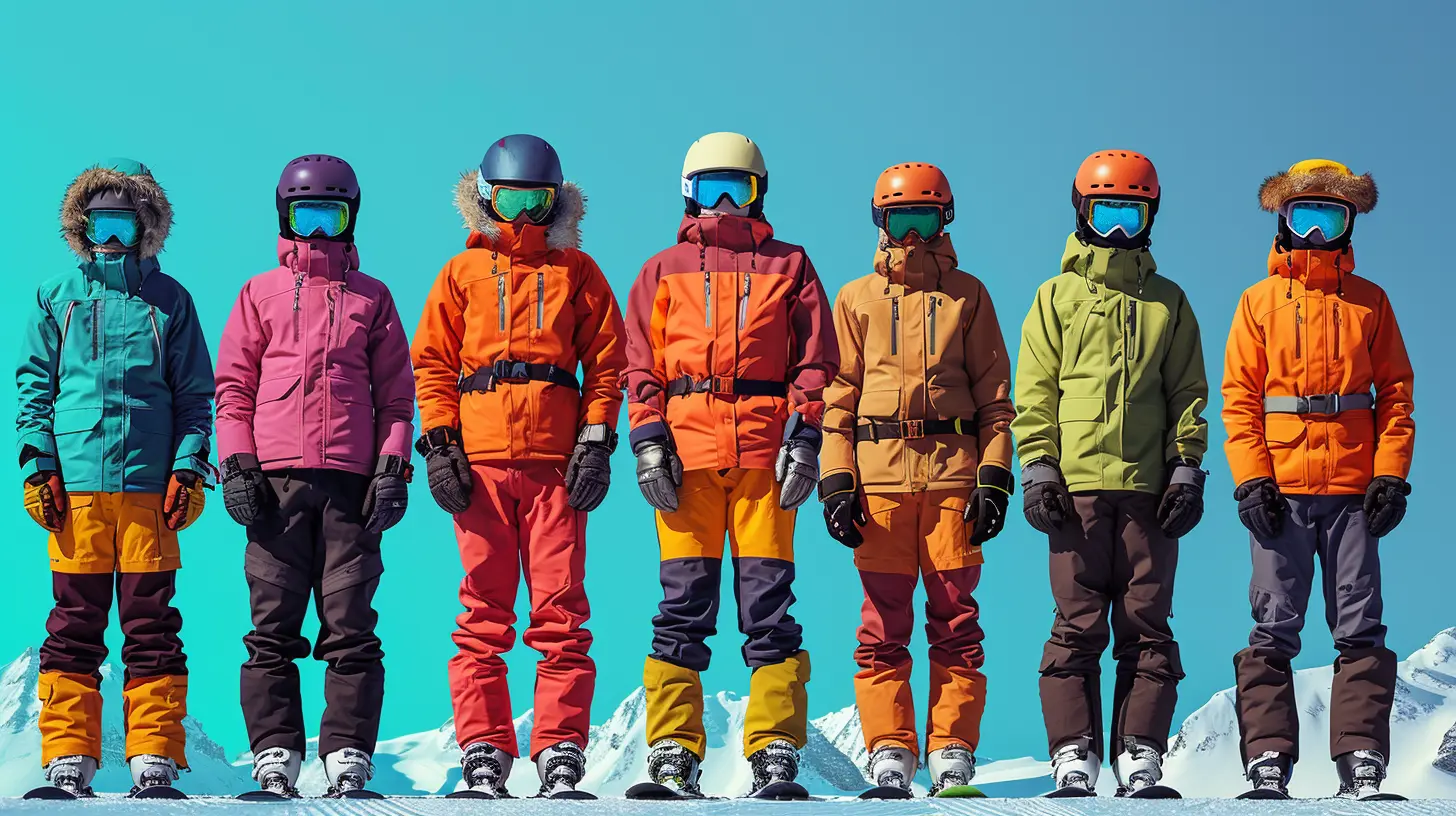
Step 2: The Mid Layer – Your Heat-Trapper
The mid layer is the real MVP when it comes to staying warm. It’s there to trap body heat while still letting moisture escape.What Makes a Great Mid Layer?
🔥 Materials: Look for fleece, down, or an insulated synthetic jacket. They keep the warmth in without adding bulk.🔥 Fit: Roomy enough to allow movement but not so loose that it doesn’t insulate properly.
🔥 Types of Mid Layers:
- Fleece Jackets: Lightweight and breathable, perfect for most conditions.
- Down Jackets: Ultra-warm, but not great when wet.
- Synthetic Insulation: Almost as warm as down and better in wet conditions.
Mid Layer Pro Tip:
If you tend to overheat, opt for a zip-up fleece so you can control ventilation.
Step 3: The Outer Layer – Your Weather Warrior
Alright, so you've trapped heat. But what about wind, snow, and that occasional face-full of powder? That’s where the outer layer comes in.This layer is your armor against the elements—windproof, waterproof, and ready for battle.
What to Look For in an Outer Layer:
💨 Waterproof & Breathable: Gore-Tex or similar materials are your best friends.💨 Windproofing: Because a gust of icy wind can ruin anyone’s day.
💨 Vents: Pit zips or side vents allow airflow when you start sweating.
💨 Fit: Roomy enough to fit your other layers but not oversized. Remember, you're skiing, not wearing a parachute.
Outer Layer Pro Tip:
Choose a ski jacket and pants that have sealed seams and snow skirts to keep the powder on the slopes, not inside your clothes.Don't Forget About Your Extremities!
Think you’re done with layering? Not so fast. If your fingers, toes, or head are freezing, the rest of your body will suffer.Hands:
🧤 Gloves vs. Mittens? Mittens are warmer, but gloves offer better dexterity. If you can’t decide, grab a pair of liner gloves under your mittens—best of both worlds.Feet:
🧦 Ditch Cotton Socks! Go for wool or synthetic ski socks. And don’t double up—too much bulk can actually reduce circulation.Head & Neck:
🧣 Helmets are not just for safety—they keep your head warm, too! Throw in a balaclava or neck gaiter to protect against biting winds.Common Layering Mistakes (And How to Avoid Them)
🚫 Wearing Cotton Anything – Cotton absorbs moisture, making you colder. Leave it for your après-ski outfit.🚫 Over-Layering – More layers don’t always mean more warmth. Too many, and you’ll sweat like crazy—only to freeze later.
🚫 Ignoring Ventilation – If you overheat, unzip that jacket or use those pit zips. Proper airflow keeps you comfy.
🚫 Neglecting Your Legs – Lower body layers matter just as much as your upper layers. Thermal leggings under ski pants? Game changer.
🚫 Forgetting to Adjust Layers – Conditions change. Be ready to add or remove a layer as needed.
Final Thoughts: Stay Warm, Stay Dry, Stay Comfortable
Mastering the art of layering is the key to staying warm, comfy, and having the time of your life on the slopes. Stick to the three-layer system, pick the right materials, and avoid common mistakes.Because let’s face it—no one wants to be the person shivering in the lodge or sweating buckets halfway down the mountain.
Now, grab your gear and hit those slopes like a layering pro!
all images in this post were generated using AI tools
Category:
Skiing And SnowboardingAuthor:

Claire Franklin
Discussion
rate this article
2 comments
Sybil Carrillo
Embrace the joy of layering for your snow adventures! With the right combinations, not only will you stay warm and comfortable on the slopes, but you'll also feel free to fully enjoy every moment of the winter wonderland!
March 4, 2026 at 4:43 AM
Claire Franklin
Absolutely! Layering is key to staying warm and enjoying every moment on the slopes. Happy skiing!
Atlas Warner
Layering is not just about warmth; it’s a philosophy of adaptability. Each layer represents resilience, allowing us to navigate both the chill of winter and the heat of life’s challenges. Embrace the art of versatility, and let each layer be your shield against the elements.
February 13, 2026 at 4:15 AM
Claire Franklin
Thank you for your insightful comment! Layering truly embodies adaptability and resilience, allowing us to tackle both weather and life's challenges effectively. Embracing this philosophy can enhance our comfort on the slopes and beyond.