How to Overcome the Challenges of Ice and Hard Packed Snow
5 August 2026
Winter landscapes are breathtaking, but they come with a fair share of challenges—especially when it comes to ice and hard-packed snow. Whether you're an adventurous traveler exploring icy terrains or just trying to navigate your own driveway in the middle of winter, dealing with slick and compacted surfaces can be quite intimidating.
So, how do you stay safe and confident on ice and hard snow? Let’s dive into some practical tips, techniques, and safety measures to help you conquer these frozen obstacles like a pro.
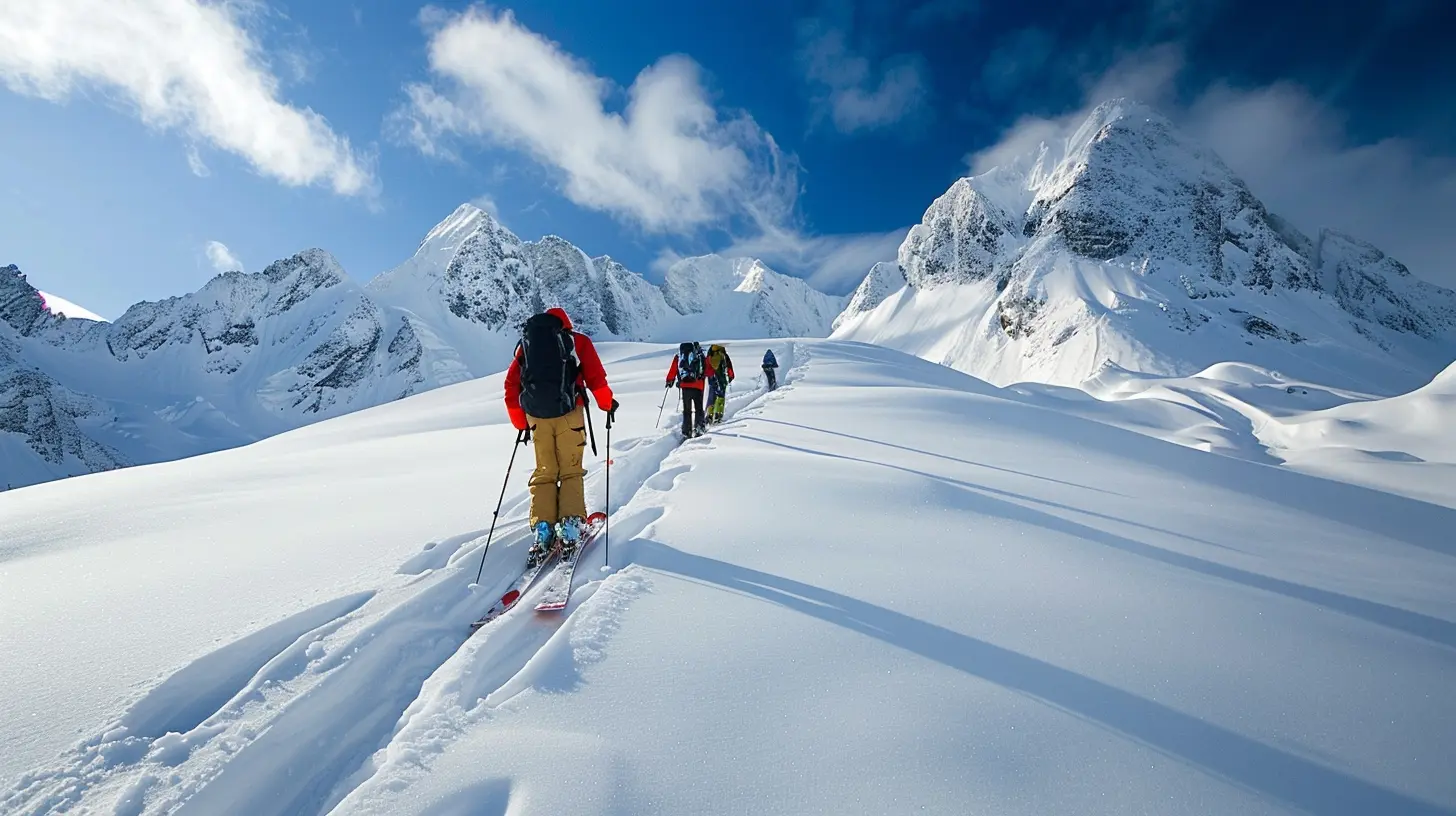
Understanding the Hazards of Ice and Hard-Packed Snow
Before we get into solutions, it's essential to understand the dangers associated with ice and hard-packed snow. These surfaces are notorious for being slippery, unpredictable, and sometimes even invisible (hello, black ice!). A misstep or loss of control can lead to falls, injuries, or even serious accidents when driving.Common challenges include:
- Reduced traction – Whether on foot or in a vehicle, ice significantly reduces grip, making movement tricky.
- Hidden hazards – Ice can conceal obstacles like cracks, potholes, or even thin layers of water that increase slipperiness.
- Unpredictable conditions – Hard-packed snow can feel solid but suddenly give way, leading to loss of balance.
- Increased stopping distance – Cars and even pedestrians take longer to come to a full stop, increasing the risk of collisions.
Now that we’ve set the stage, let’s look at how to overcome these icy challenges.
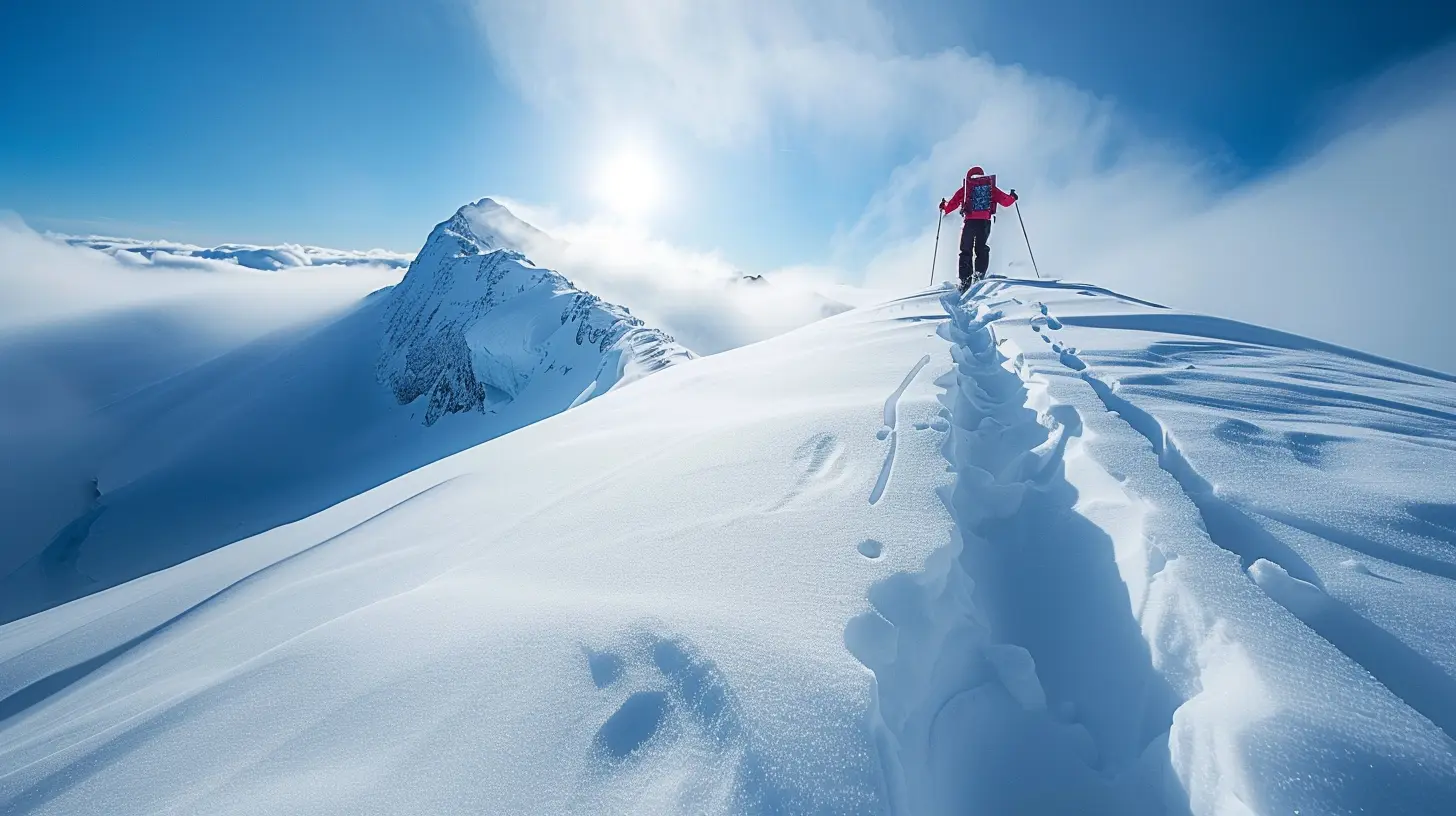
Walking on Ice and Hard-Packed Snow
1. Choose the Right Footwear
The wrong shoes can turn a simple walk into a winter nightmare. If you’re navigating icy or snowy terrain, go for:- Boots with deep treads – The more aggressive the tread, the better the grip.
- Ice cleats or traction devices – Attach these to your shoes for enhanced stability.
- Rubber soles over leather or plastic – Rubber provides better grip on slick surfaces.
2. Adopt the Penguin Walk
Yes, you read that right—channel your inner penguin! Instead of walking normally:- Keep your center of gravity over your front foot.
- Take small, deliberate steps.
- Keep your knees slightly bent for better balance.
3. Use Walking Aids
If you’re dealing with extreme conditions, consider using trekking poles or a walking stick. They offer extra stability and can help prevent falls.4. Be Mindful of Black Ice
Black ice is sneaky. It’s a thin, transparent layer that blends with the surface beneath it, making it nearly impossible to detect. To stay safe:- Test surfaces with your foot before committing to a full step.
- Avoid sudden movements—take it slow and steady.
- Stick to salted or gritted paths whenever possible.
Driving on Ice and Hard-Packed Snow
5. Equip Your Vehicle Properly
Driving on ice requires more than just experience—it requires preparation. Make sure your vehicle is winter-ready by:- Using winter tires – They provide better traction than all-season tires.
- Carrying chains – In extreme conditions, snow chains can be lifesavers.
- Keeping an emergency kit – Include blankets, a flashlight, a shovel, and kitty litter (for traction).
6. Adjust Your Driving Technique
Winter roads demand a different driving approach. Follow these key adjustments:- Slow down – Speeding increases the risk of losing control.
- Brake gently – Slamming on the brakes can cause skidding. Instead, use slow, controlled braking.
- Increase following distance – Give extra space between you and the vehicle ahead to account for longer stopping times.
- Steer into the skid – If your car starts skidding, turn the steering wheel in the direction you want the vehicle to go.
7. Know When to Stay Put
Sometimes, the best way to stay safe is to avoid driving altogether. If the roads are icy, visibility is poor, or authorities warn of hazardous conditions, it's best to stay home or wait for conditions to improve.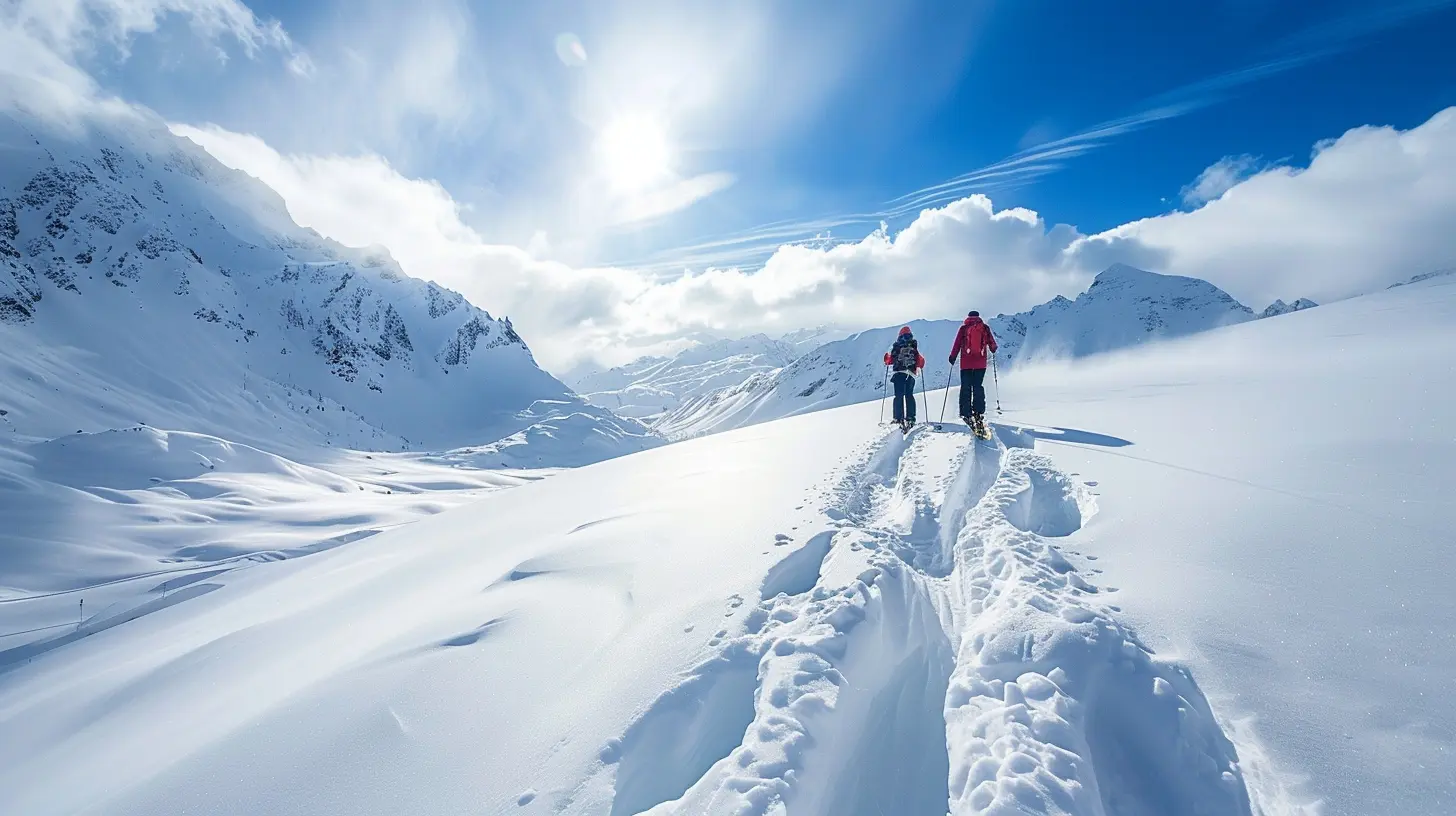
Dealing with Ice and Snow in Outdoor Adventures
8. Wear the Right Gear
If you’re hiking, mountaineering, or skiing, having the right gear is non-negotiable. Layer up with moisture-wicking fabrics, windproof outer layers, and insulated gloves. Don't forget:- Gaiters – To keep snow out of your boots.
- Crampons – Essential for gripping icy slopes.
- Ice axe – If tackling steep terrain, an ice axe can save you from dangerous slips.
9. Learn Self-Arrest Techniques
If you're hiking or climbing and lose your footing, knowing how to stop yourself can prevent serious injury. The self-arrest technique involves using an ice axe to dig into the snow and slow your slide. It’s a crucial skill for winter adventurers.10. Hydrate and Fuel Up
Cold weather can be deceptive—you may not feel thirsty, but dehydration still happens. Keep drinking water and snack on high-energy foods to stay warm and energized.Preventing Ice-Related Accidents at Home
11. Use Ice Melt and Sand
If you're dealing with ice on your driveway or sidewalks, applying salt, sand, or commercial ice melt can improve traction and safety.12. Shovel Regularly
Prevent snow from becoming hard-packed by shoveling frequently. If you wait too long, it compacts and becomes much harder to remove.13. Install Handrails
If you have outdoor stairs or walkways, consider installing sturdy handrails for extra support.14. Light Up Your Pathways
Early mornings and evenings can be treacherous in winter. Good lighting helps you spot ice patches before they become a hazard.
Mental Preparedness: Overcoming the Fear of Ice and Snow
Beyond physical precautions, winter conditions also require a mindset shift. If you're nervous about walking or driving on ice, remind yourself that confidence and preparation go hand in hand. Stay calm, move deliberately, and trust in your equipment and technique.Final Thoughts
Ice and hard-packed snow present unique challenges, but with the right approach, they don't have to be a nightmare. Whether you're walking, driving, or venturing into the great outdoors, equipping yourself with the right gear, techniques, and knowledge can make all the difference.So, the next time you find yourself facing a wintery obstacle, take a deep breath, trust your footing (or tires), and remember—you’ve got this!
all images in this post were generated using AI tools
Category:
Skiing And SnowboardingAuthor:

Claire Franklin