Island Snow: Surprising Places You Can Snowboard Near the Equator
13 August 2026
When you think of snowboarding, what comes to mind? Probably the snowy peaks of the Swiss Alps, the powdery slopes of Colorado, or maybe Japan’s Hokkaido. But snowboarding near the equator? That sounds like a contradiction, right?
Well, buckle up! Because we’re going on a wild ride through some of the most unexpected mountaintops where you can shred fresh powder just a stone’s throw from sandy beaches and palm trees. Welcome to the world of island snow — where volcanic peaks and high-altitude climates create surreal snowboarding experiences in the most unlikeliest of places.
Snowboarding and the Equator: Is That Even Possible?
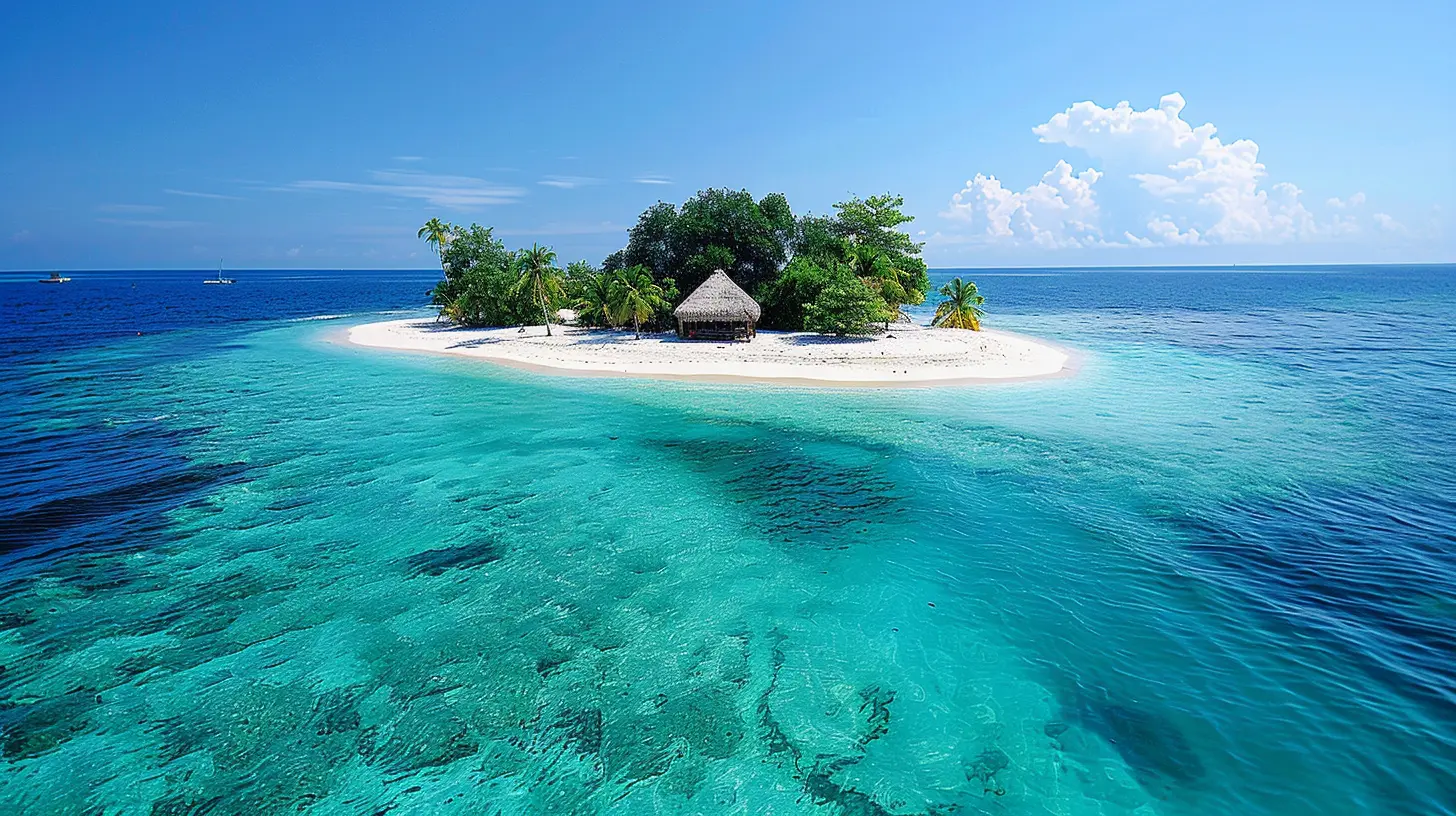
Before anything else, let’s clear this up: Yes, it is possible to snowboard near the equator. It may sound like a snow-lover’s fantasy, but thanks to towering mountains, glaciers, and unique weather systems, winter sports in tropical zones are very real — and seriously epic.Thanks to elevation and altitude, some mountainous regions near the equator stay cold enough year-round to support glaciers and snowfall. These aren’t sprawling ski resorts with gondolas and hot chocolate stands, but that’s what makes them so exciting. They’re raw, off-the-beaten-track, and serve up a rare blend of thrill and adventure.
Here are some of the most surprising places near the equator where you can snowboard — and yes, a few of them are actual islands!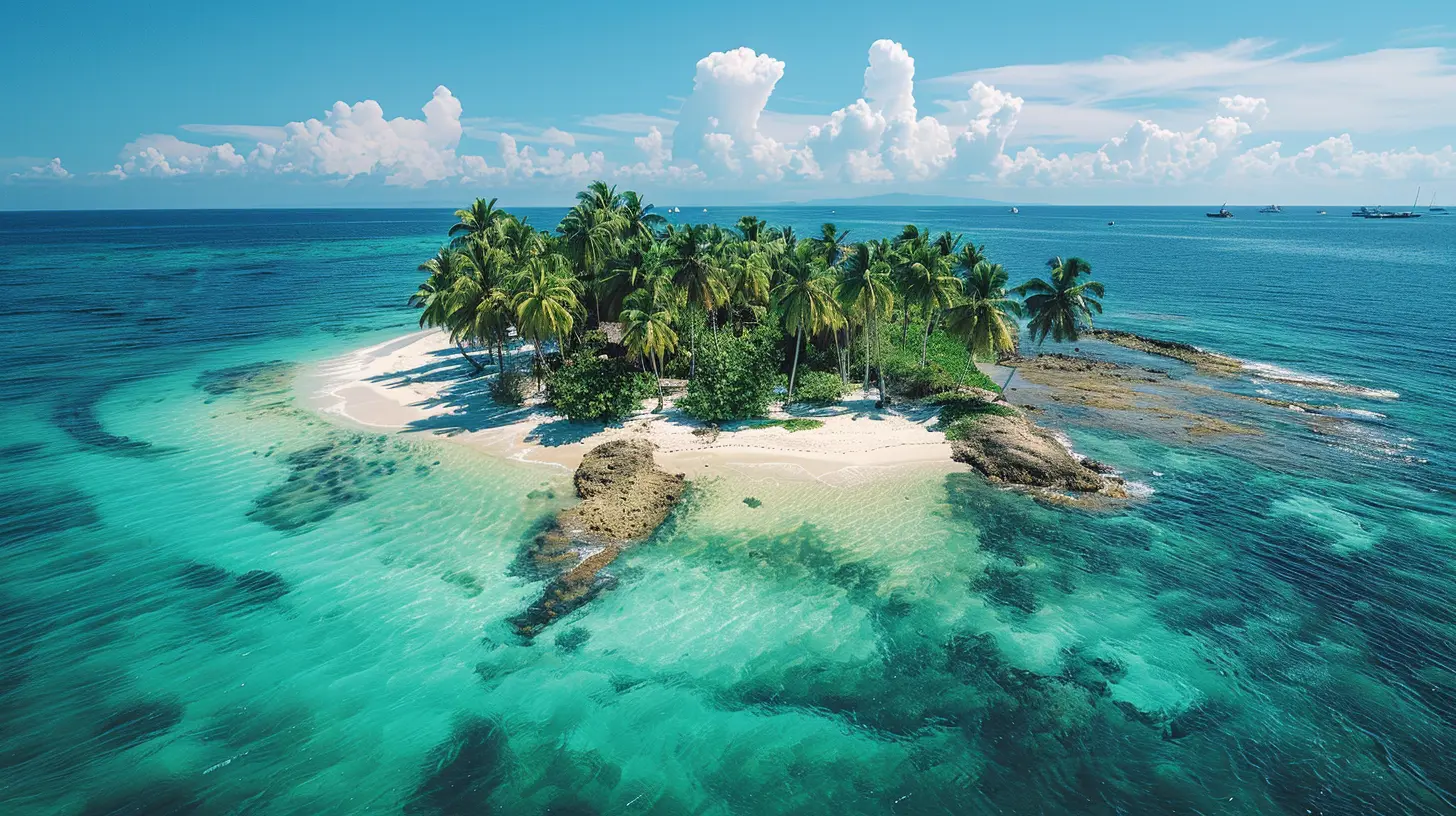
1. Mount Kilimanjaro, Tanzania ??
Africa’s Highest Peak with an Icy Twist
Mount Kilimanjaro? The poster child for trekking in Africa? Yep. That one.Situated just about 200 miles south of the equator, Kilimanjaro — standing at 5,895 meters (19,341 feet) — has long been an icon for adventurers. While it’s famous for hiking, its upper reaches are perpetually capped with glaciers and snow, making snowboarding technically possible.
Now, before you start Googling flight prices to Arusha, let’s be honest: This is not your typical snowboard trip. You’ll need permits, guides, and mountaineering gear. But for the extreme boarder with an appetite for something truly unique, carving lines on Africa’s rooftop is an unforgettable experience.
Pro Tip: Snow conditions vary and are affected by climate change, so check current glacier coverage before planning your trip.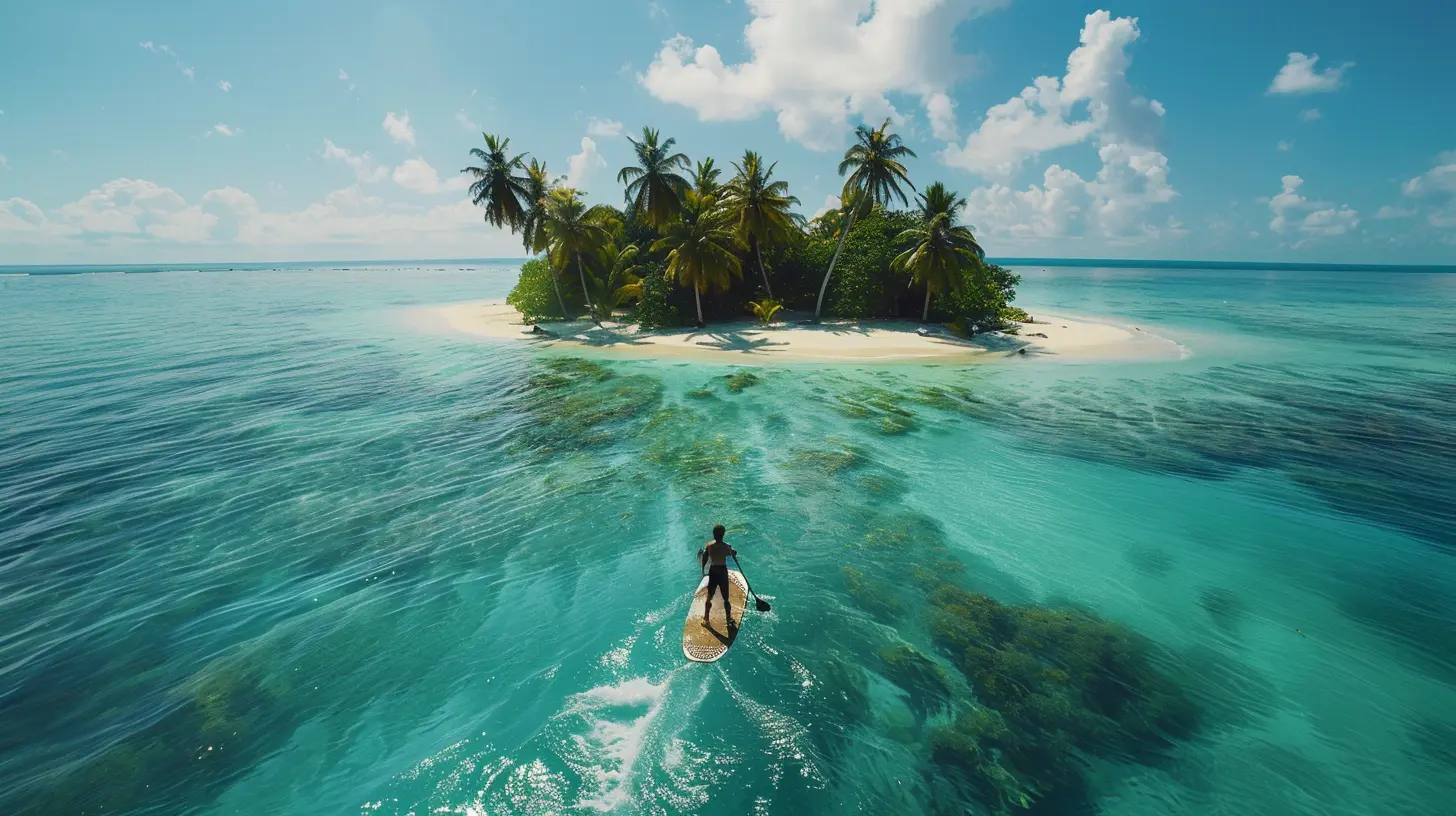
2. Mauna Kea, Hawaii ??
From Beach to Blizzard in a Day
Hawaii and snowboarding? Seems like a joke, right? But Mauna Kea — the Big Island’s towering volcano — reaches nearly 13,803 feet (4,207 meters) and gets snow during the winter months.If you're lucky enough to catch it snowcapped (typically between December and February), and if the roads are open (they often close due to icy conditions), you could literally surf in the morning and snowboard by afternoon. That’s not just a catchy travel story — it’s totally doable here.
There are no ski lifts or rental shops — this is backcountry snowboarding at its core. You’ll need a 4WD, solid gear, and a strong sense of adventure. Oh, and maybe a surfboard, too, because… why not?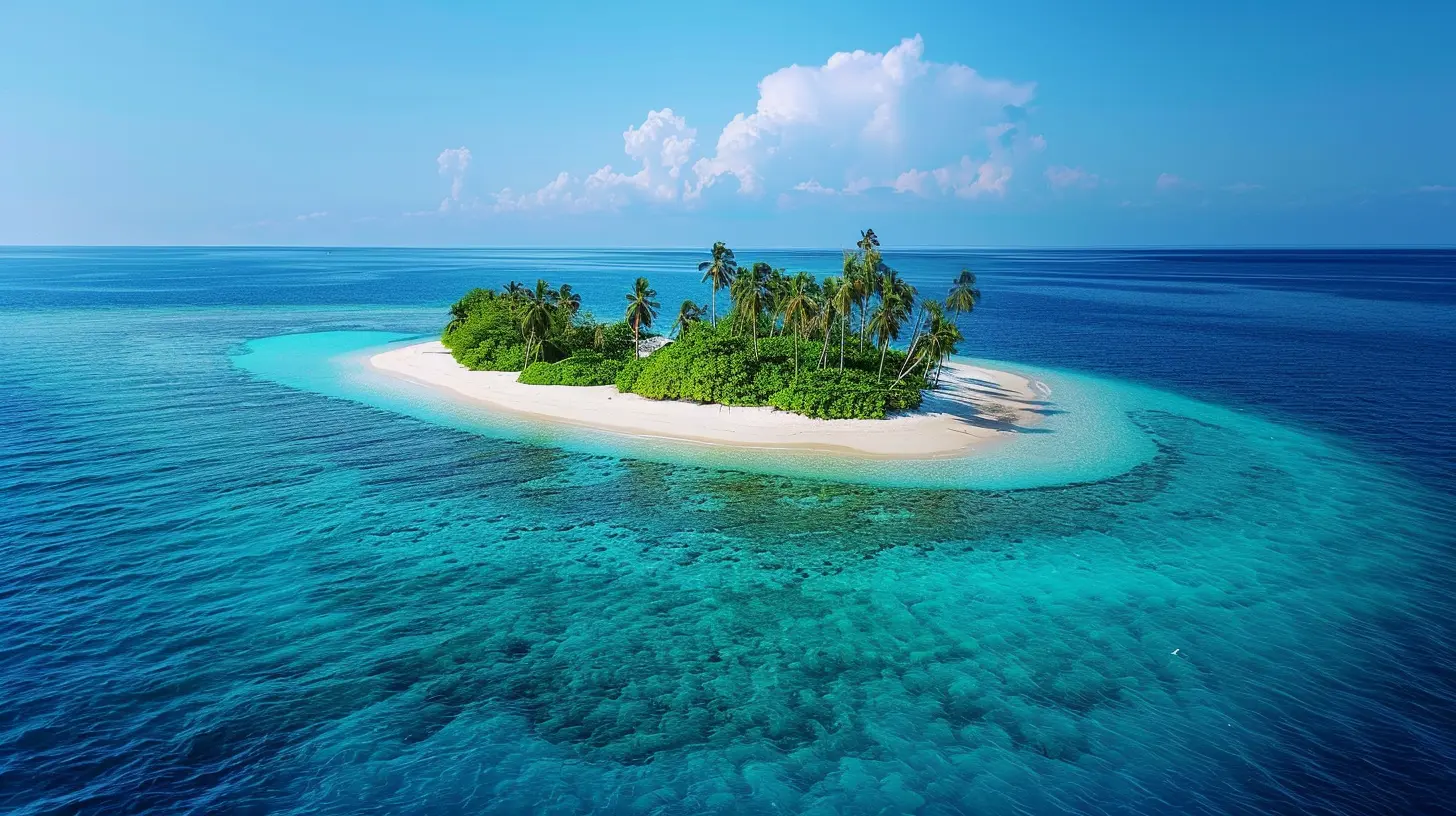
3. Mount Ruapehu, New Zealand ??
South Pacific’s Alpine Playground
Alright, we’re cheating a tiny bit here. New Zealand isn’t smack on the equator, but it’s still closer to the tropics than, say, Switzerland — and it’s surrounded by ocean. More importantly, Mount Ruapehu is an actual active volcano located on New Zealand’s North Island, and it's totally rideable.With two major ski fields — Whakapapa and Tūroa — this mountain offers groomed slopes, terrain parks, and wicked views. You’re snowboarding on a volcano, surrounded by lush forests and blue lakes. It’s like skiing on a Lord of the Rings set.
Plus, since it’s in the Southern Hemisphere, their winter falls from June to October — perfect for an off-season ski trip.
4. Pico de Orizaba, Mexico ??
Snowboarding on a Mexican Volcano
Cerveza, tacos, and… snowboarding?Pico de Orizaba (also known as Citlaltépetl) is Mexico’s highest mountain, soaring up to 5,636 meters (18,491 feet). It’s the third highest peak in North America and is often covered in snow, especially during the winter months.
Though it doesn't have ski lifts or infrastructure, it's been a magnet for mountaineers for decades, and intrepid snowboarders can also descend its glaciated slopes. It's no resort, but it is wild, beautiful, and completely off-the-radar.
Snowboarding here feels like trespassing on nature’s secret playground — and who doesn’t love a good secret?
5. Mount Wilhelm, Papua New Guinea ??
A Jungle… With Snow?
This one's a real shocker. Nestled in the heart of Papua New Guinea’s tropical highlands, Mount Wilhelm stands at 4,509 meters (14,793 feet) and sees occasional snow at its peak despite being only a few degrees south of the equator.We won’t lie — snowboarding here is less predictable due to erratic snowfalls and limited access. But it’s possible at certain times of year, particularly during the Southern Hemisphere's winter.
Reaching the summit is an adventure in itself. You trek through lush jungle, alpine meadows, and finally into high mountain terrain. If you’re lucky, you’ll find some snow to ride — but even if you don’t, the journey alone is worth it.
6. Rwenzori Mountains, Uganda & DRC ?? ??
The “Mountains of the Moon”
Located along the border of Uganda and the Democratic Republic of Congo, the Rwenzori Mountains are as mystical as they sound. Rising up to 5,109 meters (16,763 feet), Mount Stanley, the range’s highest peak, is often cloaked in snow and ice.The mountains are known for their glaciers and year-round snowfields despite being practically on the equator. Historically, these glaciers have made mountaineering and — for the bold — snowboarding possible.
Due to their remote location and conservation concerns, getting here is challenging, but rewarding. You won't find ski runs, but you will find untouched snow and the kind of solitude mountain lovers dream about.
7. Mount Elgon, Uganda/Kenya ?? ??
Hidden Snow Among Ancient Peaks
Another East African gem, Mount Elgon isn’t as high as Kilimanjaro, but it reaches a respectable 4,321 meters (14,177 feet) and gets the occasional dusting of snow, especially during cold snaps.It's an extinct shield volcano with vast calderas, caves, and highland forests. Snowboarding here is less consistent than on taller mountains but still possible during rare cold spells.
While it may not offer regular boarding opportunities, Mount Elgon makes the cut for its incredible biodiversity and wild, immersive landscape. Adventurers with a flexible itinerary (and a sense of humor) might just catch a rideable patch.
Why Snowboarding Near the Equator Is So Cool (Literally)
So, what’s the appeal of boarding in these unusual spots? For starters, it’s one hell of a story. Imagine telling your mates you rode a volcano in Hawaii or carved fresh lines on a Mexican glacier. Beats the usual ski trip, right?But beyond the bragging rights, it’s about the experience. These places force you out of your comfort zone. No lodges, no après-ski parties, no chair lifts. Just you, your board, and nature in its rawest form.
It’s snowboarding stripped down to its core — adventurous, unpredictable, and unforgettable.
A Few Things to Know Before You Go
- Skill Level: Most of these locations are for advanced riders. No bunny slopes here!- Gear Up: You’ll need to bring your own kit — rentals aren’t a thing in most of these places.
- Weather Conditions Vary: Snowfall isn’t consistent near the equator, so flexibility is key.
- Permits and Guides: Some mountains (like Kilimanjaro and Orizaba) require guides or permits.
- Altitude Sickness: Many spots are well above 4,000 meters. Acclimatize properly.
- Safety First: Avalanches, crevasses, and remote terrain mean this isn’t the place to wing it.
Final Thoughts: Would You Ride the Island Snow?
Snowboarding near the equator kind of feels like discovering a unicorn, right? It’s rare, majestic, and totally badass. These spots aren’t just places to ride — they’re adventures waiting to happen. They challenge more than just your boarding skills; they push your limits, shift your perspective, and leave you with memories etched in both ice and fire.So, whether you’re a thrill-seeker, a travel junkie, or just someone who likes to do things differently, consider chasing the snow where the sun shines brightest.
Island snow? It’s not a myth. It’s the ride of your life.
all images in this post were generated using AI tools
Category:
Skiing And SnowboardingAuthor:

Claire Franklin