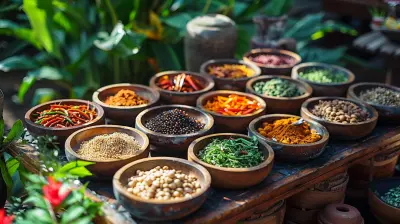
Meet the Guardians: Indigenous Communities and Their Forest Home
10 March 2026
Introduction
Imagine a world where lush green forests stretch as far as the eye can see, where the air is thick with the scent of damp earth and blooming flowers, and where the symphony of nature plays in perfect harmony. For countless indigenous communities, this isn’t just a dreamy escape—it’s home. Their forests are more than just land; they are living, breathing sanctuaries that have sustained their people for generations.
But here’s the thing—these guardians of the forest do more than just live in harmony with nature. They protect it. While the rest of the world battles climate change, deforestation, and biodiversity loss, indigenous communities have been quietly conserving some of the planet’s most precious ecosystems.
So, let's take a journey into their world, understand their deep-rooted connection with the land, and see how their wisdom might just be the key to saving our planet. 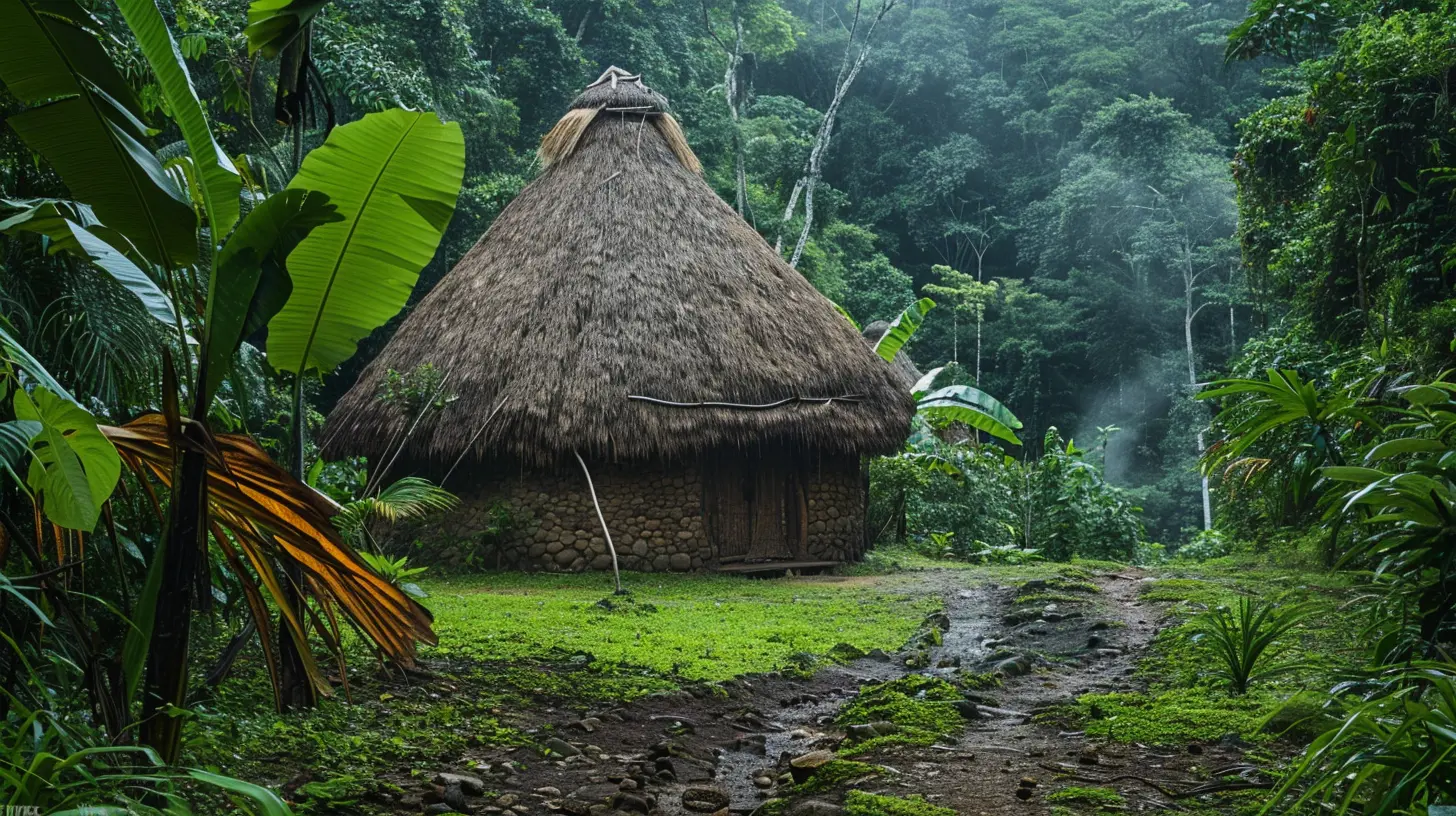
The Forest: More Than Just Trees
When we think of forests, we often picture vast stretches of greenery, towering trees, and chirping birds. But to indigenous tribes, a forest isn’t just a collection of trees—it's a family. They believe that every tree, river, and animal has a spirit, a purpose, and a sacred role in maintaining balance.For generations, these communities have lived by the principle of reciprocity—giving back as much as they take. Their way of life isn’t about exploiting nature but coexisting with it. They rely on the forest for food, medicine, shelter, and spiritual guidance, all while ensuring it thrives for future generations. 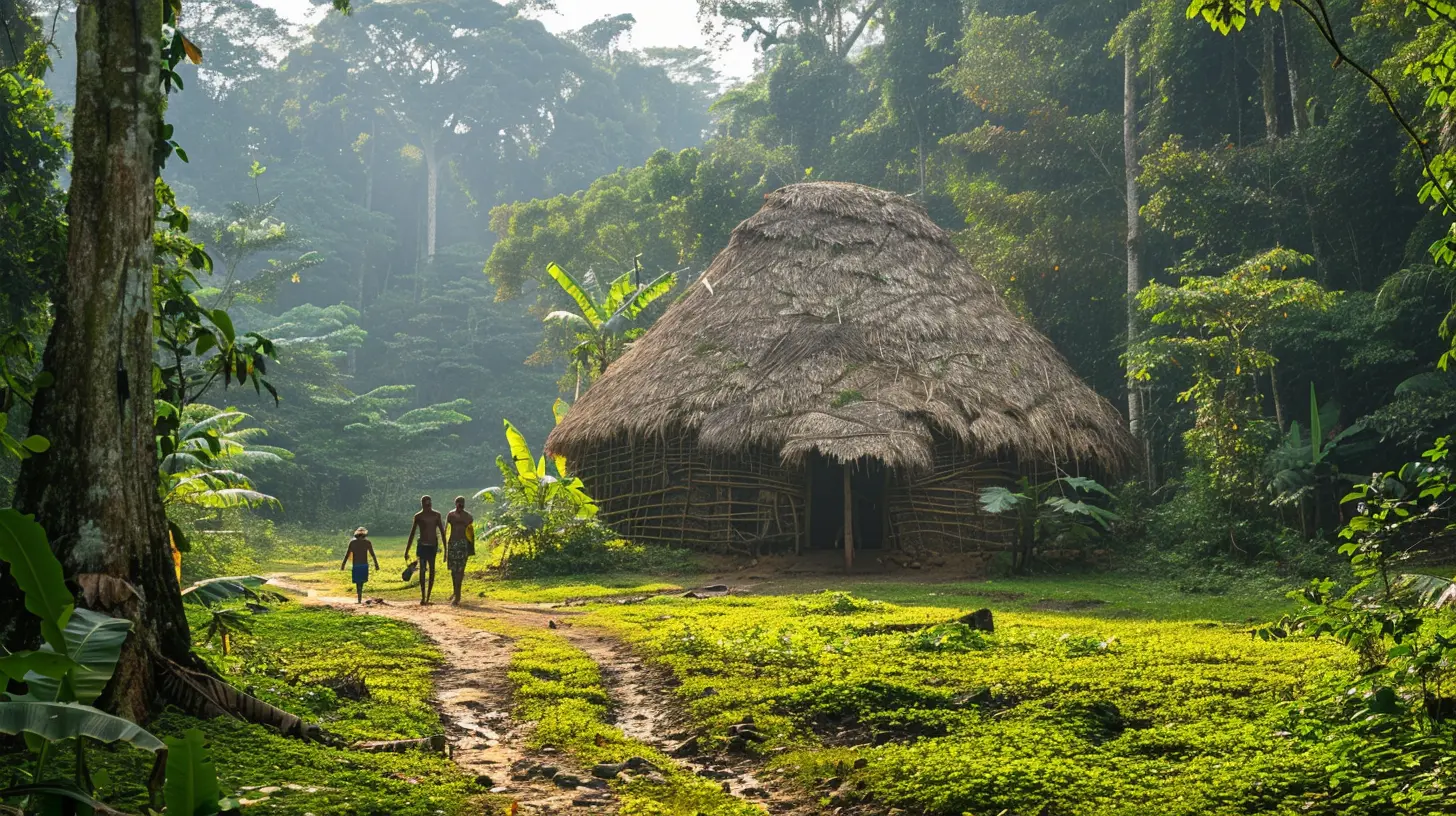
Guardians of Biodiversity
Did you know that indigenous lands contain about 80% of the world’s remaining biodiversity? That’s no coincidence. These communities have developed intricate knowledge systems that help protect delicate ecosystems.- Traditional farming techniques like shifting cultivation ensure that the land remains fertile without depleting its resources.
- Sacred forests and conservation zones are untouched areas reserved for nature to regenerate.
- Selective hunting and fishing prevent overexploitation and maintain ecological balance.
This isn’t just sustainable living—it’s nature’s blueprint for survival, perfected over centuries. 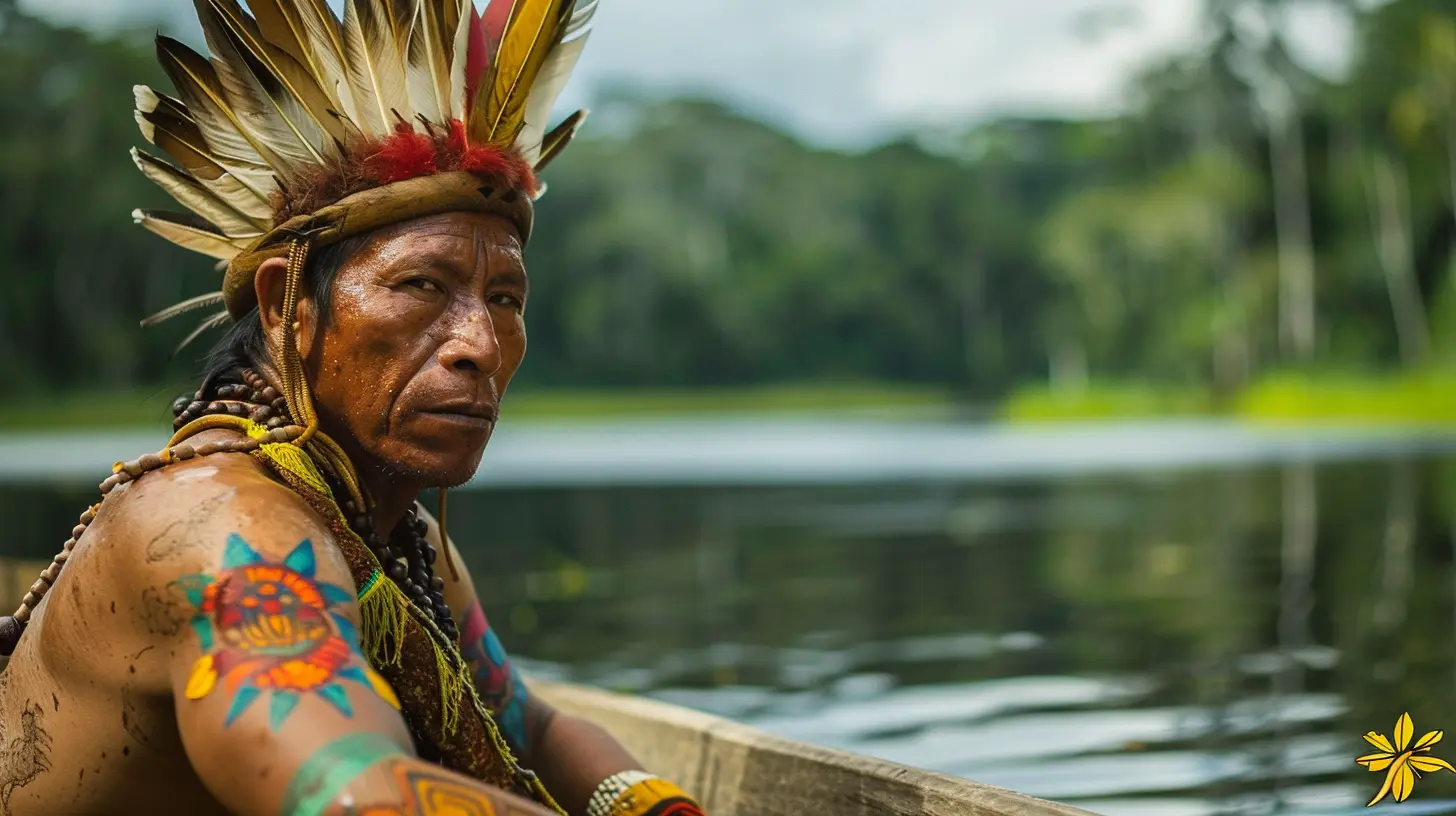
Ancient Wisdom: Protecting the Planet Naturally
Long before sustainability became a global buzzword, indigenous people had already mastered it. Their knowledge of plants, weather patterns, and wildlife behavior is astounding. And the best part? They don’t rely on machines or laboratories—just pure observation, experience, and ancestral wisdom.Medicinal Marvels
Ever taken aspirin for a headache? Thank indigenous knowledge for that. Willow bark, the natural source of aspirin, has been used by indigenous healers for centuries. From curing fevers with quinine to treating wounds with medicinal herbs, these communities have built an extensive natural pharmacy—one that modern medicine is still learning from.Fire Management: The Art of Controlled Burns
Wildfires have become an increasing problem worldwide, but indigenous people have been preventing catastrophic fires for generations. How? Through controlled burns. By carefully setting small, manageable fires, they reduce dry vegetation that could otherwise fuel massive wildfires. It’s a technique that modern fire management strategies are now embracing.Water Wisdom
Clean water is becoming scarce, but indigenous communities have always understood how to maintain healthy water ecosystems. By protecting watersheds, using natural filtration methods, and respecting water sources as sacred, they ensure that rivers and lakes remain pure and abundant.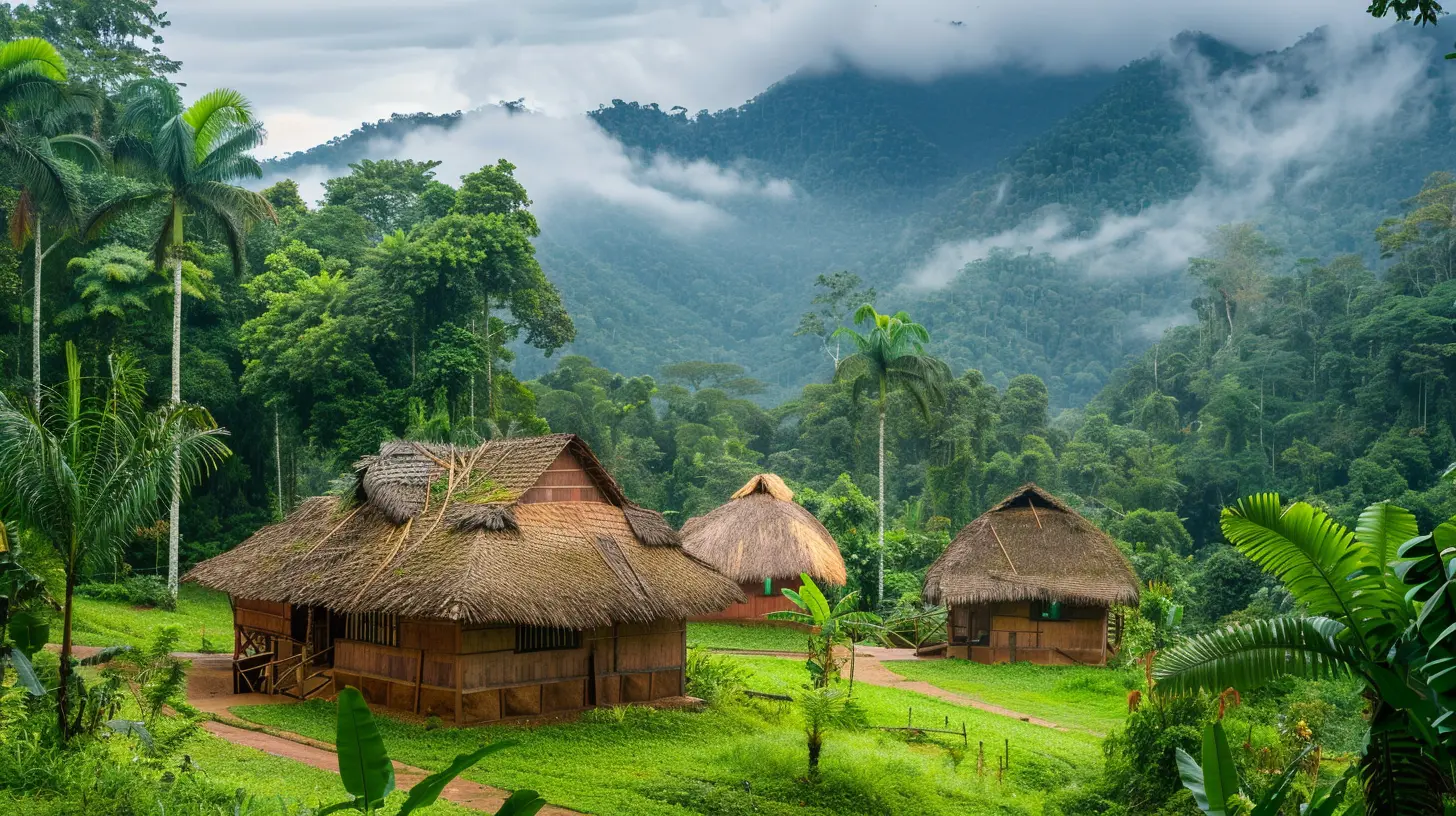
The Fight Against Deforestation
Despite their critical role in conservation, indigenous lands are under constant threat from logging, mining, and agriculture. Every year, vast portions of their forests are destroyed to make way for industries that prioritize profit over the planet.But these communities aren’t backing down. They are fighting back through legal battles, activism, and environmental campaigns. Organizations worldwide are now recognizing the importance of granting land rights to indigenous people to help protect remaining forests.
And it’s not just about saving trees—it’s about preserving cultures, traditions, and wisdom that could be lost forever if their lands are taken away.
What Can We Learn From Them?
Modern society has a lot to learn from indigenous people. While technology and innovation have their place, returning to nature's rhythm might be the answer to solving many of today’s environmental challenges.Here’s what we can do:
✅ Support Indigenous Rights – Advocate for policies that protect indigenous lands. When indigenous communities have legal protection, forests thrive.
✅ Practice Sustainable Living – Reduce waste, opt for ethical products, and respect nature like indigenous people do.
✅ Learn From Their Knowledge – Next time you’re looking for a natural remedy, zero-waste lifestyle tips, or sustainable agriculture practices, turn to indigenous wisdom.
✅ Help Raise Awareness – Share their stories, support documentaries, and educate others about the invaluable role indigenous communities play in conservation.
Conclusion
Indigenous communities aren’t just residents of the forest; they are its guardians, protectors, and caretakers. Their way of life, deeply woven with nature, offers lessons in sustainability, respect, and coexistence that the modern world desperately needs.As deforestation and climate change threaten the future of our planet, perhaps the real solution lies not in new technology, but in ancestral wisdom—the wisdom of those who have been living in harmony with the Earth for centuries.
It’s time we recognize, respect, and support these communities—not just for their sake, but for the future of our forests and the planet itself.
all images in this post were generated using AI tools
Category:
Rainforest ToursAuthor:

Claire Franklin
Discussion
rate this article
2 comments
Silas Warren
This article beautifully highlights the deep connection between Indigenous communities and their forests. It's crucial to recognize and support their role as guardians of the environment. Their traditions and knowledge are vital for sustainable tourism and conservation. Let's listen to their voices and respect their rights as we explore these sacred spaces.
April 12, 2026 at 5:07 AM
Alanna Luna
What fascinating insights! How do these Indigenous communities maintain their traditions while adapting to modern challenges? I'd love to hear more about their forest stewardship practices!
March 10, 2026 at 5:31 AM
Claire Franklin
Thank you! Indigenous communities maintain their traditions by integrating ancestral knowledge with modern practices, adapting to challenges while preserving their cultural heritage. Their forest stewardship often includes sustainable land management, traditional ecological knowledge, and collaborative efforts with environmental organizations. I'd be happy to share more!