Night Hiking and Backpacking: Tips for Safe After-Dark Adventures
21 January 2026
Ever thought about hitting the trail after the sun dips below the horizon? Night hiking and backpacking under the stars can be an unforgettable experience. Whether it’s the quiet serenity, cool night air, or breathtaking views of the moonlit landscape — nighttime adventures can be magical.
But let’s not sugarcoat it — hiking in the dark brings its own set of challenges. You’re dealing with limited visibility, nocturnal wildlife, and the occasional spooky sound that makes your imagination run wild. So, before you strap on your headlamp and venture into the shadows, you need to be fully prepared.
In this guide, we’ll talk about everything you need to know to stay safe and make the most of your after-dark adventures. Sound good? Let’s dive in.
Why Night Hiking?
The Allure of the Trail After Sunset
There’s something uniquely special about being on the trail at night. Everything looks and feels different. With fewer people around, there’s a certain peacefulness that daytime hikes just can’t match.Plus, if you’re hiking in the summer, the cooler night temperatures can actually make your journey much more enjoyable. No blazing sun, no sweating buckets — just you, the path, and the stars.
A Different Kind of Adventure
Night hikes offer new challenges and rewards. Moon shadows, night sounds, and glowing eyes in the distance (probably just a deer — hopefully!) make for an exciting twist on the usual hike. And if you’re lucky enough to catch a meteor shower or hear the call of a distant owl? Pure magic.
Preparing for a Night Hike or Backpacking Trip
1. Choose the Right Trail
Okay, first things first — not all trails are good for night hiking. You’ll want a route that’s familiar, well-marked, and ideally one you've done in daylight at least once before. Trust me, now is not the time to go full Bear Grylls in uncharted wilderness.Pro Tips:
- Avoid steep cliffs, fast-moving water, or areas known for tricky footing.
- Check if night hiking is even allowed; some parks and areas close after dark.
2. Let Someone Know
Rule number one of outdoor safety? Always tell someone where you’re going and when you expect to be back. If anything goes wrong, this could literally save your life.Leave a note, send a text, or share your GPS tracking info with a friend or family member.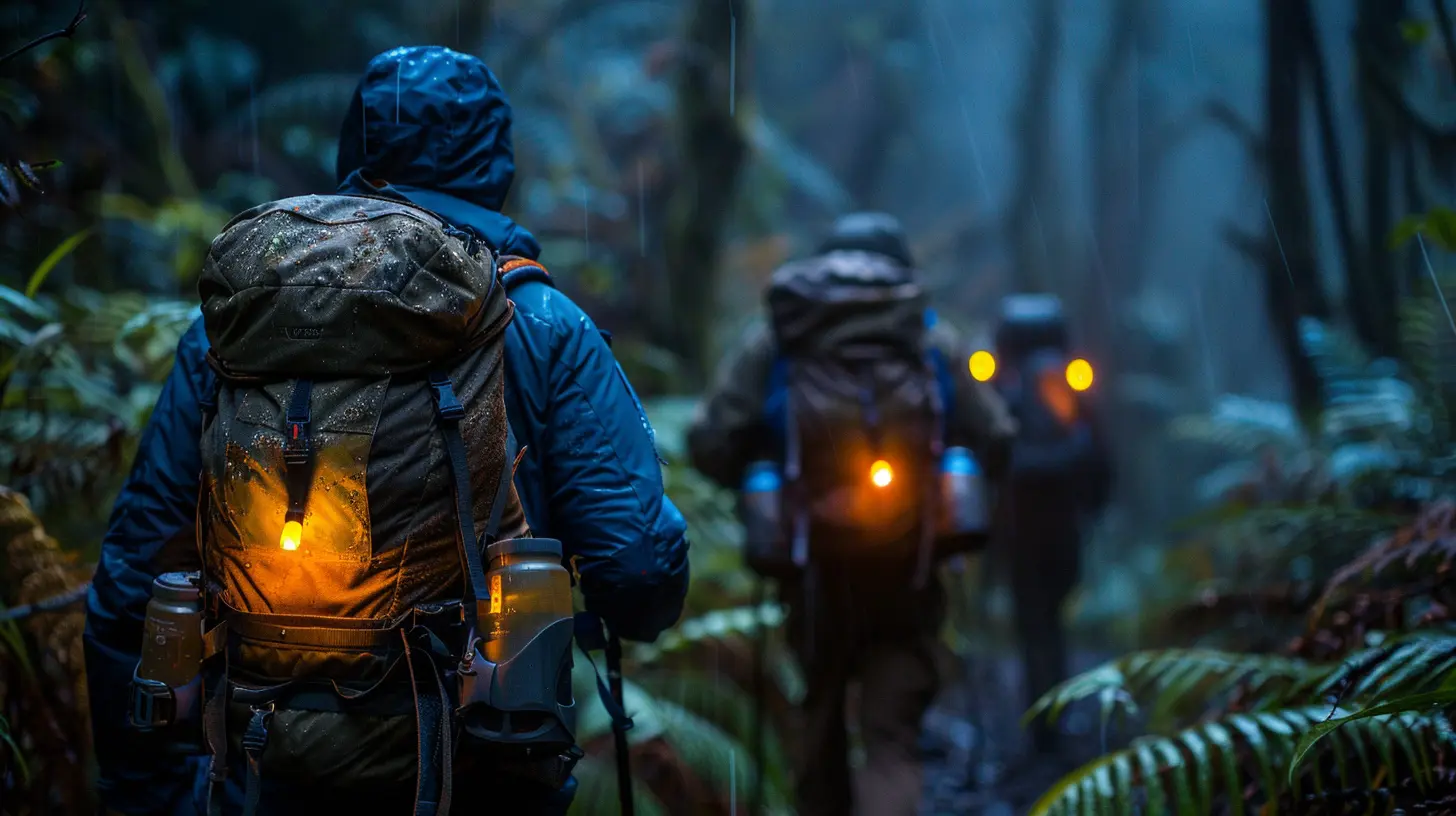
Gear Up—Night Style
Your usual hiking gear won’t quite cut it. Here's what you’ll need to stay safe and comfortable under the night sky.1. Headlamp (With Extra Batteries)
Forget flashlights — headlamps keep your hands free and give you a beam right where you’re looking. Make sure yours has a red light mode; it’s easier on your eyes and won’t blind your hiking buddies.Hot Tip: Always pack extra batteries. You do NOT want your light to die at midnight when you're miles from your car.
2. Reflective and Bright Clothing
You don’t want to blend into the shadows. Wear something with reflective strips or bright colors so your group can spot each other easily. Bonus: it makes you easier to find in case of an emergency.3. Navigation Tools
Even if you know the trail like the back of your hand during the day, it’ll look completely different at night. Bring a map, compass, and/or GPS device. And yes, your smartphone works — just make sure it’s fully charged (portable chargers are a lifesaver).4. First-Aid Kit
Always bring one. Period. Add some extra blister treatment if you’re going long-distance. Night hikes tend to increase missteps, so be prepared to patch yourself up if needed.5. Layers and a Blanket or Emergency Bivy
Temperatures drop considerably after dark, even in the summer. Bring layers and consider tossing in a compact emergency blanket or bivvy sack if you're backpacking overnight.
Backpacking Overnight: How to Camp Smart at Night
Night backpacking means setting up camp in the dark — not exactly the easiest thing if you aren’t ready. Here's how to handle it like a pro.1. Arrive Early (Or Practice Setting Up in the Dark)
If possible, get to your campsite before it’s totally dark so you can set up while you still have some light. If that’s not possible, practice pitching your tent in your backyard after sunset. Sounds silly, I know — but it’s worth it.2. Keep It Organized
Have a system. Know where your flashlight, snacks, and gear are in your pack. When it’s pitch black and you’re exhausted, digging around in a jumble of gear isn’t just annoying—it can be dangerous.3. Watch Out for Wildlife
Many animals are more active at night. Most will leave you alone, but proper food storage is key — use bear canisters or hang your food bag to keep critters out.Safety Tips for Hiking in the Dark
This is the meat and potatoes right here. Don’t go anywhere at night without keeping these safety tips top of mind.1. Go Slow and Watch Your Step
Everything takes longer at night. Your brain works overtime trying to process less visual information, so take your time. Roots, rocks, and holes you’d normally spot a mile away become trip hazards in the shadows.2. Stay on the Trail
Tempting as it might be to explore off-path, don’t. It's way too easy to get lost or hurt. Stick to the trail — and if you lose it, stop and retrace your steps.3. Keep an Eye on the Weather
Conditions can change quickly at night. Check the forecast before you start and be prepared for things like fog, rain, or sudden temperature drops.4. Use the Buddy System
Don't hike alone at night. Just don't. Having at least one other person with you makes everything safer and more enjoyable. More eyes, more lights, and someone to share those weird night noises with.Navigating Fear and Building Confidence
Let’s be real — hiking at night can be a little creepy, especially the first few times. That rustling in the bushes? Probably just a rabbit. But your mind might say “zombie apocalypse.”1. Familiarize Yourself with Night Sounds
Take time to tune into night sounds. What’s that hoot? Who’s making that chirping noise? The more you understand the natural nightscape, the less freaked out you’ll be.2. Know Your Limits
Don’t push yourself on your first night hike. Pick a short, easy trail and see how you feel. If you find yourself getting anxious, cut the trip short and try again another time. Confidence builds with experience.Fun Night Hiking Activities
Let’s not forget — this is supposed to be fun! Sprinkle in some activities to make your night adventure even more memorable.Stargazing
Bring a stargazing app and a blanket. There’s nothing like lying on your back and watching the Milky Way stretch across the sky.Storytelling
Campfire (or lantern) stories hit different in the dark. Tell tales, share laughs, and make memories.Night Photography
Bring a tripod and try your hand at some night photography. Moonlit landscapes? Perfect Instagram material.Leave No Trace—Even at Night
Just because it's dark doesn't mean you can slack on Leave No Trace principles. Pack out all trash, stay on trails, and respect wildlife. The night is their time — you’re just a visitor.Final Thoughts
Night hiking and backpacking might seem intimidating at first, but with the right gear, mindset, and a little bit of prep, it can be one of the most rewarding outdoor experiences you’ll ever have. It's like discovering a whole new world in the places you thought you already knew.So grab your headlamp, rally your adventure buddies, and hit the trail after dark. Whether it’s a moonlit trek through the forest or a starry overnight in the mountains, the night holds endless possibilities for adventure.
Just remember — stay smart, stay safe, and don’t forget to look up. The stars are waiting.
all images in this post were generated using AI tools
Category:
BackpackingAuthor:

Claire Franklin
Discussion
rate this article
2 comments
Karina McIntyre
Adventure awaits under stars!
February 20, 2026 at 3:30 PM
Claire Franklin
Absolutely! Exploring under the stars adds a magical touch to any adventure. Just remember to follow the tips for a safe and enjoyable experience!
Mabel Bowman
Embrace nature's calm, but prioritize safety first.
January 21, 2026 at 3:55 AM
Claire Franklin
Absolutely! Balancing the serenity of nature with safety is essential for enjoyable night adventures. Always prioritize your well-being!