Snowboarding for Beginners: Staying Safe and Having Fun
28 June 2026
So, you’ve decided to give snowboarding a shot? That’s awesome! Snowboarding is an exhilarating sport, one that offers the perfect blend of adrenaline, adventure, and connection with nature. But let’s be real—where there’s fun, there’s also a bit of challenge, especially for beginners.
Before you dive headfirst onto the slopes, let’s talk about how to stay safe while making the most of your time on the mountain. This guide walks you through every essential, from gear selection and basic techniques to safety tips and common mistakes to avoid.
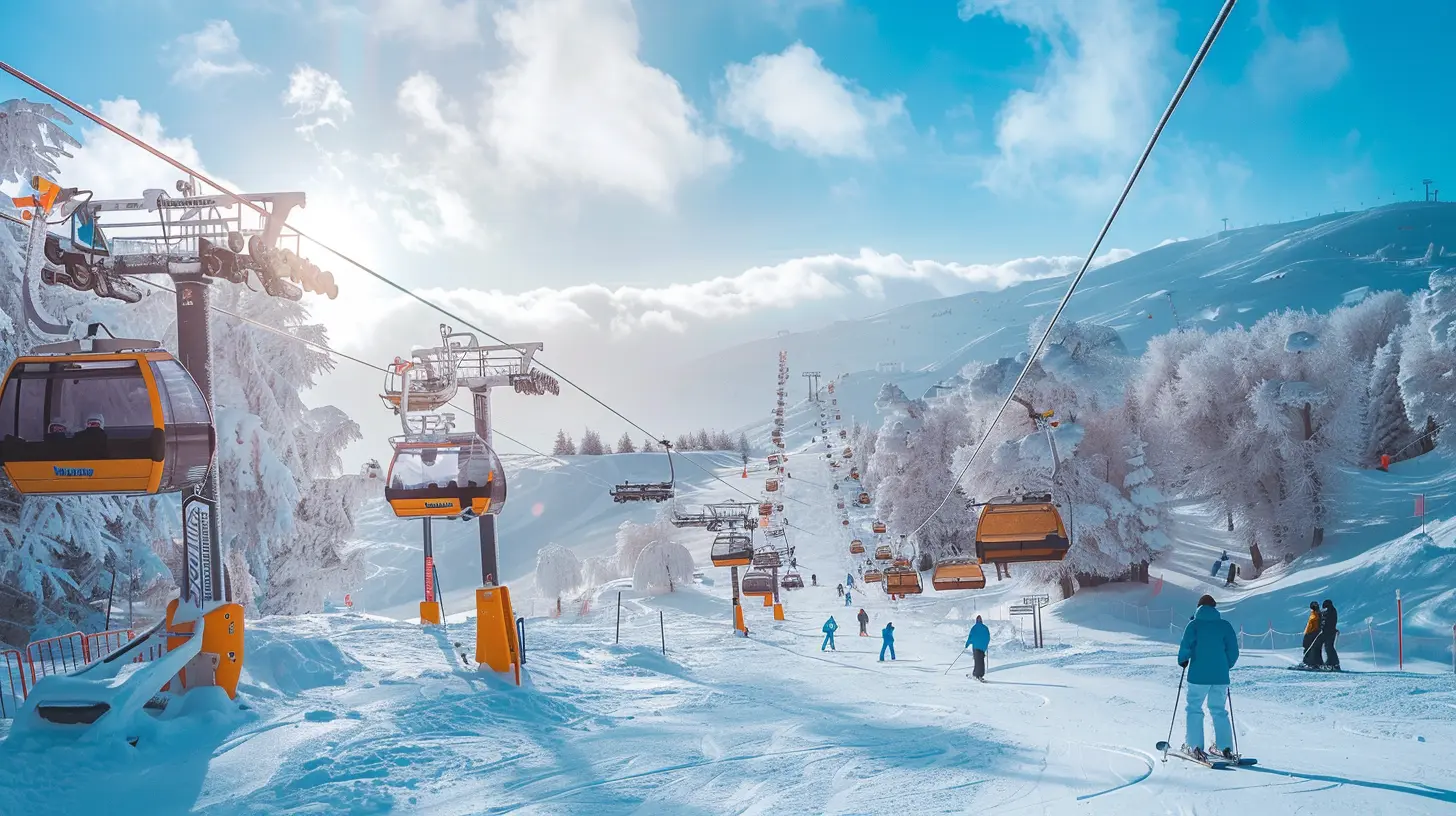
Why Snowboarding Is Worth Every Wipeout
Let’s be honest—your first few runs will probably include more falls than smooth glides. But here’s the deal: once you get the hang of it, snowboarding is one of the most rewarding winter sports out there.It’s not only an incredible full-body workout, but it’s also a fantastic way to enjoy breathtaking mountain landscapes and bond with fellow riders. Plus, mastering the sport comes with an unbeatable sense of accomplishment!
So, strap in, get ready to embrace the tumbles, and let’s make sure you start your snowboarding journey the right way. 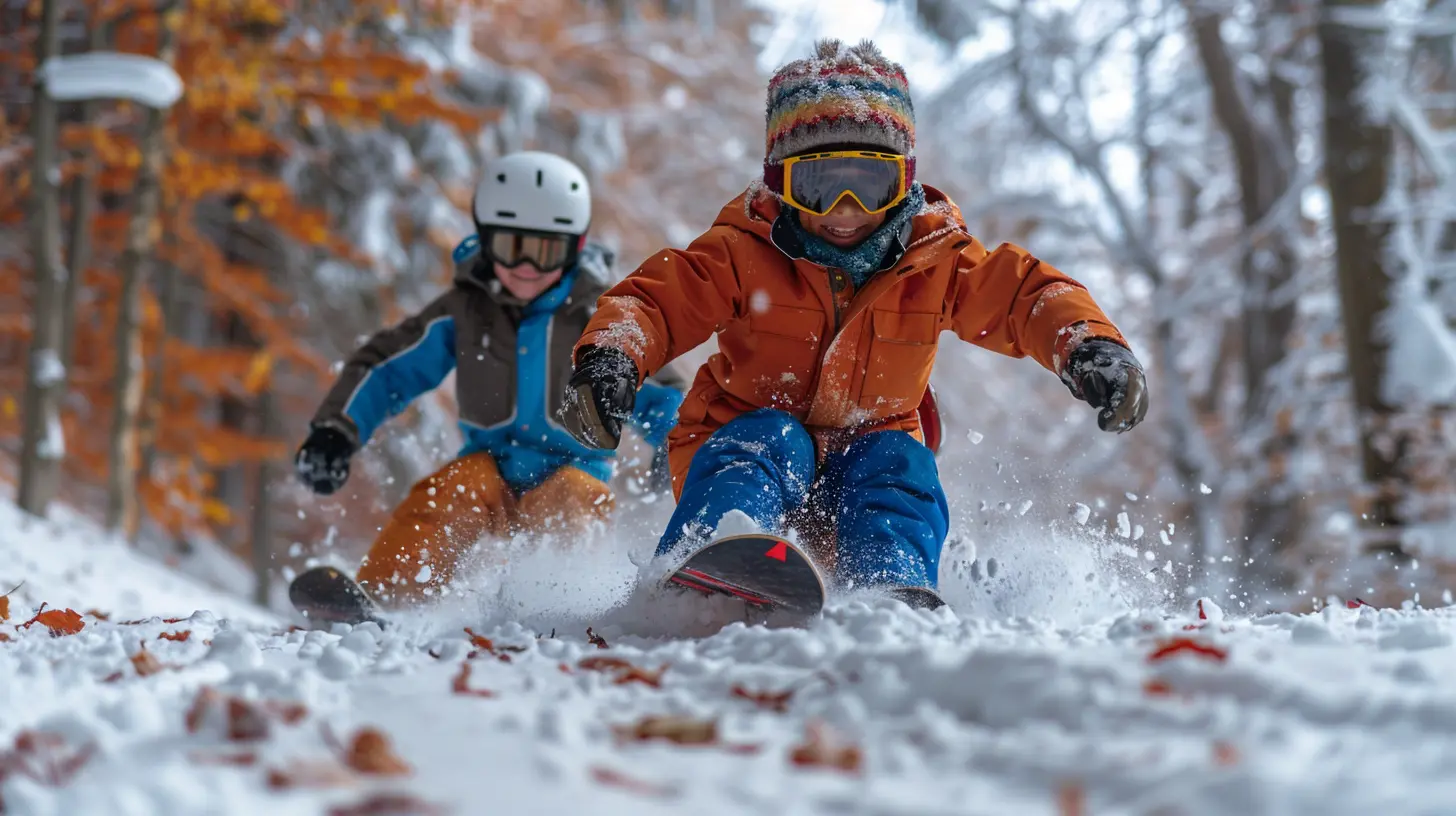
Getting the Right Gear: Don’t Skip This Step
Imagine going to battle without armor—that’s what hitting the slopes without proper gear feels like. Your equipment plays a huge role in your safety and overall experience.1. Snowboard
Beginners should start with an all-mountain snowboard. These boards are versatile and forgiving, making it easier to maintain balance and control. Make sure to choose the right size—your snowboard should roughly come up to your chin when stood upright.2. Boots and Bindings
Your boots should be snug but not painfully tight, giving your ankles the support they need. Bindings, which attach your boots to the board, should be adjusted correctly to match your stance (regular or goofy—more on that later).3. Helmet and Protective Gear
A helmet is non-negotiable. You wouldn’t ride a bike at high speeds without one, right? Additionally, wrist guards, knee pads, padded shorts, and back protectors can be lifesavers, especially when you’re prone to falls at the beginning.4. Clothing
You’ll want a waterproof and insulated snowboarding jacket and pants. Layer up with moisture-wicking base layers to keep dry and warm. And don’t forget gloves, goggles, and a neck gaiter to shield against the cold wind.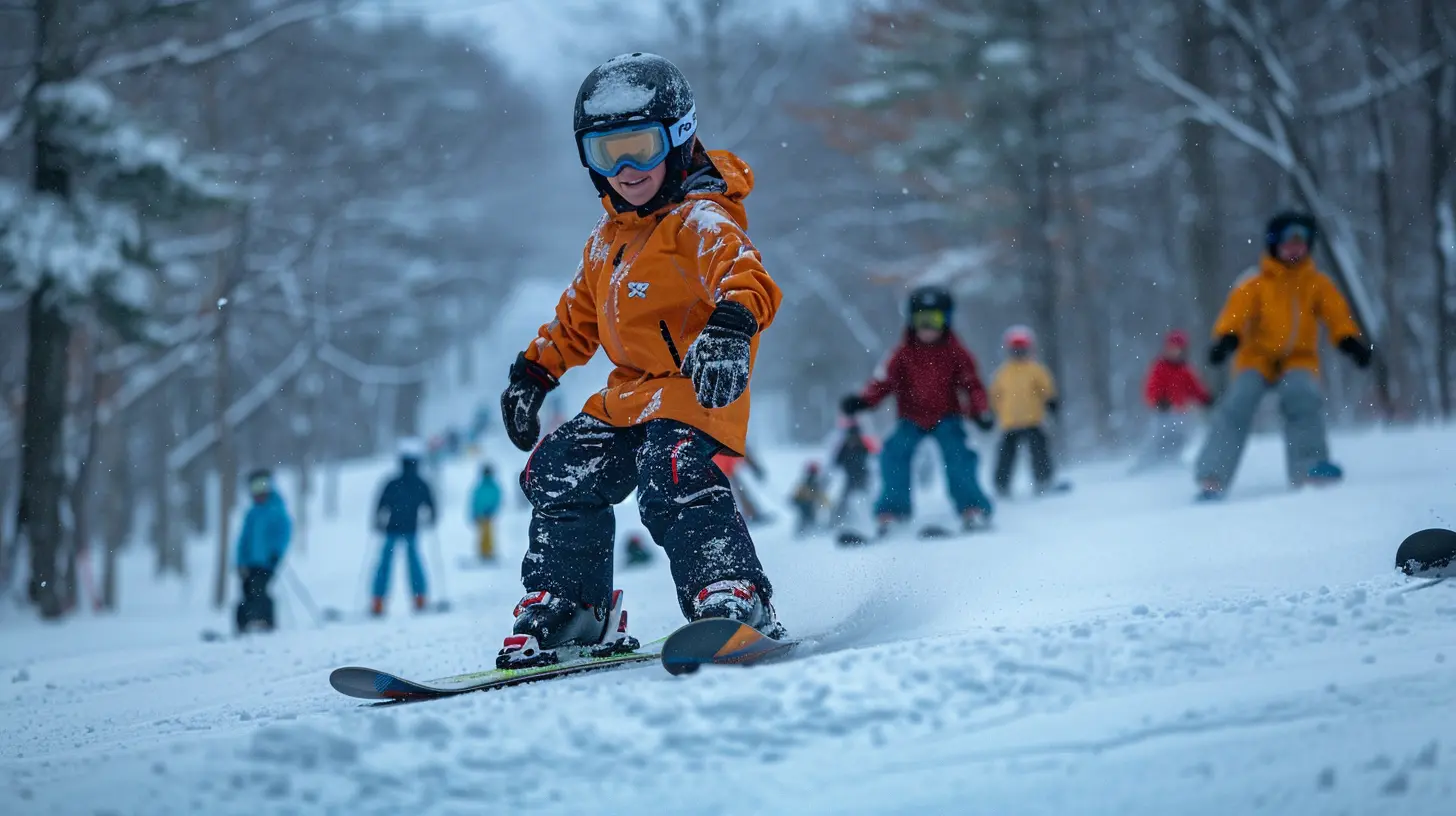
Mastering the Basics: The Key to a Smooth Start
1. Learn How to Fall (Yes, Really!)
Falling is inevitable, but knowing how to fall safely can prevent injuries. Avoid using your hands to break a fall—this can lead to wrist fractures. Instead, tuck your arms in and try to fall on your forearms or backside.2. Regular or Goofy? Find Your Stance
Figuring out which foot should be in front is simple. If you naturally step forward with your left foot, you’re regular. If your right foot leads the way, you’re goofy. Try sliding across a smooth floor in socks to determine which foot naturally takes the lead!3. Mastering the Basic Stance
A proper stance makes a world of difference:- Keep your knees slightly bent (not stiff).
- Distribute your weight evenly for better balance.
- Keep your shoulders aligned with your board.
Picture yourself surfing or skateboarding—this natural position makes movement easier. 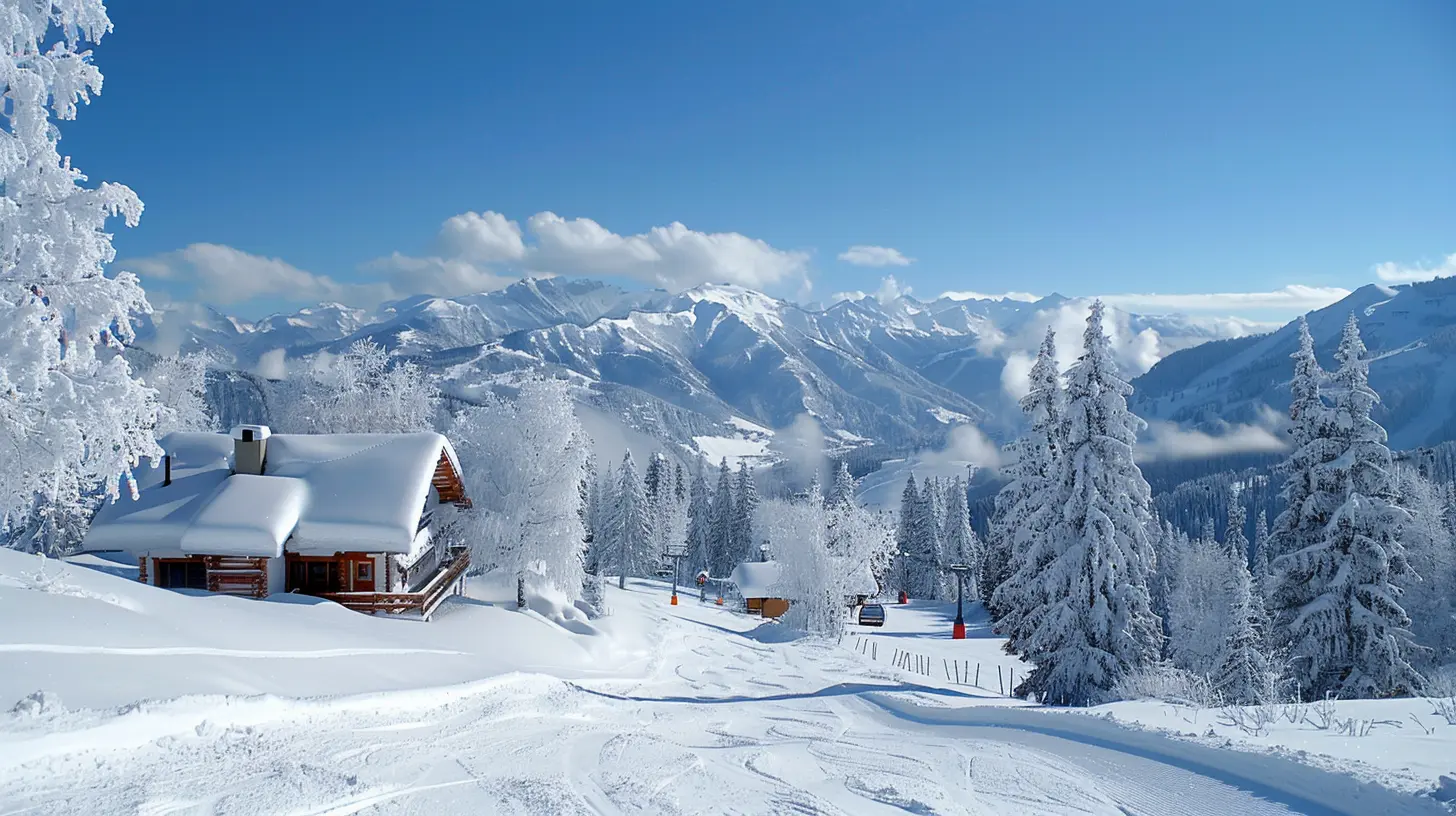
Getting Moving: Your First Steps on the Snow
Now that you’re geared up and standing correctly, let’s get moving!1. Practicing Skating
Before strapping in both feet, practice skating—this means pushing yourself along with your back foot while keeping your front foot attached to the board. This is crucial for handling flat areas and lift lines.2. Mastering the Heel and Toe Edge
Instead of trying to go straight down the mountain (which often leads to spectacular wipeouts), learn to control your speed with your edges.- Heel Edge: Lean back slightly to dig your heels into the snow, slowing your descent.
- Toe Edge: Lean forward onto your toes, keeping balance as you control your direction.
3. Learning to Turn
Turning is all about shifting your weight gradually. To initiate a turn:- Start on an edge (either toe or heel).
- Slowly shift your body weight towards the direction you want to go.
- Keep looking where you want to turn—your body naturally follows your line of sight.
Staying Safe on the Slopes
Sure, snowboarding is thrilling, but safety should always come first.1. Stick to Beginner-Friendly Slopes
Avoid advanced runs (marked black or double black diamonds) until you’re confident in your control and speed. Green runs are your best friend in the beginning.2. Watch Out for Others
Just like driving, snowboarding requires awareness of others on the slopes. Yield to riders downhill from you, and always glance uphill before starting your descent.3. Follow the Right Etiquette
- Don’t stop in the middle of a slope or in a blind spot.- If you fall, move out of the way as quickly as possible.
- Be courteous to fellow riders—it’s all about sharing the mountain.
4. Stay Hydrated and Take Breaks
It’s easy to underestimate how much energy snowboarding takes. Dehydration and fatigue can lead to sloppy movements, which increase the risk of injury. Take breaks when needed, and drink plenty of water.Common Mistakes Beginners Make (And How to Avoid Them)
1. Leaning Too Far Back
Many beginners instinctively lean back, thinking it provides control—but this actually makes turning and stopping much harder. Stay centered!2. Stiffening Up
Tension in your muscles makes everything harder. Stay loose and relaxed—it’ll make riding feel more natural.3. Ignoring Lessons
While YouTube tutorials help, nothing beats a professional lesson. Instructors pinpoint mistakes and speed up your learning curve.4. Neglecting Warm-Ups
Snowboarding uses muscles you didn’t even know you had! Stretch before and after sessions to prevent soreness and injuries.Final Thoughts: Enjoying the Ride
Snowboarding is one of those things that gets more exciting the more you practice. The beginning might feel frustrating, but every fall is a step closer to nailing your first smooth ride down the slopes. Don’t let a few tumbles discourage you—it’s all part of the experience!So, gear up, stay safe, and, most importantly, have fun. The mountains are calling!
all images in this post were generated using AI tools
Category:
Skiing And SnowboardingAuthor:

Claire Franklin