The Best Festivals in Japan to Visit in 2026
24 April 2026
Picture this: you’re standing under a sky that’s suddenly set ablaze with a million sparks, the cold night air tinged with the smell of gunpowder and grilled squid. A thousand strangers around you gasp in unison as a firework blooms like a giant chrysanthemum, and for that one second, nobody’s checking their phone. That’s the magic of a Japanese festival—or matsuri, as the locals call it. These aren’t just events on a calendar; they’re living, breathing pieces of history that grab you by the collar and pull you into the rhythm of taiko drums, the clatter of wooden sandals, and the warmth of shared sake.
If you’re planning a trip to Japan in 2026, you don’t just want to see the temples and eat the ramen—you want to feel the country. And nothing makes you feel Japan quite like its festivals. They’re loud, chaotic, colorful, and deeply spiritual. Some are ancient, some are modern, but all of them are unforgettable. So, grab your calendar, and let’s map out the best festivals in Japan to visit in 2026. I promise you’ll want to pack your bags before we finish.
Why Festivals Are the Heartbeat of Japan
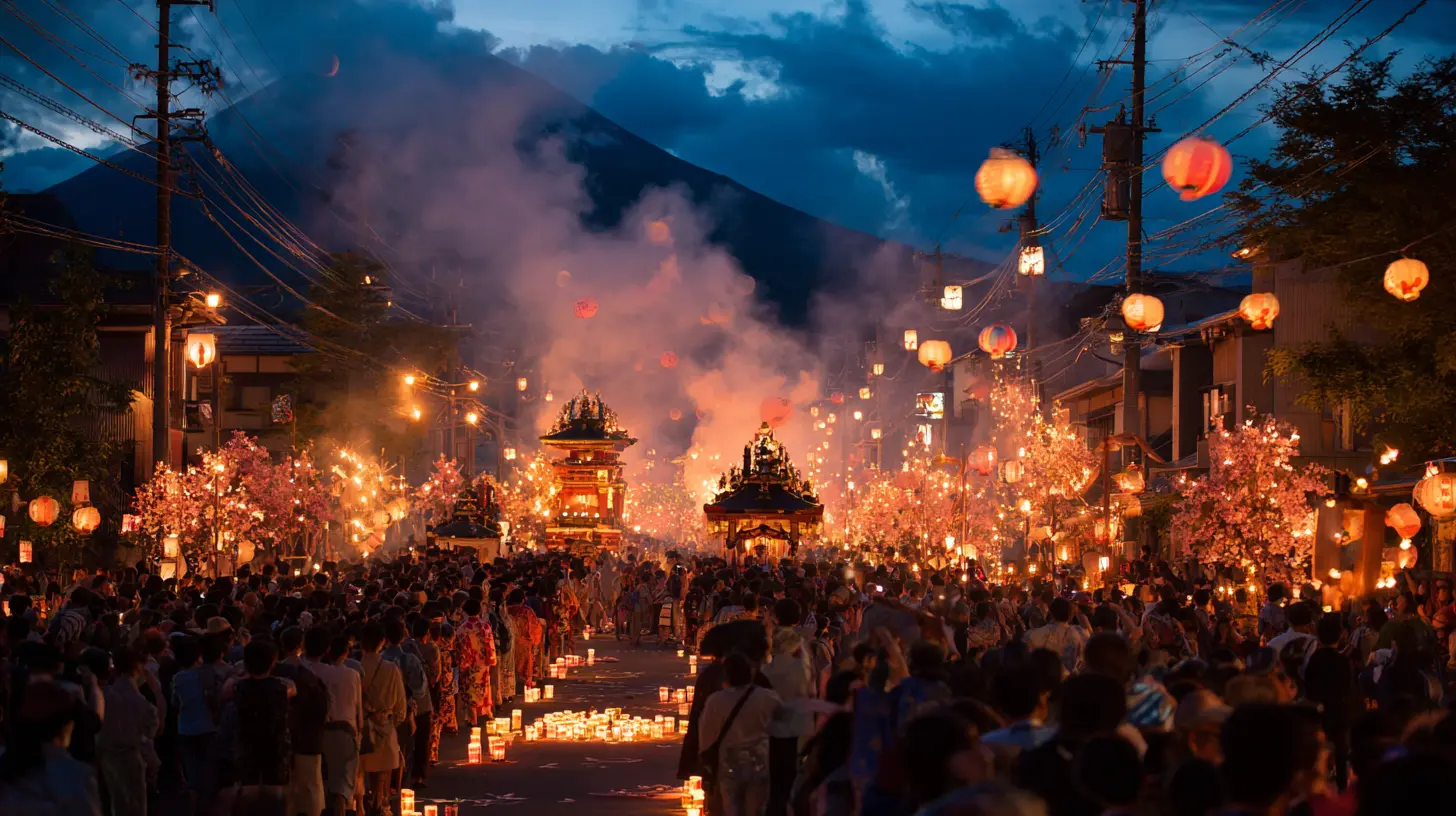
Ever been to a party where everyone knows the dance, the song, and the secret handshake? That’s a Japanese festival. These celebrations are woven into the fabric of daily life—honoring the gods, marking the seasons, or just giving everyone an excuse to wear a yukata and eat candy apples. In 2026, these festivals will be bigger and brighter than ever, as Japan continues to bounce back from the quiet years and throw open its doors to travelers.Why should you care? Because timing is everything. Show up during a festival, and you’re not a tourist—you’re a participant. You’ll eat street food that tastes like a hug, watch processions that make you forget your own name, and maybe even carry a portable shrine on your shoulders until your legs scream. It’s immersive, it’s authentic, and it’s the kind of travel story your friends will actually want to hear about.
The Granddaddy of Them All: Sapporo Snow Festival (February)
Let’s start with a frozen fantasy. The Sapporo Snow Festival isn’t just a festival; it’s a city-sized art gallery made entirely of ice and snow. Running from early to mid-February 2026, this event transforms Hokkaido’s capital into a winter wonderland that would make Elsa jealous.You’ll see massive snow sculptures—think castles, anime characters, and famous landmarks—carved with meticulous detail. Some are as tall as a four-story building. At night, colored lights turn them into glowing spectacles. But here’s the kicker: it’s not just about looking. You can slide down snow slides, eat steaming bowls of miso ramen from stalls, and warm up in indoor food markets.
Pro tip: Book your accommodation months in advance. Sapporo gets packed, and you don’t want to end up sleeping in a snow cave (unless that’s your thing). Also, dress like you’re climbing Everest—layers are your best friend.
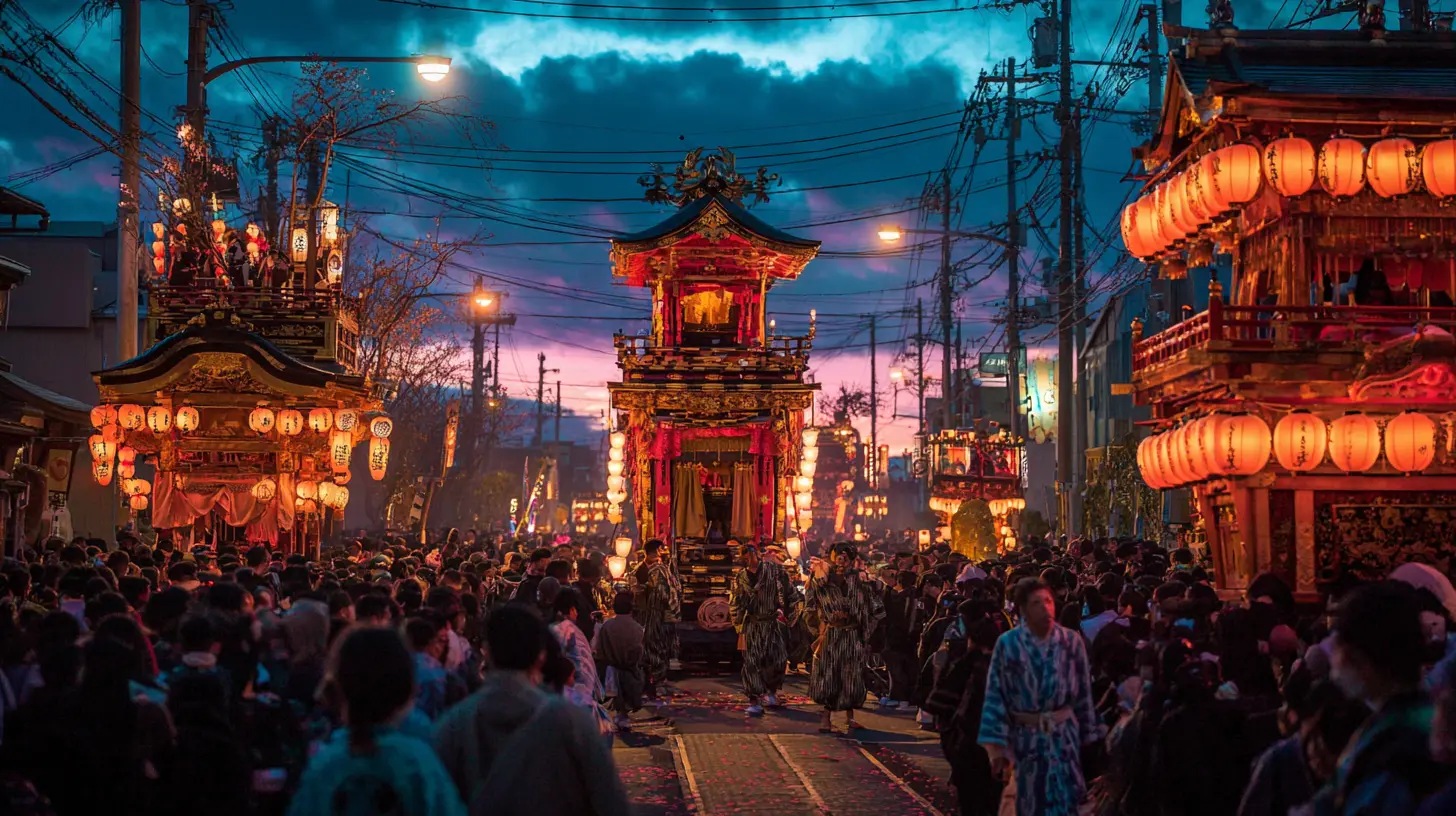
A Splash of Color: Omizutori at Todai-ji (March)
If you want something quieter but spiritually electric, head to Nara in early March for Omizutori, a 1,250-year-old ritual at Todai-ji Temple. This isn’t a raucous street party; it’s a fire festival that feels like stepping into a dream.Monks carry massive, flaming torches—some weighing over 100 pounds—up to a balcony at the temple. They swing them over the crowd, showering sparks that are said to ward off evil and bring good luck. The flames are so intense you feel the heat on your face from fifty feet away. And the best part? The sparks are considered sacred; people try to catch them on their heads or clothes.
Why 2026? The festival follows the lunar calendar, so the exact date shifts a bit. But it usually falls around March 12-14. It’s less crowded than the big-name festivals, which means you can soak in the ancient atmosphere without elbowing for a view.
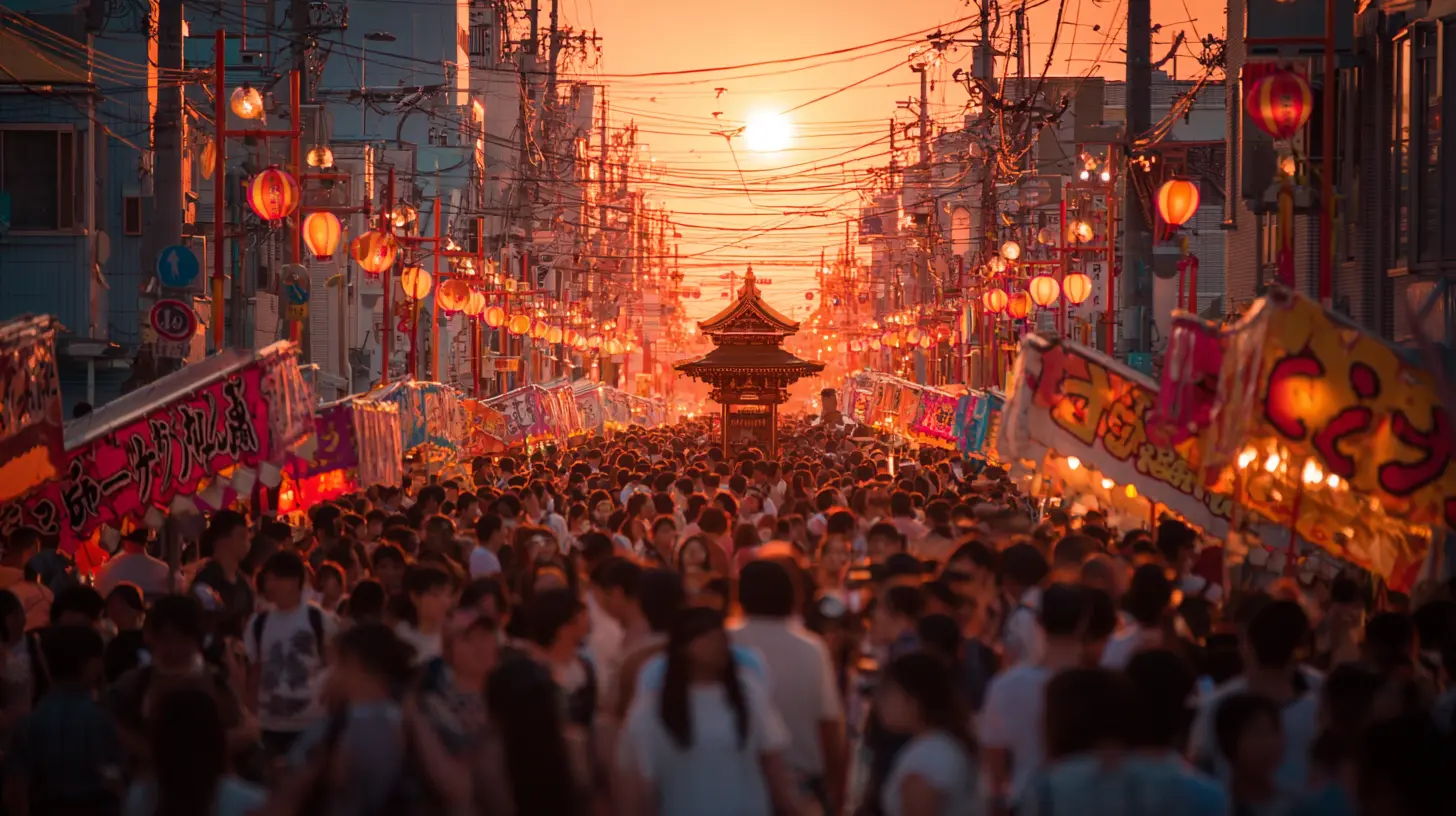
Peak Sakura Madness: Takayama Spring Festival (April)
Imagine a festival that happens under a canopy of cherry blossoms. That’s the Takayama Spring Festival, held on April 14-15 in the historic town of Takayama, nestled in the Japanese Alps. This is one of Japan’s three most beautiful festivals, and it earns that title by a landslide.Massive, ornate floats—called yatai—parade through the streets. These aren’t your average parade floats; they’re gilded, lacquered masterpieces, some dating back to the 17th century. They’re covered in intricate carvings and mechanical puppets that dance and move. At night, lanterns on the floats create a golden glow that makes the whole town look like a painting.
The secret sauce: Takayama itself is a gem. The old town, with its sake breweries and narrow streets, feels like a living museum. During the festival, you can sample hoshi-maki (a local sweet), sip warm sake, and watch the puppets perform traditional stories. In 2026, the sakura should be in full bloom—so you’re getting a double dose of beauty.
The Wildest Night: Kanamara Matsuri (April)
Okay, let’s get weird. The Kanamara Matsuri, also known as the “Festival of the Steel Phallus,” is exactly what it sounds like—and it’s one of the most joyful, ridiculous, and liberating festivals you’ll ever attend. Held in Kawasaki (just south of Tokyo) in early April, this festival celebrates fertility, safe sex, and good luck.There are giant phallus-shaped mikoshi (portable shrines) carried through the streets, phallus-shaped lollipops for kids (yes, really), and a general atmosphere of bawdy humor that’s surprisingly wholesome. The festival started centuries ago as a prayer against sexually transmitted infections, and today it’s also a fundraiser for HIV awareness.
Why go? Because it’s unforgettable. You’ll laugh, you’ll blush, and you’ll leave with a new appreciation for how Japan can mix the sacred and the profane. 2026 marks another year of this tradition, and it’s a perfect counterbalance to the more solemn festivals.
Golden Week Blowout: Hakata Dontaku (May)
Golden Week in Japan (late April to early May) is a national holiday frenzy, and the Hakata Dontaku festival in Fukuoka is the perfect way to join the madness. Held on May 3-4, this is one of the largest festivals in Japan, with over 2 million participants.The streets of Fukuoka become a river of color. There are parades with dancers in traditional costumes, flower-decorated floats, and musicians playing shamisen and drums. But the highlight? The “Dontaku” dance, where groups of performers move in synchronized, elegant steps. You can even join in—locals will pull you into a circle and teach you the moves.
Inside scoop: Fukuoka is famous for its food, especially tonkotsu ramen (pork bone broth). During the festival, food stalls line the streets, and you can eat your weight in grilled skewers, takoyaki, and sweet buns. In 2026, Golden Week falls at the perfect time for mild weather, so you won’t be sweating or shivering.
The City That Never Sleeps: Sanja Matsuri in Tokyo (May)
If you only do one festival in Tokyo, make it Sanja Matsuri, held in Asakusa on the third weekend of May. This is the city’s wildest, most chaotic, and most intoxicating festival. It’s dedicated to the three men who founded Senso-ji Temple, and it’s a full-throttle celebration of community and spirit.The main event is the parade of mikoshi—portable shrines that weigh up to a ton each. Teams of locals, often drunk on sake and adrenaline, hoist these shrines onto their shoulders and bounce them through the streets, shouting “Wasshoi! Wasshoi!” The energy is contagious. You’ll feel it in your bones as the crowd surges around you, drumming beats that sync with your heartbeat.
Don’t miss: The street food. Asakusa is a food lover’s paradise, and during Sanja Matsuri, the stalls stretch for blocks. Try ningyo-yaki (little cakes filled with red bean paste) and kimchi-yaki (grilled dumplings). And if you’re brave, you can join a mikoshi team—just show up, offer to help, and they’ll probably hand you a sake cup first.
The Fire and Drum Spectacle: Aomori Nebuta Matsuri (August)
Summer in Japan is hot, humid, and absolutely sizzling with festivals. The Aomori Nebuta Matsuri, held from August 2-7 in northern Honshu, is the crown jewel of summer matsuri. It’s a parade of giant, illuminated floats—some shaped like warriors, gods, or mythical beasts—that are pulled through the streets while dancers in colorful costumes leap and twirl.The floats are made of washi paper stretched over wire frames, and they’re painted with such detail that the eyes seem to follow you. At night, they’re lit from within, glowing like fiery ghosts. The dancers, called haneto, wear special costumes and perform a simple, addictive dance that you can learn in minutes. Join them—it’s the best way to experience the festival.
Practical note: Aomori is far from Tokyo (about 3.5 hours by bullet train), but it’s worth the trip. In 2026, book your train and hotel well in advance; this festival is massively popular. Also, bring a fan and stay hydrated—it’s hot.
The Dance of the Dead: Awa Odori in Tokushima (August)
You might think a festival called “the dance of the dead” would be spooky, but Awa Odori is anything but. Held in Tokushima on Shikoku Island from August 12-15, this is Japan’s largest dance festival, with over a million people joining in.The dance is simple: you move your arms and legs in a rhythmic, hypnotic pattern, shuffling forward while chanting “Yatto, yatto!” The streets of Tokushima become a moving sea of dancers in traditional yukata and straw hats. There’s no wrong way to do it—just let the music take over. The festival has a joyful, almost trance-like energy that’s hard to describe.
Why 2026? The Obon season (when spirits of ancestors are said to return) creates a unique atmosphere. It’s a time of celebration and remembrance, and Awa Odori captures that perfectly. Plus, the food stalls are incredible—try the sudachi (a local citrus) drinks and tokushima ramen.
The Grand Finale: Jidai Matsuri in Kyoto (October)
Autumn in Japan is a masterpiece of red and gold leaves, and the Jidai Matsuri in Kyoto (October 22) is the perfect festival to cap off the season. This is a historical reenactment on steroids—a parade that stretches for miles, featuring over 2,000 participants dressed in costumes from every era of Japanese history, from the Heian period to the Meiji Restoration.The procession starts at the Imperial Palace and winds through the streets of Kyoto. You’ll see samurai in full armor, court ladies in layered silk robes, and even a few shoguns on horseback. It’s like a living textbook, but way more fun. The attention to detail is insane—every costume is historically accurate, down to the way the hair is styled.
Pro tip: Get a spot along the parade route early, preferably near the Imperial Palace or the Heian Shrine. Bring a picnic and make a day of it. In 2026, the autumn leaves should be at their peak, so you’ll get a double dose of Kyoto’s beauty.
The Quiet Beauty: Chichibu Night Festival (December)
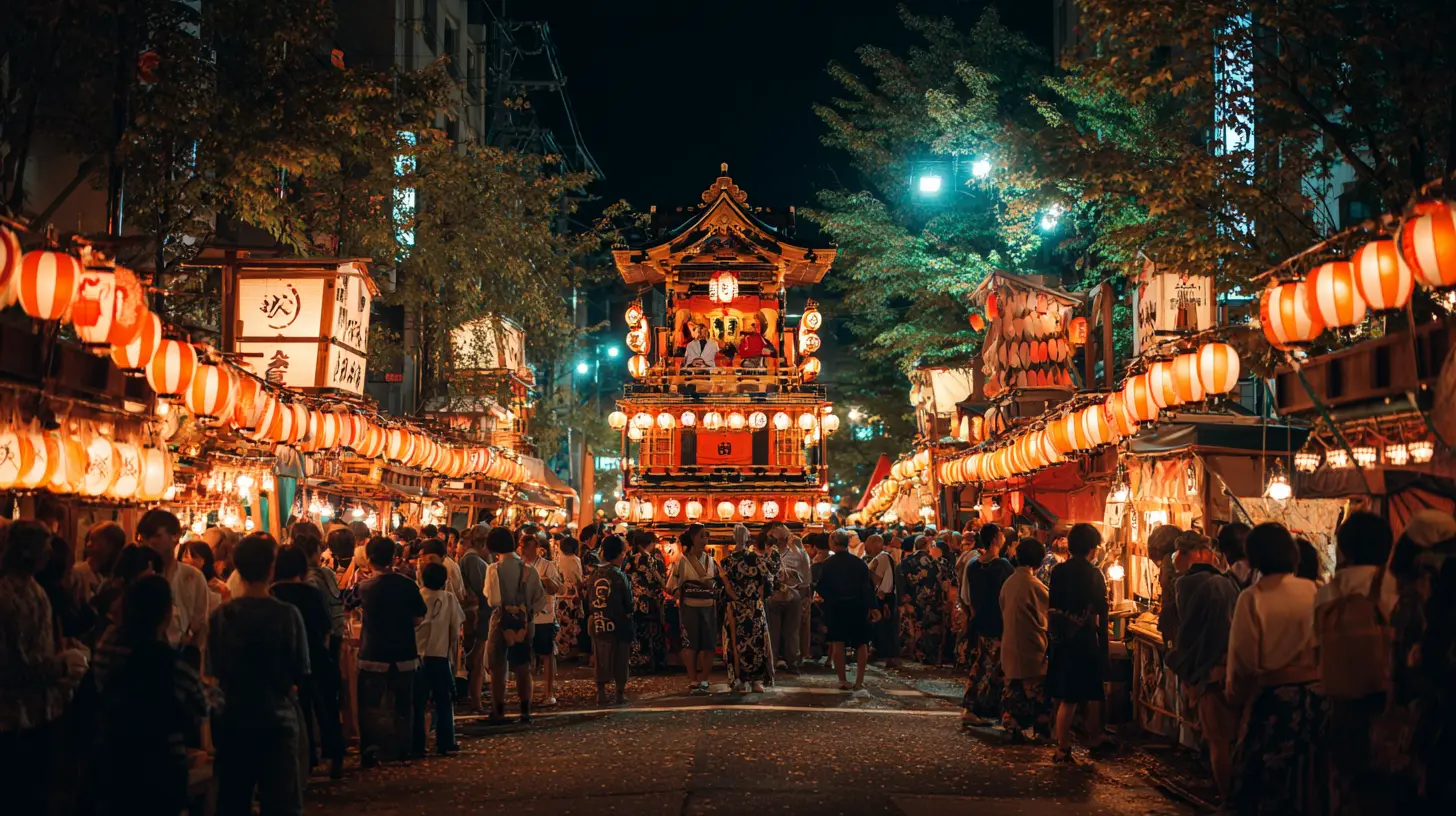
Let’s end the year with a bang—literally. The Chichibu Night Festival, held on December 2-3 in Saitama Prefecture (about two hours from Tokyo), is often called one of the top three float festivals in Japan, alongside Gion and Takayama. But it has a secret weapon: it happens in winter, which means it’s less crowded and absolutely stunning.Massive floats, decorated with lanterns and intricate carvings, are pulled through the streets at night. The highlight comes when fireworks explode over the floats, creating a scene that looks like a ukiyo-e woodblock print come to life. The floats themselves are works of art, with mechanical puppets that perform ancient plays.
Why 2026? This festival is a hidden gem. Most tourists flock to the big summer festivals, but the Chichibu Night Festival offers a more intimate, magical experience. Plus, you can warm up with hotto (hot sake) and kuri-kinton (sweet chestnut treats) from street vendors.
How to Plan Your Festival Trip in 2026
You’re probably thinking, “This all sounds amazing, but how do I pack it all in?” Here’s the truth: you can’t see everything. But you can pick a theme. Want winter magic? Combine Sapporo Snow Festival with a visit to a hot spring. Want spring blossoms? Time your trip for Takayama and Kyoto. Summer? Go for Aomori and Awa Odori. Fall? Hit Chichibu and Jidai Matsuri.Booking tips: For 2026, start planning now. Festivals like Sanja Matsuri and Takayama sell out accommodations months ahead. Use Japanese booking sites like Rakuten Travel or Jalan, and consider staying in nearby towns if the main city is full. Also, learn a few basic phrases: “Sumimasen” (excuse me) and “Arigato gozaimasu” (thank you) go a long way.
What to pack: Comfortable shoes (you’ll walk miles), a portable fan (for summer), a reusable water bottle, and a small towel for wiping sweat or sitting on the ground. And always carry cash—many food stalls don’t take cards.
The Real Magic of Matsuri
Here’s the thing about Japanese festivals: they’re not just spectacles. They’re invitations. When you join a dance, carry a shrine, or catch a spark, you’re not watching—you’re belonging. For a few hours, you’re part of a community that stretches back centuries. You’ll taste food that’s been made the same way for generations, hear music that’s older than your country, and feel a connection that transcends language.In 2026, Japan is ready to welcome you with open arms and a thousand lanterns. So pick your festival, book your ticket, and get ready for the trip of a lifetime. Trust me—you won’t regret it.
all images in this post were generated using AI tools
Category:
Festival TravelAuthor:

Claire Franklin
Discussion
rate this article
2 comments
Micah Erickson
Incredible experiences await at these festivals!
April 30, 2026 at 2:52 PM
Claire Franklin
Absolutely! Each festival offers unique moments and unforgettable memories. Hope you get to experience them!
Carly Whitley
In 2026, Japan's vibrant festivals await, where tradition dances with joy, painting memories in every heart.
April 25, 2026 at 2:43 AM