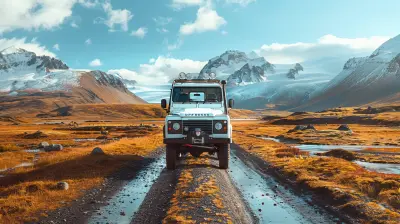
The Enigmatic Ice Caves of Vatnajökull National Park
3 August 2026
Ever dreamed of walking into a magical world that looks like it popped straight out of a fantasy movie? Imagine stepping into an icy cathedral of shimmering blues, sparkling whites, and glassy textures that look too surreal to be real. Well, welcome to the captivating ice caves of Vatnajökull National Park in Iceland — nature’s frozen masterpiece.
In this blog, we're going to pull back the icy curtain and give you a behind-the-scenes glimpse of what it's like to visit these otherworldly caves. From the best times to go, how these caves form, what to pack, and even how to stay safe, we’re covering all the frosty details while keeping things fun and easy to follow.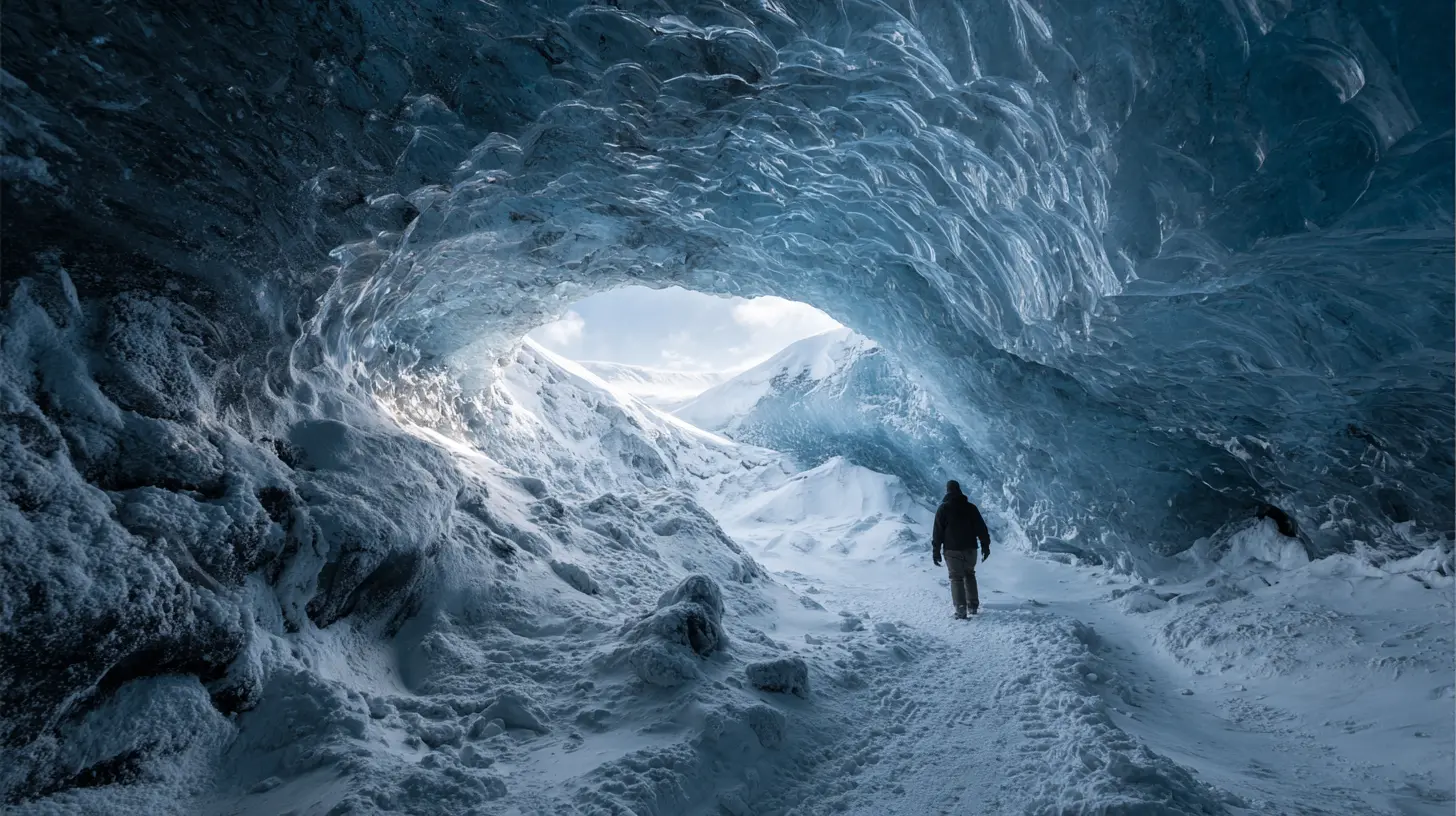
?️ What Makes The Ice Caves of Vatnajökull So Special?
Okay, first things first. Why all the hype?Vatnajökull National Park is home to Europe’s largest glacier — you guessed it — Vatnajökull. Hidden beneath this colossal ice cap lie fleeting natural wonders: the seasonal ice caves. These caves are temporary, constantly shifting, melting, and reforming every year. That means no two visits are ever the same.
It’s kind of like Mother Nature’s version of a Snapchat — beautiful, dynamic, and gone before you know it.
You’re not just looking at ice. You’re stepping inside living, breathing tunnels formed by centuries of snow compression, glacial movement, and meltwater flow. The result? A crystalline corridor of rolling blues and icy textures that feel like being in Elsa’s castle.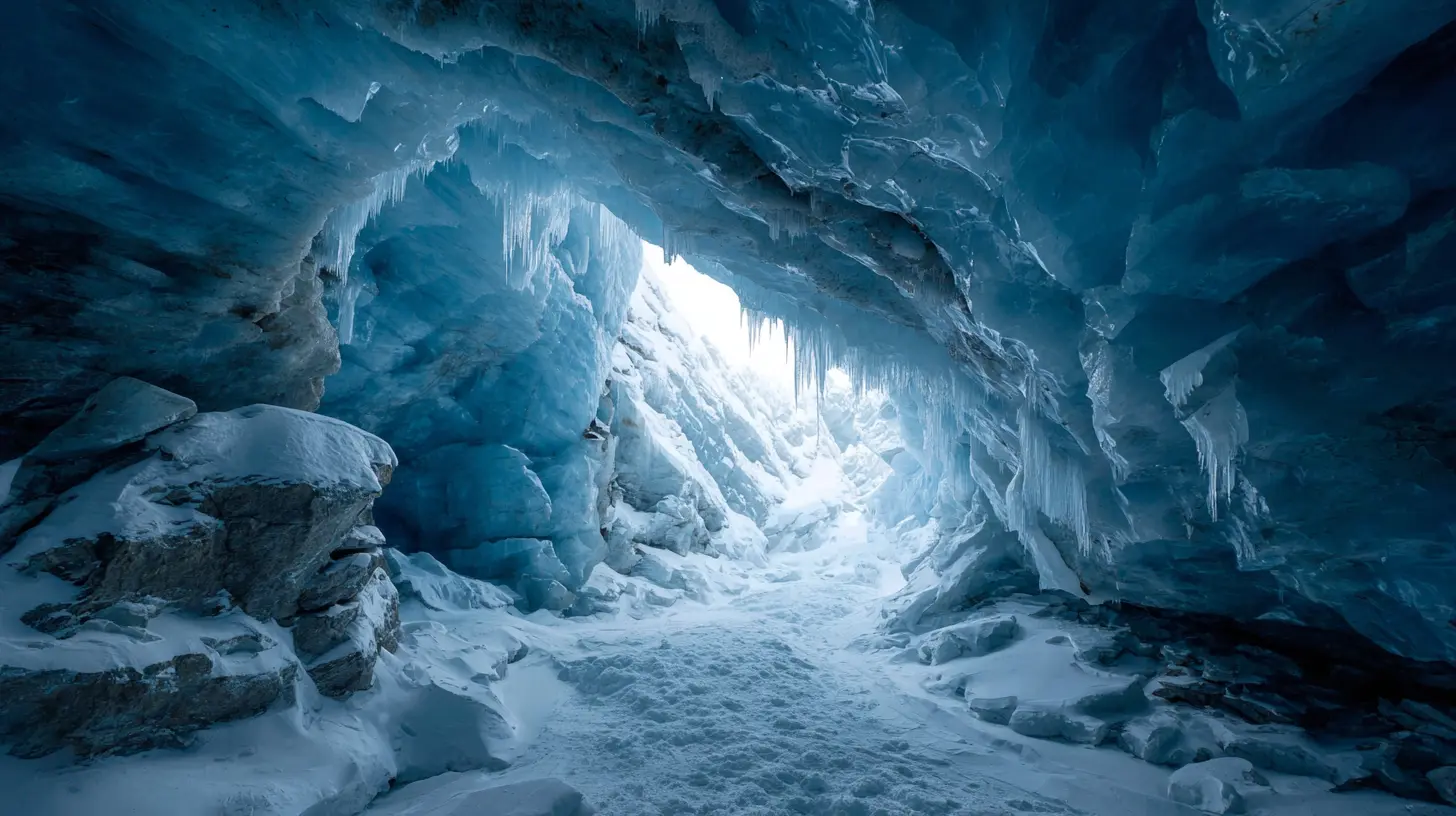
? When's the Best Time to Visit the Ice Caves?
Timing is everything, especially when it comes to something as slippery (pun intended) as ice caves.Winter is king here. The best time to visit the ice caves in Vatnajökull is between mid-November and mid-March. This is when temperatures drop low enough to stabilize the caves, making them safe enough for guided tours.
In summer, these ice caves either collapse or become too unstable to explore. Trust us, you don’t want to find yourself inside an ice cave when it's melting like your favorite popsicle on a hot day.
So if you're planning a trip, aim for the core winter months. And yes, it’s freezing... but it’s totally worth it.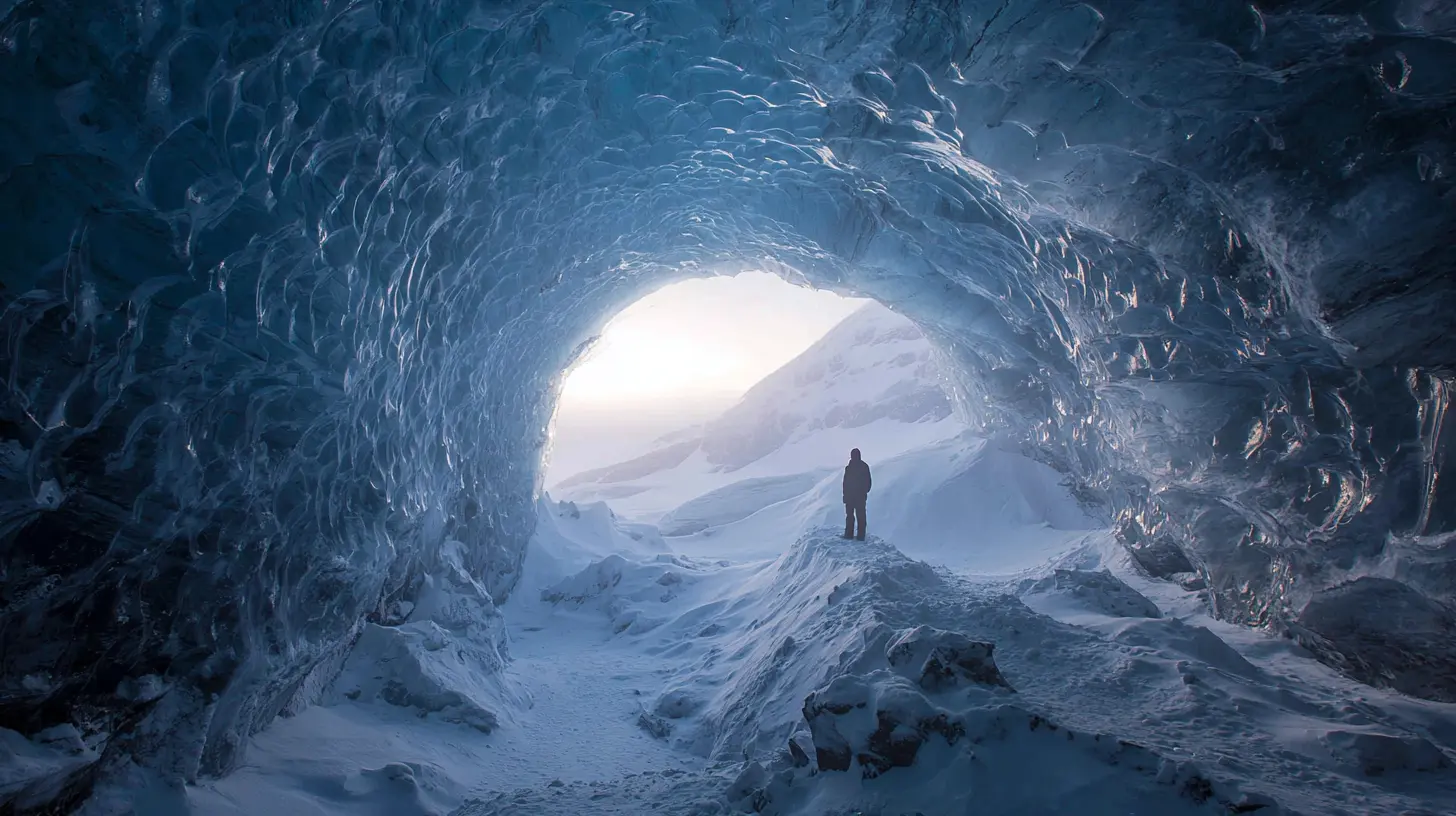
? Where Exactly Are These Caves?
Vatnajökull National Park is massive — we’re talking around 14% of Iceland’s landmass here. So where should you even begin?Most accessible ice caves are located near the southern side of the Vatnajökull glacier, specifically close to the town of Höfn or the famous Jökulsárlón Glacier Lagoon.
Tour companies typically start the journey from:
- Jökulsárlón Glacier Lagoon (super photogenic)
- Skaftafell Nature Reserve (a hiker’s paradise)
- Höfn (a small town with a big icy backyard)
These starting points are usually a 5–6-hour drive from Reykjavik — and yes, the drive alone is jaw-droppingly scenic.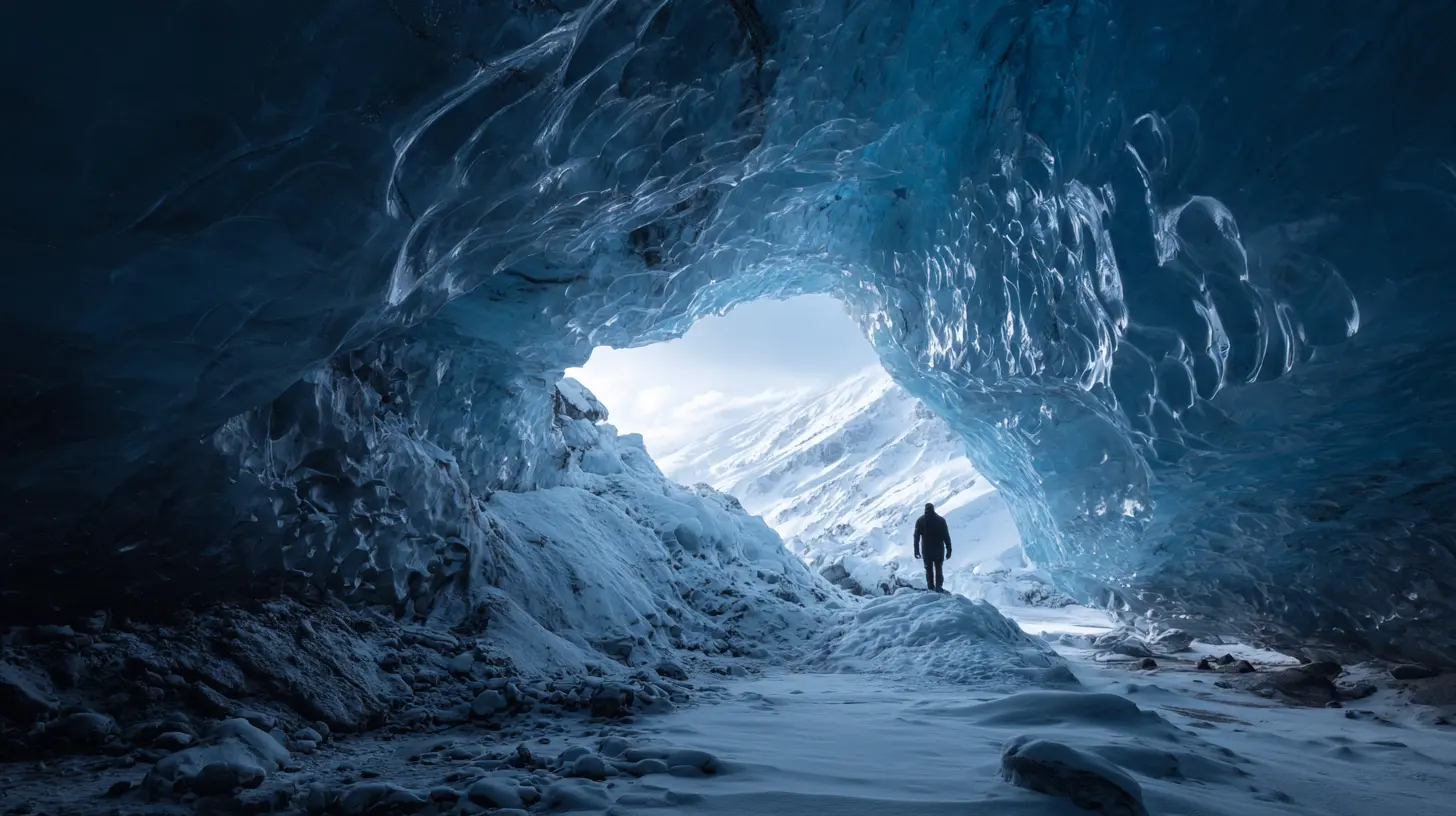
❄️ How Are These Ice Caves Formed?
Wanna know the magic behind the scenes?Ice caves are born from a glorious combo of science and weather. As warmer meltwater streams run underneath the glacier during summer, they carve tunnels and corridors through the ice. Once winter hits, temperatures plummet, and these tunnels freeze solid — voilà, an ice cave is formed.
Think of it like nature carving a tunnel with warm fingers and then locking it in place when it’s done.
The pressure of the ice (we’re talking thousands of tons pressing down) expels air bubbles, causing the ice to look almost glass-like. That’s what gives the caves their brilliant, deep blue color — light travels into the ice and all the red wavelengths get absorbed, leaving those magical blues.
Pretty wild, right?
? What Should You Pack for an Ice Cave Adventure?
This isn't your average day hike, so packing smart is a game-changer.Here’s a basic list to keep you warm and happy:
- ? Warm waterproof jacket – Layer up like an onion. Icelandic weather changes on a dime.
- ? Waterproof pants – You’ll likely be kneeling, sitting, or crawling inside the cave.
- ? Thick socks – Cold feet = grumpy explorer.
- ? Sturdy hiking boots – Something you can trust on slippery surfaces.
- ? Gloves and hat – Preferably windproof and thermal.
- ? Small backpack – For snacks, water, and maybe a camera drone if you're fancy.
- ? Camera/Smartphone – Because you’ll want to relive every minute.
Your guide will supply helmets and crampons (those spiky things you attach to your boots), so there’s no need to pack gear unless you’re bringing your own.
?♂️ Are The Ice Caves Safe?
The short answer — yes, but only with a certified guide.Let me make this clear: these ice caves are not something you casually stumble into while hiking solo. The structure is dynamic and prone to collapsing if conditions aren’t checked.
Professional local guides assess the caves daily for safety. They know which ones are stable, how deep to go, and what weather patterns to watch out for. Plus, they love sharing cool facts about the glacier and its history (pun definitely intended).
So don’t DIY this one. Book a guided tour — your safety (and sanity) depends on it.
? Insta-Worthy Spots Inside The Caves
Let’s be real — if you’re risking frostbite, you better be getting some killer photos.Here are a few photography tips for the win:
- Go early or late — light angles are better and caves are less crowded.
- Play with contrast — bright jackets (think red or yellow) pop beautifully against the blue and white backgrounds.
- Bring a tripod — caves are dark and you’ll want those long exposure shots.
- Turn off the flash — it messes with the natural lighting and reflections.
Most guides are also seasoned photographers and will help you find the best angles. Bonus tip? Some tours even come with a professional photographer.
? How to Get There: Your Iceland Ice Cave Logistics
You can’t just land in Reykjavik and hope to be teleported to Vatnajökull. You’ve got some road-trippin’ to do.? Option 1: Rent a Car
Most popular among adventurers. Rent a 4x4 vehicle and drive east along the Ring Road (Route 1) from Reykjavik to Jökulsárlón — about 5–6 hours without stopping. But trust me, you’ll be stopping. A lot. Because waterfalls, black sand beaches, and adorable horses will tempt you at every turn.? Option 2: Guided Transfer
Don’t feel like driving in unpredictable weather? Opt for a guided tour with transport included. It’s more expensive, but it’s also stress-free.✈️ Option 3: Domestic Flights (Sort of)
Technically, you can fly from Reykjavik to Höfn, but flights are limited and weather-dependent. From Höfn, you’ll still need to get to the ice cave base camp.? Popular Ice Caves You Might Visit
Every year the caves change, but a few fan favorites often make a comeback. Here’s a quick peek:1. The Crystal Ice Cave
The Beyoncé of ice caves — dazzling, dramatic, and drop-dead gorgeous. It’s the most visited and most photographed.2. Sapphire Ice Cave
Smaller and more intimate, but just as stunning, with rich blue tones that feel like you're walking through a frozen jewel box.3. Katla Ice Cave
Not in Vatnajökull but worth mentioning. Located under the mighty Katla volcano, this cave is accessible year-round. It’s like ice cave meets lava tunnel — talk about a power couple.? Fun Facts That’ll Blow Your Mind (Like Arctic Wind)
- Vatnajökull is over 8,000 years old.- The ice is so dense, it absorbs all light colors except blue.
- Some of the caves are big enough to fit a school bus — not that you’d want to.
- George R.R. Martin fans, listen up — some “Game of Thrones” scenes were filmed on Vatnajökull Glacier.
?️ Where to Stay Nearby
Planning to spend the night nearby? Good call.Here are a few cozy options:
- Fosshotel Glacier Lagoon – High-end with killer views.
- Hali Country Hotel – Charming and close to Jökulsárlón.
- Guesthouse Gerði – Cozy, family-run option.
- Camping (in warmer seasons) – If you’re the rugged type.
Book early if you’re visiting in winter — accommodations near the ice caves fill up fast.
? Final Thoughts: Is It Worth It?
Let me put it this way: if Iceland is the land of fire and ice, then the ice caves of Vatnajökull are where the “ice” part goes full Hollywood.The trip might take a bit of planning, and yes, you’ll be chilly. But stepping inside one of these ice caves is like pressing pause on the real world and stepping into another realm of utter beauty. It’s temporary, elusive, and utterly unforgettable — just like all the best adventures are.
So yeah, it’s totally worth it. Bring your sense of wonder and maybe a backup phone battery — you’ll be snapping pics like crazy.
all images in this post were generated using AI tools
Category:
Winter DestinationsAuthor:

Claire Franklin