The Future of Eco-Tourism with Unmatched Scenic Beauty in 2026
18 May 2026
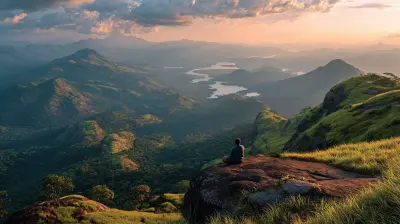
You know that feeling when you stand at the edge of a cliff, the wind hitting your face, and the world below you looks like a painting someone forgot to frame? That moment of pure, unfiltered awe is what we chase when we travel. But here is the thing: by 2026, that moment might feel a little different. Not because the views will be gone, but because the way we experience them is changing fast. Eco-tourism is no longer just a buzzword slapped on a bamboo hut brochure. It is becoming the only way forward. And the scenic beauty waiting for us? It is going to blow your mind.
Why 2026 Is the Turning Point for Eco-Tourism
Let me ask you something. Have you ever visited a beautiful beach only to find plastic bottles floating next to you? Or hiked a trail that felt more like a crowded highway? That is the old way. By 2026, travelers are waking up. We are tired of leaving a trail of guilt behind every vacation. The future of eco-tourism is not about sacrifice. It is about smarter choices that make the beauty last longer.Think of it like this: we used to treat nature like a buffet. Take what you want, leave the mess. Now, we are learning to treat it like a garden. You enjoy the flowers, but you also water the roots. In 2026, the industry is shifting hard toward regenerative travel. That means your trip actively helps the environment recover. You are not just a tourist. You are a temporary caretaker.
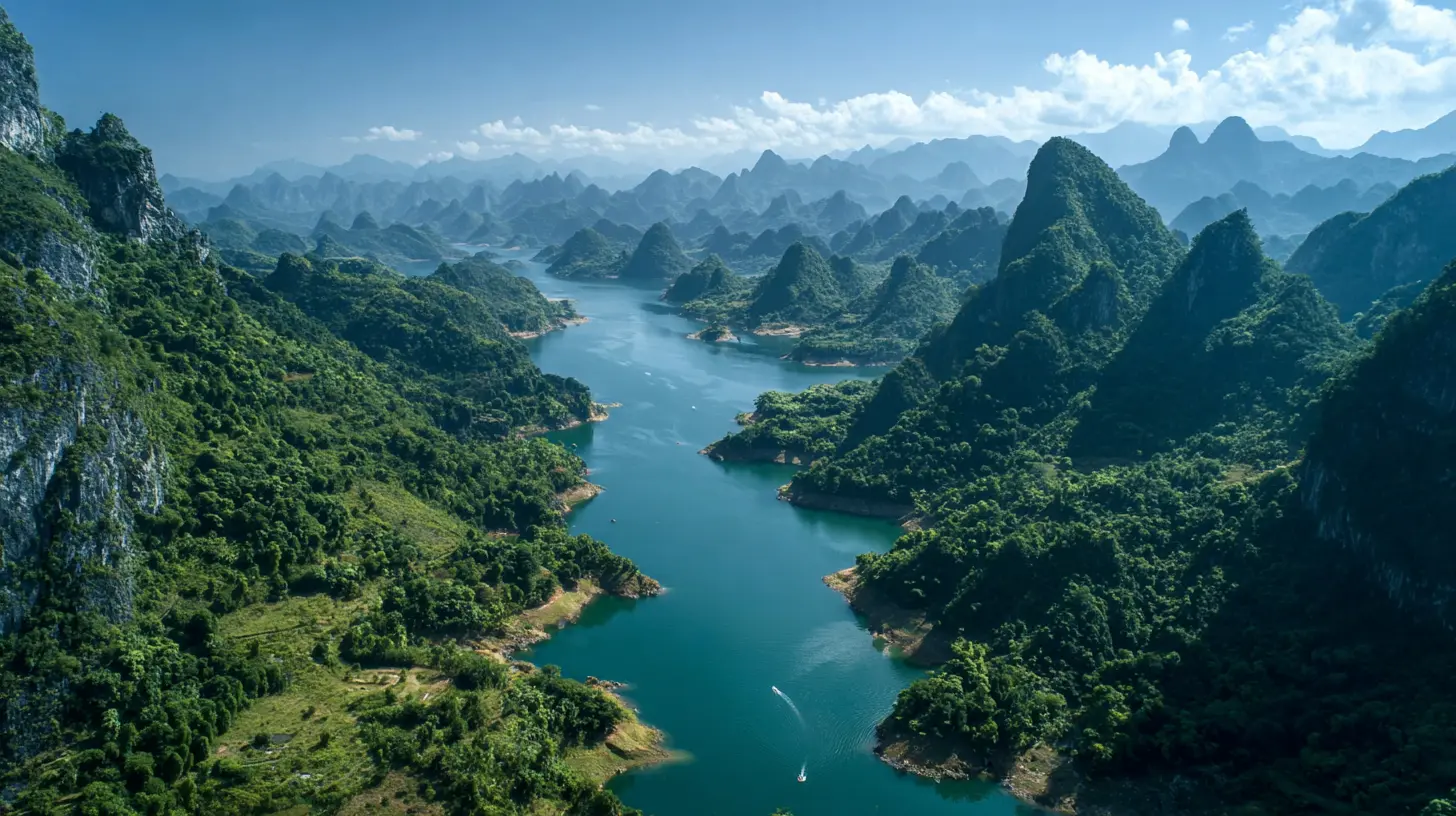
Unmatched Scenic Beauty: Where Your Eyes Will Thank You
I am talking about places that make your phone camera feel useless because no filter can capture the real thing. In 2026, the hotspots are not the overcrowded Instagram spots. They are the hidden gems that remained untouched because no one bothered to look.The Fjords of Norway Without the Crowds
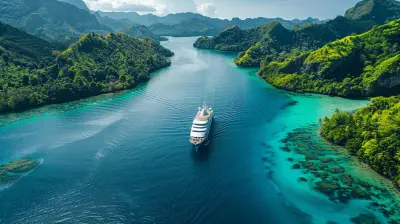
Imagine cruising through the Norwegian fjords in a silent electric ferry. No engine noise. Just the sound of waterfalls and seabirds. The water is so clear you can see the rocks fifty feet down. By 2026, these fjords are fully protected from mass tourism. Only a limited number of boats are allowed per day. You book in advance, you pay a bit more, but you get the silence. You get the real Norway. Not the one where you elbow strangers for a selfie.Patagonia's Rewilded Trails
Patagonia has always been a dream destination. But in 2026, it is becoming a model for rewilding. Large areas that were once overgrazed by cattle are being restored. You can hike through grasslands where pumas and guanacos roam freely. The trails are marked, but they feel ancient. The wind tells stories. And the mountains? They look like they were carved by a giant with a chisel. The beauty here is raw. It does not try to impress you. It just exists.The Coral Gardens of Raja Ampat
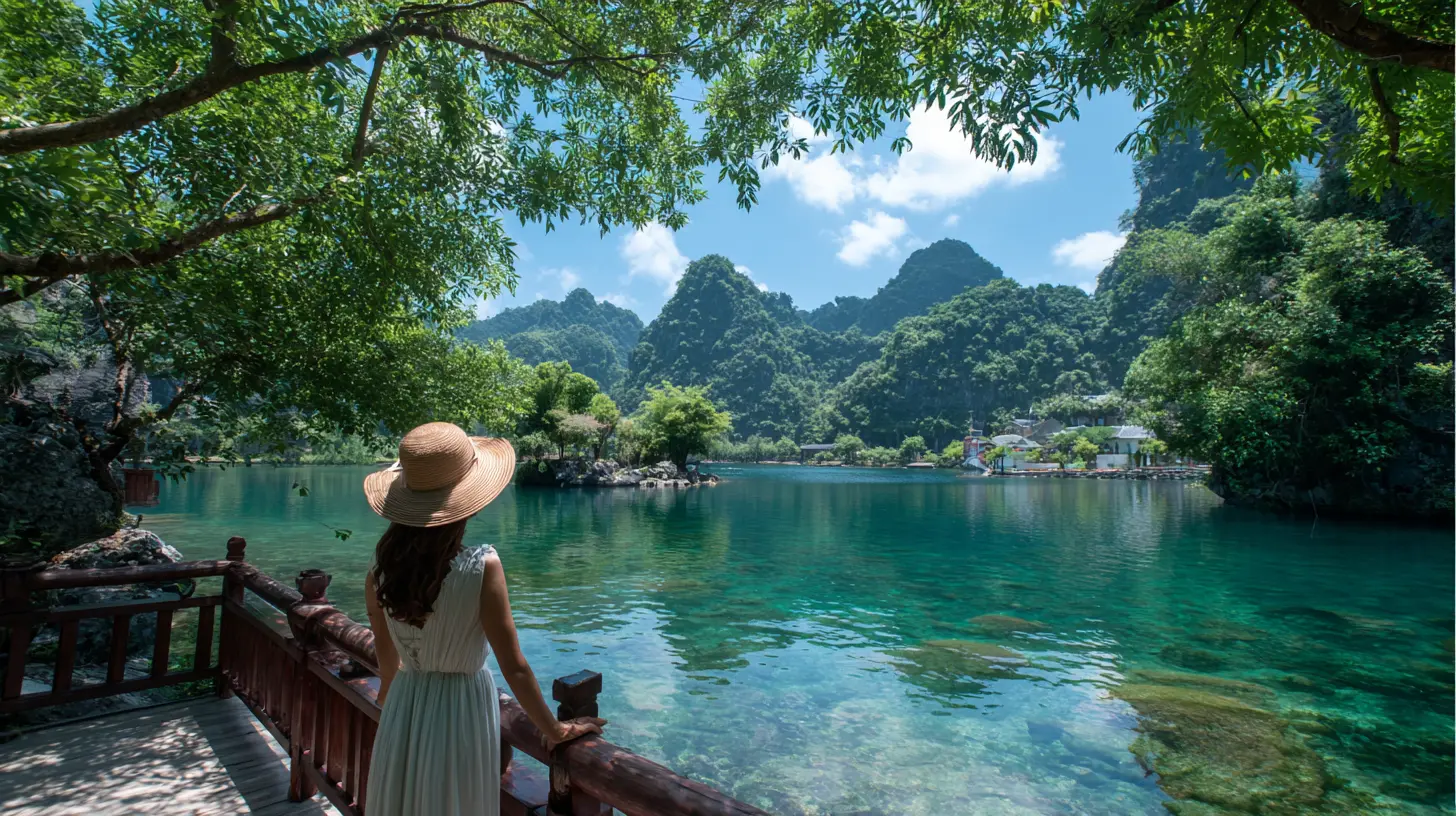
If you love the ocean, Raja Ampat in Indonesia is your paradise. But by 2026, the coral reefs here are healthier than they have been in decades. Why? Because local communities are running the show. They limit divers, they ban sunscreen that harms coral, and they plant new coral every month. You can swim through gardens of soft coral that sway like underwater flowers. Fish in colors you did not know existed. It is like swimming in a living kaleidoscope. And you know your entry fee is paying for the rangers who protect it.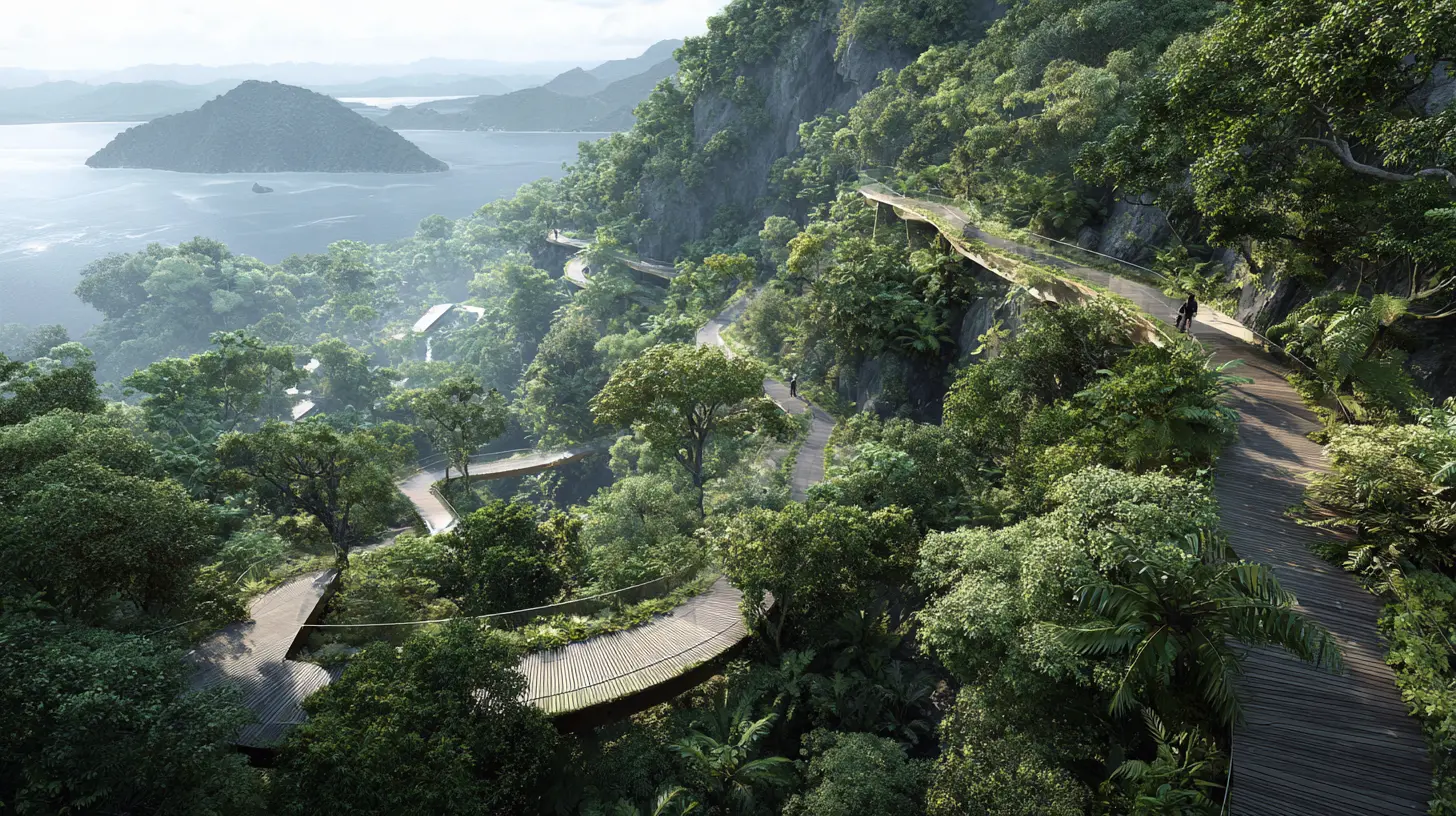
How Technology Is Saving the Scenic Views
You might think technology and nature do not mix. But in 2026, they are best friends. Here is how.Smart Permits and Real-Time Data
Gone are the days of showing up at a national park and hoping for the best. In 2026, apps use real-time data to tell you exactly how many people are on a trail. If it is crowded, the app suggests an alternative route. It sounds simple, but it changes everything. You avoid the traffic jams of hikers. You get the solitude you came for. And the park ecosystem gets a break from too many boots trampling the same ground.Virtual Scouting Before You Go
I am not talking about virtual reality replacing the real trip. I am talking about using VR to scout trails before you leave home. You can "walk" a path, check the weather, and decide if it is right for your fitness level. This cuts down on unprepared tourists who get lost or damage fragile areas. You arrive knowing exactly what you are getting into. It is like a dress rehearsal for your adventure.Solar-Powered Lodges That Blend In
The lodges of 2026 are not just eco-friendly. They are invisible. Imagine a treehouse that runs on solar panels shaped like leaves. Or a glamping tent that collects rainwater and uses composting toilets. These places sit lightly on the land. They do not cut down trees to build. They work around them. You sleep in a room that feels like part of the forest. The only light at night is from the stars and a dim lantern. It is not roughing it. It is refining it.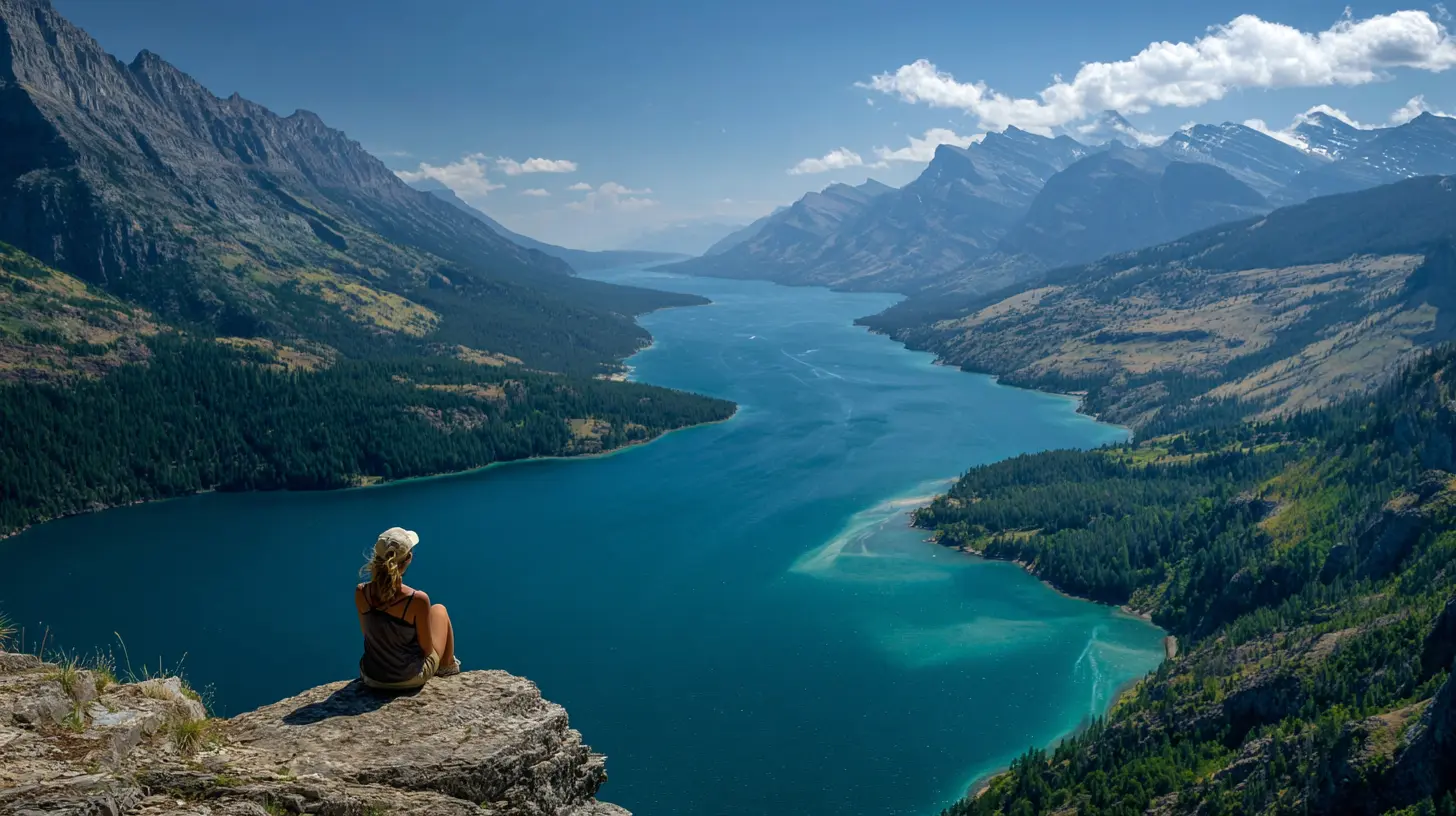
The Human Side: Local Communities Take the Lead
Here is a truth most travel blogs ignore: the best eco-tourism is run by the people who live there. Not by big hotel chains. In 2026, that is the standard.Indigenous Guides Are the Real Experts
You can read a guidebook. But you cannot learn what an indigenous guide knows. They have walked those forests for generations. They know which plants heal a wound, which animals are nearby, and which stories the rocks hold. In 2026, more tours are led by local communities. You pay them directly. You eat food they cook. You sleep in homes they built. The scenic beauty is the backdrop. The connection is the real treasure.Community-Owned Eco-Lodges
Instead of a foreign corporation building a resort, local cooperatives are building small lodges. They use local materials. They hire local staff. They reinvest the profits into schools and healthcare. You are not just a guest. You are supporting a village. And those villages take care of their land because it is their home. They do not let anyone dump trash or poach animals. The result? Pristine landscapes that stay pristine.What You Can Do to Be Part of This Future
I know what you might be thinking. "This sounds great, but is it for me? I am not a hardcore environmentalist." Good news: you do not have to be. You just have to make small shifts in how you travel.Pack Lighter, Travel Slower
In 2026, the trend is slow travel. Instead of visiting five countries in two weeks, you stay in one place for a week or more. You take trains instead of planes when you can. You walk or bike instead of renting a car. This cuts your carbon footprint in half. And you actually see the place. You notice the way light hits the mountains at sunset. You learn the names of the birds. You taste the local food. It is not a checklist. It is a life.Choose Experiences Over Souvenirs
Instead of buying a mass-produced keychain, spend your money on a guided walk with a local naturalist. Or a cooking class that uses ingredients from a nearby farm. These experiences create memories that last. They also support the local economy directly. And they do not end up in a landfill.Leave No Trace, But Also Leave a Gift
The old rule was "take only photos, leave only footprints." In 2026, we add one more thing: leave a positive impact. That could mean planting a tree, joining a beach cleanup, or donating to a local conservation group. Even a small act makes a difference. Think of it as a thank-you note to the place that gave you a beautiful day.
The Scenic Beauty You Have Not Seen Yet
Let me paint you a picture of a place that is becoming a must-see in 2026.The Azores, Portugal
This cluster of volcanic islands in the Atlantic is like Hawaii without the crowds. In 2026, the Azores are fully committed to sustainable tourism. They cap the number of visitors to each island. They protect the deep blue lakes that sit inside volcanic craters. You can hike through hydrangea-lined paths to a viewpoint that overlooks the ocean. The air smells like wet earth and flowers. The water is so clean you can drink from the streams. It is not a secret anymore, but it still feels like one.The Cloud Forests of Monteverde, Costa Rica
Costa Rica has been an eco-tourism leader for years. But Monteverde in 2026 is something else. The cloud forest is a place where mist hangs in the trees like ghostly curtains. You walk on suspension bridges above the canopy. You see quetzal birds with feathers that shimmer like emeralds. The lodges here are carbon neutral. The trails are maintained by local biologists. You feel like you are walking through a living museum. And you are helping preserve it.The Empty Beaches of Mozambique
Mozambique has some of the most stunning coastline in Africa. But it was overlooked for decades. In 2026, that changes. Small eco-resorts are opening along the coast. They use solar power and desalination for water. You can swim with whale sharks in the morning and eat fresh seafood for lunch. The beaches are nearly empty. The sand is white. The water is turquoise. It feels like you discovered a secret. And in a way, you did.Why This Matters More Than You Think
Look, I am not going to pretend that eco-tourism will save the planet by itself. It will not. But it is a powerful tool. Every time you choose a responsible trip, you send a message. You tell the industry that you value nature more than convenience. You tell local communities that their heritage matters. You tell yourself that travel can be more than just a vacation. It can be a gift.By 2026, the scenic beauty of this world will still be here. But it will be scarcer. The places that survive will be the ones we protected. The ones we visited with care. The ones we loved enough to leave alone.
So when you plan your next trip, ask yourself this: "Am I going to take from this place, or am I going to give back?" The answer will change everything.
all images in this post were generated using AI tools
Category:
Scenic ViewsAuthor:

Claire Franklin
Discussion
rate this article
1 comments
Azriel McMichael
Embrace nature's beauty; protect it wisely.
June 5, 2026 at 3:18 AM