The Hidden Festivals of Europe Worth Seeing in 2027
31 May 2026
You've probably heard of Oktoberfest, La Tomatina, and the Venice Carnival. They're on every bucket list, every Instagram feed, every "top 10 festivals in Europe" article. And sure, they're fun. But here's the thing: by 2027, those massive events will be even more crowded, more expensive, and more commercialized than ever. You'll spend half your time queuing for a beer or dodging selfie sticks.
So what if I told you there's a whole other layer of European celebrations that most tourists never even hear about? Festivals that feel like stumbling into a secret party your ancestors threw a thousand years ago. Festivals where you're not just a spectator but part of something raw, weird, and deeply local.
These aren't the festivals you find on a quick Google search. These are the ones you earn. And in 2027, they're the ones worth planning an entire trip around.
Let me take you off the beaten path.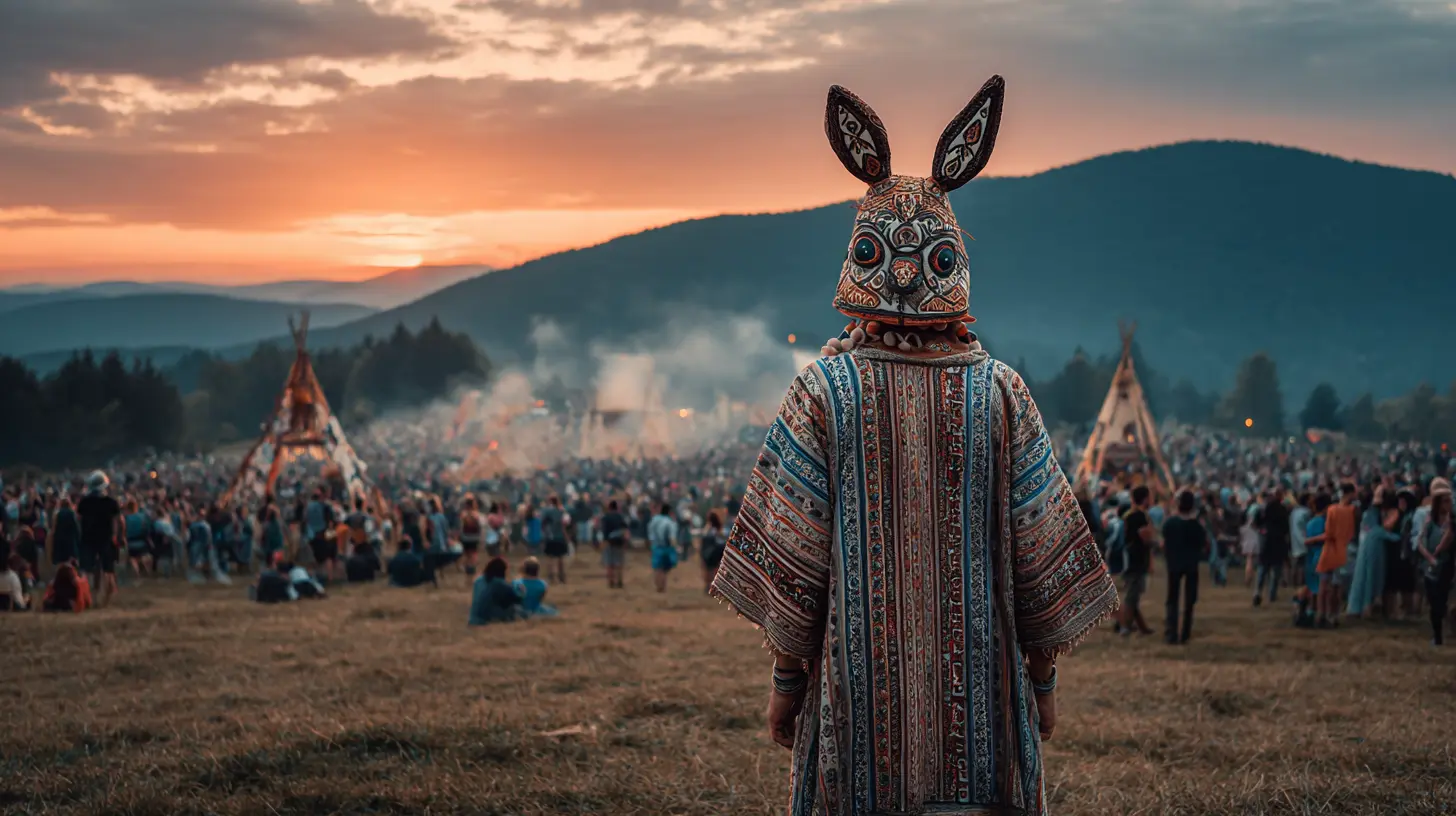
Why 2027 Is the Perfect Year for Hidden Festivals
Timing matters. In 2027, several factors align to make these obscure celebrations more accessible and more authentic than they've been in years.First, post-pandemic travel patterns have shifted. People are craving experiences that feel real, not manufactured. The big festivals have become theme parks. The hidden ones? They're still run by volunteers, locals, and families who've been doing this since before anyone kept records.
Second, 2027 marks a unique calendar alignment for several lunar and solar-based festivals. Some happen only once every few years. Some align with specific astronomical events. If you miss 2027, you might wait until 2029, 2031, or even 2038.
Third, budget travelers are getting smarter. The hidden festivals are often free or cost pocket change. You'll spend less on a weekend at one of these than you would on a single night at a big-name festival hotel.
So pack light, bring an open mind, and leave your expectations at home.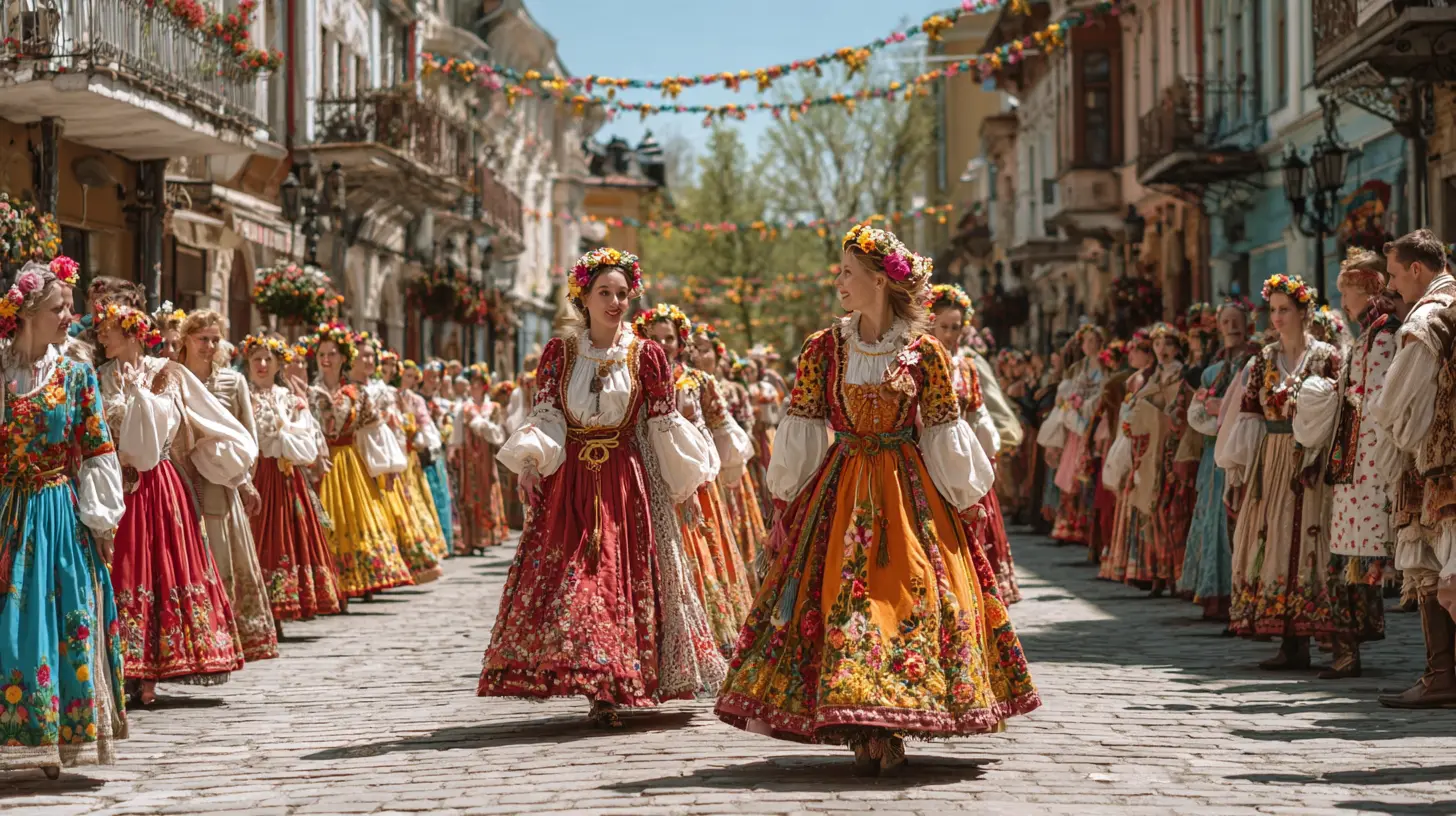
The Kurentovanje in Ptuj, Slovenia (February)
Let's start with something that looks like a fever dream. Kurentovanje is Slovenia's version of Mardi Gras, but instead of beads and boobs, you get shaggy sheepskin monsters ringing giant cowbells.The main character is the Kurent, a creature dressed in heavy wool, wearing a mask with a long red tongue, and carrying a spiky club. He's supposed to chase away winter and scare off evil spirits. And honestly? If I saw a Kurent stumbling down a cobblestone street at midnight, bells clanking, I'd be scared too.
Ptuj is one of Slovenia's oldest towns, with a castle on a hill and Roman ruins underneath. During Kurentovanje, the whole place becomes a living museum. Locals dress in traditional costumes that have been passed down for centuries. There's a procession, sure, but it's not a polished parade. It's chaotic, loud, and smells like woodsmoke and fried dough.
What makes this festival hidden? Most tourists skip Slovenia entirely, heading to Croatia or Italy instead. And even those who visit Ljubljana rarely make it to Ptuj. In 2027, the festival runs from late January through mid-February, with the main event on Shrove Tuesday. You'll find maybe a hundred other tourists. The rest are locals who've been doing this since childhood.
Don't expect English signage everywhere. Don't expect a schedule that makes sense. Just follow the sound of the bells.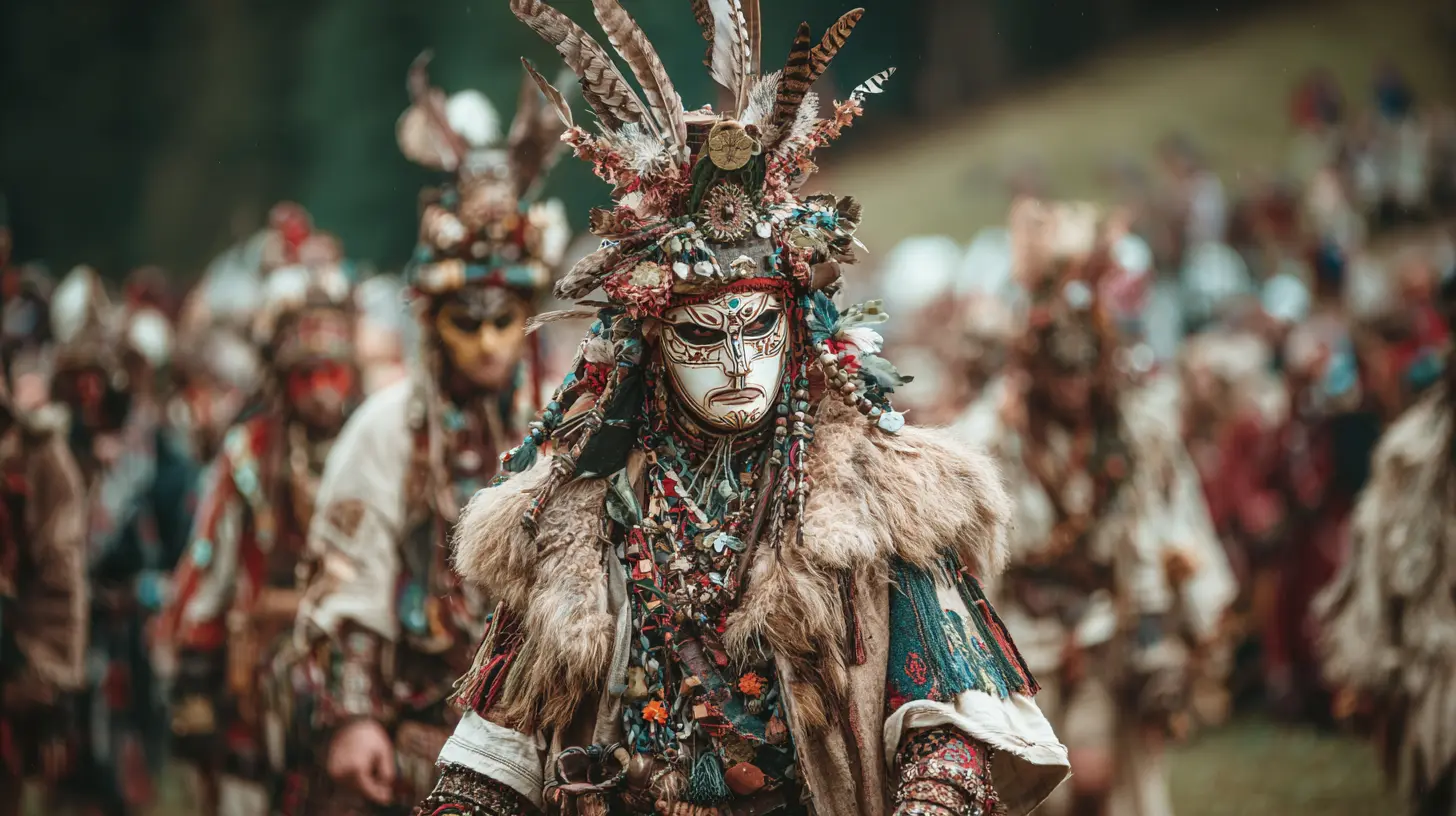
The Battle of the Oranges in Ivrea, Italy (February)
You've heard of La Tomatina in Spain. Everyone has. But have you heard of the Battle of the Oranges in Ivrea, Italy? It's everything La Tomatina wishes it was: older, messier, and way more meaningful.Here's the story. Back in the Middle Ages, a local tyrant tried to exercise the "right of the first night" with a young bride. She chopped off his head, and the townspeople rose up and burned his castle. Every year since, they reenact the rebellion by throwing oranges at each other. The oranges represent the tyrant's head. The throwing represents the fight for freedom.
Now, imagine nine teams of "rebels" on foot, facing off against horse-drawn carts full of "guards" who pelt them with citrus. The streets are sticky with juice. You wear a red cap if you're a participant, and you're considered fair game. If you don't wear a cap, you're a spectator, but you'll still get hit. There's no escape.
In 2027, the battle happens in the three days before Ash Wednesday. The town of Ivrea, in Piedmont, fills with the smell of oranges and the sound of yelling. By the end, you'll be covered in pulp and grinning like an idiot.
Why is it hidden? Because Italy has a hundred other festivals that get more press. And honestly, the tourist board doesn't promote it heavily because it's a liability nightmare. But that's exactly why it's worth it. It's real. It's messy. It's not sanitized for Instagram.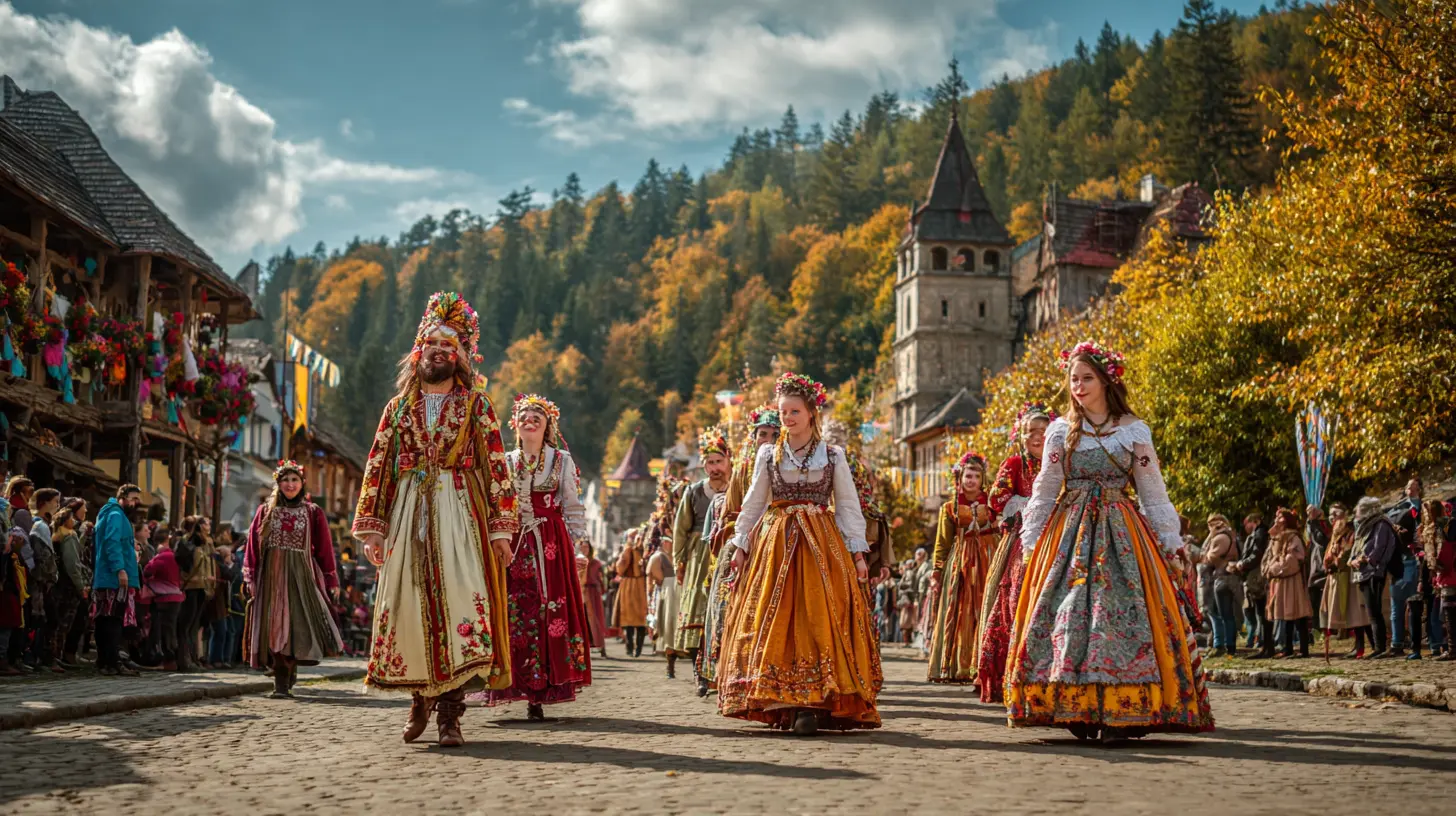
The Haxey Hood in Haxey, England (January 6th)
If you think American football is violent, you've never seen the Haxey Hood. This is a festival that dates back to the 14th century, and it's basically a giant rugby match with no rules, no teams, and no winner.Here's how it works. A "hood" (a heavy leather tube) is thrown into a crowd of hundreds of people. The goal is to push it to one of four local pubs. That's it. There's no time limit. There's no referee. There's just a mass of bodies shoving, grunting, and laughing for hours.
The "Lord of the Hood" and his "Boggins" (helpers) dress in old-fashioned red coats and top hats. They try to keep order, but they fail. The whole thing is a muddy, sweaty, glorious mess.
In 2027, it happens on January 6th, which is Twelfth Night. The village of Haxey is in Lincolnshire, about as far from the tourist trail as you can get in England. You'll be standing in a field in winter, freezing your butt off, watching grown men wrestle over a leather tube.
And you'll love every second of it.
Why is it hidden? Because it's not a spectacle. It's not a show. It's a community tradition that outsiders are welcome to watch but will never fully understand. There's no entrance fee, no VIP section, no merchandise. Just mud, tradition, and a lot of sore muscles the next day.
The Night of the Radishes in Oaxaca, Mexico (December 23rd)
Wait, I know what you're thinking. Oaxaca isn't in Europe. But hear me out. This festival has deep roots in Spanish colonial tradition, and it's one of the most unique celebrations you'll ever see. Plus, it's a perfect add-on to a European trip if you're already heading to Spain or Portugal, since Oaxaca's culture is heavily influenced by those countries.The Night of the Radishes (Noche de los Rabanos) is exactly what it sounds like. Artisans carve giant radishes into elaborate scenes: nativity sets, folk dancers, mythical creatures, entire villages. The radishes are specially grown for this event, some as big as your arm. The carvings are displayed in the town square, and thousands of people walk through to admire them.
It's weird. It's wonderful. And it's over in a few hours. By midnight, the radishes start to wilt, and the whole thing is packed up until next year.
In 2027, the festival falls on December 23rd. If you're in Europe for Christmas markets, you can fly to Oaxaca for a long weekend. It's not European, but it's a festival that embodies the same spirit: local, handmade, and deeply rooted in tradition.
Why is it hidden? Because most people associate Mexico with beaches and tequila, not radish carving. And because it's only one night, it doesn't get the tourist infrastructure that bigger festivals have. You'll be shoulder to shoulder with locals, not tourists.
The Fete de la Saint-Jean in Saint-Jean-de-Luz, France (June 24th)
The Basque Country is one of Europe's most underrated regions. It straddles the border between France and Spain, with its own language, its own food, and its own fiercely proud culture. And the Fete de la Saint-Jean is its biggest party.This festival marks the summer solstice. In the town of Saint-Jean-de-Luz, the celebration starts with a giant bonfire on the beach. Then there's a torchlight procession through the old town. Then there's dancing in the streets until dawn.
But here's the secret: the real magic happens in the hours before midnight. Locals gather in the main square, wearing traditional Basque berets and scarves. They sing old songs in Euskara, the Basque language, which sounds like nothing else on Earth. The atmosphere is electric, but also intimate. You feel like you've stumbled into a family reunion.
In 2027, June 24th is a Thursday, which means the party spills into the weekend. The weather is perfect. The beaches are warm. And the seafood? Don't even get me started on the seafood.
Why is it hidden? Because the Basque Country is still a niche destination for most travelers. Most people go to Paris or the French Riviera. They skip the southwest corner entirely. And the festival itself is not advertised outside the region. You have to know someone who knows someone.
The Fiesta de la Luz in Cordoba, Spain (Late September)
Cordoba is famous for its Mezquita, the stunning mosque-cathedral that defines Spanish Islamic architecture. But once a year, the city does something even more magical. It turns off all the electric lights and lights up the streets with thousands of candles and oil lamps.The Fiesta de la Luz (Festival of Light) transforms the old Jewish Quarter into a labyrinth of flickering shadows. Patios that are usually hidden behind iron gates are opened to the public. Each one is decorated with flowers, lanterns, and hand-painted tiles. You walk through narrow alleys, following the glow, never knowing what you'll find around the next corner.
There's live music, but it's acoustic. There's food, but it's simple: olives, bread, wine. The whole thing feels like a step back in time, to when nights were dark and light was a luxury.
In 2027, the festival happens in late September, when the summer heat has faded and the crowds have thinned. Cordoba is already a quieter alternative to Seville and Granada, but during the Fiesta de la Luz, it feels like your own private discovery.
Why is it hidden? Because it's relatively new (started in 2015) and still flies under the radar. Most travel guides don't mention it. And because it's a walking event, not a stage show, it doesn't attract the big crowds that other Spanish festivals do.
The Kekri Festival in Finland (Late October)
Finland in October is dark, cold, and rainy. Perfect for a festival that celebrates the end of the harvest season and the beginning of winter. Kekri is an ancient Finnish tradition that predates Christianity. It's a time for feasting, storytelling, and honoring the dead.In modern Finland, Kekri was almost forgotten. But in the last decade, there's been a revival. Small villages and cultural centers host Kekri events with bonfires, traditional foods like turnip casserole and rye bread, and "spirit walks" where you leave offerings for your ancestors.
The best place to experience it is in the rural region of Savonia, around the town of Kuopio. The festival there is intimate, with maybe 50 people. You'll sit in a wooden cabin, eat porridge from a wooden bowl, and listen to a storyteller recount old myths under the glow of a single candle.
In 2027, Kekri falls on the last Saturday of October. The days are short. The nights are long. But that's exactly the point. It's a festival about embracing the darkness, not fighting it.
Why is it hidden? Because Finland is already a niche destination, and Kekri is a niche within a niche. Most tourists go to Lapland for Santa or the Northern Lights. They don't venture into the lake district in autumn. But that's where the real culture lives.
How to Plan Your Hidden Festival Tour in 2027
So you're sold. You want to chase monsters in Slovenia, throw oranges in Italy, and eat turnip casserole in Finland. How do you actually make this happen?First, don't try to do all of them. Pick two or three that align with your travel style. If you love chaos, go for Ivrea and Haxey. If you prefer beauty, go for Cordoba and Saint-Jean-de-Luz. If you want weird, go for Ptuj and Kekri.
Second, book accommodation early. These festivals don't have big hotel blocks. You'll be staying in guesthouses, B&Bs, and private rentals. Some of them book up months in advance by locals who return year after year.
Third, learn a few phrases in the local language. Even if you butcher the pronunciation, locals will appreciate the effort. A simple "thank you" or "this is amazing" in Basque, Slovenian, or Finnish goes a long way.
Fourth, be flexible. These festivals run on local time, not tourist time. The parade might start late. The bonfire might get rained out. The radishes might wilt before you see them. Go with the flow. That's part of the experience.
Fifth, leave your phone in your pocket. Take a few photos, sure. But the magic of hidden festivals is in the moment, not the grid. You'll remember the smell of orange juice and the sound of cowbells long after you've forgotten your Instagram caption.
Why Hidden Festivals Matter More Than Ever
In 2027, the world will be more connected than ever. You can watch any festival online. You can livestream a parade from your couch. But that's not the same as being there.Hidden festivals are a reminder that culture isn't a product. It's not something you consume. It's something you participate in. When you stand in a muddy field in England, watching a century-old tradition unfold, you're not a tourist. You're a witness. You're part of the story.
These festivals survive because people care. Not because they're profitable. Not because they're famous. Because they matter to the people who keep them alive.
And in 2027, they matter to you too.
So pack your bags. Leave the itinerary loose. Go find the festival that no one else is talking about. You'll come back with stories that no filter can capture.
all images in this post were generated using AI tools
Category:
Festival TravelAuthor:

Claire Franklin