The History Behind Some of the World's Oldest Ski Resorts
28 January 2026
There’s something truly magical about gliding down the slopes of a mountain, the crisp mountain air brushing against your face, and the breathtaking scenery surrounding you. Skiing isn't just a sport—it's an experience rich in history, tradition, and adventure.
But have you ever wondered how some of the world’s oldest ski resorts came to be? Who were the pioneers that first carved out these trails in the snow? It turns out that many of today’s most iconic ski resorts weren’t just built for winter tourism; they have deep-rooted histories that go back centuries.
Let's take a ride down memory lane and uncover the fascinating stories behind some of the world's oldest ski resorts.
1. St. Anton (Austria) – The Birthplace of Modern Skiing
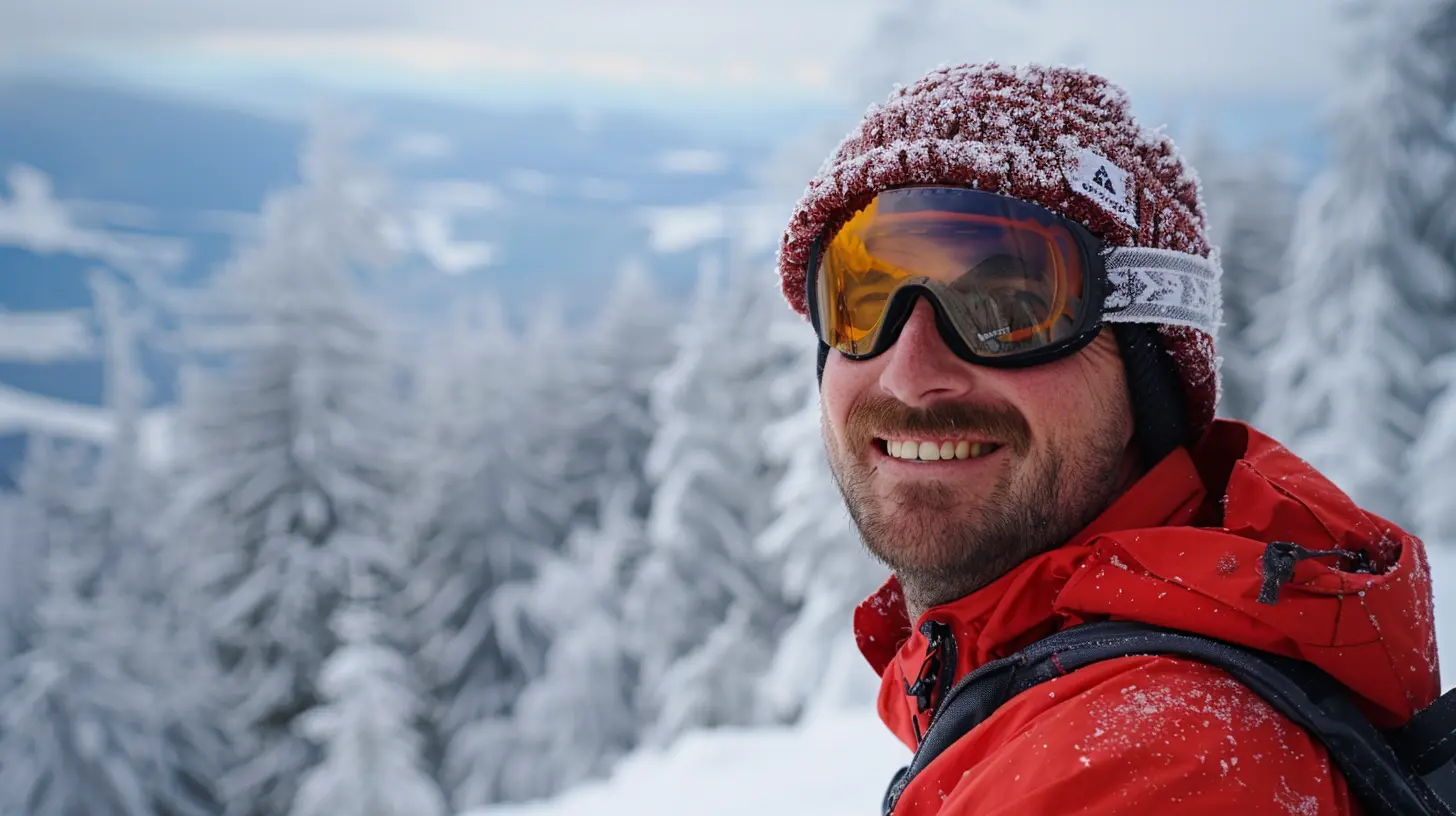
If there’s one place every ski enthusiast should know about, it’s St. Anton am Arlberg in Austria. Not only is it one of the oldest ski resorts in the world, but it’s also regarded as the cradle of modern skiing.Back in the late 1800s, skiing was more of a necessity than a sport in the Austrian Alps. Locals used wooden planks to travel across snow-covered landscapes. But everything changed when Hannes Schneider—a true pioneer—introduced new skiing techniques in the early 1900s. He revolutionized the sport by developing the Arlberg method, which emphasized controlled turns and proper posture.
By the 1920s, St. Anton had already established itself as a premier destination, attracting ski enthusiasts from all over Europe. Today, it remains one of the best ski resorts in the world, blending rich history with world-class slopes.
Fun Fact:
St. Anton was one of the first resorts to introduce ski schools, shaping the way people learn to ski even today.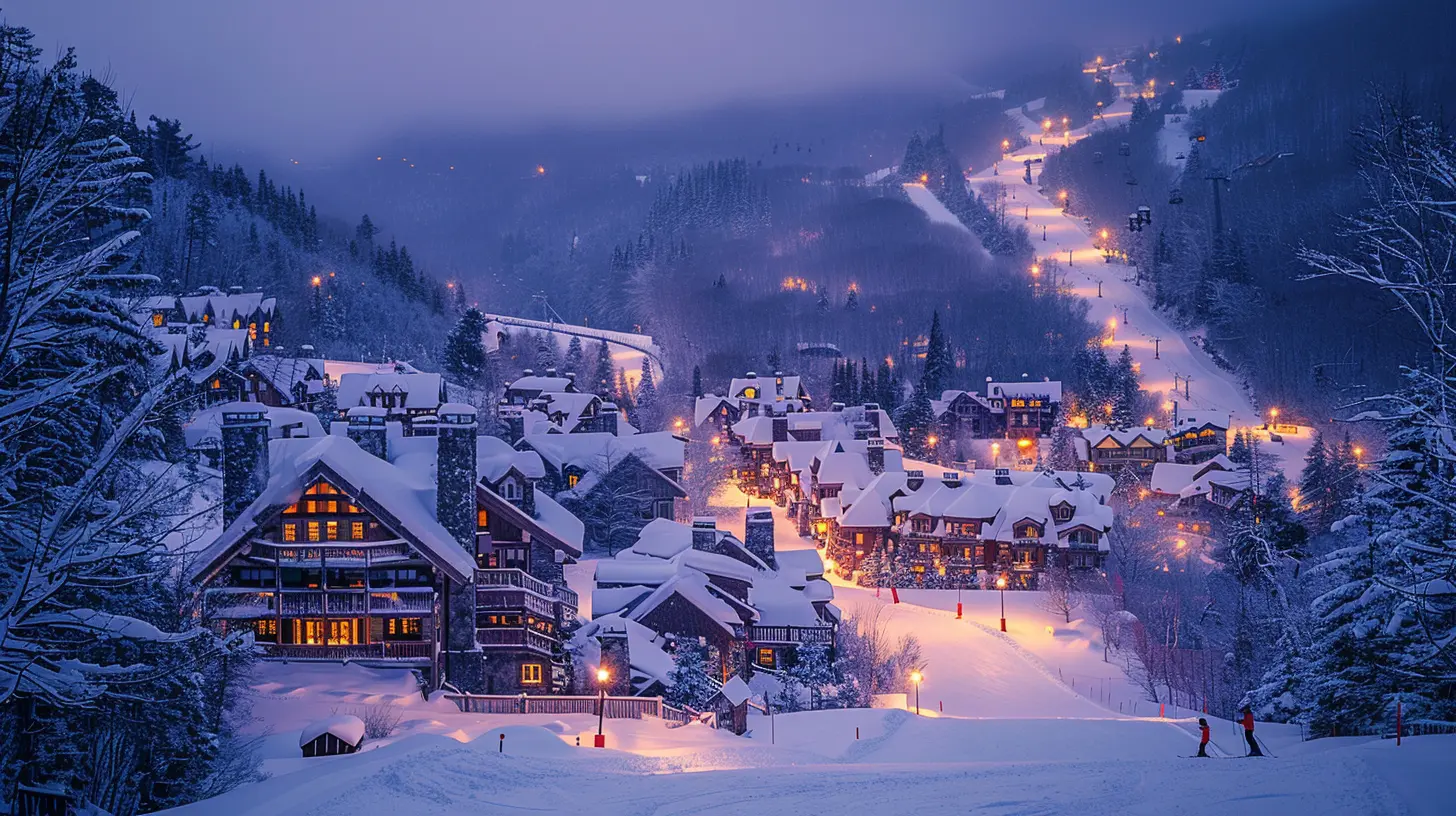
2. Chamonix (France) – Home of the First Winter Olympics
Nestled in the French Alps, Chamonix is a name that echoes in the world of skiing. The resort gained worldwide fame when it hosted the very first Winter Olympics in 1924. But its roots go even deeper.Chamonix has been a haven for winter adventurers since the 18th century. Early mountaineers were already making their way through the region long before skiing became popular. When skiing picked up in the early 20th century, Chamonix quickly became synonymous with the sport.
What sets Chamonix apart is its rugged and challenging terrain. Unlike other resorts, it’s not just for leisurely skiing—it’s for thrill-seekers, extreme skiers, and adventurers who crave the rush of untamed slopes.
Fun Fact:
Chamonix is home to the Vallée Blanche, one of the longest off-piste ski runs in the world, stretching for 22 km (13.7 miles).
3. Davos (Switzerland) – Europe's Original Ski Resort
Davos in Switzerland holds the distinction of being Europe’s first official ski resort. While many ski villages evolved organically over time, Davos was one of the first places specifically designed to welcome winter tourism.Skiing in Davos dates back to the 1860s, when Sir Arthur Conan Doyle (yes, the creator of Sherlock Holmes) played a role in popularizing the sport there. He was not only a literary genius but also a passionate skier. He wrote about his experiences skiing in Davos, attracting attention from winter sports enthusiasts in Britain and beyond.
By the early 20th century, Davos had become a bustling winter wonderland, equipped with hotels, ski lifts, and even one of the world’s first bobsleigh tracks. Today, it remains a cornerstone of Swiss skiing culture.
Fun Fact:
Davos hosts the annual World Economic Forum, where world leaders and top business minds gather in the middle of this snowy paradise.
4. St. Moritz (Switzerland) – The Birthplace of Winter Tourism
While Davos is Switzerland’s first ski resort, St. Moritz was the birthplace of winter tourism. Believe it or not, it all started with a bet.In the late 19th century, hotelier Johannes Badrutt promised a group of English tourists that if they stayed in St. Moritz for the winter instead of just visiting in the summer, they would enjoy sunshine and stunning snowy landscapes. If they were cold and miserable, he’d cover their travel expenses.
Well, the tourists took the bet, and to their delight, St. Moritz turned out to be a winter paradise. Since then, it has grown into one of the world’s most glamorous ski destinations, attracting royalty, celebrities, and serious skiers alike.
Fun Fact:
St. Moritz has hosted the Winter Olympics twice (1928 and 1948), making it one of the few places to hold the prestigious event more than once.5. Le Grave (France) – A Timeless Off-Piste Paradise
While it may not be the most commercialized resort, Le Grave in France offers something truly unique: a pure, untouched skiing experience. Unlike other mountain resorts that have expanded to include massive infrastructure, Le Grave has stayed true to its roots.With a skiing history dating back over a century, Le Grave is not about groomed trails and après-ski luxury. It’s for hardcore skiers who love off-piste adventures. The resort only has a single lift system, and from there, you're on your own to navigate the vast, unmonitored terrain.
This place is not for the faint-hearted, but for those who dare to take on its slopes, it provides an unforgettable experience.
Fun Fact:
Le Grave is often dubbed "Europe's last real ski resort" because of its raw, uncommercialized nature.
6. Telemark (Norway) – The Birthplace of Skiing Itself
Talking about old ski resorts without mentioning Telemark, Norway, would be a crime. This is where skiing was born.The Telemark region in Norway is where Sondre Norheim, a 19th-century skiing pioneer, introduced the world to modern skiing techniques. He revolutionized the sport by inventing the Telemark turn, which allowed skiers to glide down slopes with greater ease and control.
Before places like St. Anton or Chamonix became famous, Telemark was already buzzing with activity. The locals had been using skiing as both a mode of transportation and a pastime for centuries. Today, it remains a significant historical skiing destination, attracting those who appreciate the deep heritage of the sport.
Fun Fact:
Sondre Norheim is often called the "father of modern skiing," and his influence can still be seen in skiing techniques used today.Final Thoughts
Skiing isn't just about the thrill of speeding down a mountain; it's about connecting with history, tradition, and the pioneers who paved the way. Whether you’re carving turns in St. Anton, braving the wild slopes of Le Grave, or embracing the nostalgia of Telemark, you’re experiencing a piece of history.These ski resorts have stood the test of time, welcoming generations of adventurers, athletes, and dreamers. So, the next time you pack your skis and hit the slopes, take a moment to appreciate the stories etched into the mountains beneath your feet.
Happy skiing!
all images in this post were generated using AI tools
Category:
Skiing And SnowboardingAuthor:

Claire Franklin
Discussion
rate this article
2 comments
Wolf Thornton
What a fascinating glimpse into the history of these iconic ski resorts! It's heartwarming to see how they’ve evolved while preserving their rich heritage. Truly inspiring for every traveler!
February 23, 2026 at 5:02 PM
Claire Franklin
Thank you! I'm glad you enjoyed the article and found it inspiring!
Raegan Shaffer
Fascinating glimpse into ski resort history and cultural impact!
January 29, 2026 at 4:06 AM
Claire Franklin
Thank you! I’m glad you found it intriguing! Ski resort history truly reflects cultural shifts and traditions.