Top Wildlife Sanctuaries That Prioritize Conservation and Education
2 December 2025
Ever dreamed of locking eyes with a curious orangutan or hearing a wolf howl in the wild? Trust me, there's nothing like standing in a place where wild animals are the stars of the show—and not just for our entertainment. Wildlife sanctuaries are magical spaces where nature is respected, conservation is paramount, and education fuels the future. If you’re looking to add some adventure (and a bit of heart) to your travels, these sanctuaries are worth jotting down in your bucket list.
Oh, and don’t worry—you won’t need to wrestle a lion or scale a treetop to enjoy these places. They’re all about respecting boundaries, learning about nature, and maybe falling a little more in love with our wild neighbors. So grab a backpack, toss in your binoculars, and let’s run wild—figuratively, of course.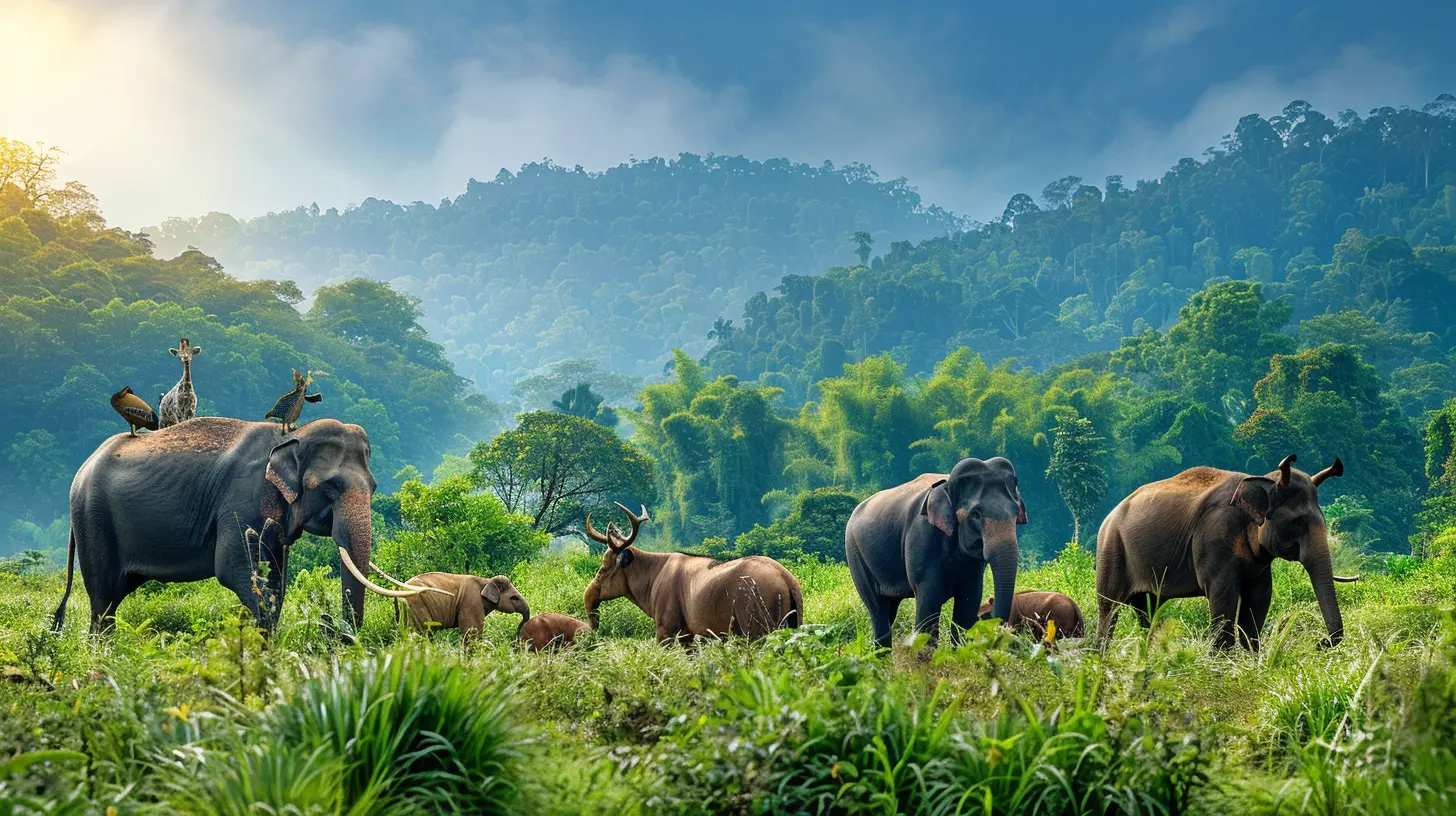
🦁 What Makes a Wildlife Sanctuary Special?
Before we dive into the list, let’s make one thing clear: not all wildlife sanctuaries are created equal. Some are just glorified zoos with better landscaping (bleh), while others are full-on conservation powerhouses doing the gritty, heartfelt work of saving species and teaching humans how to coexist with wildlife.So how do we spot the good ones? Here’s what we look for:
- Conservation-focused: They’re not just housing animals—they’re actively working to protect endangered species and restore habitats.
- Educational programs: Tours and visits here do more than delight—they educate and inspire.
- Ethical animal treatment: No selfies with sedated tigers or elephant rides. Ew.
- Scientific research: The best sanctuaries contribute to studies and global conservation efforts.
Now that we’ve got our safari hats on straight, let’s meet the champions of the conservation world.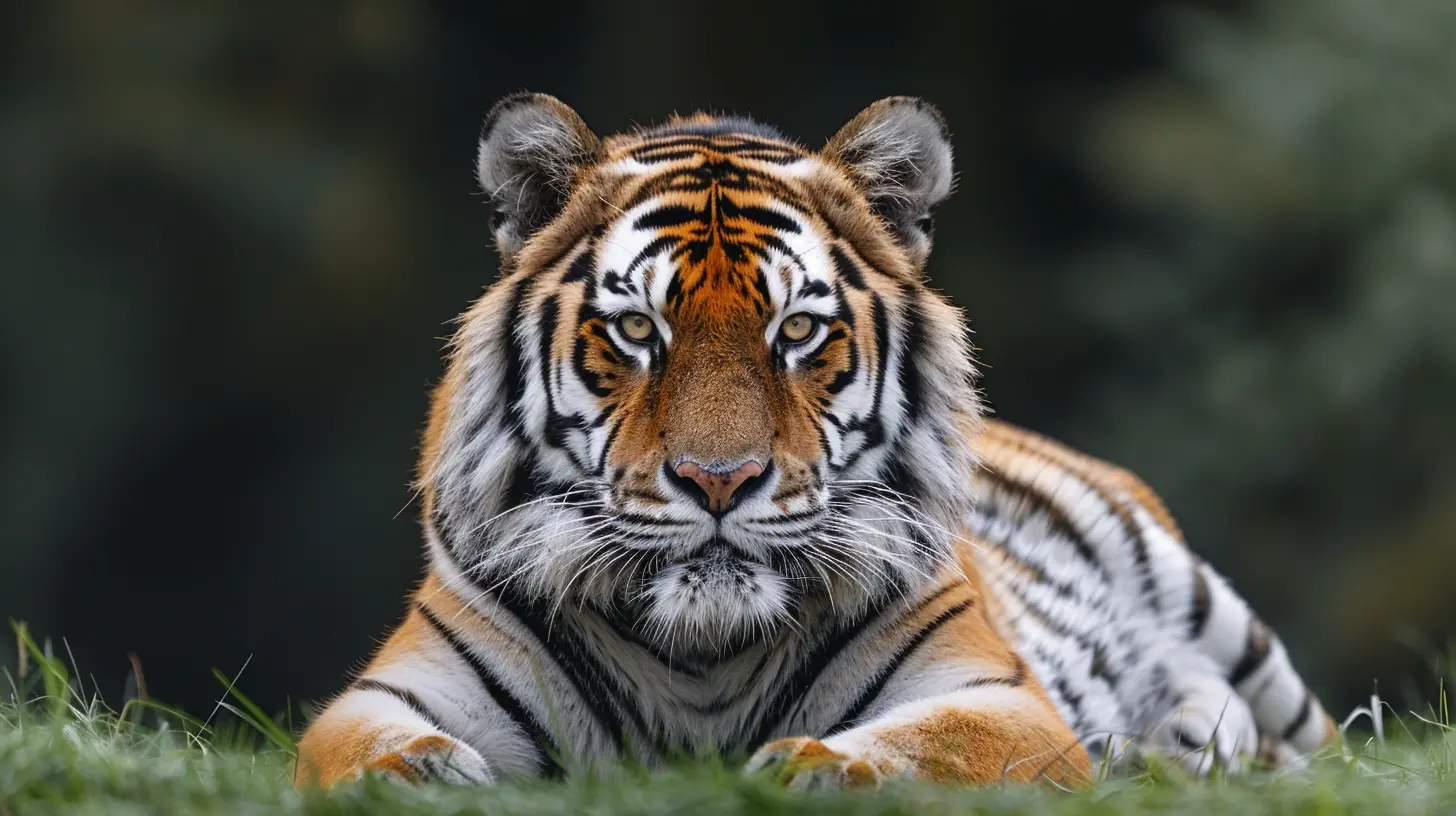
🐘 1. Elephant Nature Park – Chiang Mai, Thailand
This isn’t your average elephant park where you hop on an elephant’s back and call it a day. Oh no. At Elephant Nature Park, the motto is simple: let elephants be elephants.This sanctuary rescues elephants from logging, street begging, and tourism exploitation. Here, they roam freely, bathe in the river, and snuggle into hay beds without a chain in sight.
Fun Fact: Founder Lek Chailert is basically the Beyoncé of elephant conservation in Thailand—fierce and fearless.
Highlights:
- Volunteer programs where you feed and bathe elephants
- On-site dog and cat rescues (bonus snuggles!)
- Educational talks on ethical wildlife tourism
Why It Rocks for Conservation: They don’t just give elephants a home—they change the narrative around how elephants should be treated in tourism.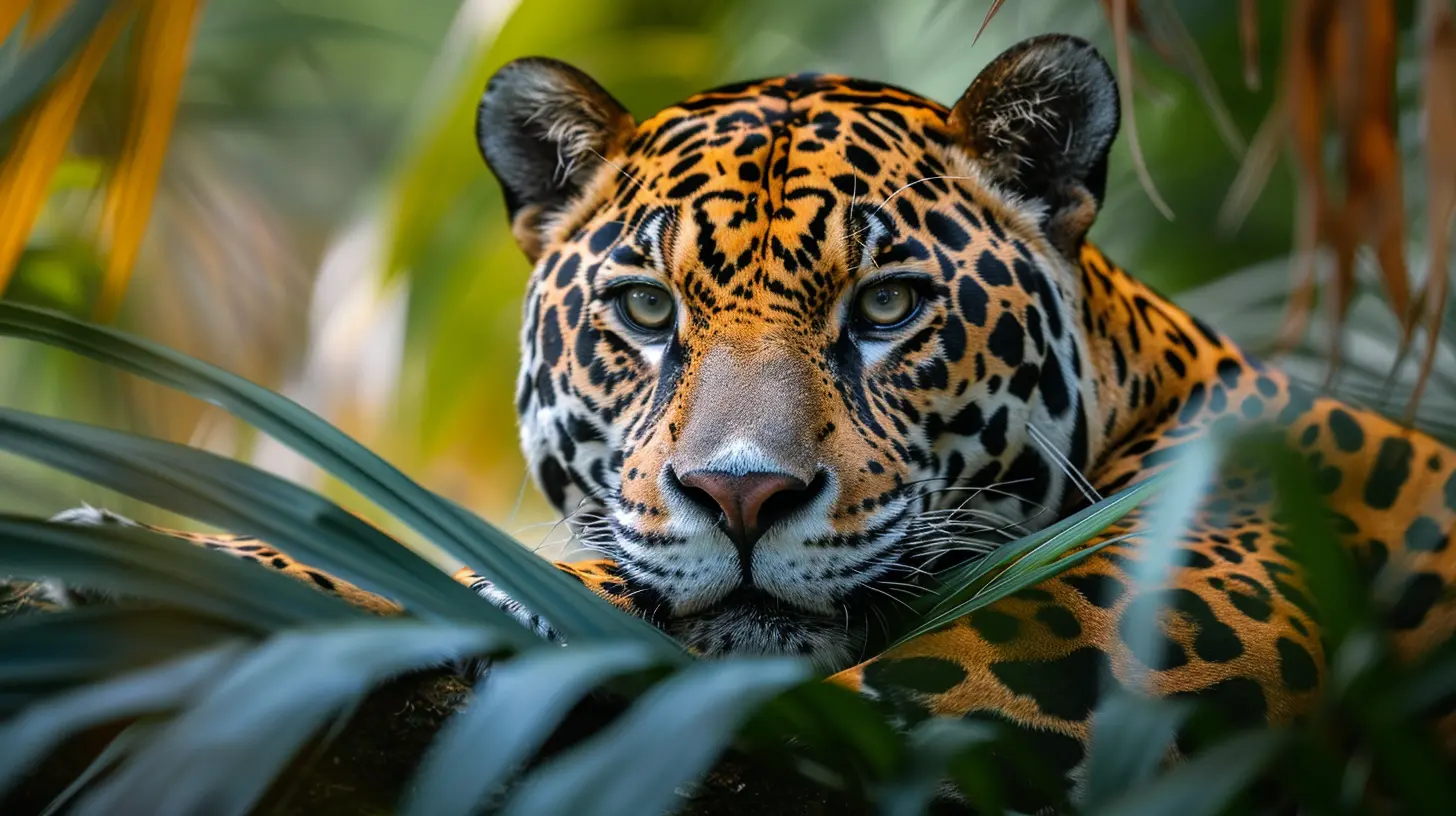
🐻 2. The Bear Sanctuary – Kuterevo, Croatia
Picture this: A sleepy little village, mountains in the backdrop, and a sanctuary that gives orphaned brown bears a second chance. Sounds like a fairytale, right?In reality, Kuterevo Bear Sanctuary is a grassroots initiative where locals and volunteers work hand-in-paw (okay, metaphorically) to care for these majestic creatures.
Highlights:
- Eco-volunteer opportunities
- Zero-cage vibe—bears roam in large, natural enclosures
- Emphasis on human-bear coexistence
Why It Rocks for Conservation: It’s less of a tourist spot and more of an immersive, community-driven conservation experience. Plus, it’s incredibly photogenic.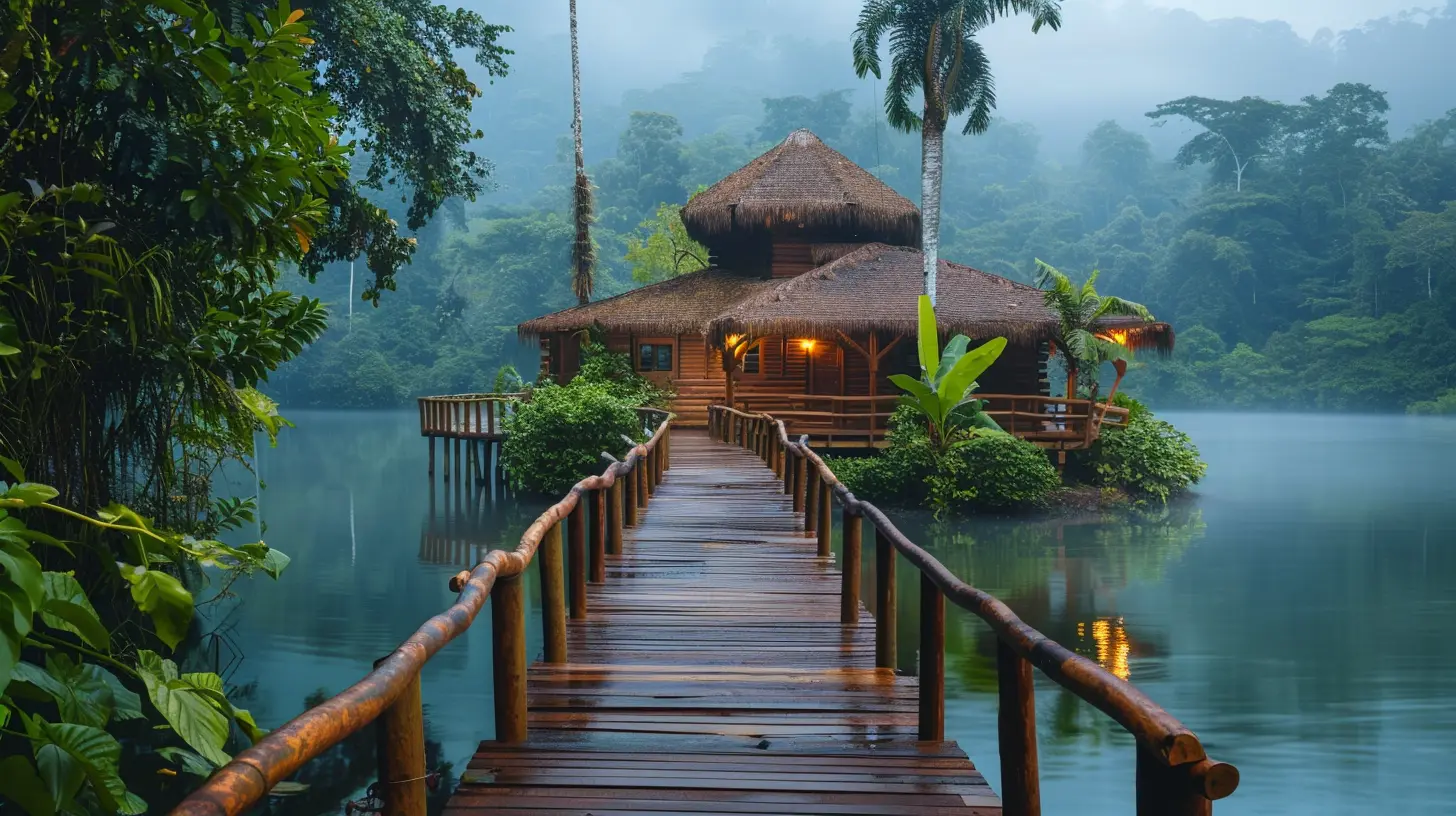
🐨 3. Lone Pine Koala Sanctuary – Brisbane, Australia
Australia’s got more wildlife than a National Geographic documentary, but the Lone Pine Koala Sanctuary stands out like a kangaroo in a crowd.Founded in 1927 (that’s almost a century of cuteness), Lone Pine is the world’s oldest and largest koala sanctuary. But don’t let the cuddly reputation fool you—these folks are serious about conservation.
Highlights:
- Hold a koala (ethically, of course)
- Educational talks every hour
- On-site research center for injured wildlife
Why It Rocks for Conservation: They play a huge role in koala conservation, particularly during Australia’s devastating bushfires. Also, the sanctuary runs its own research facility—because science.
🐺 4. Wolf Haven International – Tenino, Washington, USA
Wolves get a bad rap. Blame fairy tales, bad press, or Twilight (yes, you, Jacob). But at Wolf Haven International, these misunderstood predators are getting the redemption arc they deserve.This sanctuary rescues captive-born wolves and gives them sanctuary in peaceful, wooded enclosures far from human hustle and bustle.
Highlights:
- Educational wolf conservation programs
- Guided sanctuary tours with howling sessions (goosebumps guaranteed)
- Active role in wolf reintroduction efforts
Why It Rocks for Conservation: Wolf Haven supports healthy ecosystems by advocating for wolf protection and fighting the good fight against habitat destruction.
🐾 5. Cheetah Conservation Fund – Otjiwarongo, Namibia
Fast, fragile, and fabulous. That’s the cheetah for you. But fewer than 7,000 remain in the wild. Enter: Cheetah Conservation Fund (CCF)—a sanctuary and research center rolled into one badass hub of feline finesse.Founded by Dr. Laurie Marker, CCF focuses on saving cheetahs via science, education, and community programs that work with local farmers to protect both livestock and wildlife.
Highlights:
- Cheetah run demonstrations (think living, sprinting sports cars)
- Education centers and museum
- Genomic research and veterinary care
Why It Rocks for Conservation: CCF isn’t waiting around hoping cheetahs make a comeback—they’re engineering it with science, smarts, and a dash of safari flair.
🐧 6. SANCCOB – Cape Town, South Africa
Who knew penguins needed saving in South Africa? Turns out, climate change, overfishing, and oil spills have seriously ruffled their feathers.SANCCOB (Southern African Foundation for the Conservation of Coastal Birds) is a lifesaver—literally—for penguins and other seabirds.
Highlights:
- Penguin hospital tours
- Volunteer bird-care programs
- Rehabilitation and release events (bring tissues)
Why It Rocks for Conservation: In over 50 years, SANCCOB has treated more than 100,000 seabirds. They’re also big on educating local communities about marine conservation.
🦧 7. Borneo Orangutan Survival Foundation – Borneo, Indonesia
You think your job is hard? Try hand-feeding a baby orangutan while protecting it from illegal loggers and poachers. That’s just Tuesday at BOS Foundation.This sanctuary isn’t just swooping in to save orangutans—it’s rebuilding whole ecosystems.
Highlights:
- Forest school for baby orangutans (yes, it’s as cute as it sounds)
- Reintroduction into the wild
- Community development initiatives
Why It Rocks for Conservation: It’s comprehensive. They don’t just save animals; they restore forests, work with locals, and run long-term habitat protection programs.
🦓 8. Shamwari Private Game Reserve – Eastern Cape, South Africa
Luxury meets lion conservation? Sign us up! At Shamwari, they blend sustainable tourism with hands-on animal rescue and education.Yes, it’s a posh safari experience, but it’s also home to two sanctuaries and a wildlife rehabilitation center.
Highlights:
- Big Five sightings (lions, leopards, rhinos, elephants, buffalos!)
- Born Free Big Cat Sanctuaries
- Wildlife veterinary and rehab facility
Why It Rocks for Conservation: Shamwari isn’t just about spotting animals—it’s about protecting them through ethical tourism and hands-on care.
🐦 9. The Belize Bird Rescue – Belmopan, Belize
Tiny place, big impact. The Belize Bird Rescue was started by a couple who just wanted to help the odd injured parrot. Fast forward, and it’s now one of the country’s most critical wildlife sanctuaries.Highlights:
- Rescues, rehabilitates, and releases native birds
- Focus on anti-wildlife trafficking and illegal pet trade
- On-site education for school groups and tourists
Why It Rocks for Conservation: They don’t just save birds—they prevent future harm by making laws, schools, and communities part of the solution.
🦍 10. Jane Goodall Institute – Tchimpounga, Republic of Congo
If chimps had a queen, it’d be Jane Goodall. The Tchimpounga Chimpanzee Rehabilitation Center is one of the largest sanctuaries for chimps rescued from poaching or illegal trade.This sanctuary is proof that one woman with a dream (and a big heart) can change the world.
Highlights:
- Chimpanzee orphans cared for and socialized
- Outreach programs teaching locals about conservation
- Forest islands where chimps live semi-wild
Why It Rocks for Conservation: It’s Jane Goodall we’re talking about—nobody does primate conservation better.
🌿 Final Thoughts: Why Wildlife Sanctuaries Matter
Wildlife sanctuaries aren't just pretty places with furry residents. They're battlefronts of conservation. They inspire, educate, and push us to think differently about our place in the natural world.Each of these sanctuaries is doing its part to protect the planet—and visiting them is like giving Mother Nature a high-five (or maybe just a respectful nod from a safe distance).
So whether you’re a hardcore conservationist or just a curious traveler who wants to do more good than harm, these sanctuaries are calling your name.
✈️ Tips for Visiting Ethical Wildlife Sanctuaries
- Do Your Homework: Not every "sanctuary" is legit. Look for accreditation and reviews.- Keep Your Distance: Wild animals aren't pets. Admire, don’t cuddle (unless directed by staff).
- Support, Don’t Exploit: Buy from the gift shop, donate if you can—but skip the elephant rides and shady photo ops.
- Ask Questions: Staff should welcome curious questions about animal welfare and conservation.
all images in this post were generated using AI tools
Category:
Eco TravelAuthor:

Claire Franklin
Discussion
rate this article
2 comments
Brianna Morrow
These wildlife sanctuaries exemplify the importance of conservation and education, offering visitors an opportunity to engage with nature responsibly.
December 12, 2025 at 5:05 PM
Claire Franklin
Thank you! I'm glad you found the article highlights the crucial role of wildlife sanctuaries in promoting conservation and responsible engagement with nature.
Mitchell Potter
Conservation and education? Yes, please! These sanctuaries are the real MVPs of wildlife protection. If you're not visiting them, are you even supporting the planet? Get out there and do better for our furry friends!
December 5, 2025 at 4:41 AM
Claire Franklin
Thank you for your enthusiasm! Supporting wildlife sanctuaries is crucial for conservation and education. Let's all do our part to protect our planet and its amazing creatures!