Walking with Giants: Rainforest Fauna Up Close
14 August 2026
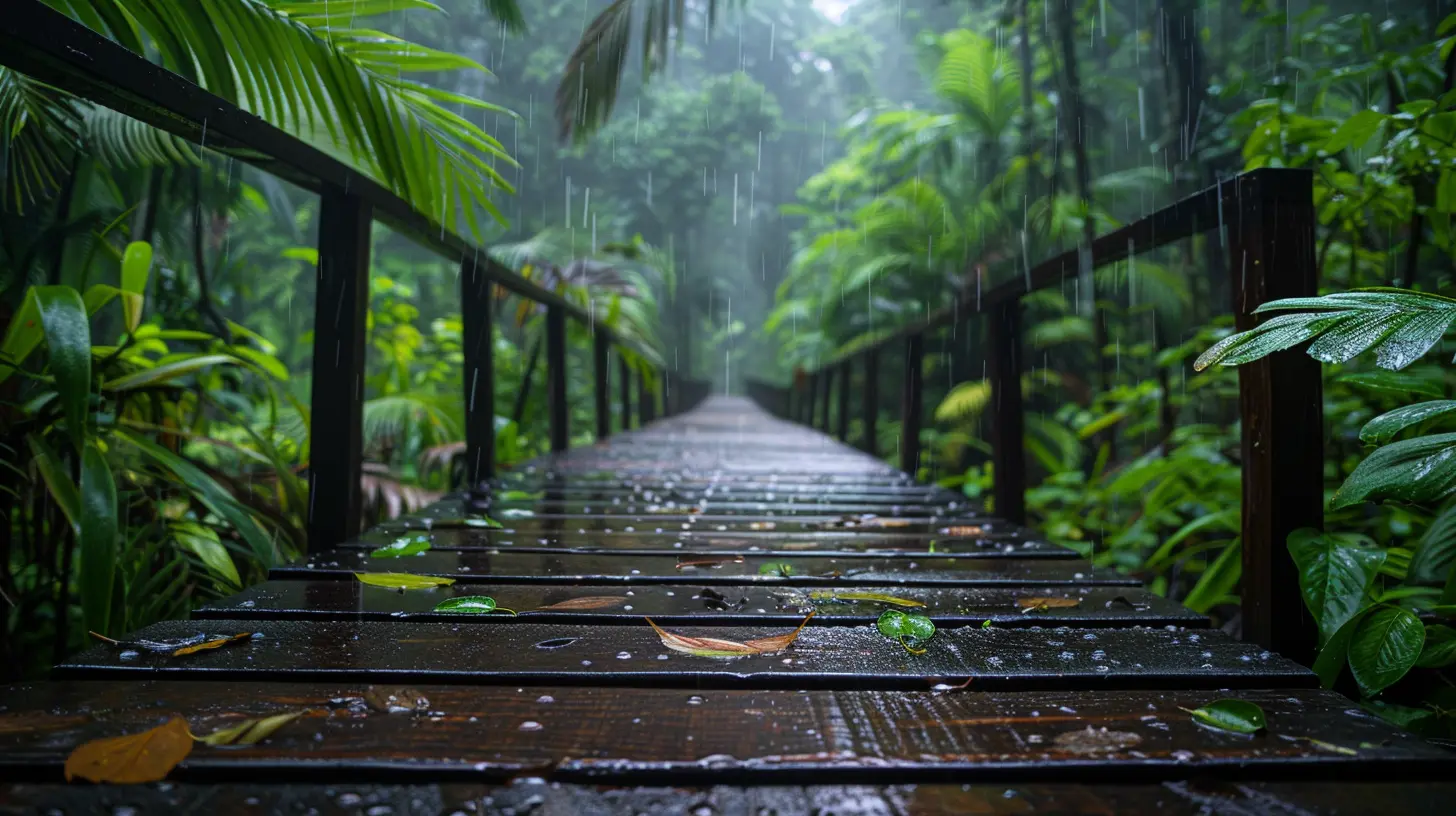
Ever wondered what it feels like to walk shoulder-to-shoulder with creatures that seem straight out of a fantasy novel? Picture this—you’re deep in a lush, misty rainforest. The air is thick with the earthy perfume of wet leaves, distant calls echo through the canopy, and the dense foliage parts just enough for a curious eye to peep through.
This isn’t just a hike—it’s an adventure into the wildest corners of nature where life thrives in every direction. Welcome to the rainforest, where you're not just sightseeing, you're walking with giants.
The Rainforest: Nature’s Living Cathedral
Step into a rainforest and you’ll feel it instantly—this place is alive. From the forest floor to the towering emergent trees, every layer is teeming with life. And we’re not just talking about frogs and butterflies (though they're pretty cool, too). We’re talking about jaguars, giant anteaters, powerful harpy eagles, and massive snakes like the anaconda.Rainforests cover only about 6% of Earth's surface, but they’re home to over 50% of the planet’s wildlife. That’s not a typo. Half the world’s animal species, packed into a few shady green pockets. Mind-blowing, right?
Why “Walking with Giants”?
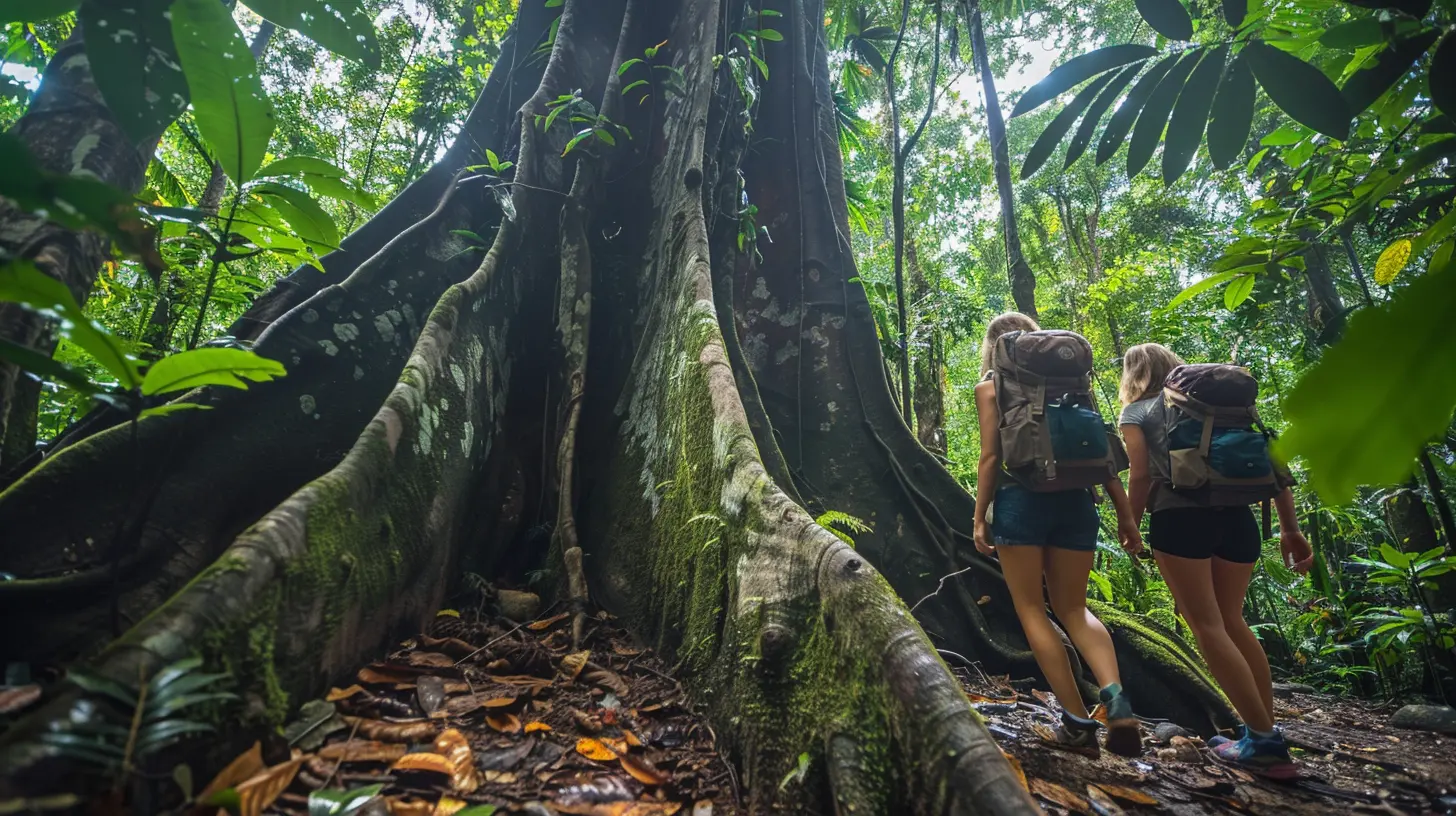
When we say "giants," we’re not only referring to size. Sure, there are literally gigantic species in the rainforest—think elephants in African rainforests or the enormous Amazon river otters. But "giants" also speaks to the role these animals play in their ecosystems. These creatures shape the rainforest around them. They’re the architects, the gardeners, the protectors. In their world, size is matched by significance.So, grab your virtual hiking boots. Let’s dive into the heart of the rainforest and meet some of these wild titans up close.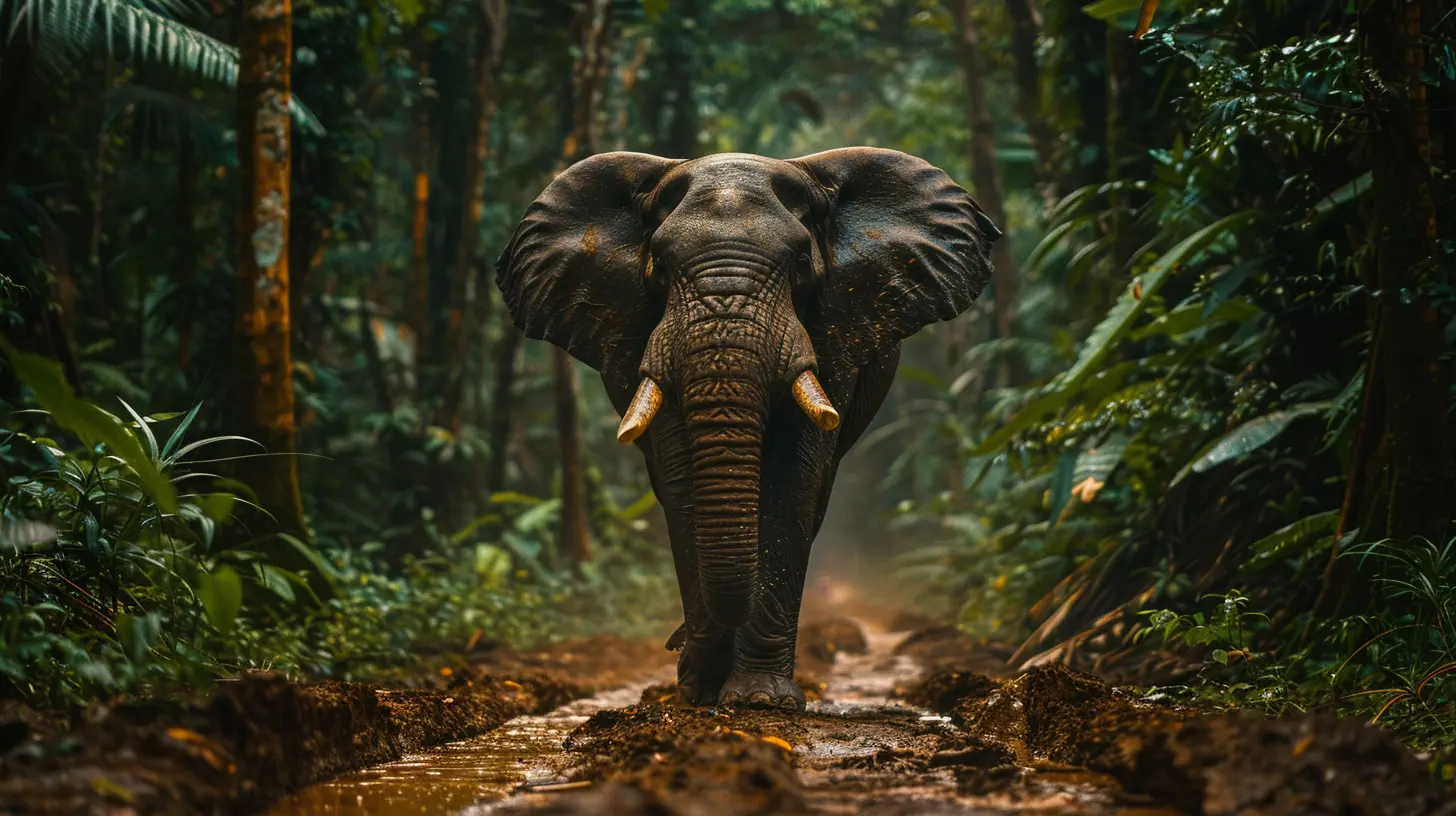
The Towering Tapestry: Layers of Life
Before we meet the giants, it helps to understand their home. Rainforests are built in layers, almost like a high-rise, and different creatures dominate different floors.1. Emergent Layer
This is the penthouse of the rainforest—100 to 200 feet high. Trees pierce the sky, and only the bravest creatures venture up here. Birds like the harpy eagle rule this realm.2. Canopy Layer
The busiest part of the rainforest. It's basically the highway where monkeys swing, birds dart through leaves, and insects zip by like little helicopters.3. Understory Layer
Dim and humid, this layer is often eerily quiet. Creatures here move with stealth—snakes, frogs, and leopards are part of this shady gang.4. Forest Floor
The basement level—dark, damp, and full of surprises. This is where the real heavyweights roam, like jaguars, tapirs, and the mighty anaconda.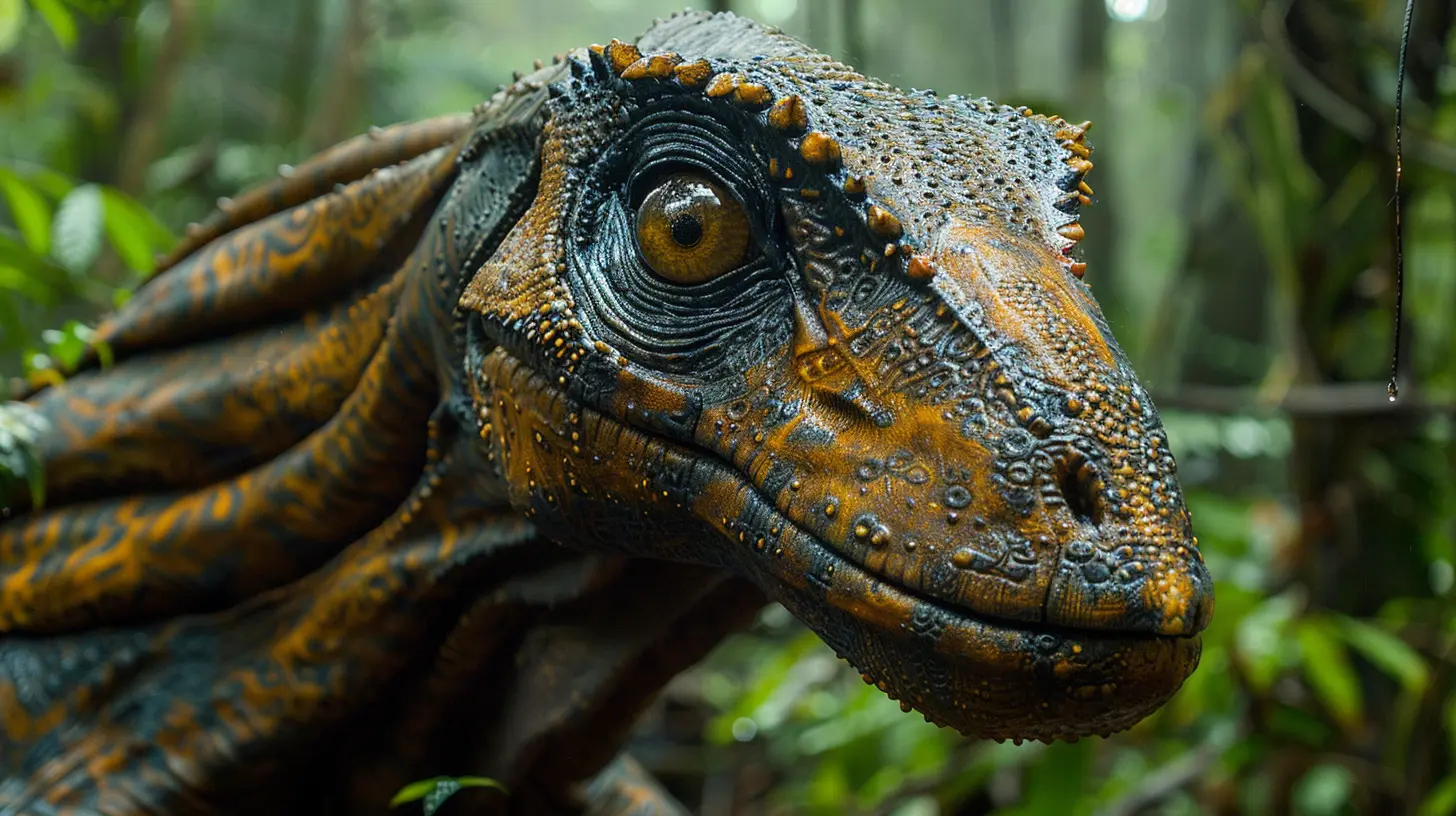
Meet the Giants: Nature’s Legends
Now comes the fun part—meeting the real stars of the rainforest. These are the giants that leave footprints on your heart.? Harpy Eagle: The Sky's Apex Predator
Have you ever seen a bird that looks like it flew straight out of a myth? The harpy eagle, with its serious expression and 6-foot wingspan, is a total showstopper. Native to Central and South America, this bird is all muscle and might.It hunts monkeys and sloths right out of trees, using talons as thick as a grizzly bear’s claws. If you’re lucky enough to spot one, you’ll see why it's often called the “queen of the rainforest.”
? Jaguar: Silent Stalker of the Shadows
No rainforest adventure is complete without the whispery possibility of a jaguar silently watching you from the dark. These elusive cats are stealthy, powerful, and capable of crushing turtle shells with their bite.Unlike most big cats, jaguars love water. You’ll often find them near rivers, swimming like overgrown housecats on a mission. They're ghosts in the underbrush—rare, regal, and deadly.
? Anaconda: The Water Boa of Dreams and Nightmares
Let’s talk about a true rainforest legend—the anaconda. These snakes can grow over 30 feet long and weigh up to 550 pounds! While they mostly chill in slow-moving rivers and swampy areas, you better believe they can strike when provoked.Anacondas are constrictors, meaning they squeeze their prey until the prey stops breathing. It’s a bit dramatic, but hey, nature’s gotta eat.
? Leafcutter Ants: Tiny Titans of Teamwork
Okay, so they’re not big in size, but they’re definite giants in spirit. You’ll see columns of leafcutter ants all over the forest floor, slicing up greenery like forest gardeners on fast-forward.They don’t eat leaves, though. They take them back to underground nests to grow fungus, which they do eat. Talk about farming before it was cool.
? Sloths: Champions of Chill
If there were a rainforest mascot for taking it easy, it would undoubtedly be the sloth. These slow-moving wonders spend most of their lives hanging upside down. Their speed—or lack thereof—is actually a survival strategy. Predators overlook them because they blend in with the trees so well.Plus, they host entire micro-ecosystems in their fur. That’s next-level multitasking.
? Howler Monkeys: Alarm Clocks of the Jungle
Ever been woken up by a howler monkey? You won't forget it. Their calls can travel over three miles through dense forest. These guys are the rainforest’s resident rockstars—incredibly loud and impossible to ignore.Spotting them is a challenge, though. They might alert you to their presence from the treetops, but good luck catching more than a glimpse through your binoculars.
Getting Up Close: Eco-Tourism Done Right
So, how do you go walking with these giants without turning their habitat into a circus? That’s where responsible eco-tourism steps in.Choose Ethical Tour Operators
Look for guides and companies that prioritize conservation, employ local experts, and follow strict wildlife viewing policies. If your tour guide chases a jaguar for a photo op, you’re in the wrong place.Respect the Rules of the Wild
No feeding the animals. No flash photography. No loud noises. Think of yourself as a visitor in someone else’s home, which, in this case, happens to be the most biodiverse place on Earth.Support Local Communities
Many indigenous tribes live in or near rainforests and have protected them for generations. When you buy local crafts, use local guides, or stay in community-run eco-lodges, your money helps keep these vital ecosystems intact.Why Protect the Giants?
Sure, seeing rainforest animals up close is unforgettable. But what happens when these giants disappear? The ecosystem shifts—sometimes mildly, sometimes catastrophically.Take jaguars. They help regulate prey populations. Without them, certain animals grow too numerous, which stresses plant life. It’s a domino effect.
Every creature, from the powerhouse harpy eagle to the humble ant, plays a role. Think of the rainforest like a giant symphony—each species is an instrument. Remove too many, and the music stops.
Packing Tips for Your Rainforest Walk
Thinking of taking the plunge? Here’s what to pack:- Light, breathable clothing (long sleeves and pants, trust me on this)
- Insect repellent (lots of it)
- Binoculars and a good camera
- A reusable water bottle
- A sense of awe
And leave room in your luggage for something else—memories. Because once you’ve locked eyes with a sloth or heard the distant call of a howler monkey, you’ll carry those moments forever.
Final Thoughts: The Giants Are Waiting
Walking with rainforest giants isn’t just about ticking animals off a list. It’s about experiencing a world that still operates by ancient rhythms, where balance and beauty reign.It’s a humbling reminder that we’re part of something much larger—and that with care, respect, and curiosity, we can walk beside the wild instead of trampling over it.
So the next time someone asks what you’re doing for vacation, just smile and say, “Oh, you know—walking with giants.
all images in this post were generated using AI tools
Category:
Rainforest ToursAuthor:

Claire Franklin