Where Adventure Meets Tradition: Morocco’s Caravan Routes in 2027
20 April 2026
Imagine a line drawn in the sand by a thousand footsteps, erased by the wind, only to be redrawn by a thousand more. That’s the legacy of Morocco’s caravan routes. For centuries, these weren’t just paths across the desert; they were the original superhighways of commerce, culture, and connection, pulsing with the lifeblood of empires. Silks, spices, salt, and gold moved to the rhythm of camel hooves, guided by the stars and an immense, hard-won knowledge of the land.
But here’s the thing: those routes never truly vanished. They just fell silent, waiting. And in 2027, they’re speaking again. This isn’t about dusty history books; it’s about feeling the sun-warmed leather of a saddle, smelling the distant promise of rain on dry earth, and hearing stories that seem to rise from the very stones. This is where your modern thirst for adventure shakes hands with ancient tradition. So, pack your sense of wonder (and maybe a good scarf). We’re heading into the heart of a living story.
The Whisper of the Sands: A Legacy Carried on the Wind
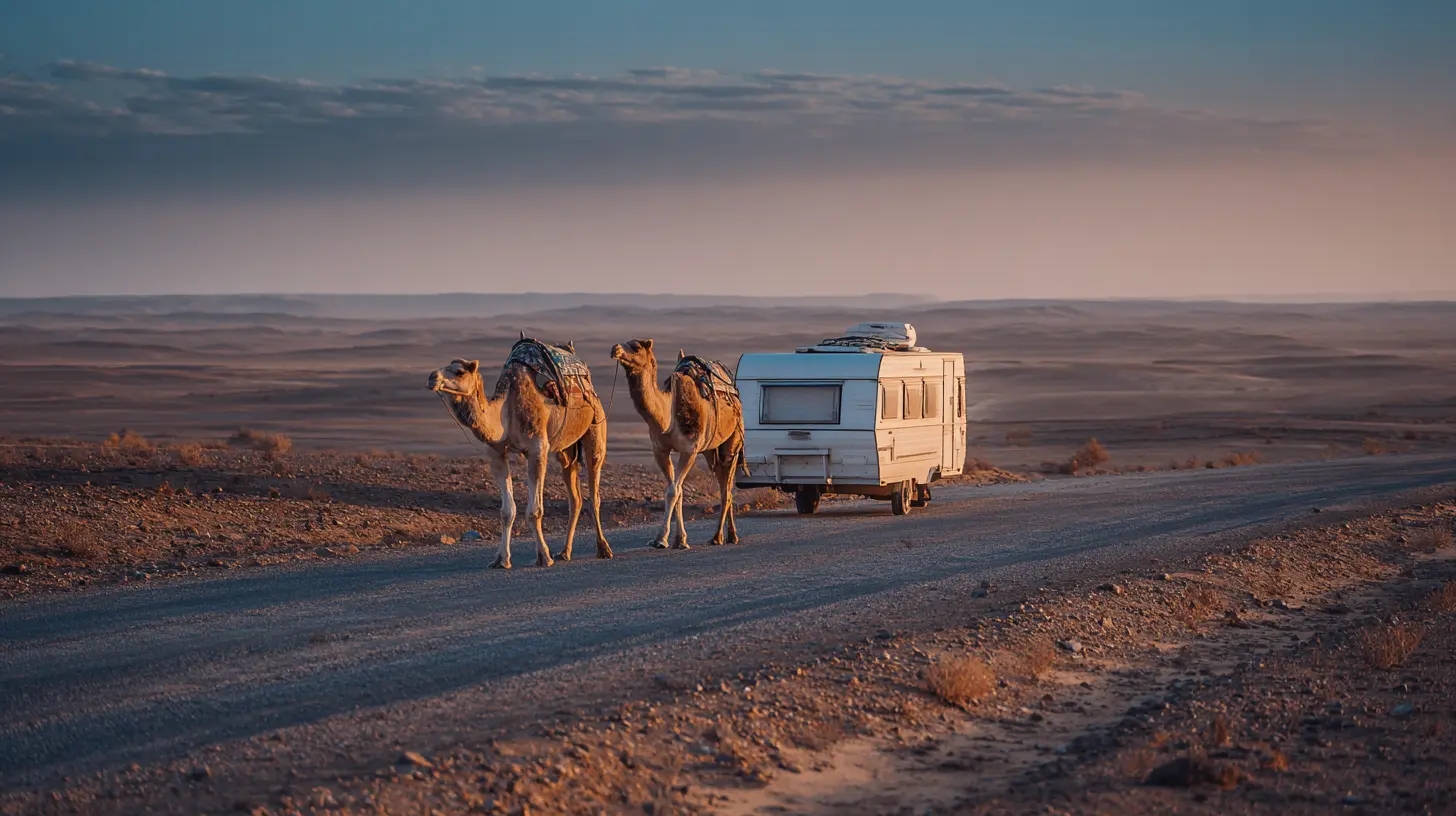
To walk a caravan route is to tread a timeline. You’re literally following in the footsteps of Berber traders, Saharan nomads, and medieval merchants who shaped the world we know. Think of it like this: if the Sahara was an ocean, these routes were its shipping lanes. The most famous of them all? The legendary Salt Road.Forget tarmac and traffic lights. This route was measured in oases and survival. It stretched from the mighty dunes of Merzouga, home to the otherworldly Erg Chebbi, north to the ancient city of Sijilmasa (a lost metropolis of gold trade) and beyond to the towering Atlas Mountains. What was the currency here? Not coins, but salt slabs – white gold mined from the heart of the desert at places like the still-active mines of Taoudenni. This precious mineral was traded ounce for ounce for gold from sub-Saharan Africa. Can you picture the caravans, sometimes a thousand camels strong, moving like a slow, deliberate river across a sea of sand? That’s the weight of history you’re connecting with.
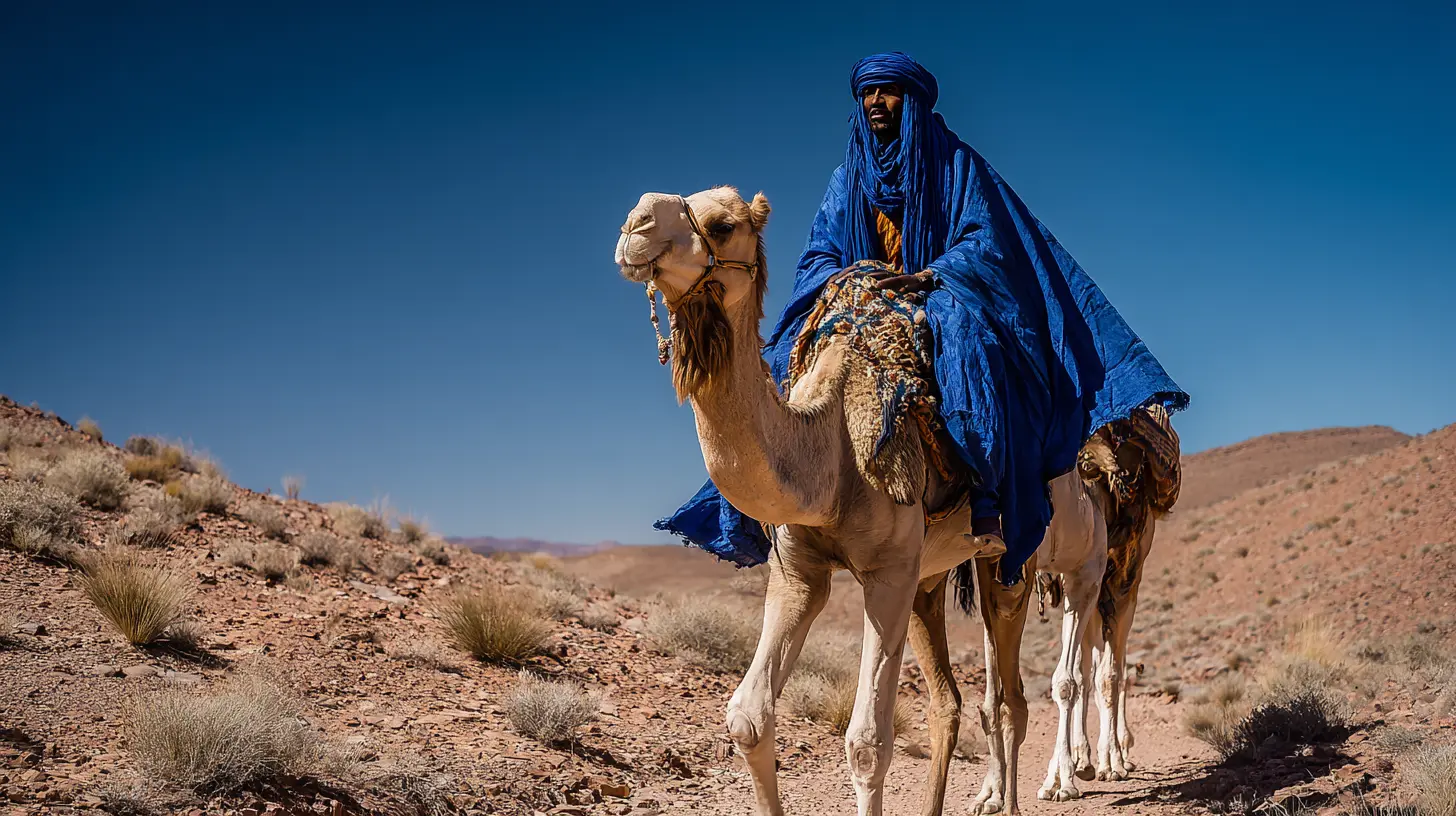
2027: The Caravan Reimagined (Your Adventure Awaits)
Fast forward to today. You won’t be trading salt for gold (unless you get really good at haggling in a souk!), but the essence of the journey—the challenge, the camaraderie, the profound connection to the landscape—is not only preserved but thoughtfully curated for the modern explorer. In 2027, experiencing these routes is a beautiful blend of raw adventure and respectful, comfortable immersion.Your Steed Awaits: The Modern Camel Trek
Gone are the days of purely grueling expeditions. Today, multi-day camel treks into the dunes of Erg Chebbi or the vast expanse of Erg Chigaga are orchestrated with a keen eye for both authenticity and well-being. Imagine riding as the late afternoon sun paints the dunes in impossible shades of orange and purple, finally arriving at a Berber desert camp. But this isn’t just a few tents. We’re talking comfortable bedding, delicious tagines cooked over open fires, and the stunning silence of a billion stars overhead. The adventure is real—the feeling of isolation, the scale of the desert—but you’ll share stories with fellow travelers over mint tea, not just huddle for survival.
The 4x4: Your Magic Carpet
For those who want to cover more ground or dive deeper into the route’s history, the 4x4 is your magic carpet. It allows you to trace the paths between oases, visit forgotten ksars (fortified villages) that cling to cliffsides like swallows’ nests, and reach remote trading posts. A knowledgeable local driver isn’t just a chauffeur; they’re a gateway. They’ll point out ancient petroglyphs, explain how to find water where you see none, and stop for tea with a nomadic family. It’s this combination—ancient path, modern vehicle, human connection—that defines the 2027 caravan experience.
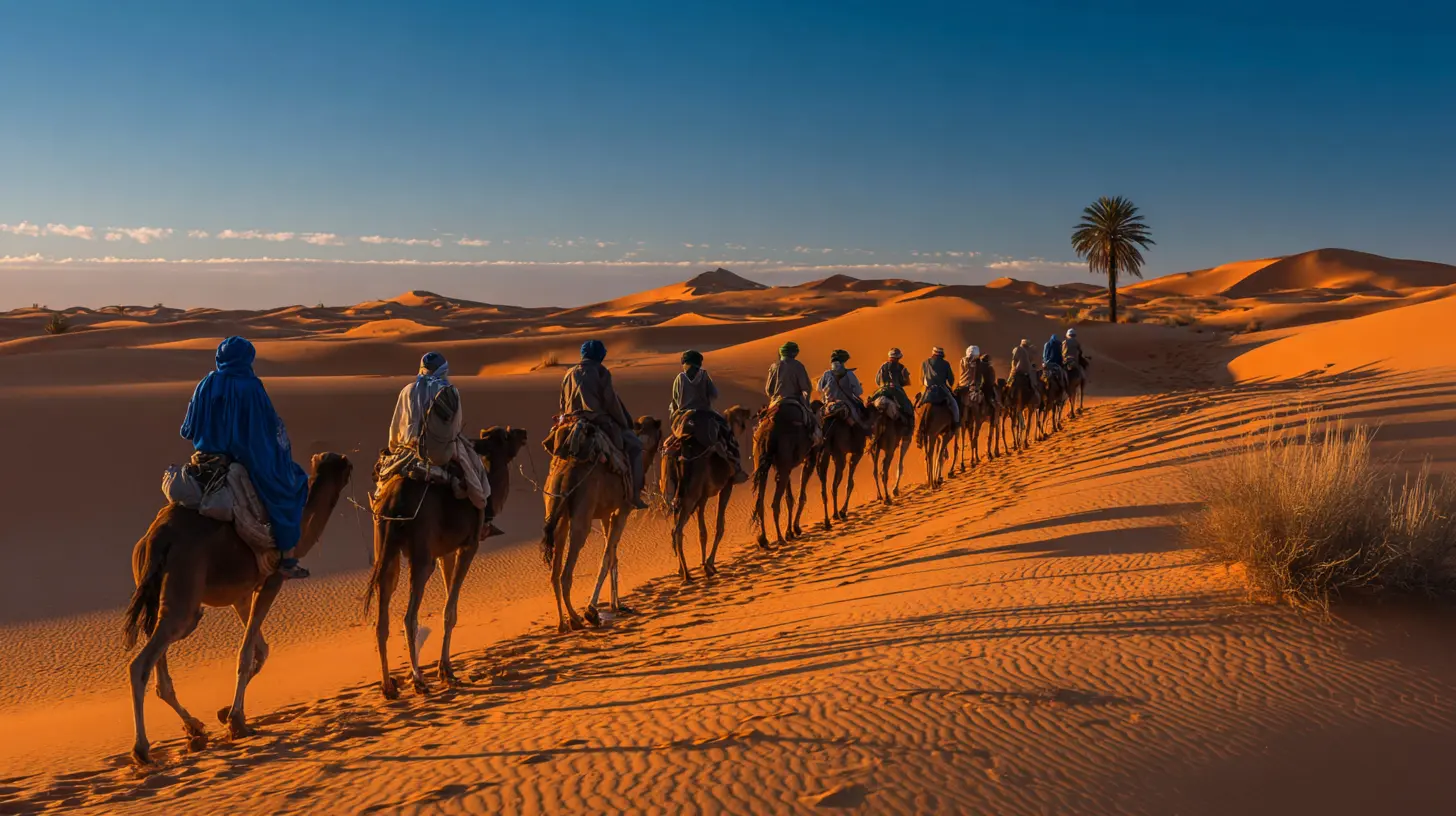
Beyond the Dunes: Oases, Mountains, and Living Culture
The caravan routes were never just about the desert. They were a lifeline connecting diverse worlds. Your journey in 2027 should reflect that beautiful diversity.The Oasis: Nature’s Miracle Theatre
An oasis isn’t just a few palm trees. It’s a symphony of green in a beige world, a staggering explosion of life. Places like the Todra Gorge or the Dades Valley—often called the "Route of a Thousand Kasbahs"—were crucial waypoints. Here, you can swap your camel for a walking stick and hike through palm groves, the air thick with the smell of damp earth and fruit. You’ll see centuries-old khettara irrigation systems, ancient engineering marvels that still channel water from mountains to fields. It’s a lesson in sustainability written in mud and stone.
The Atlas Mountains: The Roof of the Caravan World
The routes snaked over and through the High Atlas Mountains. Following them today means winding over the Tizi n’Tichka pass, one of the most dramatic drives on the planet. It means staying in a guesthouse in a Berber village, where hospitality is a sacred duty. You might share a meal with a family, learn a few words of Tamazight, and understand that the true wealth of these routes was always the people. The mountains aren’t a barrier; they’re the beating heart of the tradition.
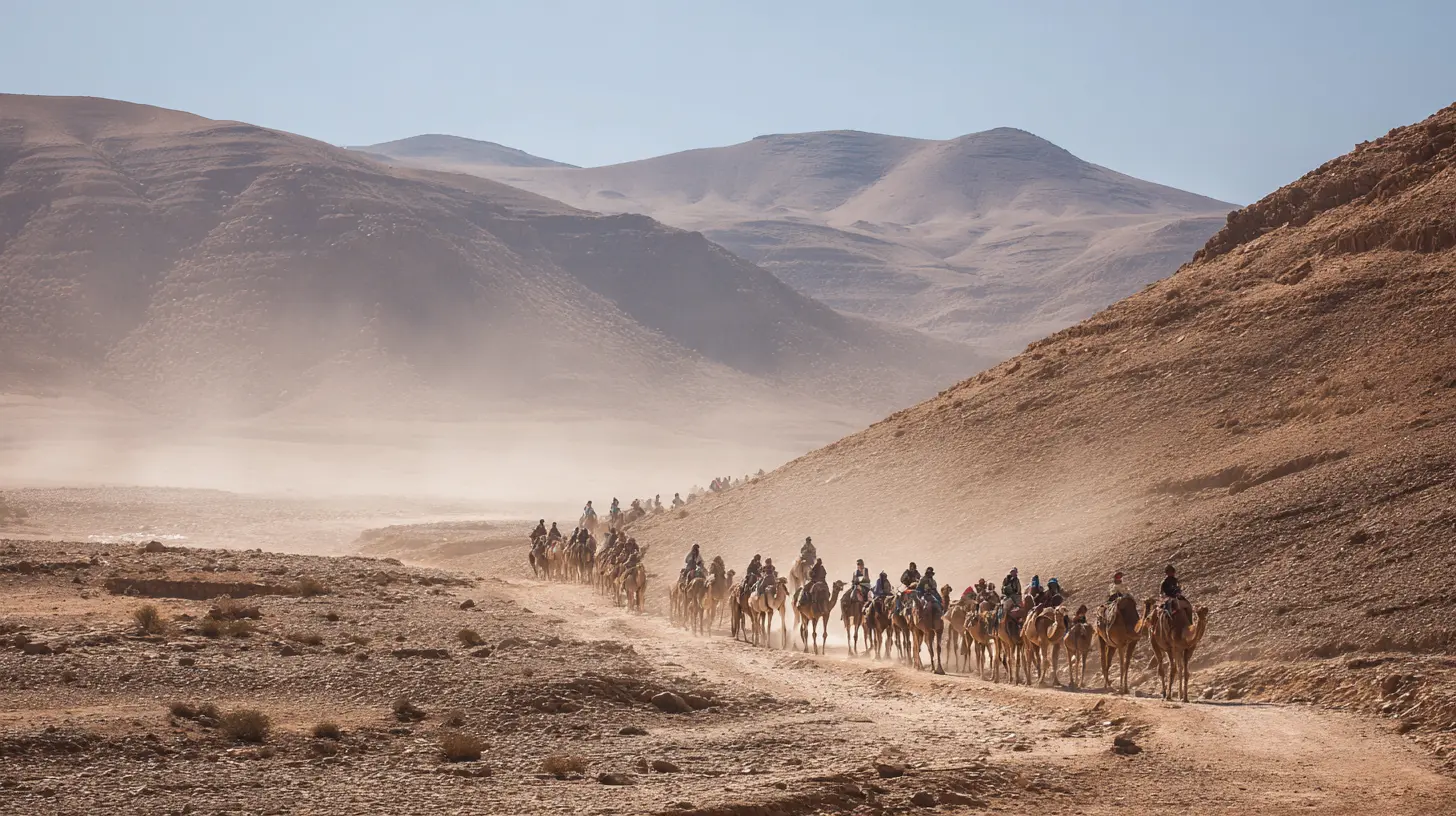
The Soul of the Journey: People, Crafts, and Stories
If the landscape is the stage, the people are the unforgettable performers. The caravan routes spread more than goods; they spread ideas, crafts, and art.Under a Starry Sky: The Ultimate Connection
There’s a moment on every desert night that defies description. The fire dies down, the tea is drunk, and the silence settles. Then, perhaps, your guide will begin to drum and sing. This isn’t a performance for tourists; it’s an inheritance. These are the same songs that paced the camels, that told stories of love and loss across the empty miles. Sitting there, under a canopy of stars so bright they feel close enough to touch, you’re not just learning about history—you’re feeling a thread of connection pull tight across centuries.
Crafts That Tell Tales
In the labyrinthine souks of Marrakech and Fes, you see the final flourish of the caravan’s purpose. The brilliant blues of cobalt pottery, the intricate geometries of zellige tilework, the soft glow of lantern light on leather—these aesthetics were influenced by the cross-pollination of these ancient highways. When you buy a carpet, you’re not just getting a souvenir; you’re getting a story woven in wool, its symbols speaking of tribal identity, protection, and nature, concepts traded as freely as spices along these very routes.
Planning Your 2027 Caravan Adventure
So, how do you step onto this path? Thoughtfully.* When to Go: The sweet spots are spring (March-May) and autumn (September-November). The desert is forgiving, the mountain passes are open, and the light is sublime.
* Who to Go With: Seek out local, reputable tour operators who employ Berber guides and have genuine ties to the communities you’ll visit. Your spend should help sustain the traditions you’ve come to witness.
* Pack Your Respect: Pack light, but pack your curiosity and respect. Learn a few greetings. Ask permission before taking photos of people. Dress modestly. You are a guest in a living culture, not just a spectator.
* The Route Less Traveled: While Merzouga is iconic, consider Erg Chigaga for a more remote feel, or focus on the oasis routes around Skoura and Tinghir. The spirit of the caravan is everywhere.
In 2027, Morocco’s caravan routes offer something rare: an adventure that fills your senses while also filling your mind. It’s a journey that asks you to slow down to the pace of a walking camel, to listen to stories carried on the wind, and to understand that the greatest destinations aren’t just places on a map, but echoes in time. You’ll come for the adventure, but you’ll leave with a piece of the tradition forever woven into your own story. The sands are shifting, the call is clear. Will you answer it?
all images in this post were generated using AI tools
Category:
Iconic RoutesAuthor:

Claire Franklin
Discussion
rate this article
2 comments
Roman Lambert
What a fantastic exploration of Morocco's caravan routes! Your insights beautifully capture the blend of adventure and rich tradition. I can't wait to experience this captivating journey in 2027!
April 25, 2026 at 5:04 PM
Maura Barker
Morocco's caravan routes seamlessly blend adventure and tradition, offering travelers an unparalleled experience. In 2027, immerse yourself in rich culture and breathtaking landscapes—it's a journey you won't want to miss!
April 20, 2026 at 3:25 AM
Claire Franklin
Absolutely! Morocco's caravan routes truly capture the essence of adventure and tradition. Can't wait for 2027!