Winter Sports and Wildlife: How to Respect Nature While on the Slopes
21 August 2026
Winter is a magical time of year. Snow-covered peaks, crisp mountain air, and that exhilarating rush as you carve down the slopes—it's an absolute dream for anyone who loves winter sports. But while we're out there shredding, skiing, or snowshoeing our way through the mountains, we're not alone.
The great outdoors is home to countless wild creatures who are just trying to get through the season, and let's be real—they don’t exactly have ski passes or heated lodges to escape to. So, how do we enjoy the thrill of winter sports while respecting the delicate balance of nature? Well, grab your hot cocoa, strap in, and let’s talk about it! 
The Mountains: Our Playground and Their Home
When you’re out in the wilderness, it’s easy to forget that you’re actually smack dab in the middle of someone else’s living room. The forests, valleys, and snowy peaks are home to everything from tiny snowshoe hares to majestic elk—and let’s not forget the elusive lynx or the occasional bear napping through the season.Imagine if someone came barreling through your living room, leaving tracks everywhere and making all sorts of noise. You wouldn’t love it, right? Well, neither do the animals. So, the key is to enjoy nature in a way that doesn’t turn their home upside down. 
Treading Lightly: Respecting Wildlife While on the Slopes
1. Stick to Designated Trails
We get it—the untouched powder beyond the marked paths is tempting. But wandering off-trail can disturb fragile ecosystems and put you at risk of crossing into some poor animal’s winter refuge. Ski resorts and trail organizers set routes for a reason—to keep both you and wildlife safe.Plus, if you venture into restricted areas, you could unknowingly disrupt animals during a time when they need to conserve energy. Winter is all about survival for them, so let’s not make it harder than it already is.
2. Keep the Noise Down
Sure, that epic powder run deserves a celebratory shout, but excessive noise can stress animals out. Unlike us, they can’t just pop in some noise-canceling headphones and ignore the ruckus. Loud noises can cause unnecessary panic, forcing animals to use up their precious energy reserves.So, how about we keep our victory cries to a minimum? Your GoPro footage will still capture your sick moves—no need to scare every creature within a mile radius.
3. Don’t Leave Snacks Behind (Even if it’s “Just a Crumb”)
That granola bar you’re munching on might seem harmless, but leaving food scraps behind can mess up the local wildlife’s natural diet. Animals that become accustomed to human food may lose their ability to forage properly, which can be dangerous in the long run.Also, let’s be honest: an apple core or an energy bar wrapper isn’t exactly a gourmet mountain feast. So, let’s leave nature as we found it—crumb-free. 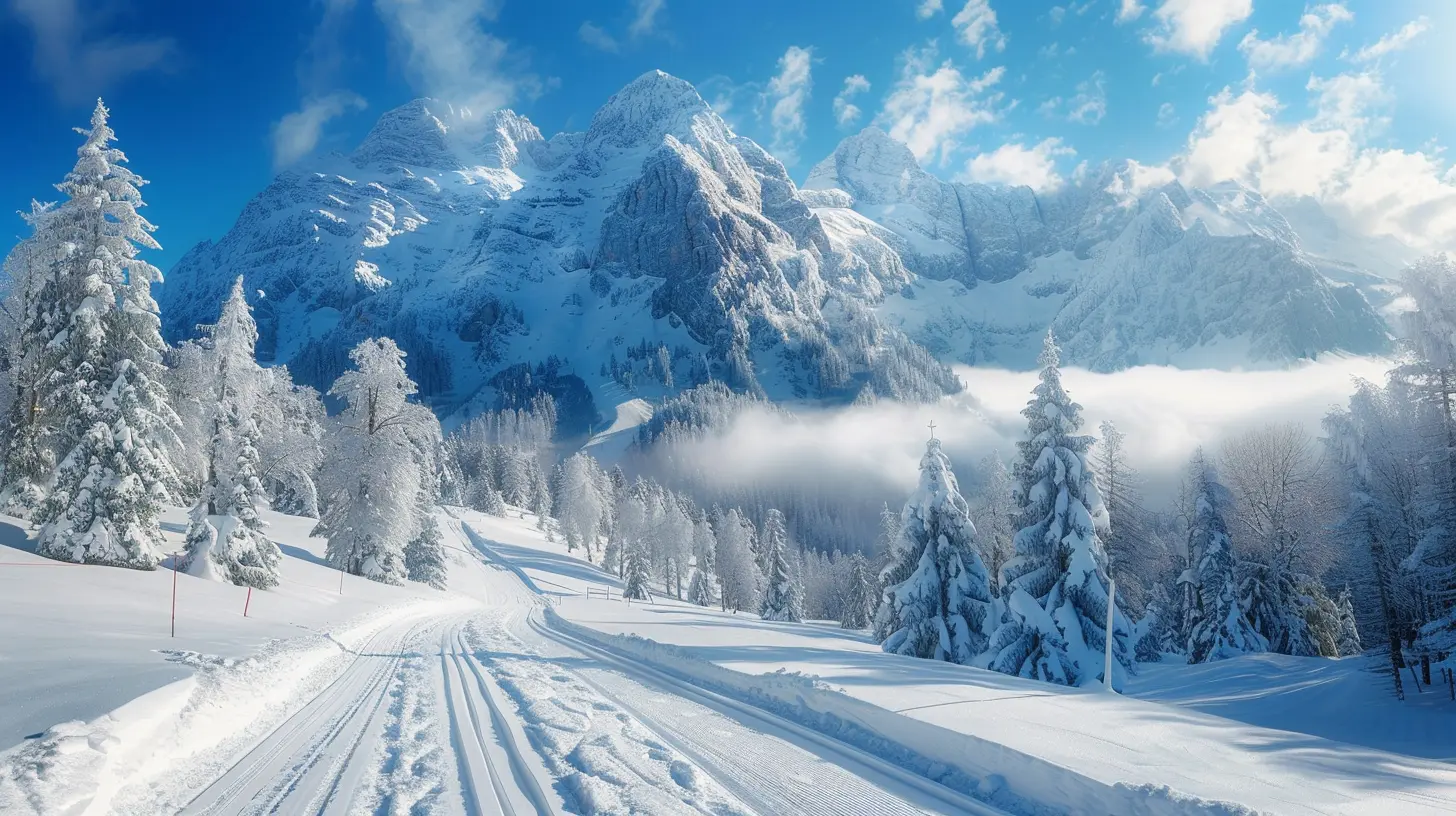
Snowmobiles and Wildlife: A Delicate Balance
If skiing and snowboarding are the quiet introverts of winter sports, snowmobiling is the thrill-seeking extrovert. It’s fast, fun, and packed with adrenaline. But with great horsepower comes great responsibility.1. Respect Noise Restrictions
Snowmobiles can be loud—really loud. Many areas have specific noise regulations to protect wildlife, so check before revving that engine. Sticking to designated snowmobile trails ensures you’re not disturbing animals that are hunkering down to survive the cold.2. Slow Down in Sensitive Areas
Some zones are critical wildlife habitats, and speeding through can cause unnecessary stress to animals. If an area is marked slow-speed or restricted, take it seriously. You’ll still get your adrenaline rush—just in a more responsible way.3. Avoid Chasing or Approaching Wildlife
If an animal crosses your path, consider it a rare and lucky sighting—not an opportunity to get up close and personal. Chasing or disturbing wildlife can cause severe stress and even injury. Remember, these creatures are wild, and their well-being comes first.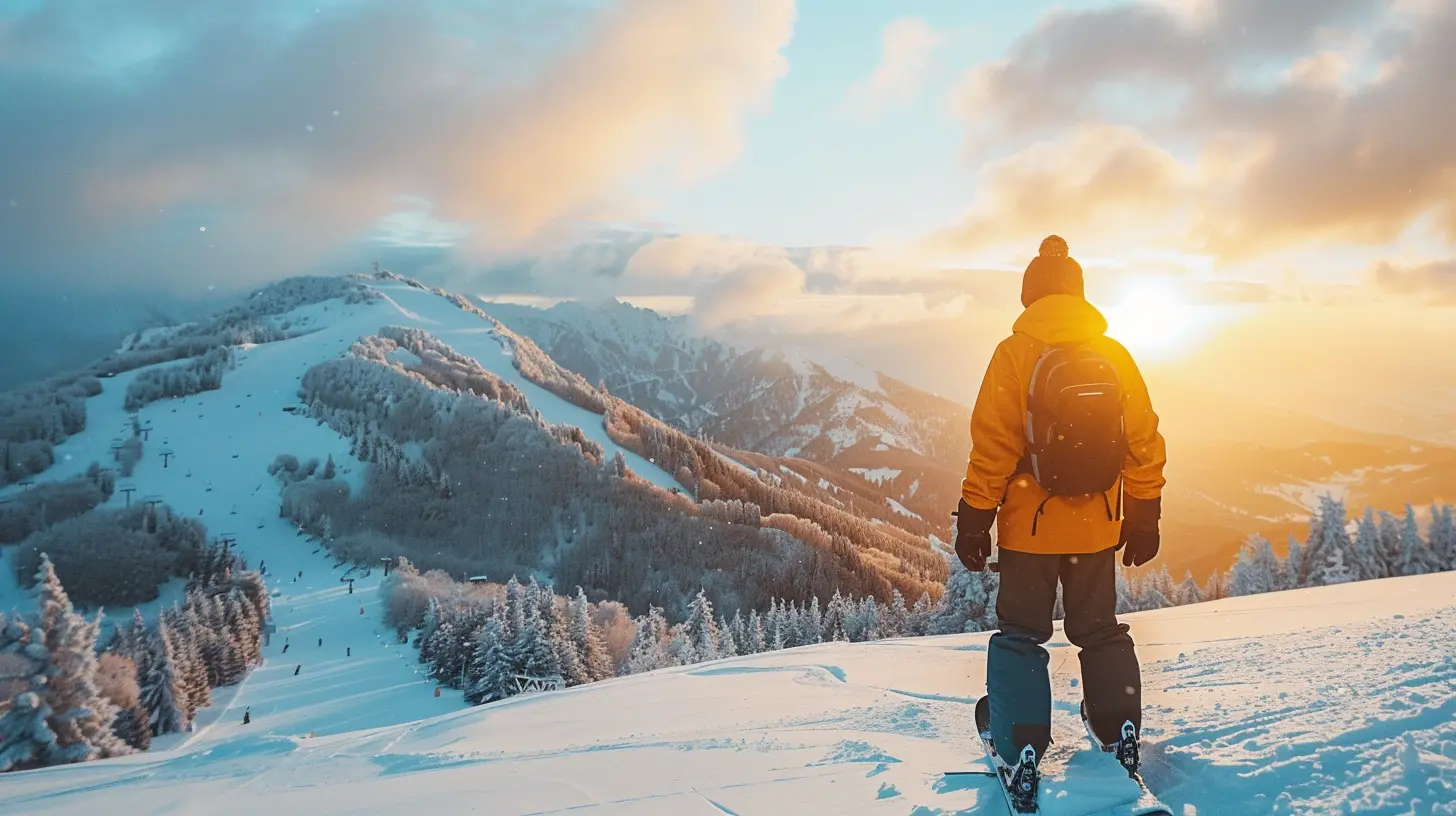
Understanding the Winter Wildlife Struggle
Winter is not a season of abundance for wildlife. Unlike humans, who gear up with insulated jackets and heated boots, animals tough it out with what nature gave them. They rely on stored food, fur insulation, and strategic energy conservation.When humans disrupt their environment—whether by scaring them into fleeing or blocking off their usual paths—it forces them to expend precious energy. That one extra sprint to escape a noisy skier could mean the difference between making it through winter or not.
So next time you see an animal while on the slopes, think of it as a reminder to respect their space. They’re not just there for your Instagram story.
Eco-Friendly Gear: Because Nature Deserves Some Love Too
Being a responsible winter sports enthusiast isn’t just about how you act on the slopes—it’s also about what you bring with you. Luckily, sustainable gear options are more available than ever.1. Opt for Eco-Friendly Clothing
Brands like Patagonia, The North Face, and Picture Organic Clothing focus on sustainable materials and ethical sourcing. Choosing gear made from recycled materials reduces your environmental footprint.2. Biodegradable Waxes Are a Thing (And You Should Use Them)
Traditional ski and snowboard waxes often contain chemicals that can leach into the snow and eventually enter local water systems. Biodegradable waxes are a great alternative that give you the same smooth glide without harming the environment.3. Support Green Initiatives
Many ski resorts are incorporating eco-friendly initiatives—from renewable energy-powered lifts to wildlife conservation projects. Supporting these efforts by choosing environmentally-conscious resorts helps make winter sports more sustainable.Leave No Trace: The Golden Rule of Outdoor Adventures
At the end of the day, it all comes down to one simple philosophy: leave no trace. This means:✅ Taking your trash with you
✅ Respecting wildlife and their habitats
✅ Staying on designated trails
✅ Being mindful of noise levels
✅ Using eco-friendly gear
By following these simple principles, you ensure that the mountains remain a winter wonderland for both wildlife and future generations of skiers, snowboarders, and adventurers.
Final Thoughts
Winter sports and wildlife can coexist—it just takes a little consideration. The beauty of the great outdoors is that it belongs to all of us, humans and animals alike. By being responsible adventurers, we get to enjoy the slopes without causing unnecessary harm to the creatures who call these wintry landscapes home.So, go ahead, have your fun—shred those trails, conquer those slopes, and make unforgettable memories. Just make sure that when you leave, the only thing you’ve left behind are ski tracks and good vibes.
all images in this post were generated using AI tools
Category:
Skiing And SnowboardingAuthor:

Claire Franklin