Backpacking the Appalachian Trail: What You Need for the Long Haul
5 December 2025
So, you've been bitten by the wild bug, huh? The call of the mountains—whispers of wind through the trees, the crunch of boots on dirt, and the promise of a 2,190+ mile journey that could change your life forever. Welcome to the Appalachian Trail (AT), where hearts are tested, friendships forged, and the soul gets a good ol’ detox from modern madness.
But before you hitch up your pack and vanish into the green tunnel, we need to talk. Because let’s be real—backpacking the Appalachian Trail isn’t a casual stroll through the woods. It's the real deal: a physical, emotional, and mental rollercoaster with sweat, blisters, breathtaking views, and possibly a raccoon or two trying to steal your snacks.
Ready to dive deep into what it truly takes to make it from Georgia to Maine (or vice versa)? Here's what you REALLY need for the long haul.
The Appalachian Trail: More Than Just a Hike
Let’s kick things off with a little reality check. The AT isn't just a hike—it’s an epic saga, stretched over 14 states, climbing the equivalent of Mt. Everest 16 times (yep, you read that right). Weather shifts like a moody teenager. Your feet might stage a rebellion. And solitude? It's as beautiful as it is intense.But for thousands of thru-hikers each year, it’s 100% worth it.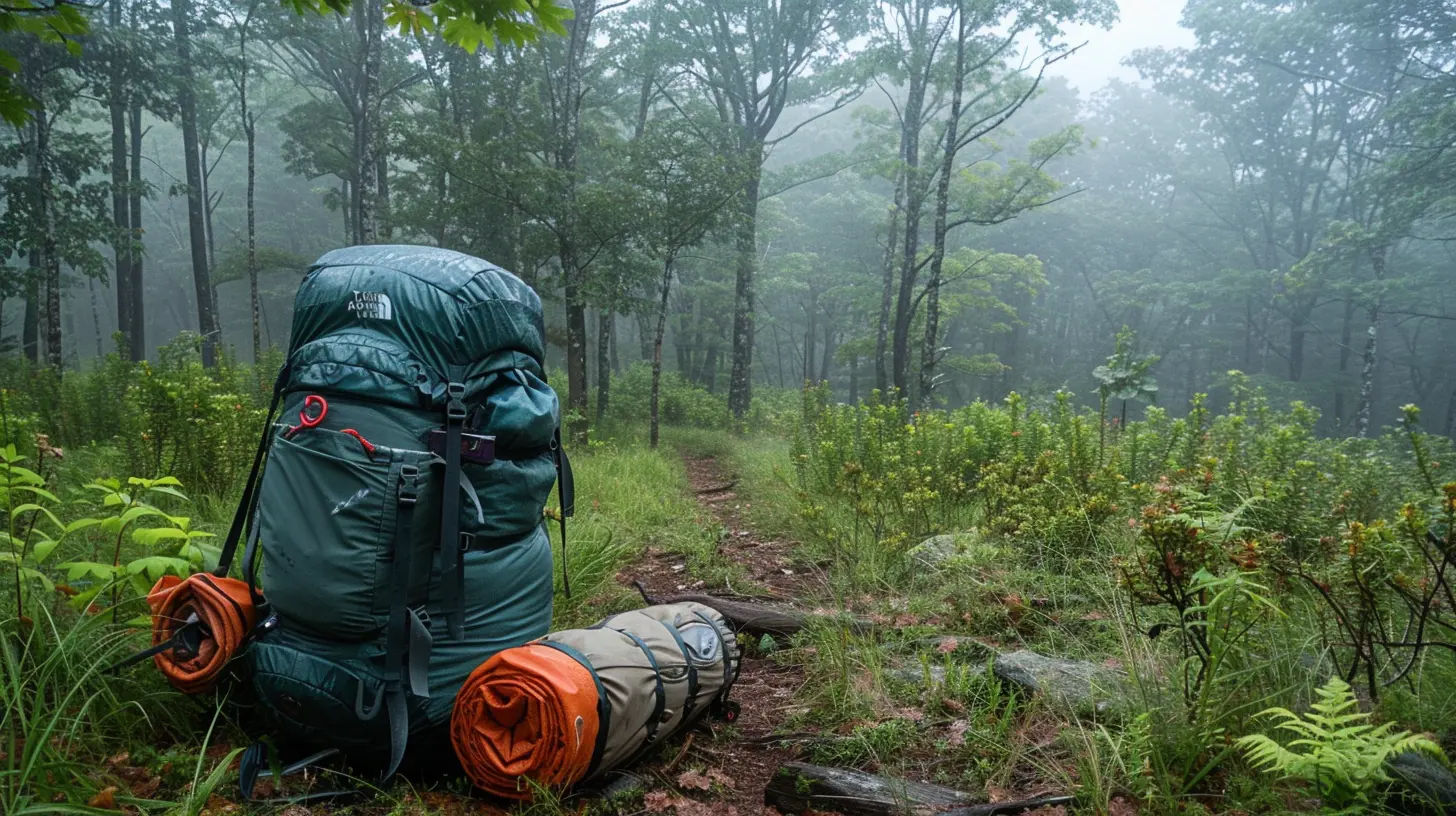
Planning: The Mental Game Before the Physical Grind
Before you even lace up your boots, you've got to wrap your head around what you're getting into. The trail demands mental toughness as much as it does physical readiness.Visualize the Journey
Can you really imagine hiking day after day for five to seven months straight? It’s not just about endurance—it’s about purpose. Ask yourself:- Why am I doing this?
- What will keep me going when it's cold, wet, and miserable?
- Am I ready to be uncomfortable... a lot?
Understanding your 'why' will carry you farther than any fancy gear ever could.
Budget Basics
Thru-hiking ain’t free (sorry!). Budget around $1,000 per month. That’s food, resupply stops, gear replacements, and unexpected town stays. Scraping by is possible, but having a cushion saves your sanity when things go sideways.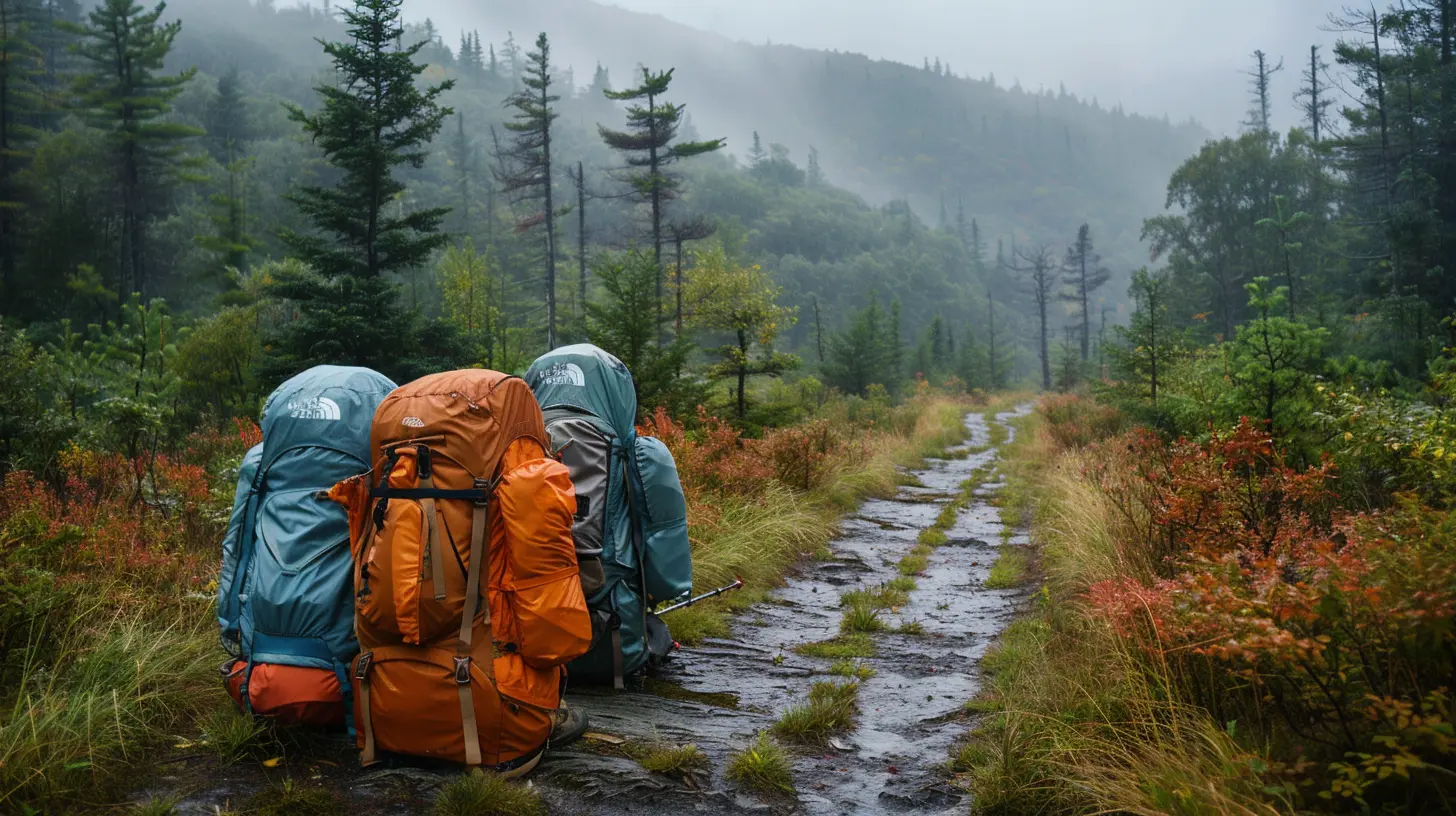
Gear Up: Your Trail Family (That Doesn’t Talk Back)
Your gear is more than “stuff”—it becomes an extension of you. Every ounce counts, and trust me, misery loves heavy backpacks. Let’s break down the must-haves for the long haul.1. The Big Three
These are your holy trinity: backpack, shelter, and sleeping system. Get these right, and you're halfway to happy.Backpack
Stick to 40-65 liters. Ultralight is sexy these days, but remember: comfort over bragging rights. Try before you buy, and make sure it hugs your hips and not just your shoulders.Tent, Hammock, or Tarp?
Most go with a lightweight, freestanding tent. But hammocks are dreamy in the southern stretches (as long as you have trees). Tarps? Minimalist, but not for the faint of heart.Sleep System
Sleeping bag or quilt? Down or synthetic? So many questions! Answer depends on your cold tolerance. Down is lighter and packs smaller, but not great when wet. Pair it with a sleeping pad that's warm and comfy—or end up spooning rocks.2. Clothing: Less Is Way, Way More
Forget the fashion show. Think layers, not quantity.- Base Layer: Merino wool is the GOAT—no stink, quick-drying.
- Mid Layer: A fleece or puffy jacket for warmth.
- Rain Gear: Always pack it. The AT loves a surprise storm.
- Footwear: Trail runners outweigh boots in popularity. Lighter, comfier, and your feet will thank you.
Remember, you’re going to stink. Embrace it. You’re not out there to impress anyone (except maybe that one hiker you keep running into...).
3. Cooking & Food
You’ll burn 4,000+ calories per day. Eat like it’s a sport.Stove System
Most hikers go with a canister stove like the Jetboil or MSR PocketRocket. Some go stoveless—cold soaking ramen in a peanut butter jar. Bold move, my friend.Food Game Plan
You can resupply every 3–7 days. Think:- Ramen noodles
- Instant potatoes
- Tuna packets
- Trail mix
- Energy bars
- Nut butters
Pro tip: Don’t plan every resupply ahead of time. Towns along the trail are surprisingly hiker-savvy.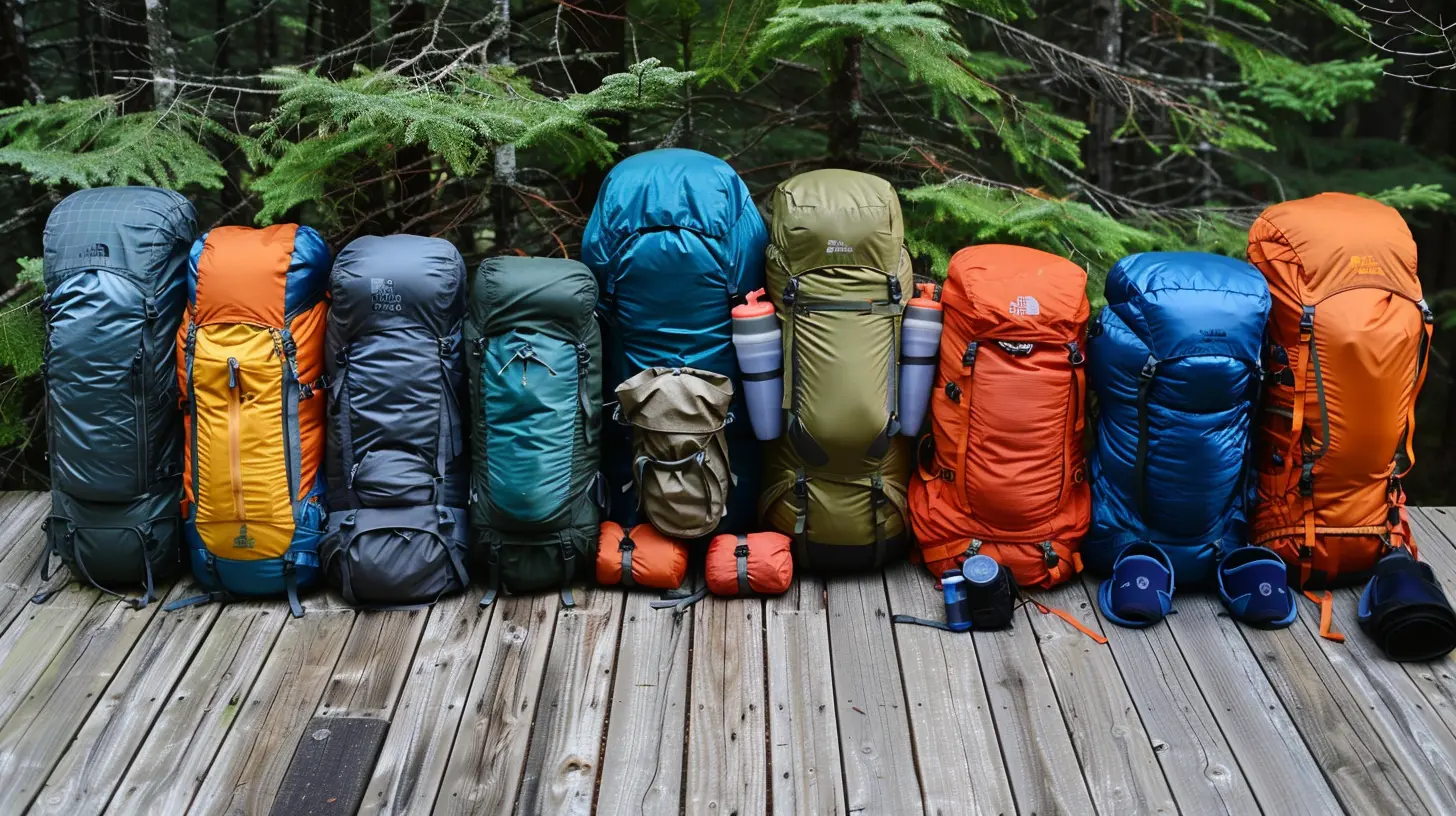
Navigation & Tech: Stay Found, Stay Sane
Gone are the days of paper maps (mostly). Welcome to the magic of GPS apps.GutHook (Now FarOut)
This is the hiker’s bible. Offline maps, landmarks, water sources, and shelter info—plus crowd-sourced trail updates.Battery Life
Bring a reliable portable charger (10,000-20,000 mAh). Solar? Meh—can be spotty. And don’t forget your charging cords.Health & Hygiene: Keep It Clean(ish)
Let’s talk about the glamorous side of thru-hiking: hygiene. Spoiler alert—there isn’t much.Foot Care Is Life
Blisters are the devil. Prevent with:- Proper-fitting shoes
- Toe socks (Injinji!)
- Daily foot checks
- Airing them out at lunch
Bathroom Basics
You’ll learn the art of digging a cat hole. Always carry TP, a trowel, and hand sanitizer. Ladies, a pee rag (look it up) can be a game-changer.First Aid Kit
Keep it light, but pack smart:- Band-Aids
- Leukotape
- Ibuprofen
- Antibiotic ointment
- Tweezers
- Water purification tabs/drops (as backup)
The Emotional Rollercoaster: Be Ready for the Suck
There will be days you hate the trail. Rain for a week straight. Mosquitoes. Sore knees. Homesickness. You’ll ask, “Why the heck am I doing this?!”And then—bam!
A sunrise over McAfee Knob. A stranger’s act of trail magic. New friends singing around a fire. These moments? They patch up your soul.
The Trail Community
Other hikers become your trail family. They cheer you on. They cry with you. They share Snickers bars when your food bag’s empty.This human connection? It’s what makes the trail magical.
Weather – Mother Nature’s Mood Swings
The AT throws everything at you:- Spring: Cold mornings, melting snow in higher elevations.
- Summer: Heat, humidity, and thunderstorms. Oh, and ticks.
- Fall: Crisp air, changing leaves, and—yes—frosty nights.
Layer smart. Stay dry when you can. And always check the forecast before heading out of town.
Safety Tips That Could Save Your Life
Let’s get serious for a sec. The trail is mostly safe, but common sense is key.Wildlife
- Bears: Black bears are shy but curious. Hang your food (PCT method) or use a bear canister.- Snakes: Give them space. They don’t want trouble either.
- Ticks: Wear permethrin-treated clothing. Do daily checks. Lyme disease is no joke.
Storms
Avoid ridgelines in lightning storms. When in doubt, descend.Solo Hiking
Totally doable! Let someone know your general plan. Carry an emergency beacon or GPS if you’re nervous.Leave No Trace: The Golden Rule
This is non-negotiable. The AT is sacred ground. Respect it.- Pack out all trash (yes, even TP).
- Camp only at designated spots.
- Don’t feed the animals.
- Stay on the trail.
Leave it better than you found it.
The Final Word: More Than Just a Physical Feat
Backpacking the Appalachian Trail changes you. It strips away the noise. It humbles you. It teaches patience, grit, and gratitude.You'll walk into the woods thinking you’re escaping the world. But somewhere between Springer and Katahdin, you'll realize...you’re actually walking straight into yourself.
So, pack your bag. Trust your feet. And let the trail lead you somewhere unexpected.
Every step tells a story. What’s yours gonna be?
all images in this post were generated using AI tools
Category:
BackpackingAuthor:

Claire Franklin
Discussion
rate this article
2 comments
Zephira Wright
What a fantastic guide! Your insights into backpacking essentials for the Appalachian Trail are invaluable for both newcomers and seasoned hikers. Thank you for sharing your knowledge and passion for the trail!
January 20, 2026 at 3:34 PM
Claire Franklin
Thank you so much for your kind words! I'm glad you found the guide helpful for all hikers. Happy trails!
Quillan Benton
Great article! For anyone tackling the Appalachian Trail, remember to pack lightweight gear and prioritize comfort. A good pair of hiking boots and a reliable map can make all the difference. Happy trails and safe adventures to all backpackers!
December 6, 2025 at 4:17 AM
Claire Franklin
Thank you for the thoughtful tips! Lightweight gear and comfort are indeed crucial for a successful hike. Happy trails!