The Best Time to Visit Tropical Rainforests
1 February 2026
Tropical rainforests — the green, breathing jungles teeming with life, mystery, and adventure. They’re like nature’s own amusement park, only the rides are waterfalls, swinging monkeys, and the occasional thunderstorm. But let’s be real, not all months are made equal when it comes to visiting these lush paradises. So, when should you pack your bags, lace up your hiking boots, and head into the jungle? Let's dive into everything you need to know about the best time to visit tropical rainforests.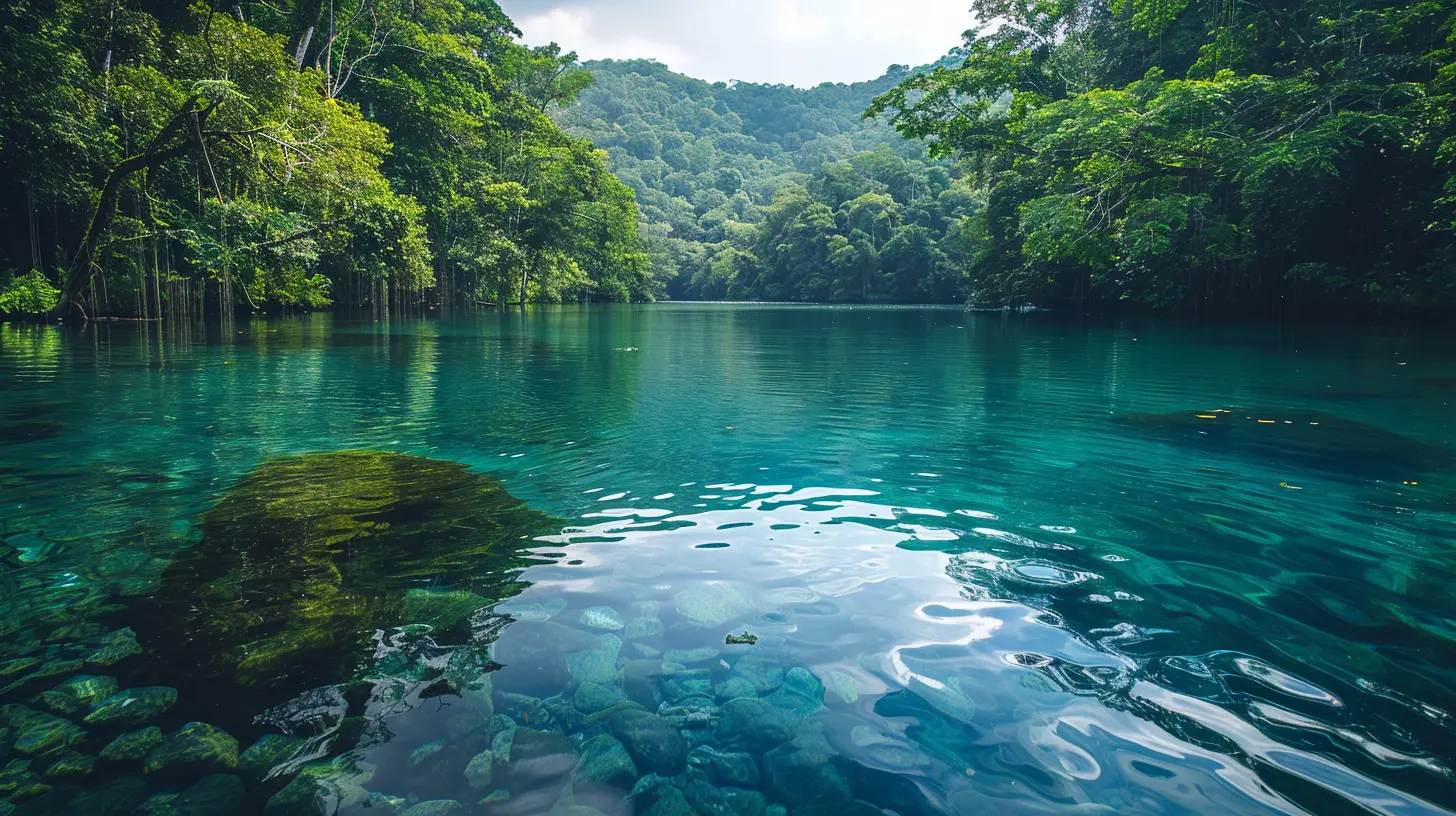
Why Timing Matters in the Rainforest
Picture this: you’re in the middle of a rainforest, camera in hand, ready to snap a photo of a rare toucan perched on a tree branch. Suddenly, the skies open up and what was a gentle sprinkle turns into a full-blown downpour. Within minutes, the trail becomes a muddy slip-n-slide. Timing, my friend, is everything — especially in rainforests where the weather can go from sunny to soggy in the blink of an eye.Rainforests don't just get rain — they basically invented it. So knowing when to go can make or break your entire trip. Pick the right season, and it’s all blissfully cool mornings, epic wildlife spotting, and scenic hikes. Pick the wrong one, and you might end up staring at sheets of rain from your lodge porch.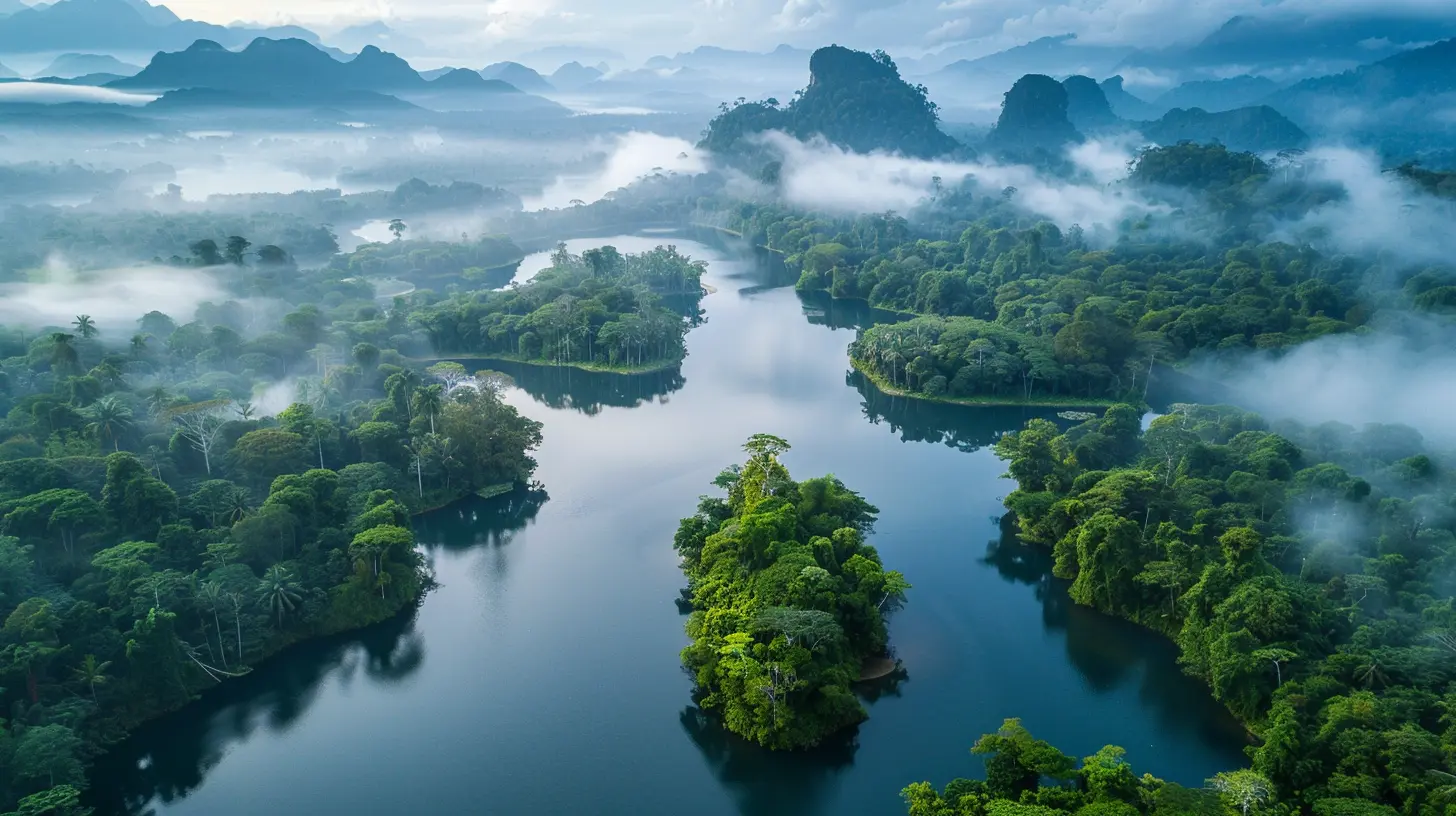
Understanding Tropical Rainforest Climates
Before booking a flight, it helps to understand how tropical rainforests work, climate-wise.- Location: Most tropical rainforests are located near the equator — think Amazon Basin, Central Africa, Southeast Asia, and northern Australia.
- Temperature: Year-round, these places stay pretty steady between 75°F to 85°F (24°C to 29°C).
- Rainfall: Expect over 80 inches (2,000 mm) of rain annually, sometimes even double that!
But here’s the real kicker: Most rainforests have two main seasons.
1. The Wet Season
This is the rainforest’s dramatic phase. It can last from a few months to half the year, depending on where you're going. Expect heavy, consistent rainfall and higher humidity. While the forest looks absolutely magical during this time — think emerald green everything — it’s not the most tourist-friendly season.2. The Dry (or Less Wet) Season
This is your golden window. It’s not entirely dry (this is a rainforest), but the rain is lighter, less frequent, and usually comes in short bursts. Humidity drops slightly, trails become more accessible, and wildlife is easier to spot.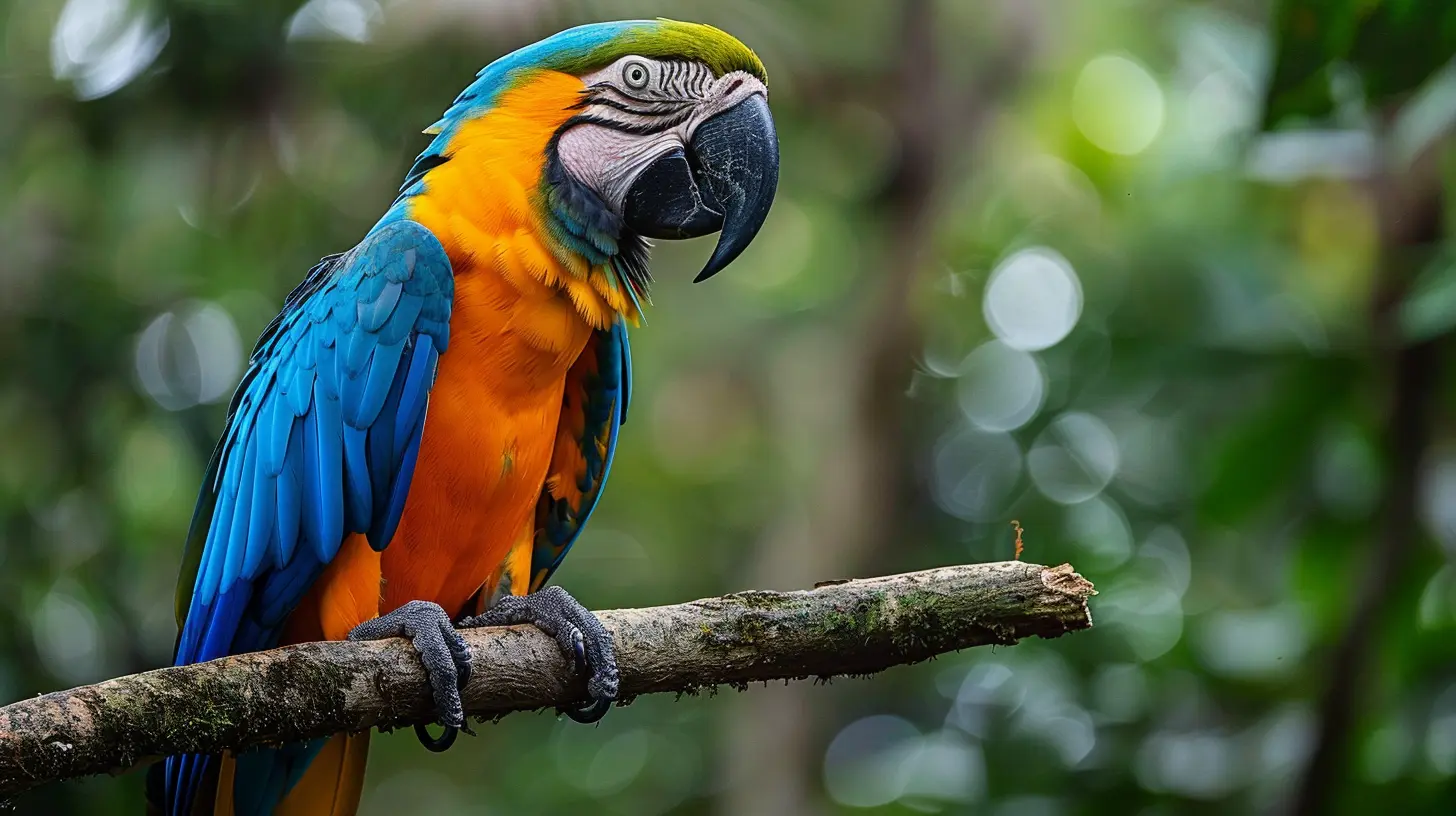
Best Time to Visit Rainforests by Region
Since the climate varies a bit based on where the rainforest is, let’s break it down by destination.🌿 Amazon Rainforest (Brazil, Peru, Colombia)
- Best Time: May to October (Dry Season)- What to Expect:
- Lower river levels, making jungle hikes and treks easier.
- Fewer mosquitoes — thank heavens!
- Better wildlife sightings, especially birds and monkeys.
The Amazon is massive and crosses multiple countries, but the story remains pretty similar across the board. Visiting during the dry season is simply more comfortable and more rewarding.
🌴 Costa Rica (Central America)
- Best Time: December to April (Dry Season)- What to Expect:
- Clear skies and sunny days — perfect for photography and hiking.
- National parks like Corcovado and Tortuguero are easily accessible.
- High tourist season, so book early and expect higher prices.
Costa Rica’s rainforests are incredibly rich in biodiversity, and the dry season brings everything to life — from tree frogs to sloths. It’s a dream for nature lovers.
🍃 Borneo (Malaysia and Indonesia)
- Best Time: March to October- What to Expect:
- Great chance of seeing orangutans and proboscis monkeys.
- Cooler nights and balmy days.
- Still some rain, but usually short and manageable.
Borneo's rainforests are ancient, dense, and beautiful. The dry season gives you a better chance to explore remote areas without your boots turning into soggy messes.
🦋 The Congo Rainforest (Central Africa)
- Best Time: June to September & December to February- What to Expect:
- Easier travel to remote forest areas.
- Prime time for gorilla trekking in nearby Rwanda and Uganda.
- Avoids the heaviest rainfall.
The Congo Basin is the second largest rainforest on Earth. Wildlife viewing is incredible, but its terrain can be challenging — definitely best to go during dry spells.
🌺 Daintree Rainforest (Australia)
- Best Time: May to September (Winter Months)- What to Expect:
- Pleasant, cooler temperatures — it’s Australia’s winter, but tropical.
- Low humidity and fewer bugs.
- Amazing birdwatching and crocodile spotting.
As the oldest rainforest in the world, the Daintree is something special. Visiting during the dry season avoids the stifling heat and lets you explore comfortably.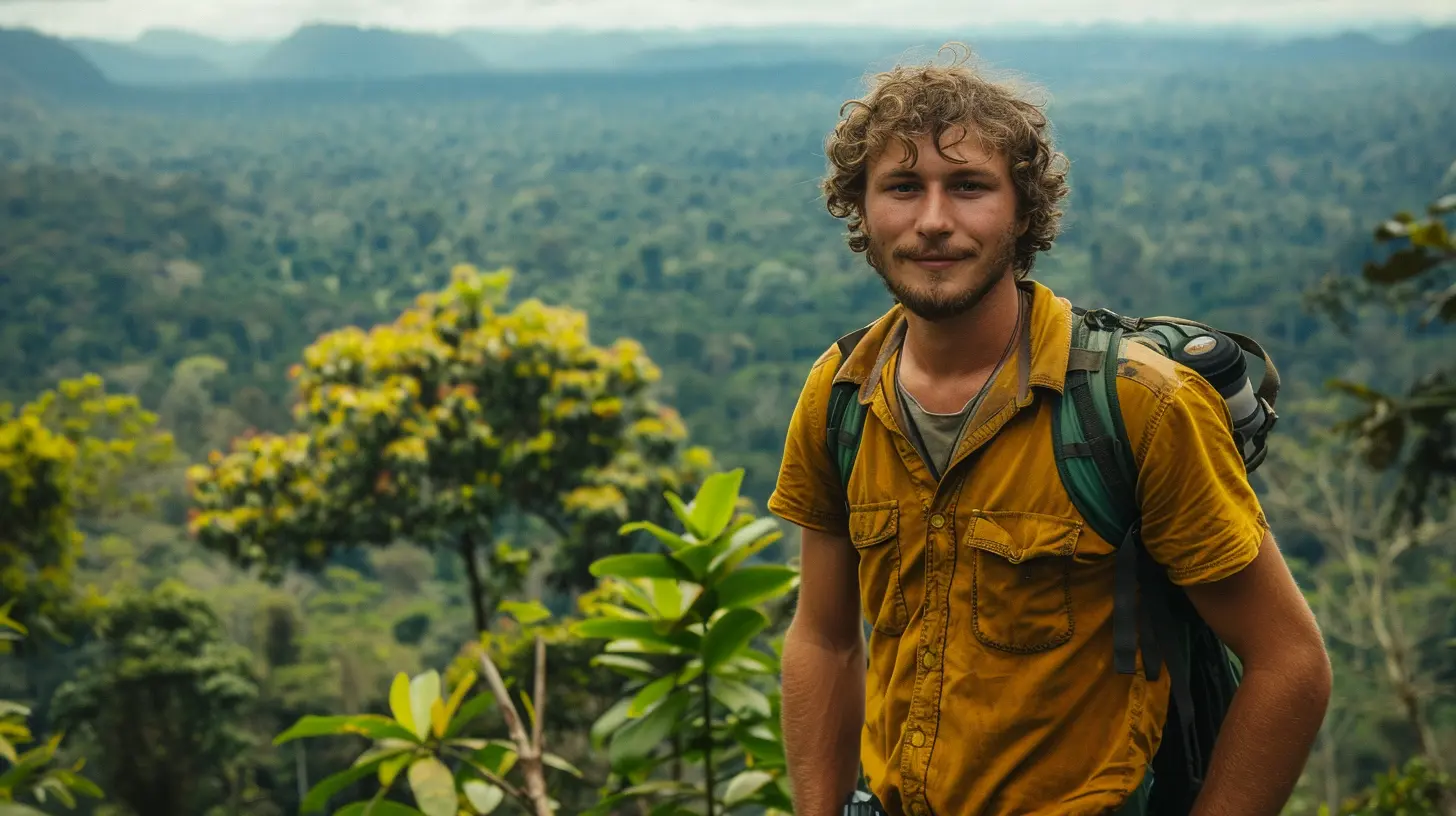
What Happens if You Visit During the Wet Season?
Can’t travel during the dry season? Don’t panic — there are some upsides to visiting rainforests in the rainy months.- Fewer Tourists: You’ll have the trails (mostly) to yourself.
- Lush, Vibrant Vegetation: Everything is greener, juicier, and more “rainforest-y”.
- Lower Prices: Flights and accommodations can be cheaper in the off-season.
- Unique Wildlife Encounters: Some species are only active during the wet.
But — and it's a big but — you’ll need to be OK with getting wet (a lot), dealing with slippery trails, and potentially missing out on certain activities like river cruises or wildlife treks.
What to Pack Based on the Season
Whether it's wet or dry season, the rainforest is wild terrain. Your packing list needs to be dialed in.Dry Season Must-Haves:
- Lightweight, breathable clothing- Sturdy hiking shoes or trail runners
- Insect repellent (mosquitoes don’t take vacations)
- Binoculars for birdwatching
- Sunscreen and a wide-brim hat
Wet Season Must-Haves:
- Waterproof gear (jacket, boots, and backpack cover)- Quick-dry clothes and extra socks
- Waterproof phone case or dry bags
- Poncho (not cute, but a lifesaver)
- Anti-fungal spray or powder (trust us on that one)
Tips for a Rainforest Adventure, Rain or Shine
- Hire a local guide: They know the forest like the back of their hand. Plus, they’ll spot animals you’d completely miss.- Start early: Wildlife is most active before the midday heat sets in.
- Stay hydrated: It’s humid, you’ll sweat like never before.
- Be respectful: These ecosystems are fragile. Stick to marked paths and don’t feed the animals.
- Pack light but smart: The less you carry, the more you’ll enjoy the hike.
So, When Should You Go?
If you’re all about maximizing your experience, the dry season is hands down the best time to visit tropical rainforests. It'll give you clearer trails, better weather, more active wildlife, and a whole lot more comfortable adventure. But if you’re a die-hard nature lover who doesn’t mind getting a little muddy (or soaked), the wet season has its own magical charm that’s hard to resist.The rainforest, no matter the month, is alive. Buzzing, chirping, dripping, blooming — it's the original soundtrack of Earth. All you have to do is pick the right time, show up, and let the jungle do the rest.
Final Thoughts
The best time to visit tropical rainforests depends a bit on your style of adventure. Want to hike, snap pictures, and see the most animals? Then aim for the dry season. Prefer solitude, moody mist, and the haunting beauty of rainfall on leaves? The wet season might be calling your name.Either way, don’t let the calendar stop you. As long as you're prepared (and maybe a little flexible with your plans), the rainforest will welcome you with open arms — and maybe a few curious monkeys.
all images in this post were generated using AI tools
Category:
Rainforest ToursAuthor:

Claire Franklin
Discussion
rate this article
2 comments
Brianna Miller
Great insights! Visiting tropical rainforests during the dry season truly enhances the experience. The vibrant wildlife and lush landscapes are best enjoyed without the rain interruptions.
March 1, 2026 at 5:43 PM
Claire Franklin
Thanks for your comment! The dry season really does offer a unique perspective on the rainforest. Glad you enjoyed it!
Kieran Flores
This article has me wondering about the unique experiences offered in different seasons! Are there specific wildlife sightings or plant blooms that align with certain months? I’m curious if local festivals coincide with the best visiting times, enhancing the adventure even more!
February 5, 2026 at 5:25 PM
Claire Franklin
Absolutely! Each season brings unique wildlife and blooms. For instance, many flowers peak during the dry season, while wildlife often becomes more visible during mating seasons. Local festivals typically align with these peak times, enriching your rainforest experience!