Discover the Beauty of Low-Impact Island Hopping
1 December 2025
Who doesn't love the idea of island hopping—turquoise waters, white sandy beaches, and the thrill of discovering hidden gems? But let’s be real for a second: traditional island-hopping trips often come with a hefty environmental price tag. Between fuel-guzzling boats, single-use plastics, and overcrowded tourist hotspots, our dream vacations can sometimes do more harm than good.
But wait! What if I told you there's a way to embrace island hopping without leaving behind a trail of destruction? That’s right—low-impact island hopping is the eco-friendly travel trend we've all been waiting for. It's all about soaking in paradise while keeping things sustainable.
Ready to set sail on a guilt-free adventure? Let’s dive in! 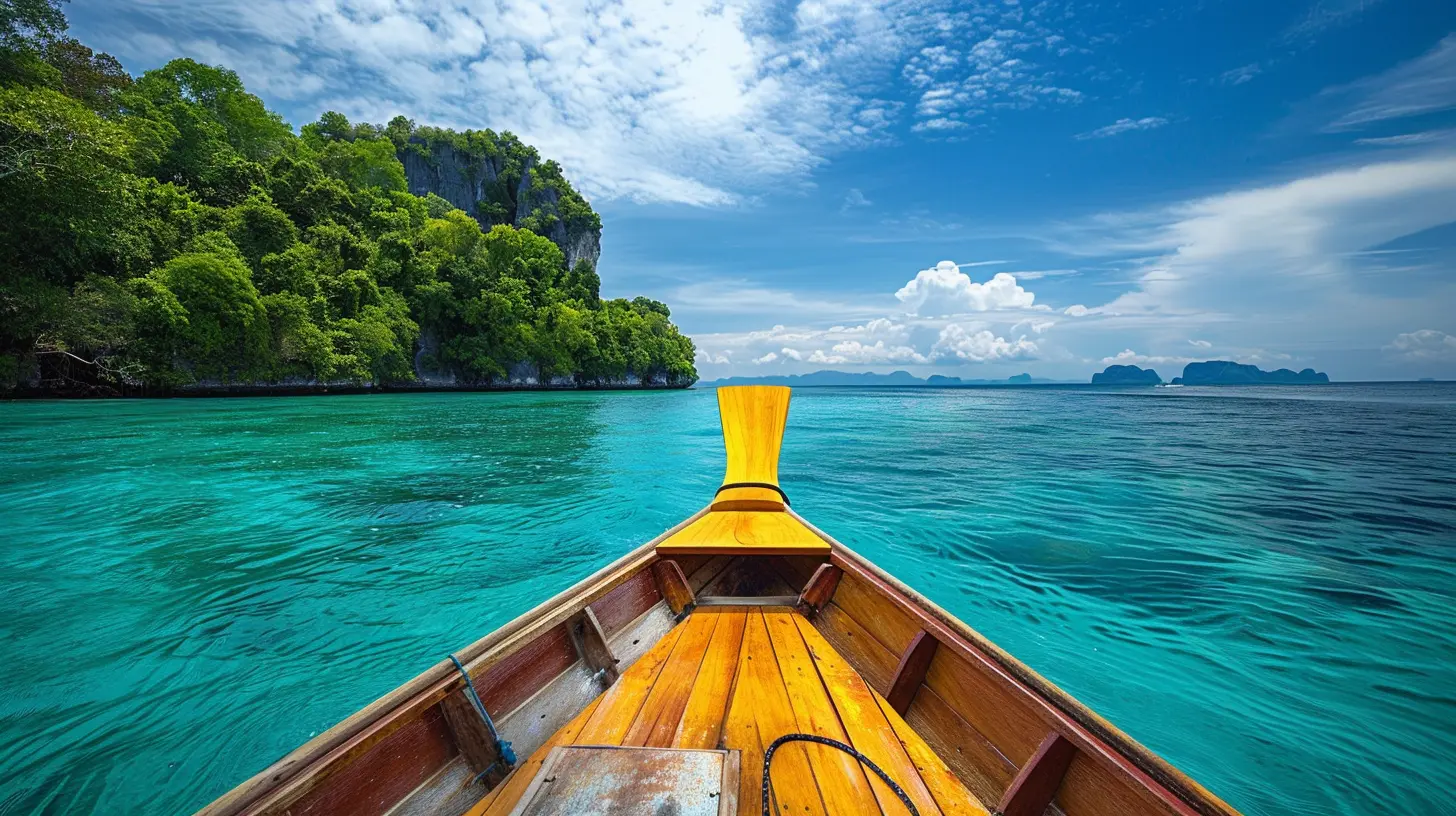
What is Low-Impact Island Hopping?
Low-impact island hopping is exactly what it sounds like—exploring islands in a way that minimizes your footprint on the environment. Instead of hopping from one island to another with diesel-chugging speedboats, you opt for more sustainable transportation. Instead of leaving plastic waste on pristine shores, you embrace eco-friendly travel habits. Instead of overcrowded beaches, you find those hidden, untouched slices of heaven.In short, you still get all the adventure and beauty of traditional island hopping—just without the environmental guilt. Sounds like a win-win, right? 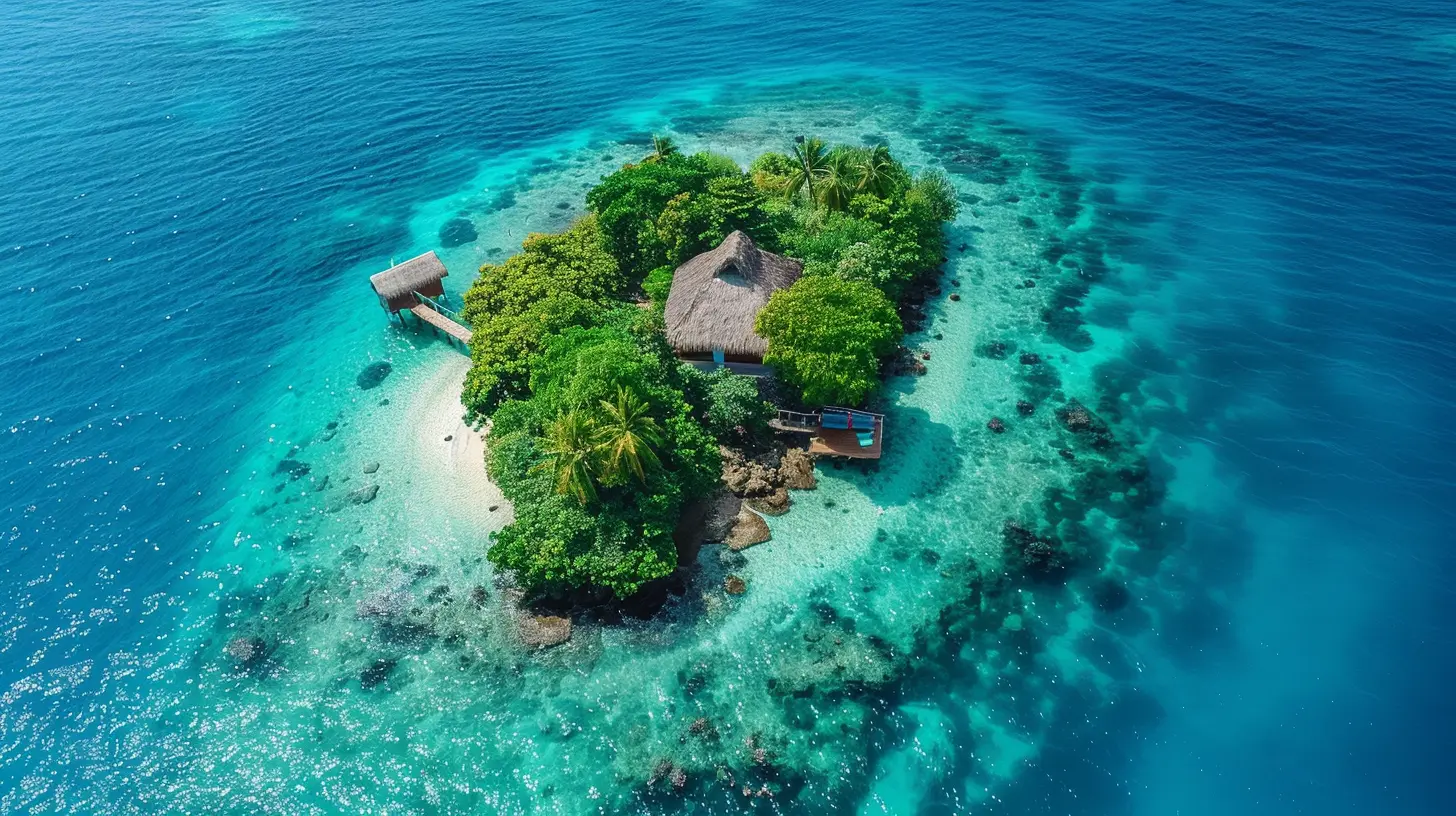
Why Should You Care?
You might be thinking, "Why should I go the extra mile to travel sustainably?" Well, besides the obvious fact that we only have one planet, low-impact travel actually makes your experience better. Here’s why:- Less Crowding, More Serenity – Traditional hotspots are packed with tourists. Low-impact travel leads you to quieter, more authentic spots.
- Protects Marine Life – Fewer emissions, less waste—means happier sea creatures and coral reefs.
- A More Authentic Experience – Slow, mindful travel lets you truly connect with the locals, the culture, and nature.
- Future-Proofing Paradise – The less damage we do now, the longer these stunning islands stay beautiful for future generations.
Think of it this way: Would you rather be part of the problem or part of the solution? 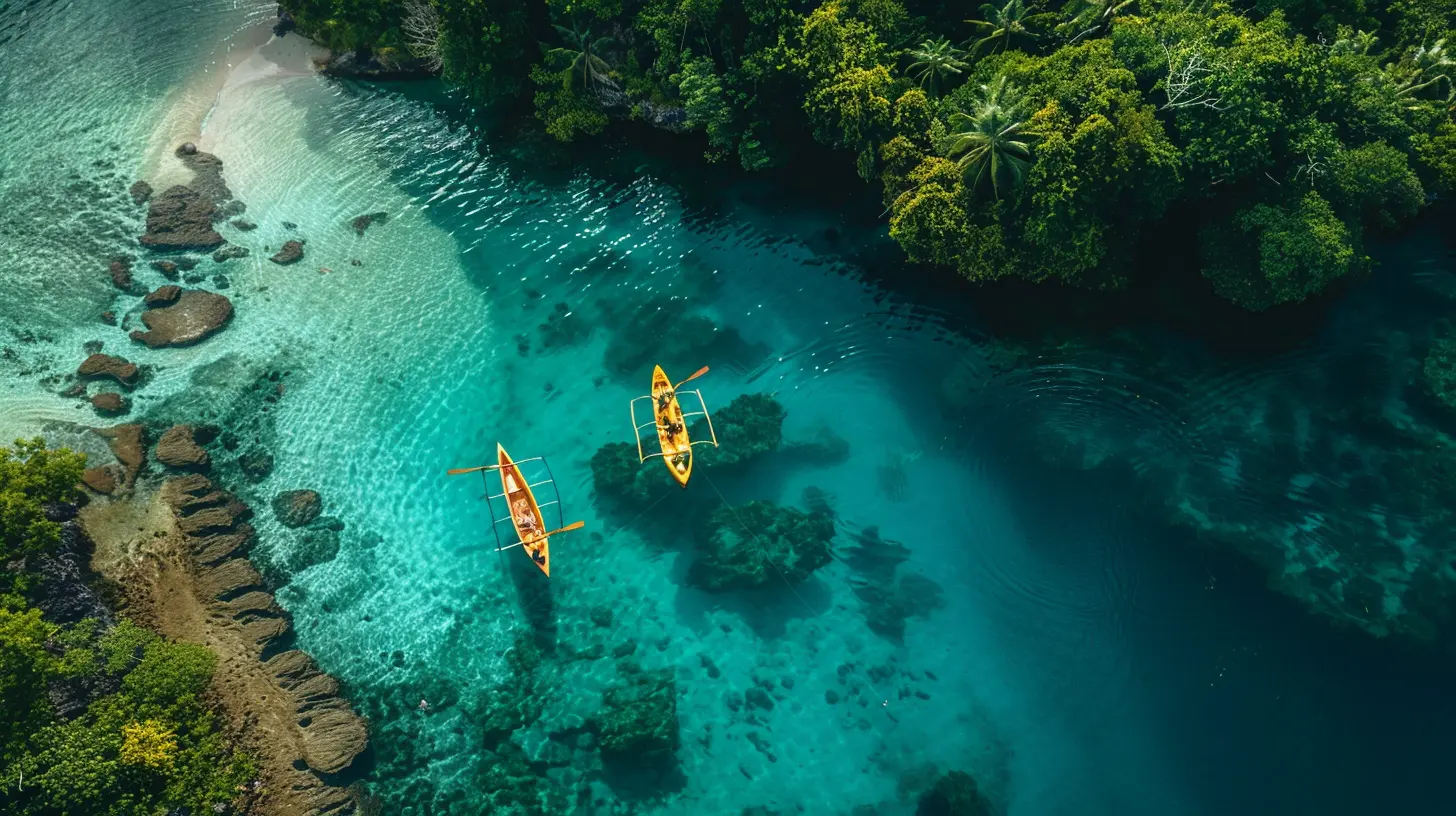
How to Island Hop the Eco-Friendly Way
Now that you're onboard (pun totally intended), let's talk about how to actually do this. Here are some practical tips for making your island-hopping adventure as sustainable as possible:1. Choose Eco-Friendly Transportation
The biggest culprit of environmental damage during island hopping? Gas-gulping boats. But, don’t worry, here are some alternatives:🚣♂️ Kayak or Paddleboard – If the islands are close enough, why not paddle your way there? Not only is it completely zero-emission, but it's also a killer workout.
⛵ Sailboats – Wind-powered transportation? Yes, please! Opt for a sailing trip instead of motorboats. Many eco-conscious tour companies offer sail-powered island-hopping adventures.
🚤 Electric or Solar-Powered Boats – Some destinations now offer electric-powered boats—clean energy, minimal impact.
2. Say No to Single-Use Plastics
You’d be surprised how quickly a dreamy island turns into a plastic wasteland due to careless tourism. Here’s how to avoid contributing to that mess:♻️ Bring a reusable water bottle (bonus points for one with a built-in filter).
🥤 Skip the plastic straws and utensils—carry your own bamboo or metal alternatives.
🛍️ Pack a foldable tote bag for any shopping you do (please, no plastic bags).
3. Support Sustainable Accommodations
Your choice of stay matters—big time. Instead of massive chain hotels, opt for:🌿 Eco-lodges and sustainable resorts – Many now use renewable energy, recycle waste, and support conservation efforts.
🏠 Locally-owned guesthouses – Helps support the local economy while giving you a more authentic experience.
🏕️ Beach camping – Take 'sleeping under the stars' to the next level (just make sure to follow Leave No Trace principles).
4. Eat Like a Local, Respect the Environment
Food is a huge part of any trip. But mass tourism often leads to overfishing and food waste. Here’s what you can do:🌱 Eat local and seasonal – Fresh island fruits, locally sourced seafood (ethically caught, of course), and farm-to-table restaurants are the way to go.
🐟 Be mindful of seafood choices – Avoid overfished species—do a little research before digging into that seafood platter.
🥡 Skip takeout plastics – If you're grabbing food on the go, bring your own reusable containers.
5. Respect Marine Life & Natural Habitats
The ocean is not a theme park—don't treat it like one. Here’s how to be a responsible visitor:🐠 Say no to touching marine life – That cute starfish? That colorful coral? Hands off! Even a gentle touch can cause damage.
🦀 Avoid buying souvenirs made from marine life (like coral or turtle shells).
🚯 Never leave anything behind – If you packed it in, pack it out. 
Best Destinations for Low-Impact Island Hopping
Now that you're prepped, where should you go? Here are some eco-friendly island-hopping destinations that will blow your mind:1. The Philippines: Palawan & El Nido
With crystal-clear lagoons and eco-conscious tours, Palawan is a dream come true for low-impact travelers. Choose a bamboo-made catamaran for a sustainable sailing adventure.2. Greece: The Cyclades
Some islands, like Tinos and Serifos, are pushing for sustainable tourism. You can take ferries instead of short-haul flights and hike between villages like a true explorer.3. Thailand: Koh Lanta & Its Small Neighbors
Choosing ethical tours and staying in eco-friendly lodges will allow you to enjoy Thailand’s beauty without the environmental footprint.4. Indonesia: Raja Ampat
This paradise is home to some of the most biodiverse waters on Earth. Many local communities run conservation-based tourism initiatives—stay with them, and your trip will have a positive impact!5. The Caribbean: The British Virgin Islands
With various sailing and eco-lodge options, the BVI makes it easy to island-hop without harming the delicate marine environment.Final Thoughts: Travel Better, Travel Smarter
Low-impact island hopping isn’t about giving up adventure—it’s about making smarter choices that let you enjoy paradise in a way that keeps it pristine. By traveling mindfully, supporting sustainable businesses, and respecting nature, you’re not only having an epic trip but ensuring that future travelers can experience the same magic.So, next time you dream about hopping from one sun-kissed beach to another, remember: it’s totally possible to do it without wrecking the place. The ocean (and future generations) will thank you for it.
Now, who's ready to set sail the eco-friendly way?
all images in this post were generated using AI tools
Category:
Eco TravelAuthor:

Claire Franklin
Discussion
rate this article
2 comments
Thea Campbell
What a delightful adventure! Exploring low-impact island hopping is the perfect way to connect with nature joyfully! 🌊✨
December 1, 2025 at 4:56 PM
Claire Franklin
Thank you! I'm glad you enjoyed the article and feel inspired by the beauty of low-impact island hopping! 🌿🌊
Holly Huffman
Thank you for this insightful article! Low-impact island hopping is a fantastic way to explore nature while preserving its beauty. Your tips are invaluable for sustainable travel enthusiasts looking to make a positive impact.
December 1, 2025 at 4:14 AM
Claire Franklin
Thank you for your kind words! I'm glad you found the article helpful for sustainable travel. Happy adventuring!