Geotourism: Exploring Destinations While Preserving their Environmental Integrity
27 December 2025
Traveling is one of life’s greatest joys. Experiencing new cultures, marveling at natural wonders, and collecting memories along the way—it’s what makes exploring so special. But have you ever stopped to think about the impact travel has on the environment?
This is where geotourism comes into play. It’s more than just a buzzword—it’s a movement that encourages responsible travel while protecting the very places we love to visit. If you've ever wondered how to be a traveler who leaves a positive mark instead of a footprint, you’re in the right place! 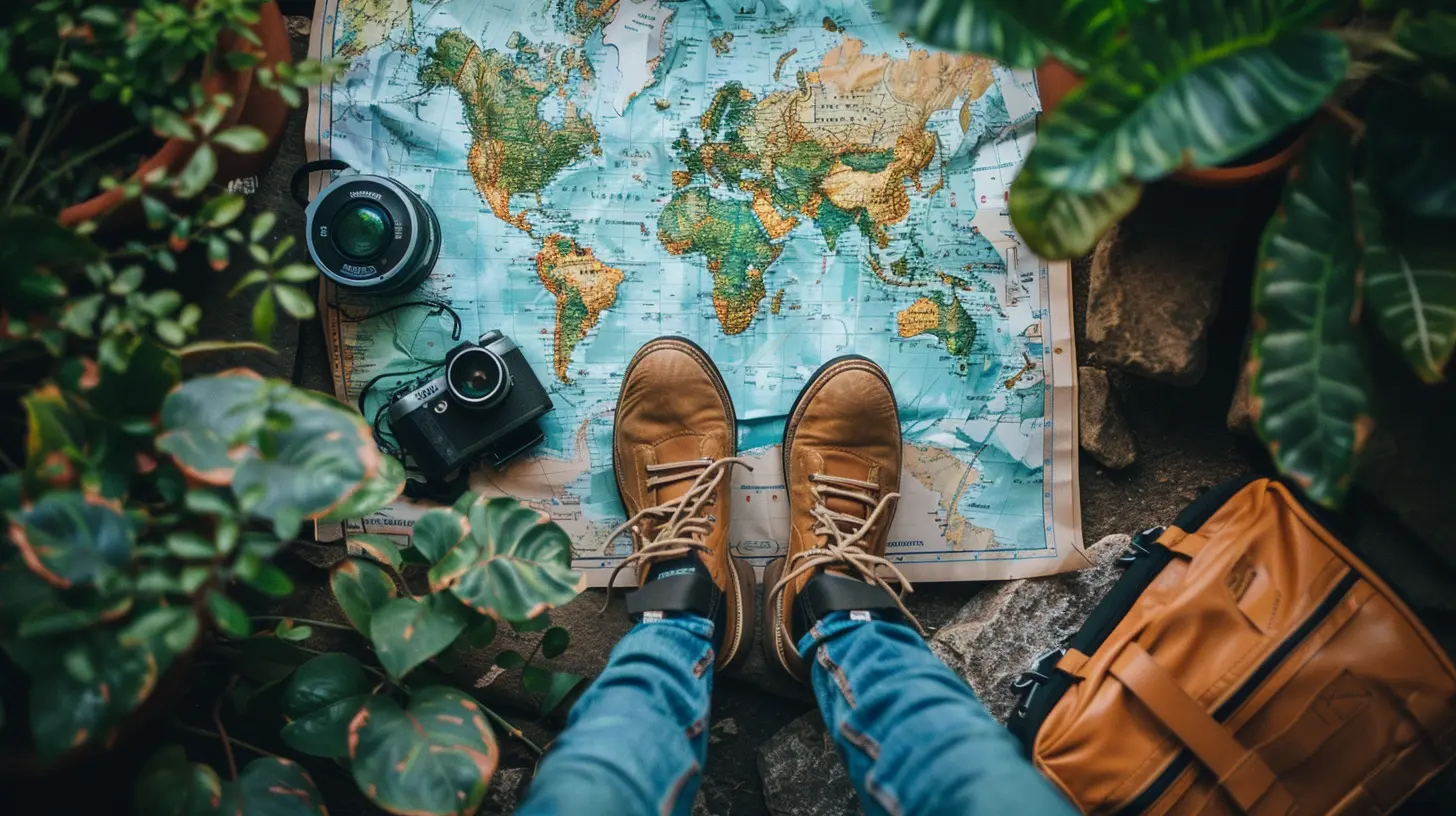
What is Geotourism?
Geotourism, in simple terms, combines the love of travel with environmental responsibility. Unlike mass tourism, which often leads to overcrowding and environmental degradation, geotourism promotes sustainable travel practices that enhance and protect the destination's natural and cultural heritage.The concept was popularized by National Geographic and emphasizes four key principles:
1. Sustainability – Ensuring that tourism does not harm the ecosystem.
2. Culture and Heritage Preservation – Respecting and supporting local traditions.
3. Community Involvement – Encouraging local participation in tourism activities.
4. Environmental Responsibility – Reducing waste and promoting conservation efforts.
By following these principles, geotourism allows travelers to enjoy breathtaking destinations without contributing to their deterioration. 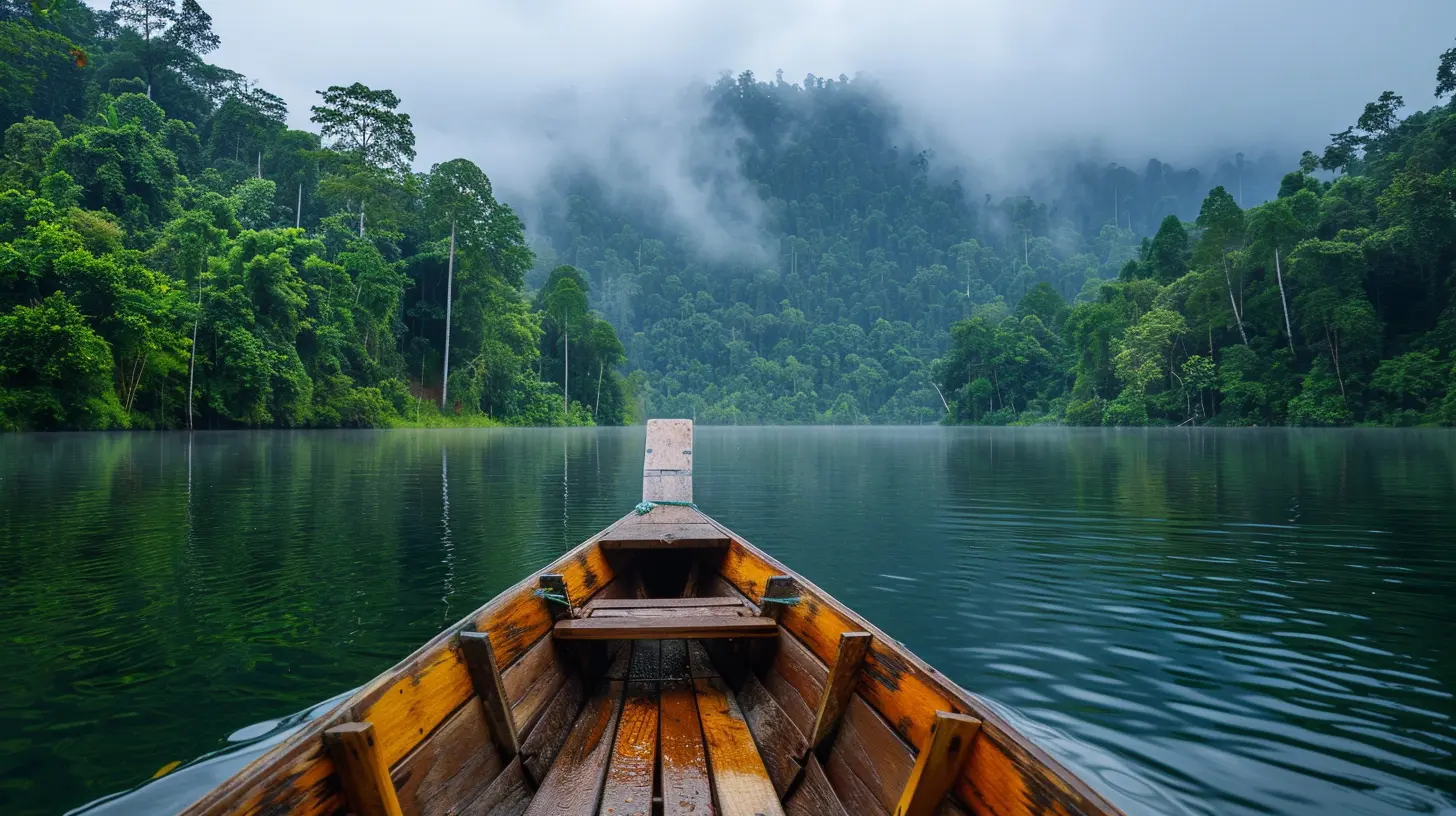
Why Does Geotourism Matter?
1. It Protects Fragile Ecosystems
Some of the world’s most beautiful places—coral reefs, rainforests, and mountain ranges—are also the most fragile. Irresponsible tourism can result in habitat destruction, loss of wildlife, and irreversible environmental damage.Geotourism focuses on minimizing harm by encouraging eco-friendly accommodations, responsible tour operators, and conservation projects.
2. It Supports Local Economies
When travelers engage in sustainable tourism, they directly benefit local communities. Instead of spending at massive hotel chains, supporting small businesses—like family-owned guesthouses, local craft markets, or community-led tours—keeps money circulating within the community.This helps in job creation, economic stability, and the preservation of cultural traditions that might otherwise disappear due to globalization.
3. It Promotes Authentic Experiences
Would you rather be crammed into a tour bus with a hundred people, or hike with a local guide who shares personal stories about their homeland?Geotourism champions off-the-beaten-path experiences. It’s about immersing yourself in a destination’s history, customs, and environment while keeping tourism sustainable.
4. It Encourages Slow and Mindful Travel
We live in a world where everything is fast-paced—even vacations! People rush to check off attractions instead of truly experiencing them.Geotourism flips the script by encouraging slow travel—taking the time to appreciate landscapes, engage with locals, and truly feel connected to a place. 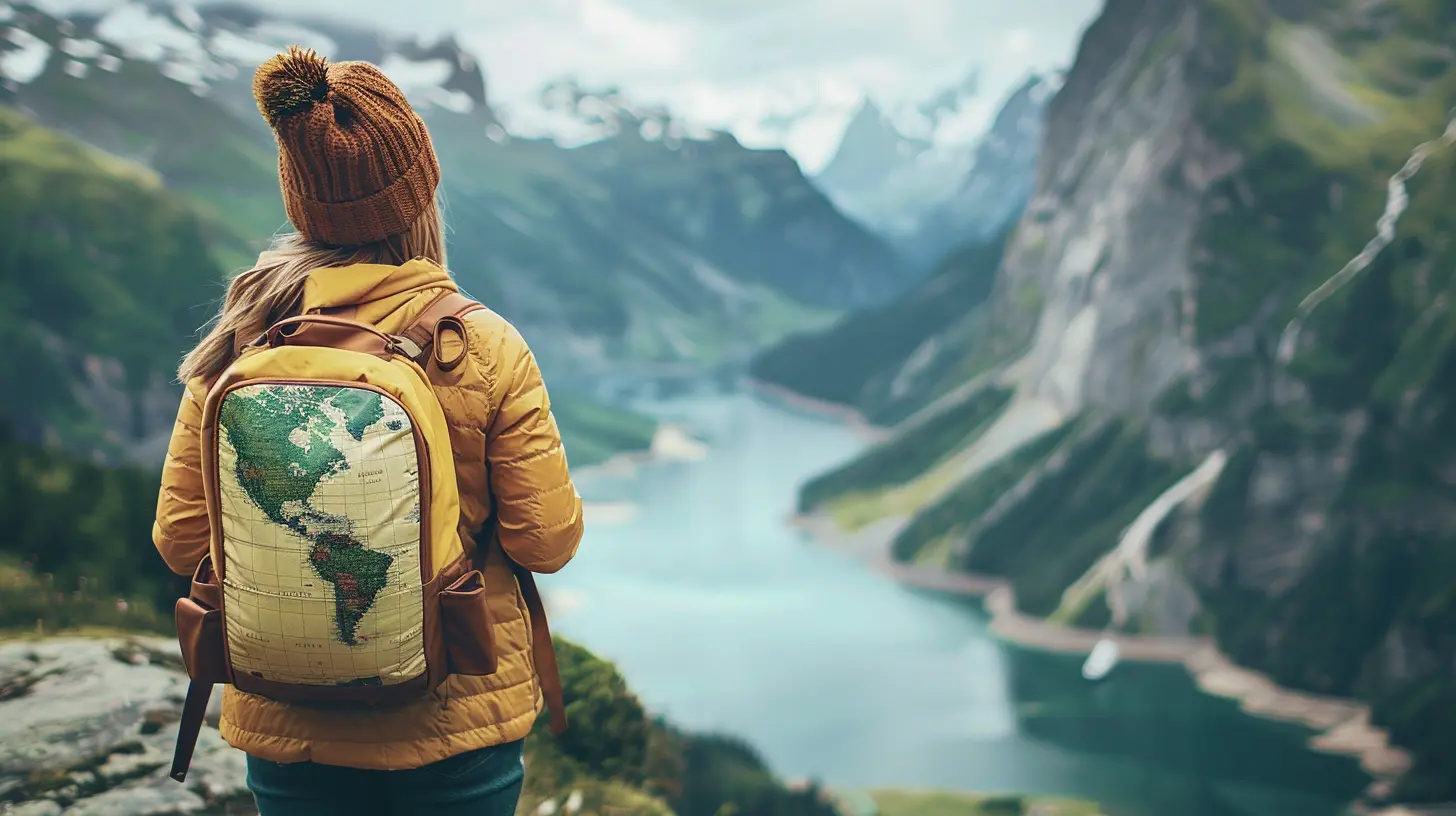
How to Be a Geotourist?
You don’t need to be an environmental expert to practice geotourism. Small, mindful choices can make a huge difference!1. Choose Eco-Friendly Accommodations
Stay at eco-lodges, sustainable resorts, or homestays that promote environmentally friendly practices like solar energy, composting, and water conservation.Many hotels today have certifications like Green Key, LEED, or EarthCheck, which indicate their commitment to sustainability.
2. Travel Light and Responsibly
Packing light reduces fuel consumption in flights and transport. Also, say NO to single-use plastics—carry a reusable water bottle, bamboo cutlery, and cloth bags wherever you go.3. Respect Local Culture and Traditions
Learning a few words in the local language, dressing appropriately, and following cultural customs are simple gestures that show respect.For instance, in many parts of Asia, removing your shoes before entering someone’s home is a sign of respect. Small efforts like this create meaningful connections with locals.
4. Support Local Businesses
Instead of eating at international fast-food chains, savor traditional dishes from local restaurants or street vendors. Buy souvenirs from artisans who handcraft their products rather than mass-produced trinkets.Not only do you get authentic experiences, but your money directly supports the community.
5. Opt for Low-Impact Activities
When exploring nature, always choose ethical wildlife experiences and responsible adventure activities.- Instead of riding elephants, visit sanctuaries that promote ethical wildlife care.
- Go hiking, kayaking, or cycling instead of using vehicles that emit carbon.
- Always leave no trace—pack out what you pack in, respect wildlife, and stay on designated trails.
6. Offset Your Carbon Footprint
Flying is often unavoidable, but did you know you can offset your carbon footprint?Many airlines and organizations offer carbon offset programs that allow you to invest in environmental projects (like tree planting or renewable energy) to balance out the emissions from your travels.
7. Travel During Off-Peak Seasons
Overtourism is a growing problem, with some destinations struggling to cope with the sheer volume of tourists. By traveling during the off-season, you help reduce overcrowding, avoid strain on local resources, and even enjoy cheaper prices and a more peaceful experience.
Destinations That Embrace Geotourism
Looking for places that truly embrace geotourism? Here are a few noteworthy destinations:1. Costa Rica – The Ecotourism Pioneer
Costa Rica is a global leader in sustainable tourism. With over 25% of its land protected, visitors can explore rainforests, volcanoes, and diverse wildlife while staying in eco-lodges that support conservation efforts.2. Iceland – Preserving Natural Wonders
Iceland’s strict tourism policies ensure that its glaciers, geysers, and waterfalls remain untouched. Many tour companies focus on low-impact excursions, such as electric vehicle tours and geothermal energy-powered accommodations.3. New Zealand – The Ultimate Outdoor Wonderland
New Zealand’s environment-focused tourism laws promote conservation and respect for indigenous Māori culture. Hiking, kayaking, and wildlife tours are popular ways to experience the country with minimal environmental harm.4. Norway – Sustainable Fjord Adventures
Norway’s famous fjords are breathtaking, and the country actively works to maintain their integrity by regulating cruise tourism, promoting electric ferries, and protecting marine life.5. Bhutan – The High-Value, Low-Impact Destination
Bhutan is one of the few countries that prioritizes Gross National Happiness over mass tourism. With its high-value, low-impact travel policy, visitors must pay a daily fee that funds conservation, communities, and cultural preservation.The Future of Travel: A Responsible Approach
The way we travel shapes the future of our planet. Choosing geotourism over mass tourism isn’t just about being an eco-conscious traveler—it’s about ensuring that future generations can also enjoy the wonders of the world.By making simple, mindful choices, we can transform the way we experience travel without harming the places we visit.
So next time you plan your adventure, ask yourself: "Am I leaving a positive impact?" If the answer is yes, congratulations—you’re already part of the geotourism movement!
all images in this post were generated using AI tools
Category:
Eco TravelAuthor:

Claire Franklin
Discussion
rate this article
2 comments
Zedric Coleman
Travel smart, leave footprints only in your memories!
February 5, 2026 at 5:47 AM
Claire Franklin
Thank you! Emphasizing mindful travel ensures that we cherish our experiences while protecting the beauty of our destinations for future generations.
Jessamine Barron
Geotourism: where your footprints are lighter than your luggage—nature thanks you!
January 8, 2026 at 4:37 AM
Claire Franklin
Thank you! Geotourism truly emphasizes the importance of sustainable travel, allowing us to explore while respecting and preserving our planet.