Immersing Yourself in Remote Indigenous Cultures
17 February 2026
Travel isn’t just about visiting new places... it's about experiencing life through a different lens. And what better way to do that than by immersing yourself in remote Indigenous cultures? It's raw, real, and unlike anything you've likely experienced before. You won't find these stories in mainstream tour brochures or flashy TikToks — this is the deep end of cultural exchange.
In this guide, we’re diving into how and why you should consider connecting with Indigenous communities in remote areas during your travels. It’s not only respectful tourism — it’s meaningful, transformative travel.
Why Seek Out Remote Indigenous Cultures?
There’s something incredibly humbling about stepping into a community whose way of life has remained rooted in tradition for hundreds — sometimes thousands — of years. Remote Indigenous cultures often carry wisdom about living in harmony with nature, community bonds, storytelling, and spiritual practices that are both enriching and eye-opening for outsiders.Think about it: when was the last time you really unplugged? No Starbucks on the corner, no Wi-Fi in your pocket — just people, traditions, and a pure connection with the land. That’s what these experiences offer.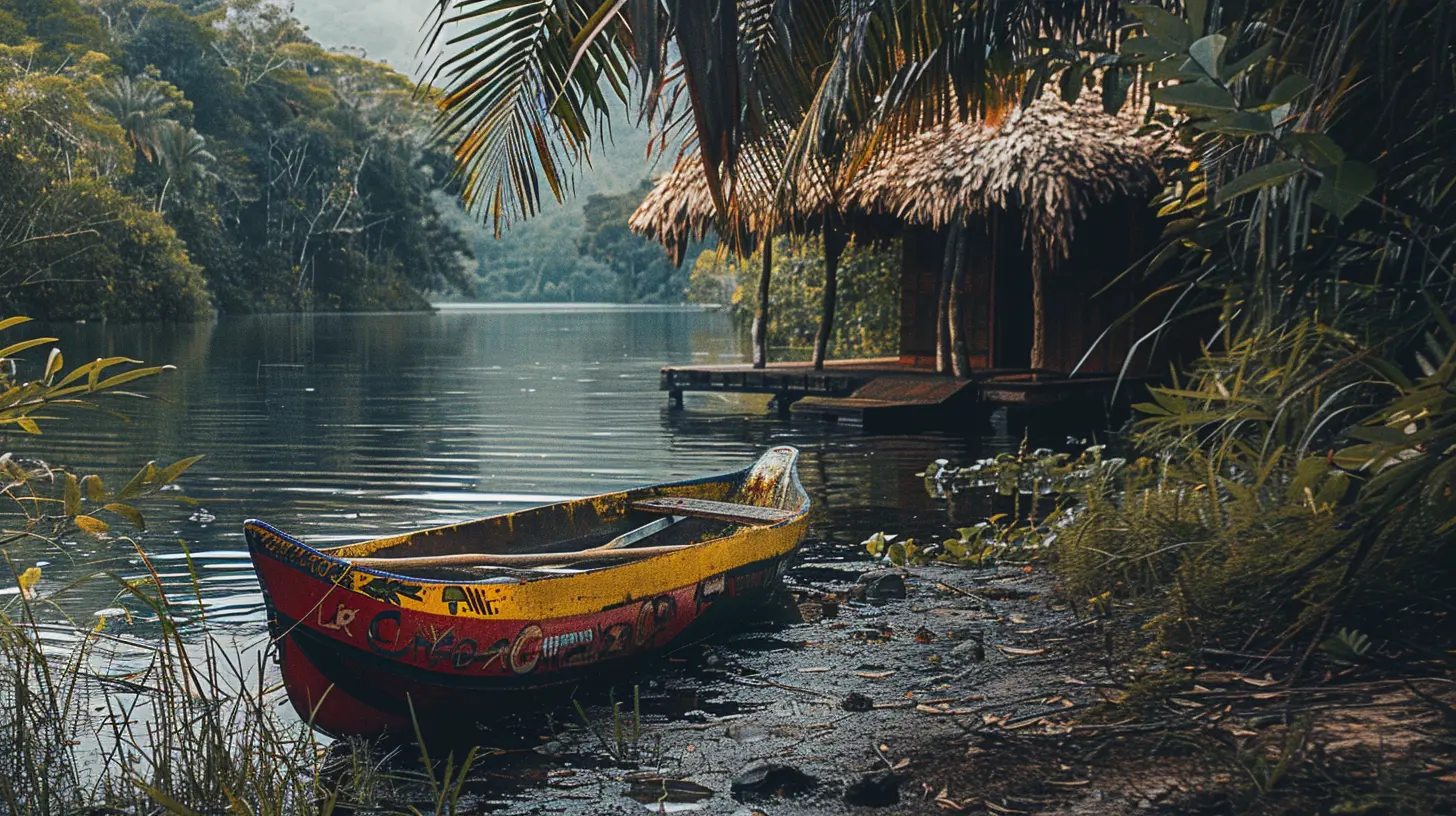
Travel With Intention: Understanding Your Purpose
First things first: this isn’t about snapping a few Insta pics and jetting off. Engaging with Indigenous cultures is about asking yourself, “Why am I here?”Are you:
- Craving a deeper understanding of human history and traditions?
- Curious about ancient crafts, music, and food?
- Looking to support sustainable tourism?
If your answer is “yes” to any of the above, you’re on the right track.
Remember, it’s not about being a tourist — it’s about being a guest.
How to Find Indigenous Experiences (The Right Way)
No, you can’t just Google “remote tribes near me” and expect a meaningful connection. This is where research and respect come into play.1. Local Tour Operators with Indigenous Partnerships
Look for travel groups that are either Indigenous-owned or work closely with local elders and leaders. These tours usually ensure cultural protocols are respected and that benefits stay within the community.> Pro Tip: Websites like Responsible Travel and Indigenous Tourism Association of Canada are great starting points.
2. Word of Mouth from Other Respectful Travelers
Online travel communities and forums are full of folks who’ve walked this path. Ask them for ethical recommendations and insights.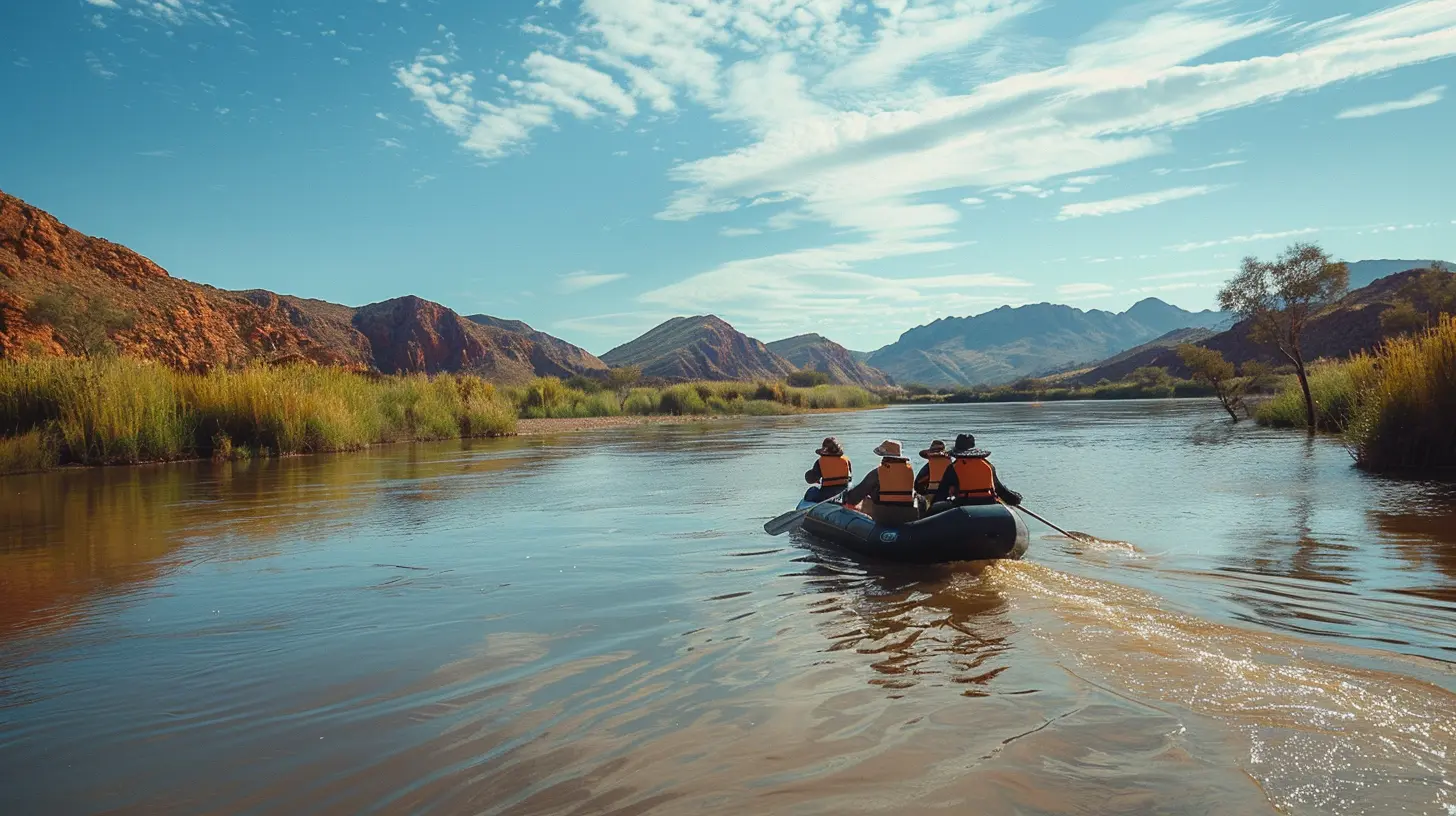
Top Destinations for Indigenous Cultural Immersion
Every continent has its hidden cultural gems. Here are a few that stand out, not just for their traditions, but for their willingness to share them (with the right kind of visitor):1. The Himba of Northern Namibia
Ever seen red ochre-covered skin and intricately braided hair? That’s the Himba. They’re semi-nomadic pastoralists, deeply connected to their traditions and the harsh Namibian landscape.Your time with them could include:
- Learning traditional hair and dress customs
- Exploring their cattle-based economy
- Participating in fire-based spirituality rituals
Note: Always make arrangements through a guide familiar with the community — unannounced visits are a no-go.
2. The Ainu of Hokkaido, Japan
Often overlooked, the Ainu have a deeply spiritual connection with nature. Their dances, bear ceremonies, and wood carvings speak volumes about their identity.While modernization has affected their visibility, initiatives like the Ainu Museum (Upopoy) and community-led homestay programs are helping revive and share their legacy.
3. The Quechua of the Peruvian Andes
Want to learn how to weave stories into fabric — literally? The Quechua communities around Cusco are masters of textile art, agricultural traditions, and ancestral festivals.You might:
- Stay in a “comunidad campesina” (rural community)
- Join in traditional farming techniques
- Taste authentic Andean dishes like pachamanca
4. The Yolŋu People in Arnhem Land, Australia
This isn’t a casual Airbnb weekend. Arnhem Land is remote, sacred, and requires a special permit to visit — which adds to the gravity of the experience.They might share:
- Ancient Dreamtime stories
- Traditional hunting and gathering rituals
- Didgeridoo music performed in the open under the stars
5. The Kayapo of the Brazilian Amazon
Deep in the lungs of the Earth, the Kayapo have fiercely protected their portion of the Amazon. Their colorful headdresses and body paint are iconic, but it’s their approach to environmental stewardship that might leave you speechless.But make no mistake — this journey isn’t for the faint-hearted. Think canoe rides, mosquito nets, and long, raw days. But totally worth it.
What You’ll Gain (Besides an Epic Story)
Let’s be real: cultural immersion isn’t always comfortable. But that’s kind of the point, right?You’ll come away with:
- A deeper understanding of human diversity
- A new respect for sustainable living
- Lifelong memories (and maybe a few new dance moves)
More importantly, you might just gain a new worldview — one that values community, storytelling, and the sacred connection between people and planet.
The Do’s and Don’ts of Immersion
✅ Do:
- Ask permission before taking photos- Learn a few words in the native language (yes, even if you mispronounce them)
- Be open to trying new foods, even if you’re not sure what it is (hint: sometimes it’s better not to ask)
- Support local artisans by purchasing handmade items directly
❌ Don’t:
- Expect Western comforts (flush toilets? Probably not)- Treat people like exhibits (you’re not at a zoo)
- Disrespect sacred spaces or ceremonies
- Leave behind trash, attitude, or entitlement
Making It Count: Giving Back
Okay, so you had your life-changing journey… now what?Consider:
- Donating to local education or healthcare initiatives
- Sharing your experience to raise awareness (respectfully and accurately — no exoticism)
- Continuing to support Indigenous causes even after you’re home
Try using your platform — whether it’s your blog, social media, or dinner conversations — to uplift rather than appropriate.
Respect Is the Real Passport
Truth is, immersing yourself in remote Indigenous cultures is not just about where you go — it’s about how you go. If you approach with humility, curiosity, and gratitude, you’ll not only be welcomed — you’ll be transformed.So, pack light, bring an open heart, and remember: sometimes the furthest places from home are the ones that bring you closest to who you really are.
Final Travel Tips for Cultural Immersion
- Pack light but thoughtfully: Bring gifts like school supplies or solar lights — ask what’s needed.- Learn about cultural taboos: What’s fine in your culture might be offensive elsewhere.
- Travel in small groups: It reduces your footprint and makes interactions more personal.
- Stay longer: A few days can feel rushed. If you can, spend a week or more immersed.
Is It Ethical?
This is the million-dollar question. When done respectfully and with the community’s consent, yes — it can be incredibly ethical and mutually beneficial. But never assume. Ask. Listen. And always leave things better than you found them, even if it’s just a little more understanding and empathy left behind.Final Thoughts
Immersing yourself in remote Indigenous cultures isn’t just about cultural exchange; it's about awakening parts of yourself that you didn’t even know were asleep. These journeys demand more from you — more patience, more openness, more responsibility — but they give back tenfold in wisdom, connection, and perspective.So go ahead — step off the beaten path. Let the world surprise you.
all images in this post were generated using AI tools
Category:
Off The Beaten PathAuthor:

Claire Franklin
Discussion
rate this article
2 comments
Darius Walker
Engaging with remote Indigenous cultures is more than a journey; it's a profound encounter with different worldviews and ways of life. Such experiences challenge our assumptions, urging us to reflect on our own identities and responsibilities toward both the environment and the preservation of cultural heritage.
March 6, 2026 at 3:51 PM
Claire Franklin
Thank you for highlighting the depth of engaging with Indigenous cultures. Such encounters indeed enrich our understanding and challenge us to reflect on our roles in preserving both cultural heritage and the environment.
Valeris McCollum
Experience the raw beauty and genuine warmth of Indigenous cultures—embrace their wisdom and honor their stories unapologetically!
February 17, 2026 at 3:29 PM
Claire Franklin
Thank you for highlighting the importance of respecting and celebrating Indigenous cultures. Their wisdom enriches us all!