How to Travel the Garden Route in South Africa by 2026
25 April 2026
So, you’re dreaming of the Garden Route, right? I get it. That stretch of South Africa’s coastline is like a secret handshake between the Indian Ocean and the Outeniqua Mountains—a 300-kilometer ribbon of lush forests, dramatic cliffs, and sleepy beach towns that feel like they were plucked straight out of a postcard. But here’s the kicker: by 2026, this route is going to look a little different. More travelers are catching on, roads are getting upgrades, and new eco-lodges are popping up like mushrooms after rain. So, how do you nail it without getting lost in the crowd or blowing your budget? Let’s break it down, step by step, like we’re planning a road trip over coffee.
Why 2026 Is the Sweet Spot for the Garden Route
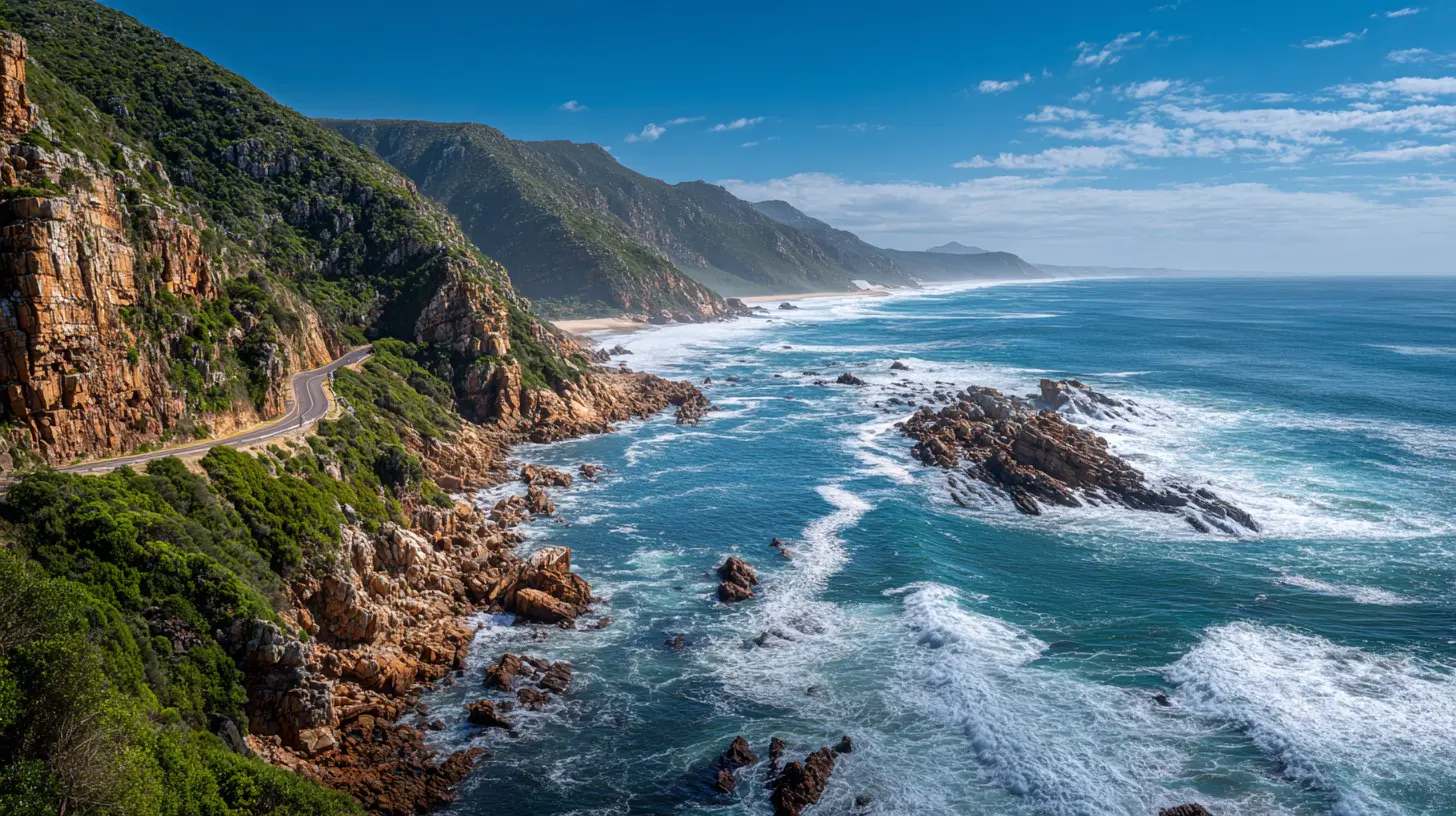
Think of 2026 as the Goldilocks year for this trip—not too early, not too late. Why? Because South Africa’s tourism infrastructure is getting a major facelift. The N2 highway, which snakes through the route, is undergoing improvements to ease congestion, especially around George and Knysna. By 2026, you’ll have smoother drives, better rest stops, and maybe even a few new charging stations for electric vehicles (yeah, EVs are creeping in). Plus, the country’s visa policies are becoming more flexible for digital nomads, meaning you can stretch your stay without bureaucratic headaches.But here’s the real reason: climate change is subtly shifting the seasons. By 2026, the Western Cape’s “green season” (May to September) might be slightly wetter, but the shoulder months—October and November—will offer near-perfect weather: sunny days, fewer crowds, and wildflowers that’ll make your Instagram followers weep. So, if you’re planning for 2026, aim for late spring or early autumn. Trust me, you’ll thank me later.
Step 1: Start in Cape Town (But Don’t Dilly-Dally)
Every Garden Route journey begins in Cape Town, but here’s the thing: don’t get too comfortable. Cape Town is a black hole for tourists—it’ll suck you in with its Table Mountain views, Boulders Beach penguins, and wine farms in Stellenbosch. If you’re not careful, you’ll spend four days sipping Chenin Blanc and forget you’re supposed to drive east. So, give yourself one full day in Cape Town. Hit the V&A Waterfront for a quick dose of history, grab a Gatsby sandwich from a local spot, and then hit the road by noon the next day.Pro tip: Rent a car with good ground clearance. The Garden Route has some unpaved detours (like the road to the Cango Caves), and a sedan will cry for mercy. I’d recommend a Toyota Fortuner or a VW Tiguan—reliable, spacious, and easy on fuel.
Step 2: The First Leg – Cape Town to Hermanus (Whale Central)
About 90 minutes east of Cape Town, you’ll hit Hermanus. This isn’t just a pit stop; it’s a front-row seat to one of nature’s greatest shows: whale watching. By June 2026, southern right whales will be frolicking in Walker Bay like they own the place. You don’t even need a boat—just stand on the cliff paths near the Old Harbour and watch them breach. It’s free, it’s raw, and it’ll make you feel tiny in the best way.But don’t just snap a photo and bolt. Grab a coffee at the Marine Hotel’s terrace—it’s overpriced, but the view of the bay is worth every rand. Then, head to the nearby Fernkloof Nature Reserve for a quick hike. The fynbos (that’s South Africa’s unique shrubland) smells like honey and spice, and by 2026, the trails will be better marked thanks to recent conservation funding.
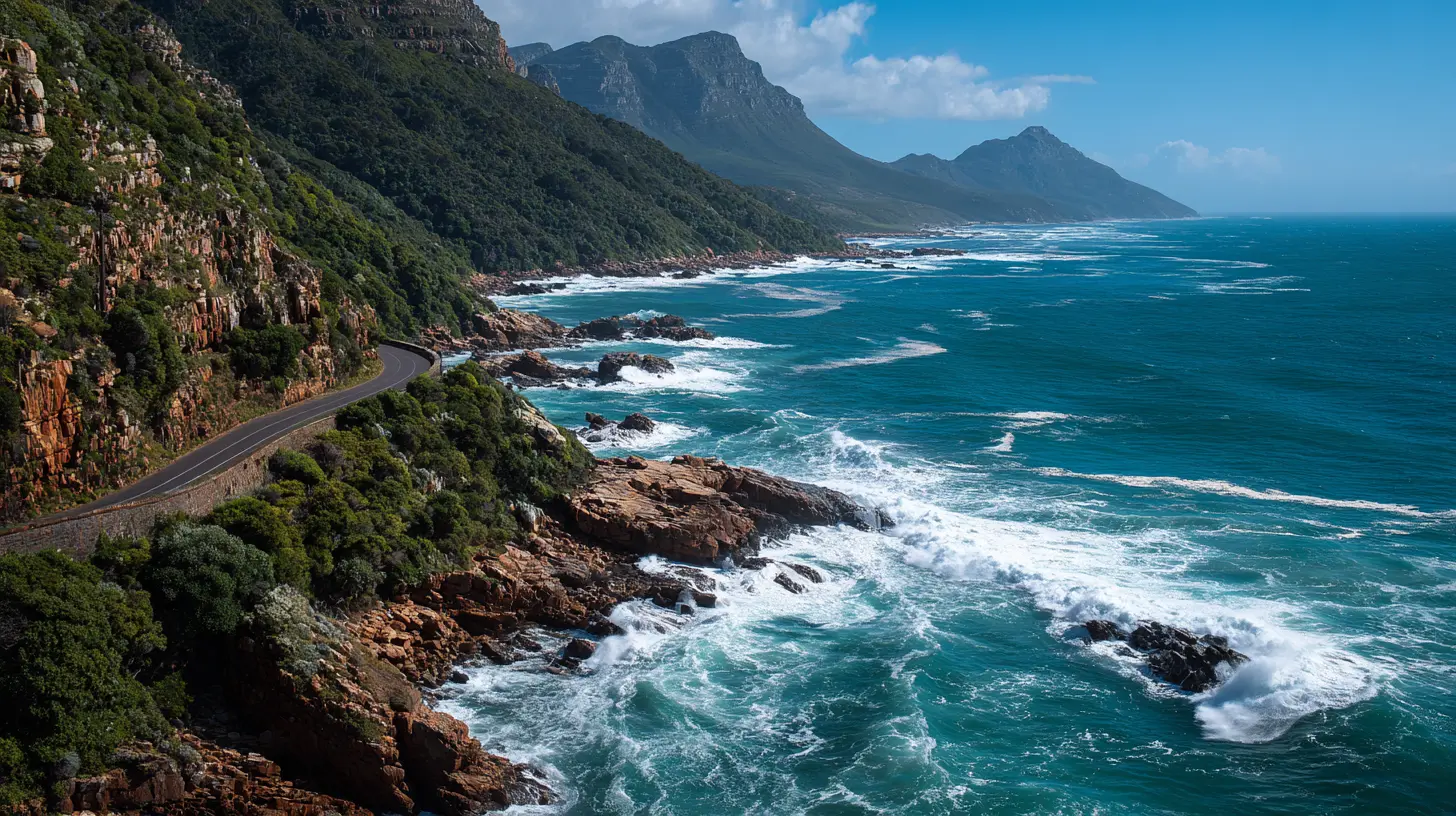
Step 3: The Overberg – Where the Road Gets Lonely (In a Good Way)
From Hermanus, skip the N2 and take the R43 through the Overberg region. This is where the Garden Route really starts to shine—rolling wheat fields, abandoned farmhouses, and roads that curve like a snake on a hot day. Stop at the town of Napier for a slice of boerewors roll (think South African sausage in a bun) from the local butcher. Then, push on to Cape Agulhas, the southernmost tip of Africa. By 2026, the lighthouse museum here will have a new interactive exhibit on shipwrecks—perfect for history nerds.The road from Agulhas to Mossel Bay is a straight shot, but don’t rush. Pull over at the De Hoop Nature Reserve for a chance to see bontebok (those antelope with white faces) and maybe a Cape mountain leopard if you’re lucky. The reserve’s vlei (wetlands) are a birder’s paradise, and by 2026, the eco-campsites will have solar showers. Roughing it has never felt so good.
Step 4: Mossel Bay – The Gateway to Adventure
Mossel Bay is where the Garden Route officially kicks into high gear. It’s a working harbor town that smells of fish and diesel, but don’t let that fool you—it’s a launchpad for adrenaline. By 2026, the Sky Trail (a zipline that runs over the bay) will be even longer, so you can scream your way across the ocean while seagulls laugh at you.But my favorite spot is the St. Blaize Trail, a 13-kilometer cliffside hike that hugs the coastline. It’s not for the faint of heart—the path is narrow and the wind will try to shove you into the sea—but the views of the endless blue are worth the sweat. Pack water, sunscreen, and a hat. The sun in the Western Cape is no joke; by 2026, UV levels might be even higher due to ozone depletion, so lather up.
After the hike, head to the Diaz Museum to see the Post Office Tree—a giant milkwood where sailors used to leave letters in a boot. It’s quirky, it’s old, and it’s a reminder that this route has been a highway for dreamers for centuries.
Step 5: The Wilderness – Kayaks, Canyons, and Quiet
A short drive east from Mossel Bay, you’ll hit the town of Wilderness. Don’t blink—you might miss it. But this is the heart of the Garden Route’s soul. The Wilderness National Park is a network of lakes, rivers, and forests that feels like a living, breathing organism. By 2026, new boardwalks will connect the main trails, making it easier to explore without trampling the fynbos.Rent a kayak at the Ebb & Flow rest camp and paddle up the Touw River. The water is dark and still, like tea, and the canopy overhead is so thick that sunlight dapples through like confetti. You’ll hear nothing but birdsong and the occasional splash of a fish. It’s meditative. If you’re feeling bold, hike to the Maple Grove Waterfall—a 12-meter cascade that’s perfect for a chilly dip. By 2026, the trail will have better signage, but still, wear sturdy shoes. The rocks are slippery, and nobody wants to twist an ankle in paradise.
Step 6: Knysna – The Oyster Capital (and So Much More)
Knysna is the crown jewel of the Garden Route, but it’s also a tourist trap if you let it be. The lagoon is stunning—those two sandstone heads (the Knysna Heads) guard the entrance like ancient sentinels—but the town center can be a circus of souvenir shops and overpriced seafood. So, here’s my advice: skip the waterfront and head to the Knysna Forest.This is the largest indigenous forest in South Africa, home to towering yellowwoods and elusive Knysna elephants (yes, they exist, but you probably won’t see them—they’re shy). Take the Jubilee Creek walk; it’s a gentle 2-kilometer loop that ends at a crystal-clear swimming hole. By 2026, the forest will have new picnic spots and composting toilets, so you can enjoy a sandwich without guilt.
For dinner, book a table at the Drydock Restaurant on Thesen Island. It’s not cheap, but their oysters are so fresh they practically jump off the shell. Pair them with a local sauvignon blanc, and you’ll understand why this town is famous.
Step 7: Plettenberg Bay – Beach Bum Heaven
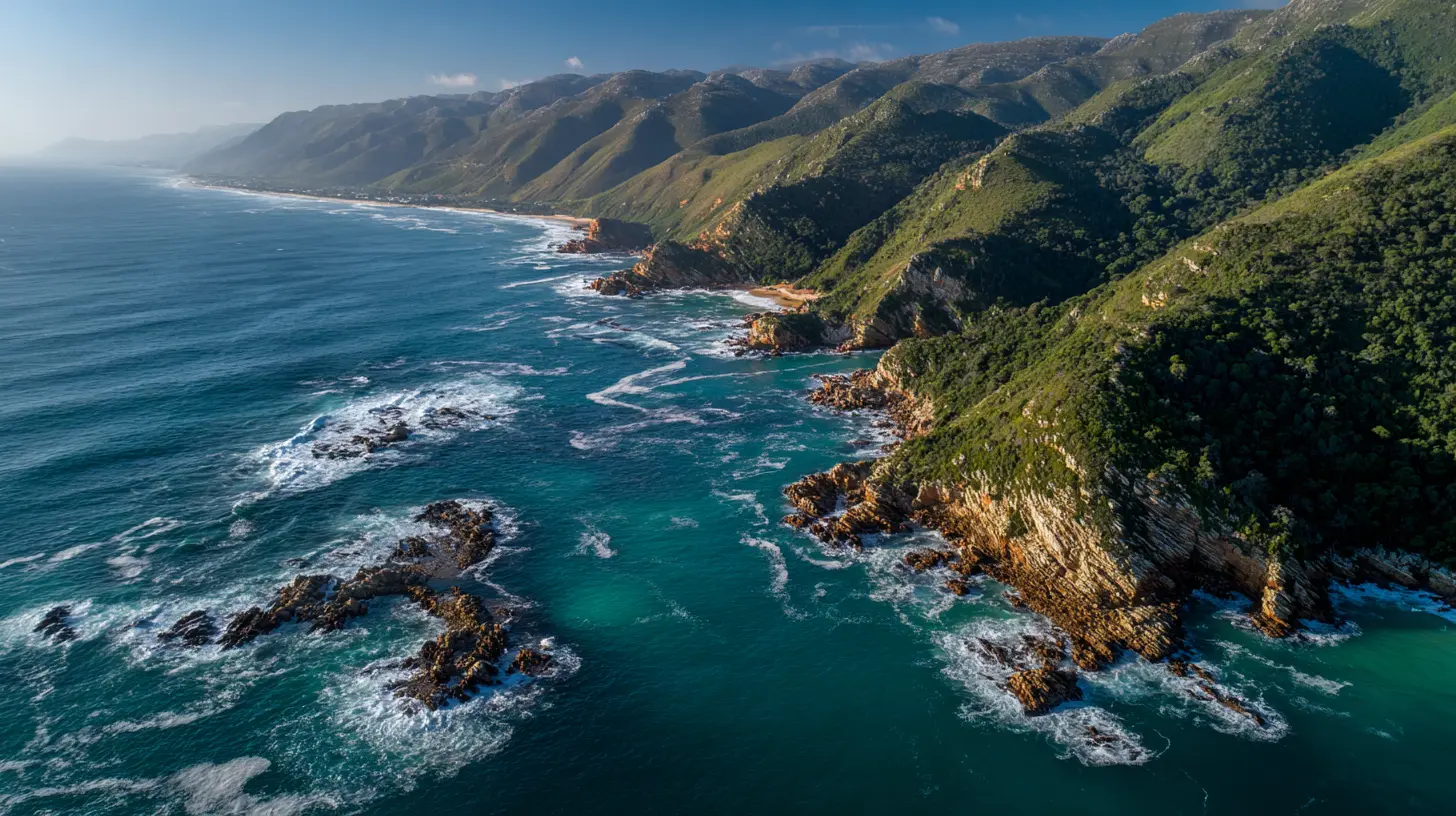
Just 30 kilometers east of Knysna, Plettenberg Bay (or “Plett” to locals) is where you come to do nothing. The beaches—Robberg, Central, and Lookout—are postcard-perfect: white sand, turquoise water, and waves that are gentle enough for beginners. By 2026, the Robberg Nature Reserve will have a new entry fee system (pre-book online to avoid queues), and the hike to the Cape Seal lighthouse will be even more stunning thanks to coastal restoration projects.But here’s the secret: skip the main beaches and head to Keurboomstrand. It’s quieter, the water is cleaner, and you can rent a SUP (stand-up paddleboard) for a few hundred rand. Paddle out at sunset, and the sky turns shades of orange and pink that look fake. It’s the kind of beauty that makes you forget your phone exists.
Step 8: The Tsitsikamma Section – Forests, Bungees, and Big Trees
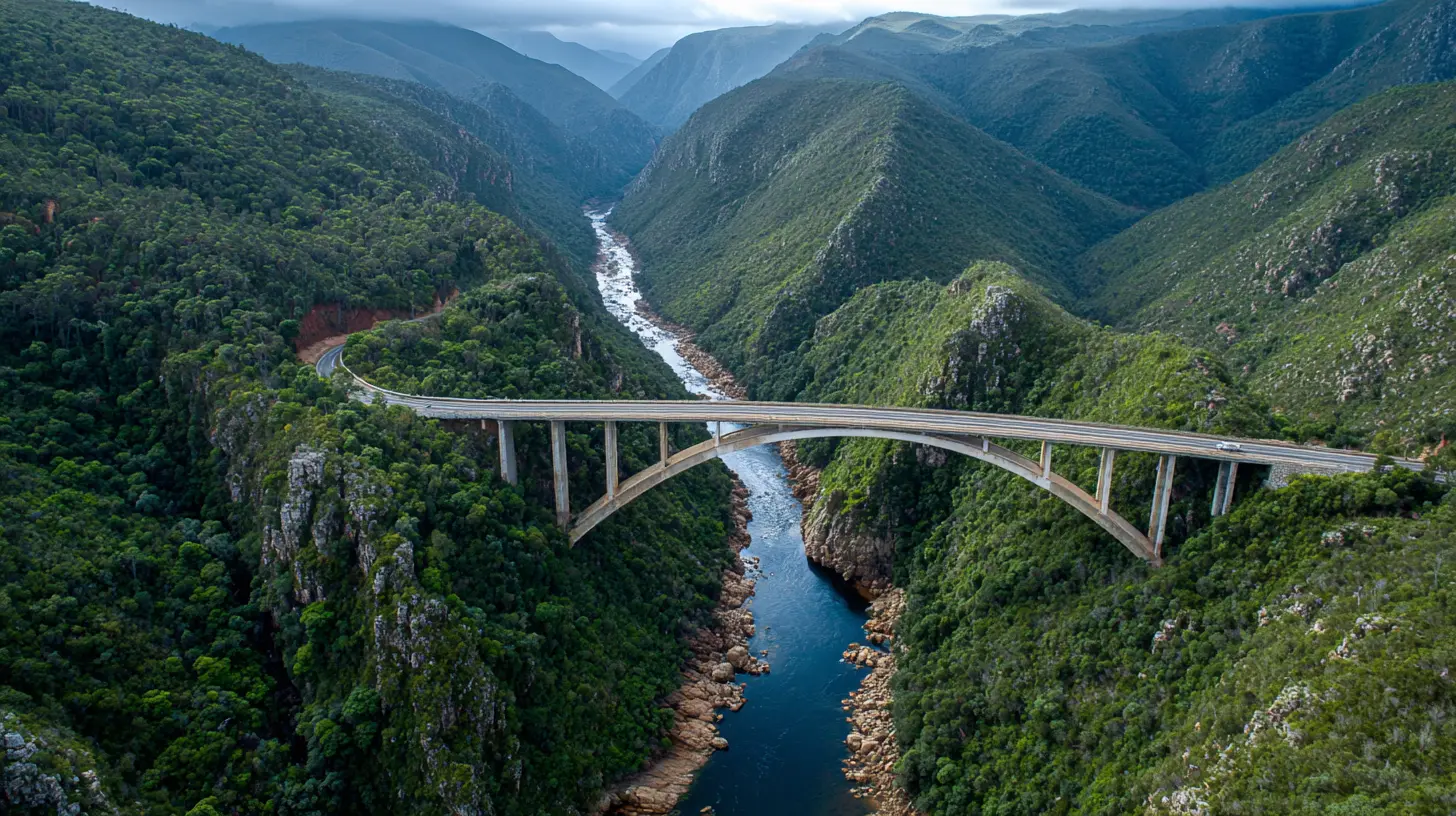
The final stretch of the Garden Route is the Tsitsikamma region, a name that means “place of much water” in the Khoisan language. And boy, does it deliver. The Tsitsikamma National Park is a coastal wonderland of ancient forests, waterfalls, and the famous Storms River Mouth. By 2026, the park will have new suspension bridges and viewing platforms, so you can walk over the river without getting wet.But the real thrill? The Bloukrans Bridge Bungee Jump. It’s the highest commercial bungee jump in the world at 216 meters. If you’re afraid of heights, this will cure you—or break you. I did it, and I screamed like a toddler, but the rush is addictive. By 2026, the operators will have upgraded the harness systems, so it’s safer than ever.
If bungeeing isn’t your jam, hike the Otter Trail instead. It’s a 5-day, 45-kilometer trek along the coast, and by 2026, the huts will have better beds and solar lighting. You’ll sleep to the sound of the ocean and wake up to baboons stealing your snacks. It’s wild, it’s raw, and it’s unforgettable.
Step 9: End in Port Elizabeth (Or Gqeberha, As It’s Now Called)
The Garden Route technically ends in Port Elizabeth (now renamed Gqeberha), a city that’s often overlooked. But don’t skip it. The Addo Elephant National Park is just an hour north, and by 2026, it will have new self-drive routes that let you see herds of elephants, lions, and even the elusive black rhino. It’s a fitting finale—a reminder that South Africa’s wild heart is still beating.Before you leave, grab a bunny chow (a hollowed-out loaf of bread filled with curry) from a local spot in the city center. It’s messy, it’s spicy, and it’s the best thing you’ll eat on the entire trip. Wash it down with a Castle Lager, and toast to the road behind you.
Practical Tips for 2026 Travelers
- Book early: By 2026, the Garden Route will be even more popular, so reserve accommodations 3-4 months in advance, especially for peak season (December and January).- Fuel up: Petrol stations can be sparse between towns, so fill up whenever you see one. Some stations in rural areas close early (by 7 PM), so plan your driving hours.
- Cash is king: While card payments are common, small towns like Barrydale and Calitzdorp still prefer cash for farm stalls and local markets.
- Stay connected: Buy a local SIM card (Vodacom or MTN have the best coverage) for around $10. You’ll need it for GPS—Google Maps works, but download offline maps just in case.
- Respect the wildlife: Don’t feed the baboons or ostriches. They’re not cute—they’re thieves with attitude. Keep your car locked and food hidden.
The Bottom Line
The Garden Route is more than a drive—it’s a slow-cooked experience that rewards patience. By 2026, it’ll be easier, greener, and slightly busier, but the magic won’t fade. You’ll taste salt on your lips from the ocean breeze, smell fynbos after a rain shower, and feel the sun on your skin like a warm blanket. So, pack your bags, rent that car, and hit the road. The Garden Route is waiting, and trust me, it’s worth every kilometer.
all images in this post were generated using AI tools
Category:
Iconic RoutesAuthor:

Claire Franklin
Discussion
rate this article
1 comments
Colette Howard
Exploring the Garden Route is a fantastic adventure. Embrace the stunning landscapes and unique experiences ahead. Your journey will be unforgettable! Safe travels!
May 9, 2026 at 4:31 AM