Living Like a Local: Sustainable Travel in Small Communities
6 June 2026
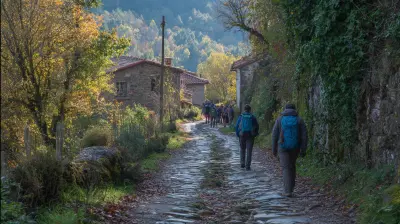
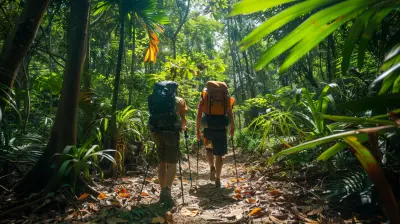
Ever dreamed of sipping coffee in a sleepy village café while chatting with locals or learning to cook traditional dishes with a family that’s been making them for generations? That’s the magic of living like a local—and when done right, it’s also one of the most powerful ways to travel responsibly and sustainably.
In today’s world, where mass tourism often overwhelms iconic cities and fragile ecosystems, small communities offer an authentic and enriching experience. But here’s the catch: how do we balance the joy of travel with the need to protect the places and people we visit?
Let’s dive into what it truly means to travel sustainably by embracing life in small communities.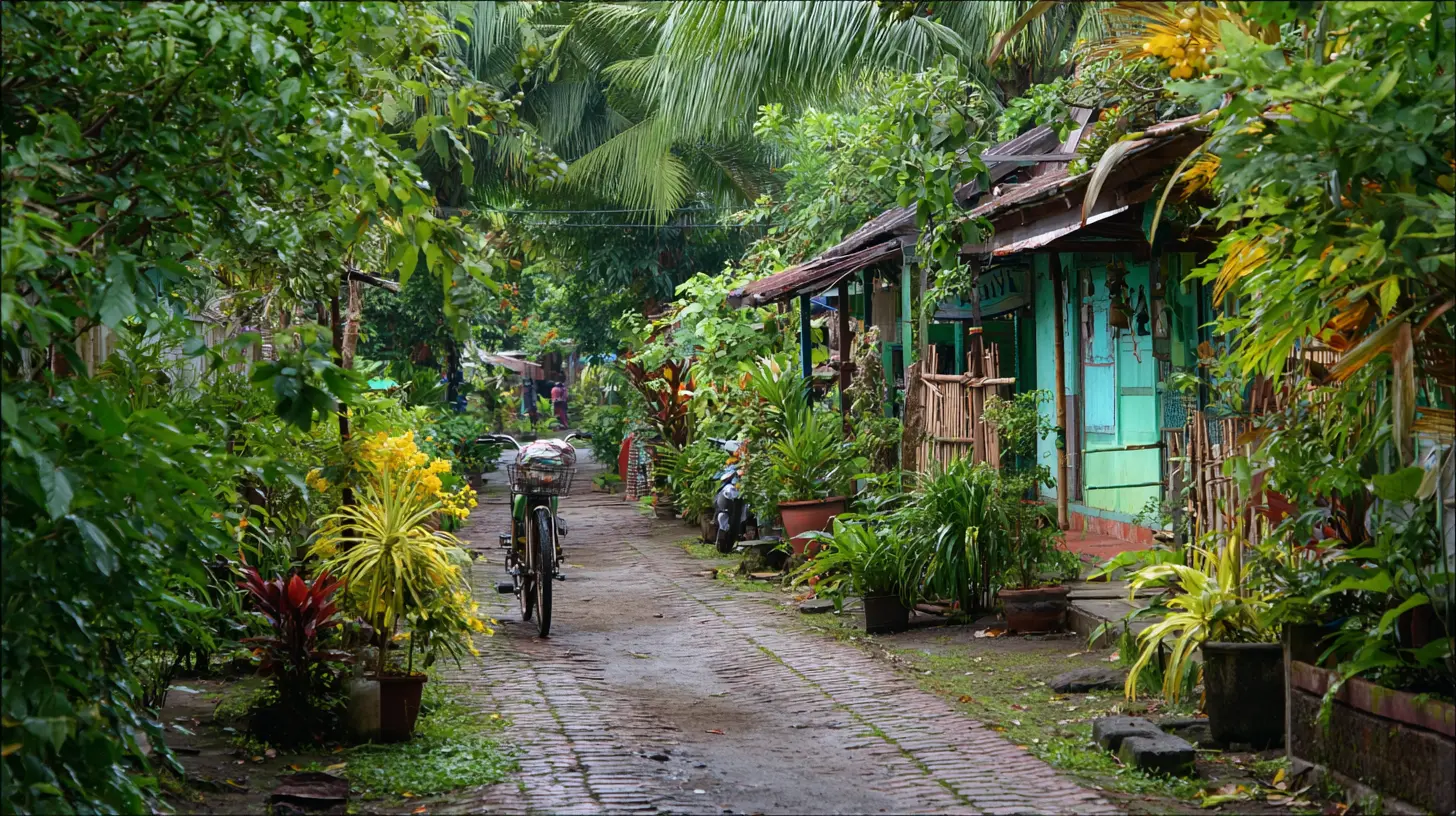
Why Sustainable Travel Matters More Than Ever
We’ve all seen the headlines: ancient cities drowning in tourists, natural wonders littered with trash, indigenous cultures commercialized beyond recognition. The tourism industry, though a massive economic driver, can bring unintended harm when left unchecked.Sustainable travel is the answer to this chaos. It’s not just about using a reusable water bottle or skipping plastic straws anymore. It’s a mindset—one that values thoughtful interaction, supports local economies, and preserves traditions.
When you choose to travel sustainably, especially in small communities, you become more than a tourist. You become a respectful guest, an eager learner, and an ally in preserving what makes these places so special.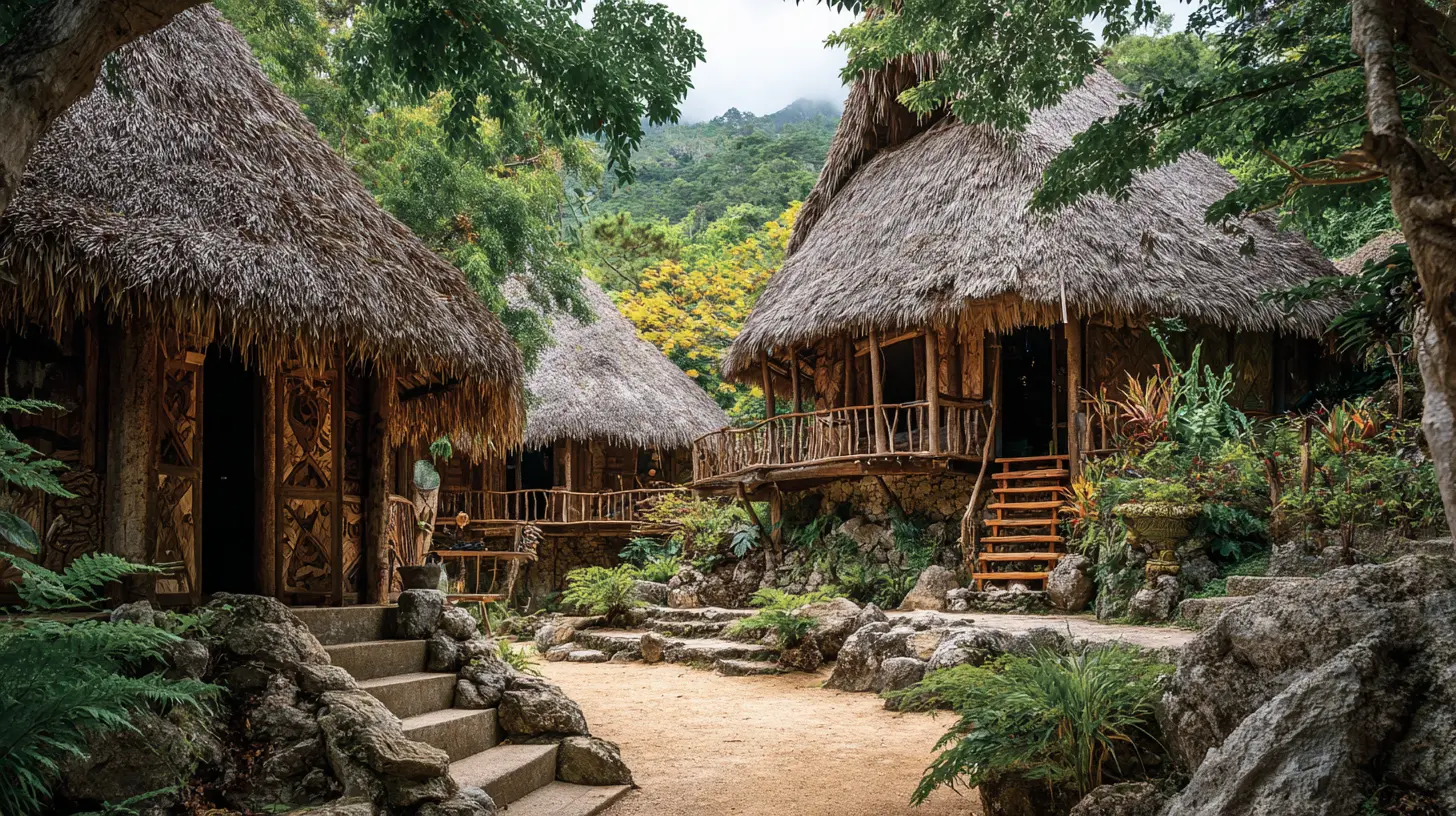
What Does “Living Like a Local” Really Mean?
Let’s get real—living like a local isn’t about playing dress-up or pretending you’ve been part of the town your whole life. It’s about slowing down, stepping off the beaten path, and becoming part of the everyday rhythm of a place.It means ditching the tourist traps and opting for:
- Local markets over big supermarkets
- Family-run guesthouses instead of chain hotels
- Community tours rather than commercial excursions
It’s soaking in the culture, not just snapping pictures of it. And when you do it in small towns or villages that thrive on personal relationships and tight-knit traditions? That’s where the magic happens.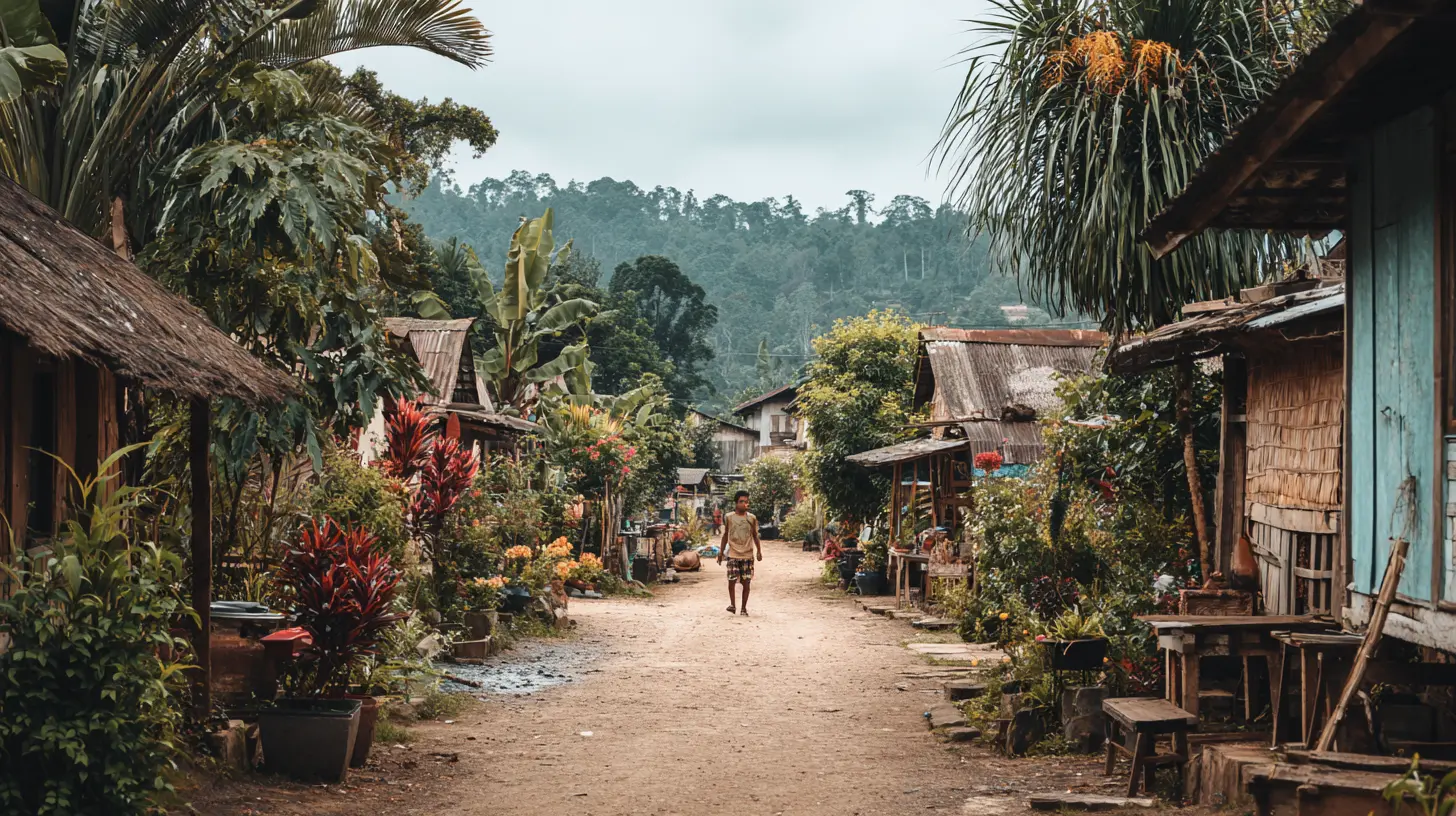
The Impact of Tourism on Small Communities (For Better or Worse)
Let’s not sugarcoat it. Tourism can be a double-edged sword for smaller communities. On one hand, it can bring jobs, infrastructure, and global recognition to places often overlooked.But on the flip side? It can lead to overcrowding, inflated prices, and erosion of cultural identity—especially when the influx of visitors outpaces a community’s ability to manage them.
So, what makes the difference? Responsible, intentional travel. That’s where we come in.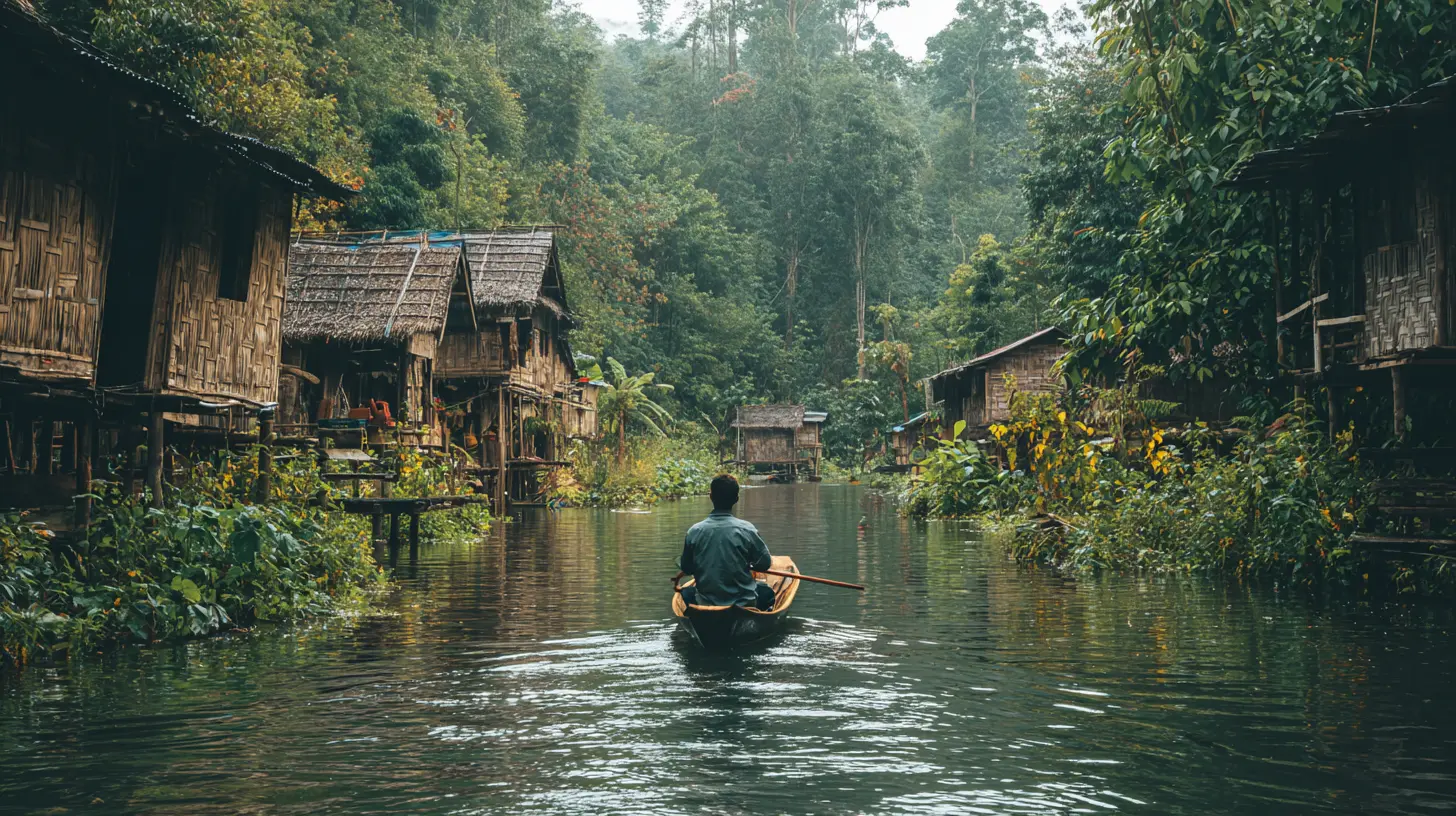
Ways to Support Small Communities Through Sustainable Travel
1. Stay Local, Spend Local
The easiest way to make your travel dollars count? Keep them in the community. Book local accommodations, eat in neighborhood cafés, and shop from artisans.By supporting local businesses, you’re helping families send their kids to school, maintain their homes, and preserve their way of life. It’s not charity—it’s a fair exchange.
2. Ditch Big-Ticket Attractions for Authentic Experiences
Sure, the big attractions look good on your Instagram feed, but real stories live in the quiet corners.Ever tried learning a traditional dance from a local elder? Or helping with a seasonal harvest? These moments may not be glamorous, but they’re soul-shaping.
Search out experiences that are rooted in the community’s traditions, not curated for mass consumption. Trust me—it’s way more fulfilling.
3. Learn the Language (Even Just a Little)
No one expects you to be fluent, but a few words go a long way.A simple “hello,” “thank you,” or attempt at ordering in the local language can open up doors (and hearts).
You’re not just showing respect; you’re signaling that you care enough to engage deeply.
4. Volunteer with Purpose, Not Pity
Voluntourism can be tricky. Done right, it’s wonderful. Done wrong, it’s harmful.If you're thinking of volunteering in a small community, make sure the organization is reputable, community-led, and genuinely benefits locals.
Avoid situations where volunteers replace local labor or where the work is designed more for photo-ops than impact.
5. Respect Cultural Norms and Traditions
This might seem obvious, but you'd be surprised how often travelers forget basic respect.Dress modestly where appropriate. Ask before taking photos. Learn about local customs and follow them, even if they’re unfamiliar or different from your norms.
Remember, you’re a guest. Act like one.
Real-Life Inspiration: Stories From the Ground
A Village in Northern Thailand
During a month-long stay in a hill tribe village in Chiang Rai, I learned more about sustainable living than any travel show ever taught me.I stayed with a family who harvested their own vegetables, spoke only limited English, and showed me how to make sticky rice the traditional way.
There were no tourist crowds, no souvenir shops—just connection, simplicity, and a deep sense of gratitude.
A Coastal Community in Portugal
In Portugal’s Alentejo region, I found a fishing village where tourism hadn’t yet taken over. I joined the locals for a morning catch, got schooled on sustainable fishing practices, and shared a bottle of wine over grilled sardines.It was more than a meal—it was a moment that lingered deep in my soul.
The Ripple Effect of Responsible Travel
You might be wondering—do these little things really make a difference?Absolutely.
Every time you choose to travel mindfully, you help shift the dynamic. You create demand for sustainable practices over exploitative ones. You support people instead of corporations. You build bridges instead of barriers.
And that’s the kind of ripple the world needs more of.
Challenges (Because Let’s Be Real, It’s Not Always Easy)
Living like a local sounds dreamy, but it comes with hurdles.- Language barriers can be frustrating
- Cultural misunderstandings can happen
- Slow travel sometimes feels... well, slow
But here’s the thing—real growth happens outside your comfort zone. Those awkward conversations and minor mishaps? They’re part of the journey. Embrace them.
Tips for Travelers Who Want to Go Deeper
Ready to take the plunge into meaningful, community-based travel? Here are a few quick tips:- Research before you go. Look for eco-lodges, local guides, and cultural exchanges.
- Ask locals for recommendations. Skip the review sites and go straight to the source.
- Live simply. Travel light, use less, and leave no trace.
- Practice patience. Things won’t always run on schedule—and that’s okay.
- Be present. Put your phone down. These memories are meant to be lived, not just documented.
Final Thoughts: It’s About Respect, Not Replication
Living like a local isn’t about becoming someone else. It’s about showing respect, slowing down, and finding beauty in the everyday.When you choose to travel sustainably in small communities, you're not just passing through—you’re helping protect what's sacred, support what’s local, and tell stories that matter.
So next time you plan a trip, think beyond the “must-see” list. Find a place where the coffee brews slowly, the people smile deeply, and the experience feels like coming home.
You’ll be surprised how much more meaningful travel becomes when you stop being a tourist—and start being human.
all images in this post were generated using AI tools
Category:
Eco TravelAuthor:

Claire Franklin