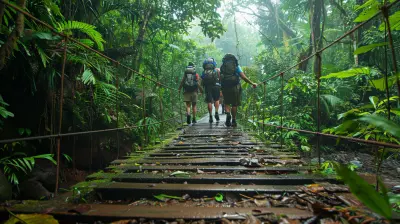
Walking the Camino de Santiago: Tips for 2027 Pilgrims
26 April 2026
Have you ever felt that nagging whisper in the back of your mind—the one that says, drop everything, strap on a pair of boots, and walk until your legs forget what a car feels like? No? Just me? Well, if you’re reading this, odds are you’ve already heard the call of the Camino de Santiago. That ancient network of pilgrimage routes winding across Europe toward the Cathedral of Santiago de Compostela in Spain isn’t just a hike—it’s a full-blown emotional, physical, and spiritual rollercoaster. And for 2027, the trail is calling louder than ever.
But here’s the thing: 2027 isn’t just another year on the calendar. It’s a Holy Year (or Año Santo), meaning the Feast of Saint James falls on a Sunday, and the Pilgrim’s Gate of the cathedral opens wide for special indulgences. Translation? The Camino will be packed—like, Times Square on New Year’s Eve packed. So if you’re planning to walk the Camino de Santiago in 2027, you need more than just a good pair of socks. You need strategy, savvy, and a dash of stubborn optimism.
Let’s dive into the nitty-gritty, the weird, the wonderful, and the absolutely essential tips for 2027 pilgrims. Grab your metaphorical walking stick; we’ve got miles to cover.
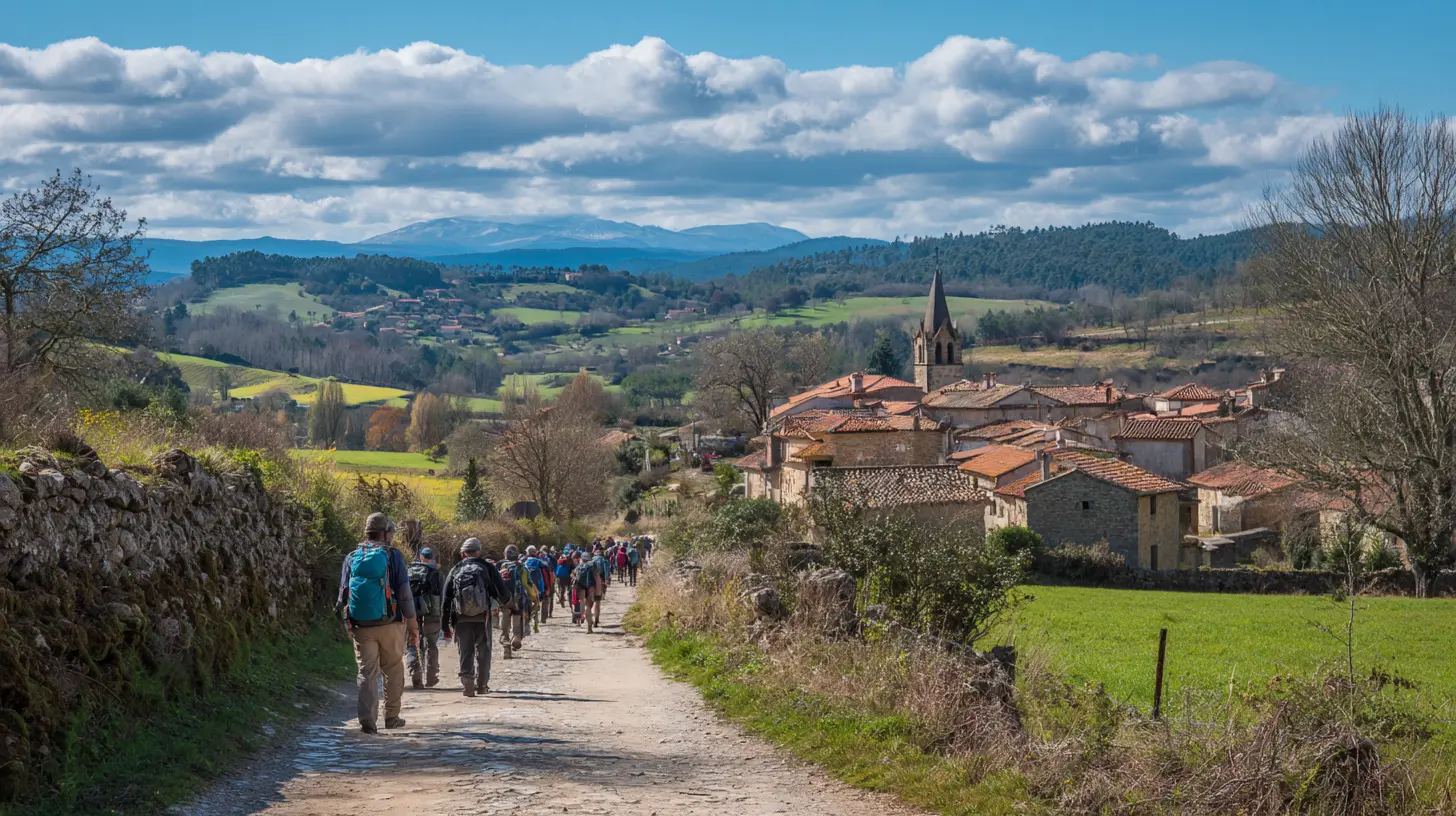
Why 2027 Is a Big Deal (Beyond the Obvious)
First, let’s talk about the elephant in the cathedral: the Holy Year. The last one was 2021, and it was a weird, pandemic-shadowed affair. 2027, however, is shaping up to be a post-pandemic, full-throttle celebration. The Spanish government is already prepping infrastructure, and local towns are polishing their albergues (pilgrim hostels) like they’re expecting royalty. But here’s the catch: more pilgrims mean more competition for beds, more crowded trails, and more of that “I’m in a conga line of backpacks” feeling.But don’t let that scare you off. A Holy Year is also electric with energy. You’ll meet people from every corner of the globe, hear languages you’ve never encountered, and share meals that taste like communion. The vibe is less “solitary monk” and more “global block party with blisters.” So, how do you survive—and thrive—in this chaos? Let’s break it down.
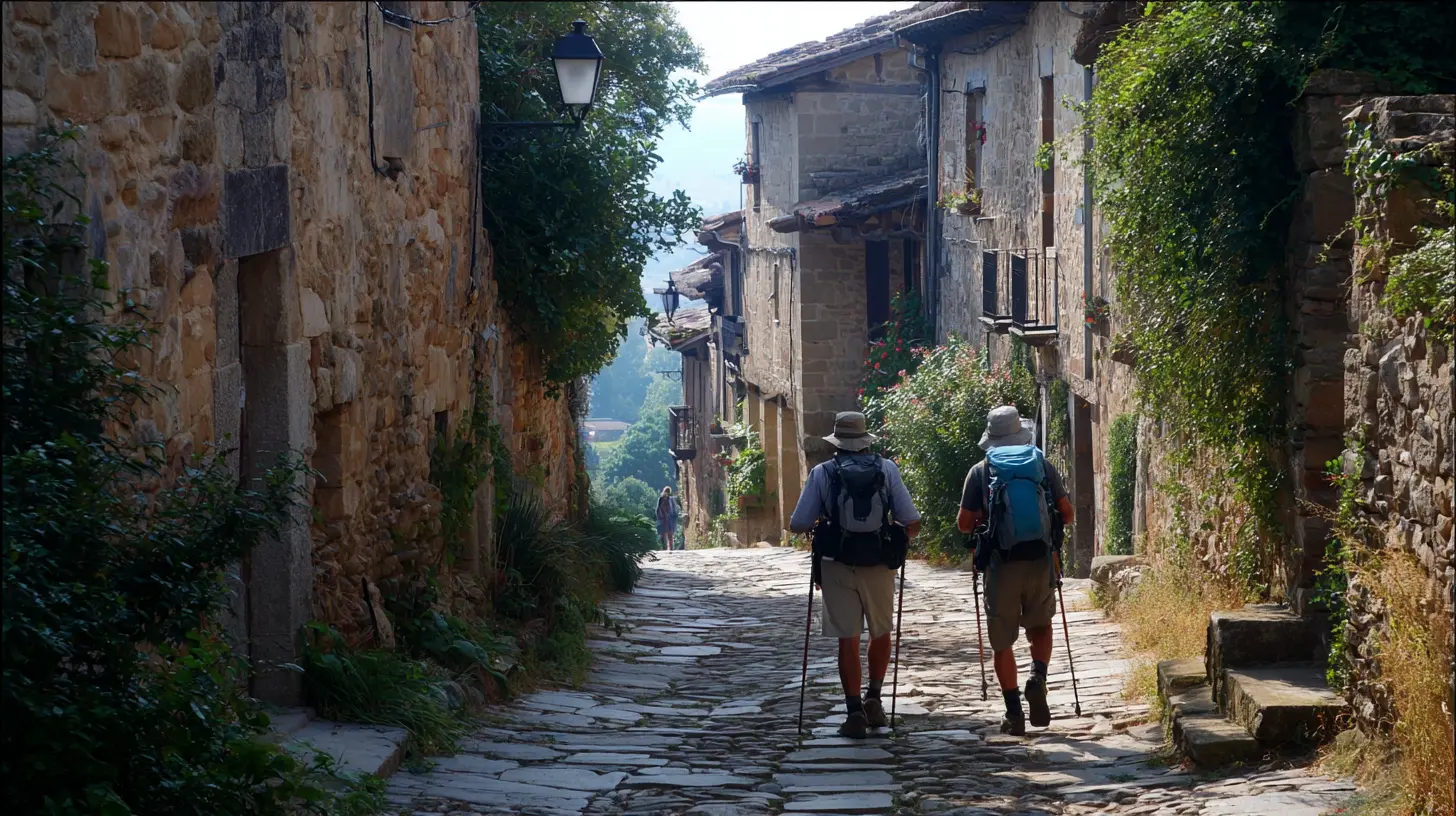
Choosing Your Route: The French Way vs. The Underdog
The Camino isn’t a single trail; it’s a spiderweb of paths. The most famous is the Camino Francés (French Way), which starts in Saint-Jean-Pied-de-Port, France, and snakes 780 kilometers across northern Spain. It’s the classic, the movie star, the one everyone posts on Instagram. But in 2027, it’ll be the equivalent of a sold-out concert. Expect long lines for coffee, snoring in bunk beds, and the occasional “Buen Camino!” shouted in your ear at 6 a.m.If you want a quieter experience, consider the Camino del Norte (Northern Way). It hugs the rugged coast of the Bay of Biscay, serving up dramatic cliffs, seafood that’ll make your taste buds weep, and fewer pilgrims. Or go for the Camino Primitivo—the oldest route, starting in Oviedo, which is harder but rewards you with jaw-dropping mountain views and a sense of “I earned this.”
Pro tip for 2027: If you’re set on the French Way, start early—like, mid-April early—or late September. Avoid July and August unless you enjoy walking in a human river. And if you’re feeling adventurous, walk a lesser-known route like the Via de la Plata (from Seville) or the Portuguese Coastal Way. You’ll still get the Compostela certificate, but you’ll also get silence, solitude, and the chance to hear your own thoughts.
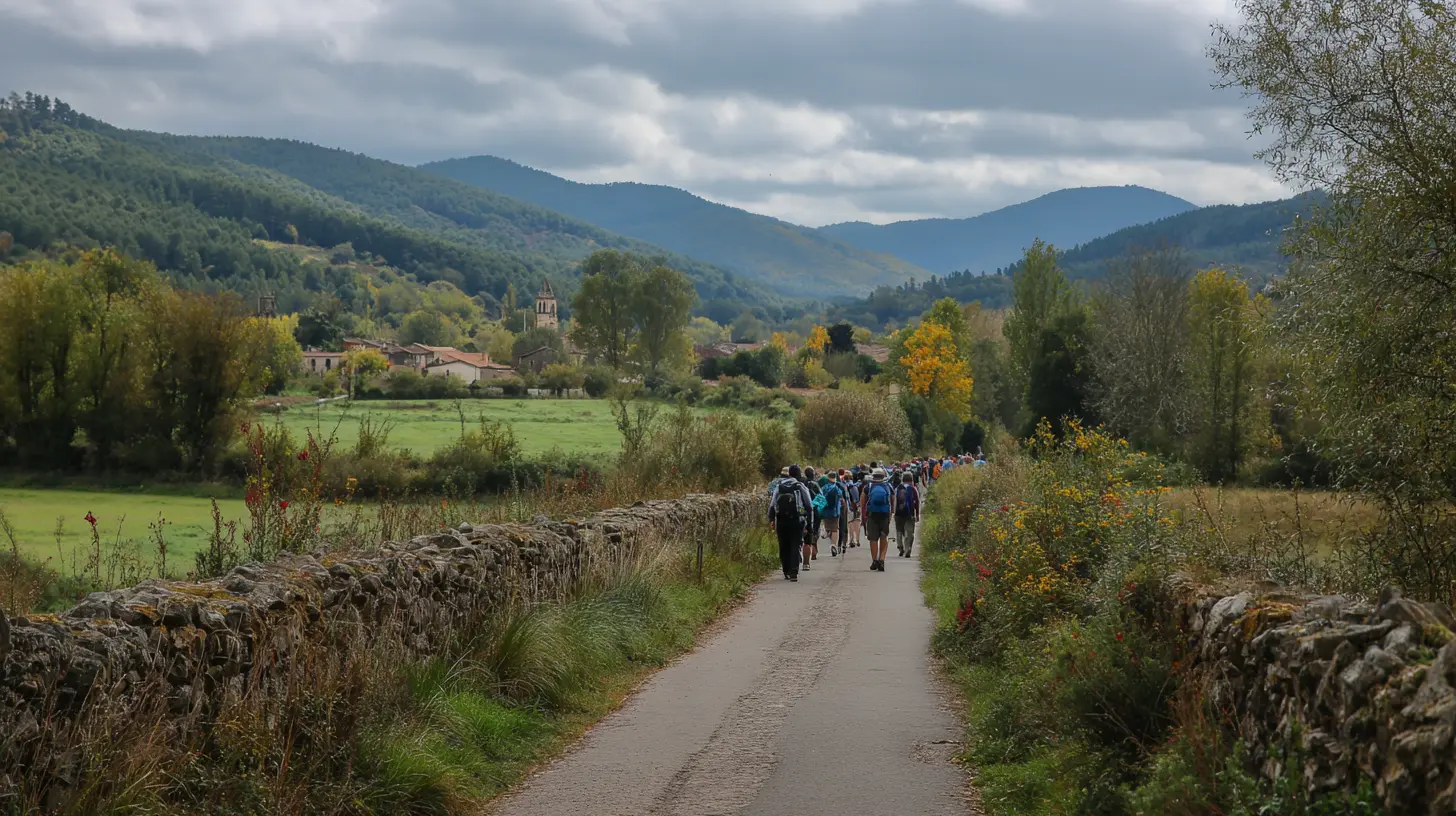
Packing: The Art of Controlled Hoarding
Here’s a truth bomb: you will overpack. I don’t care how many YouTube videos you watch. You’ll stuff that backpack with “just in case” items—a second pair of jeans, a hair dryer, a book about the history of Galicia. And then, on Day 3, you’ll be cursing your past self while your shoulders scream in protest.The golden rule: Your pack should weigh no more than 10% of your body weight. For a 70-kilogram person, that’s 7 kilos (15 pounds). Including water. Yes, it’s brutal. But your back will thank you.
Non-Negotiable Items for 2027
- Footwear: Invest in trail runners or lightweight hiking shoes. Heavy boots are overkill unless you’re walking through snow. And break them in for at least three weeks before you go. Blisters are the Camino’s favorite souvenir, and they’re not cute.- Socks: Wool or synthetic blend. Bring three pairs. Rotate them. Wash one pair in a sink every night. Yes, you’ll be that person dangling socks from your backpack.
- Rain gear: Galicia (the final region) is basically a rain forest. A poncho is better than a rain jacket because it covers your pack too. In 2027, with climate change making weather weird, expect anything from hailstorms to heatwaves.
- A good sleep sack: Many albergues provide blankets, but they’re often… fragrant. A lightweight silk or cotton sleep sack saves you from itchy nights.
- Electronics: A power bank is essential. Albergue outlets are rare, and everyone fights over them like it’s Black Friday. Also, download maps offline—cell service vanishes in the mountains.
What to leave behind: A hair dryer, multiple books (read on your phone), “just in case” formal clothes, and that giant first-aid kit you bought. You can buy ibuprofen and bandages in every village.
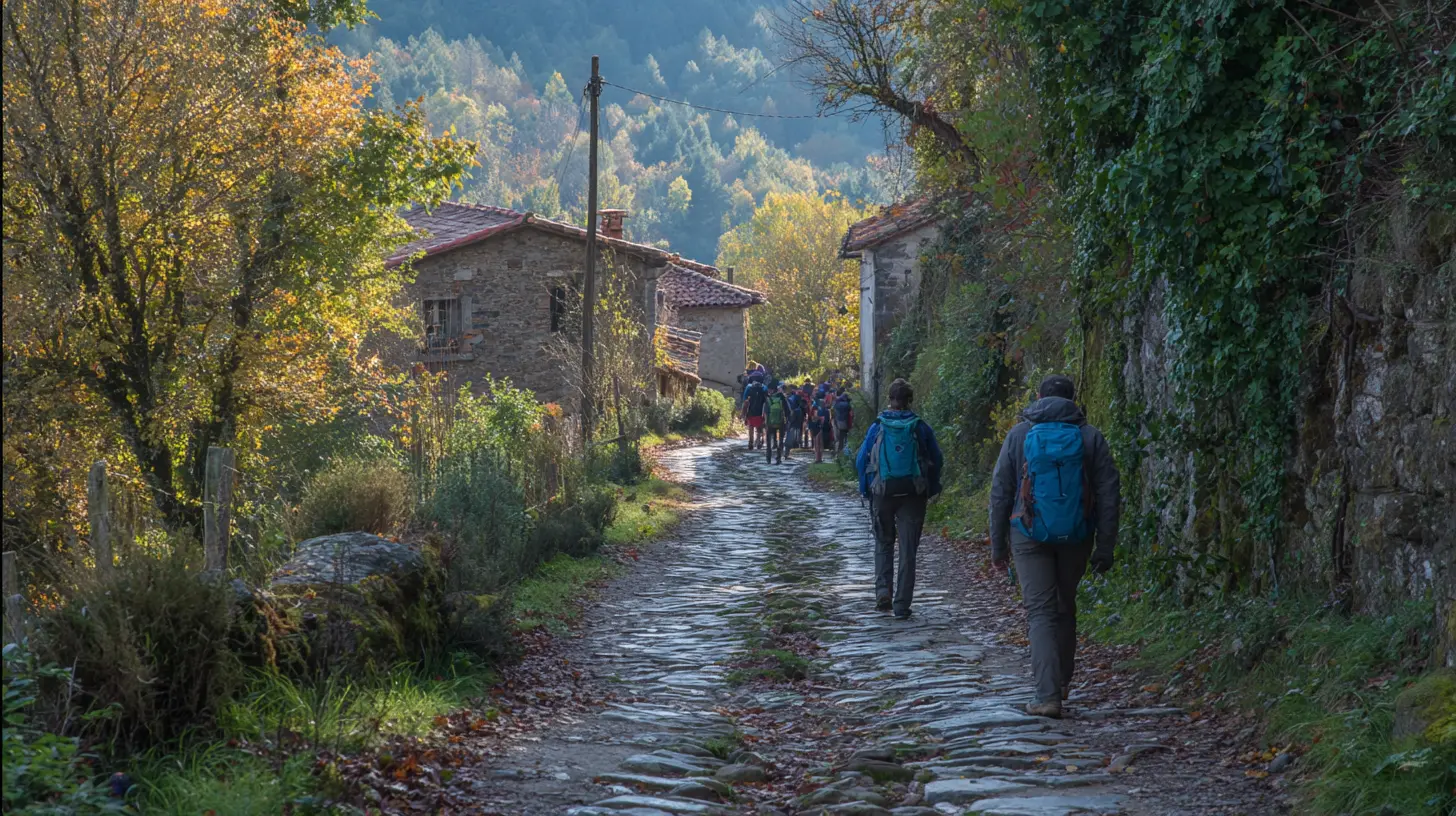
Accommodation: Booking vs. Spontaneity
In non-Holy Years, you can wing it—show up at an albergue, grab a bunk, and make friends. In 2027, that’s a recipe for sleeping under a bridge. Seriously. The municipal albergues (cheap, basic, run by local governments) fill up by noon. Private albergues and hostels are slightly better, but they also get packed.My advice: Book your first three nights in advance. That gives you a buffer to adjust your rhythm. After that, you can play it by ear—but always call ahead by 2 p.m. to reserve a spot. Use apps like Wise Pilgrim or Buen Camino to check availability. And consider staying in pensiones (guesthouses) or casas rurales (country houses) once a week for a shower that doesn’t involve flip-flops.
The secret weapon: In 2027, some albergues will require reservations months in advance, especially on the French Way. Look into “Camino-friendly” booking platforms like Gronze.com or CaminoWays.com. Yes, it costs a bit more, but peace of mind is priceless.
The Physical Grind: Blisters, Tendons, and the Wall
Let’s be real: walking 20–30 kilometers a day for weeks is hard. Your body will rebel. You’ll get blisters that look like grapes. Your knees will creak like an old door. And around Day 5, you’ll hit “The Wall”—a mental barrier where you question every life choice that led you here.How to survive:
- Train beforehand: Walk 10–15 km with a loaded pack three times a week for at least two months. And do squats. Your glutes will hate you, but they’ll save your knees.
- Listen to your body: If you feel a hot spot on your foot, stop. Apply moleskin immediately. “Walking it off” is a myth; you’ll just make it worse.
- Take rest days: Pamplona, Burgos, León—these cities are gorgeous. Spend a day exploring instead of walking. Your feet aren’t machines; they’re more like grumpy toddlers that need a nap.
- Hydrate and fuel: Drink water before you’re thirsty. Eat protein and carbs at every meal. The Camino diet is heavy on bread, wine, and pork—but you need vegetables. Seek out salads and fruit. Your gut will thank you.
The Mental Game: Loneliness, Joy, and the Unexpected
Here’s something nobody tells you: the Camino is boring. Not all the time, but there are hours of walking through wheat fields or monotonous forests where your brain starts to itch. You’ll have conversations with yourself that go nowhere. You’ll wonder why you’re doing this. And then, a stranger will hand you a piece of fruit, or you’ll crest a hill and see a medieval village, and you’ll cry. Yes, cry. It happens.Embrace the rhythm: The Camino is a meditation on feet. One step, then another. You’ll learn to find joy in small things: the perfect temperature of a fountain, the sound of wind in eucalyptus trees, the taste of a cold beer after 25 km. In 2027, with so many people around, you might crave solitude. That’s okay. Walk slower. Let others pass. The Camino isn’t a race; it’s a slow dance with the earth.
The social paradox: You’ll meet incredible people—a retired teacher from Australia, a student from Korea, a couple from Brazil who argue about directions. You’ll share meals and stories. But you’ll also feel lonely in crowds. That’s normal. The Camino reflects whatever you bring to it. If you’re open, it’ll fill you up. If you’re guarded, it’ll feel hollow.
Navigating the 2027 Crowds: Survival Tactics
Okay, let’s tackle the elephant again. In Holy Years, the number of pilgrims can spike by 50% or more. On the French Way, you might encounter queues for the bathroom, traffic jams on narrow paths, and the feeling that you’re in a pilgrimage-themed theme park.How to handle it:
- Walk early: Start at 5:30 or 6 a.m. You’ll beat the heat and the crowds. Plus, sunrise on the Camino is a spiritual experience.
- Take alternate routes: The French Way has “variants” that bypass busy towns. For example, the Route of the Forgotten near Burgos is quieter. Or skip the last 100 km (where most people start) and walk the Camino Inglés or Camino Finisterre instead.
- Book ahead: I can’t stress this enough. In 2027, “walking without a plan” is like going to a concert without a ticket. You might get in, but you’ll be standing in the back.
- Embrace the chaos: Some of the best memories come from crowded albergues—shared laughter, impromptu guitar sessions, and the camaraderie of “we’re all in this together.” Don’t fight it; lean into it.
The Compostela: Your Ticket to Glory
At the end, you’ll arrive in Santiago de Compostela. The cathedral’s botafumeiro (a giant incense burner) swings overhead. Pilgrims hug, cry, and collapse on the plaza. You’ll get your Compostela—a certificate written in Latin that proves you walked at least 100 km (or biked 200 km). It’s a piece of paper, but it feels like a medal.Pro tip: To get the Compostela, you need a credencial (pilgrim passport) stamped twice a day. Don’t lose it. And don’t cheat by taking a bus—the cathedral office checks mileage. You’ll know you earned it when your feet ache and your heart is full.
Final Thoughts: Why 2027 Will Change You
Walking the Camino de Santiago in 2027 isn’t just a vacation; it’s a pilgrimage in the truest sense. You’ll arrive as one person and leave as another—scruffier, yes, but also lighter. The trail strips away your ego, your excuses, your need for control. You’ll learn that you’re stronger than you think, that strangers can become family, and that the journey matters more than the destination.But here’s the kicker: you don’t have to be religious. You don’t have to be fit. You don’t even have to be sure why you’re going. The Camino accepts everyone—the lost, the broken, the curious, the joyful. It’s a mirror, a teacher, a friend.
So, will you answer the call? Pack your bag, book your flight, and start walking. The year 2027 is waiting, and the Camino is ready to write a story you’ll tell for the rest of your life.
Buen Camino!
all images in this post were generated using AI tools
Category:
Iconic RoutesAuthor:

Claire Franklin
Discussion
rate this article
2 comments
Noah Nguyen
Embrace the journey, not just the destination! The Camino is a transformative experience. Forget the doubts—pack your spirit, and dive into the adventure. Your pilgrimage starts now!
April 28, 2026 at 4:10 AM
Amber Anderson
Happy trails ahead! Enjoy your journey!
April 27, 2026 at 5:04 AM
Claire Franklin
Thank you! Buen Camino—may your 2027 journey be just as memorable.