The Perfect Months to Explore Kyoto's Temples
3 December 2025
Kyoto, Japan’s historic heart, is home to over 1,600 temples, each offering breathtaking architecture, serene gardens, and a deep sense of spirituality. But here’s the thing—timing is everything. The experience of exploring Kyoto's temples changes dramatically depending on the season. Want to stroll through vibrant maple trees? Or maybe witness delicate cherry blossoms framing ancient pagodas?
In this guide, we’ll break down the best months to visit Kyoto’s temples so you can make the most of your trip! 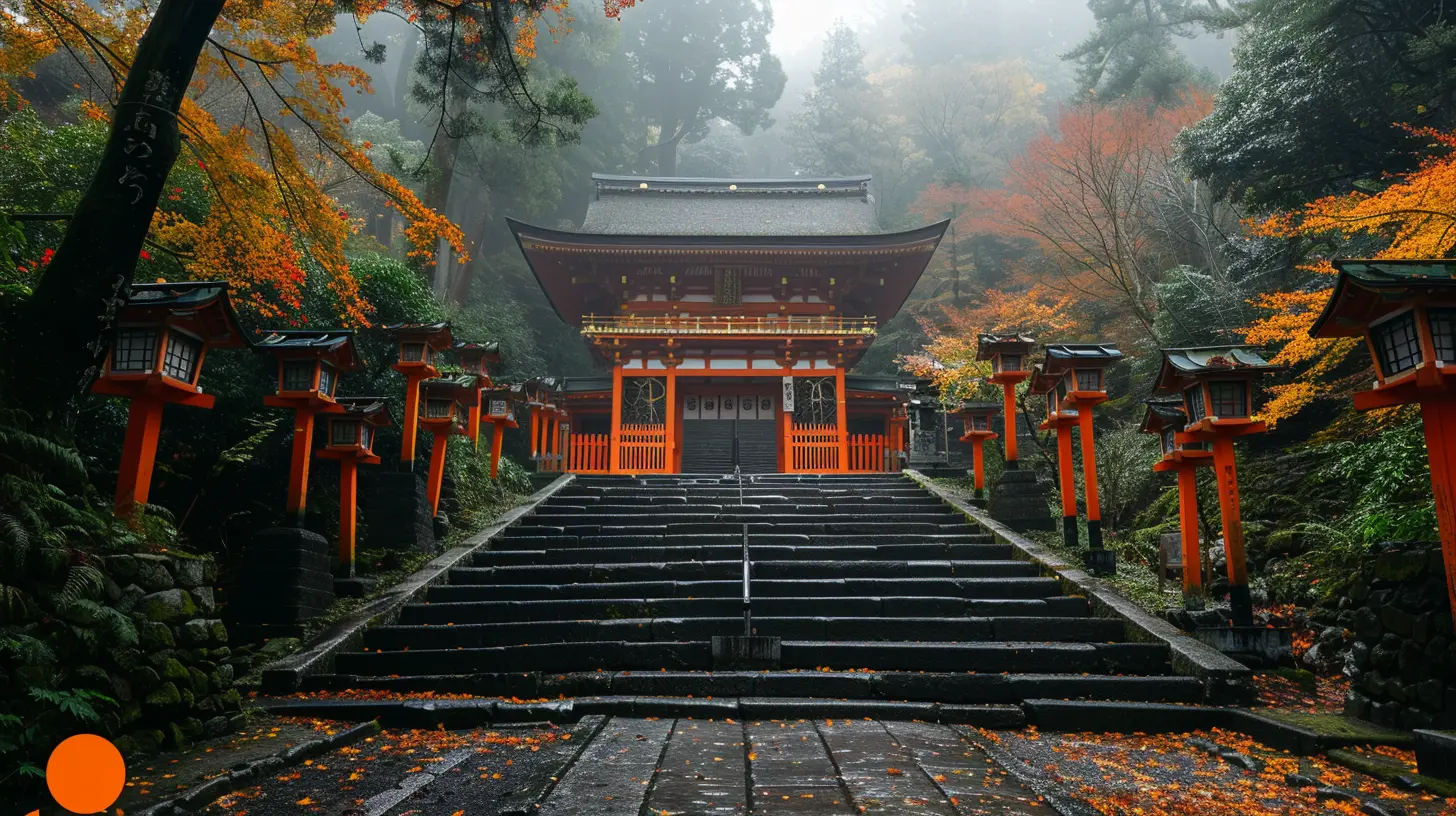
Why Timing Matters When Visiting Kyoto’s Temples
Kyoto is magical year-round, but the city truly transforms with the seasons. Spring bursts with cherry blossoms, summer brings lush greenery, autumn ignites with fiery foliage, and winter wraps temples in a peaceful, snowy hush.By choosing the right time to visit, you'll not only enjoy breathtaking views but also avoid peak tourist crowds, ensuring a more peaceful and spiritual experience. Let’s dive into the best months to explore Kyoto’s legendary temples! 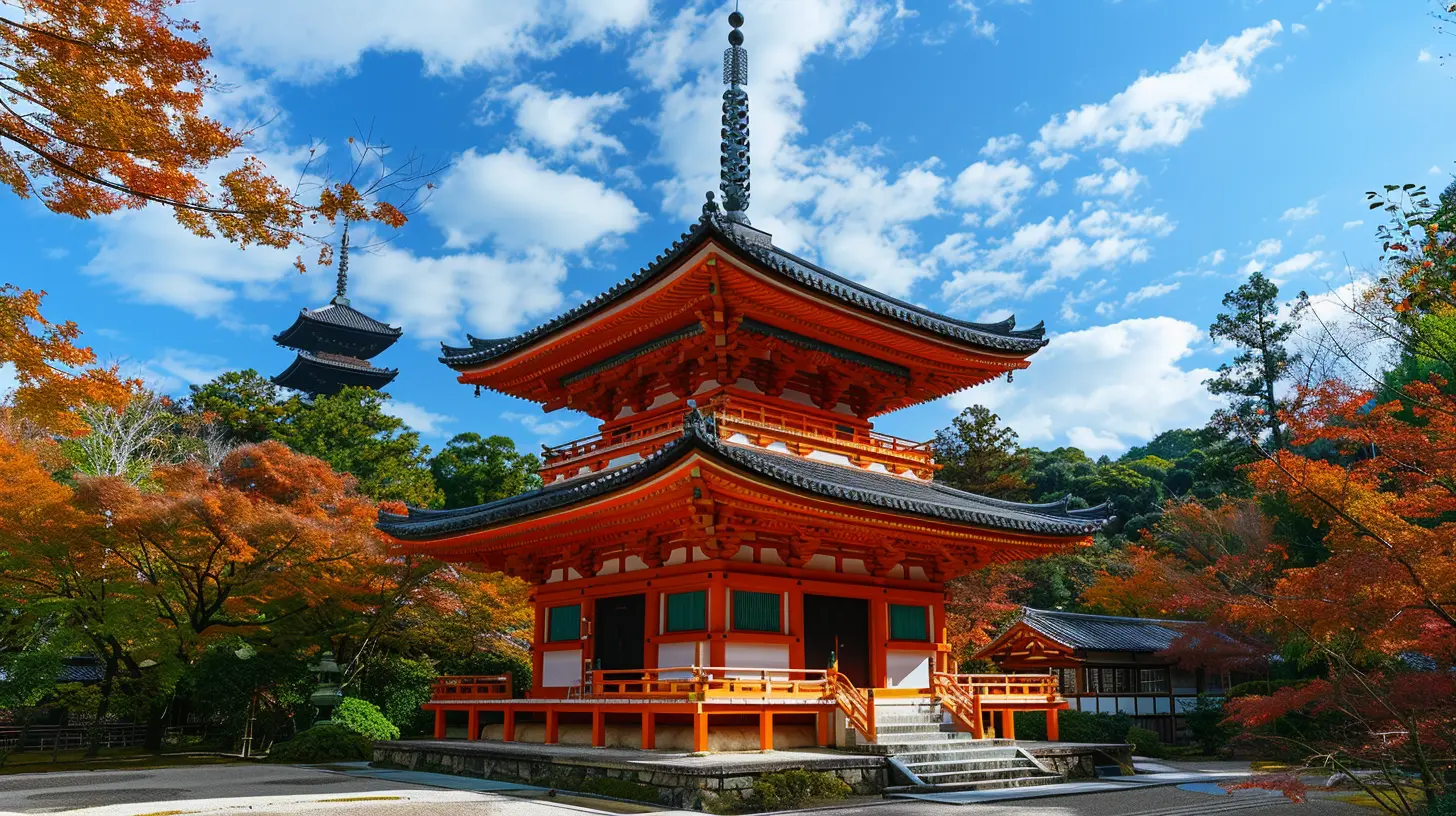
Spring (March - May): Cherry Blossom Wonderland
Best Months: Late March to Early April
If you’ve ever seen a picture of Kyoto with pink cherry blossoms surrounding an ancient temple, this is the time of year it was taken. Spring in Kyoto is absolutely mesmerizing, and the temples are the perfect backdrop for the famous sakura (cherry blossoms).Top Temples to Visit in Spring:
- Kiyomizu-dera – Offers one of the most stunning cherry blossom views in the city. The temple’s wooden stage gives you a panoramic view of the sea of pink.- Tofuku-ji – Famous for its Zen gardens, the cherry blossoms here add a delicate touch to the peaceful surroundings.
- Ryoan-ji – Known for its rock garden, visiting in spring means seeing a mix of cherry blossoms and fresh green leaves.
Why Visit in Spring?
- Perfect weather: Mild temperatures (10-20°C)- Picturesque scenery: Cherry blossoms frame ancient temples beautifully
- Cultural experience: The famous hanami (flower viewing) season is in full swing
💡 Pro Tip: Visit temples early in the morning to avoid the tourist rush and have a truly Zen moment. 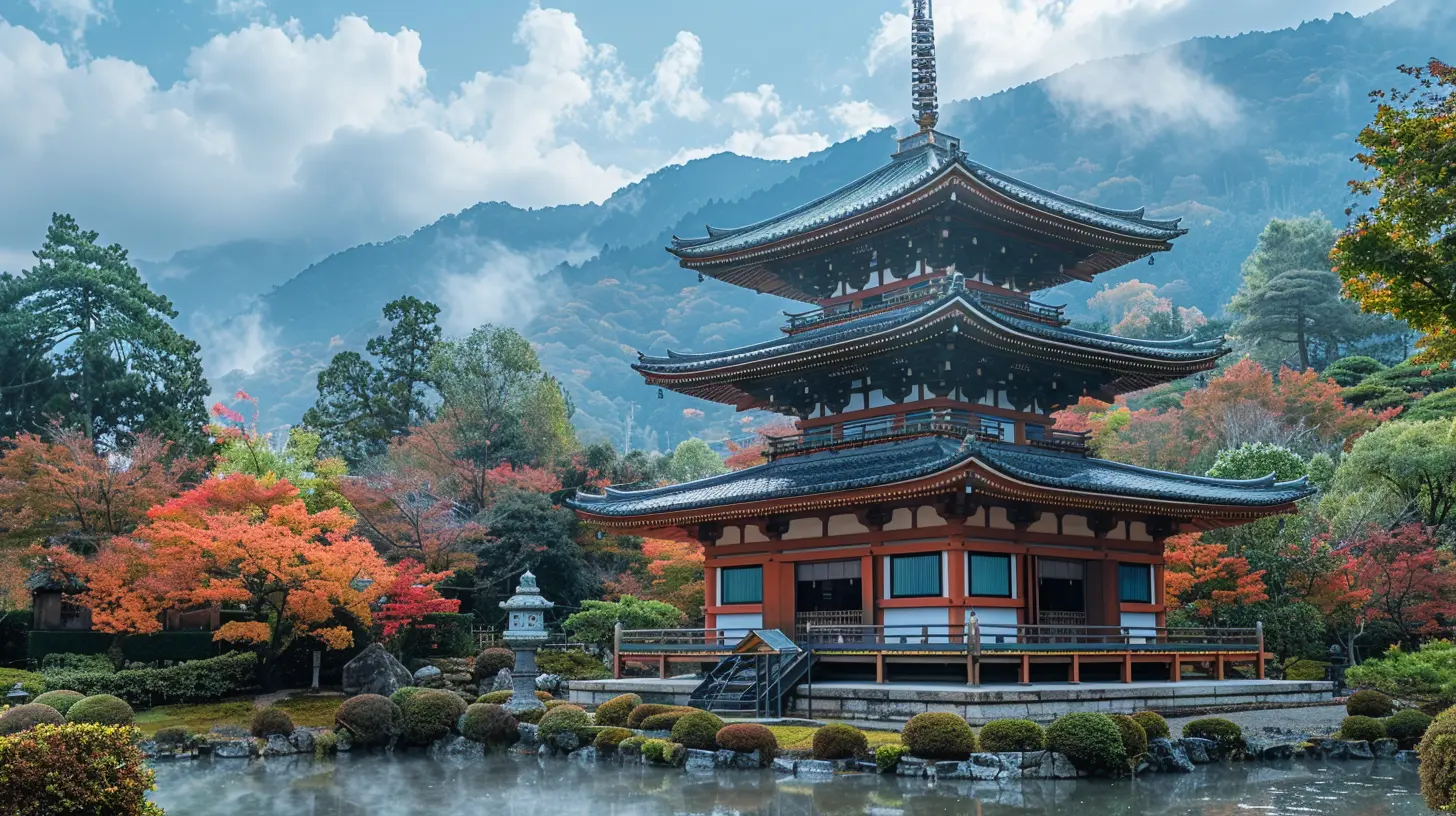
Summer (June - August): Tranquility Amidst Lush Greenery
Best Months: June (Early Summer) & Late August
Summer in Kyoto can be hot and humid, with temperatures reaching up to 35°C (95°F). But if you can handle the heat, Kyoto’s temples take on a lush, almost mystical vibe with deep green moss, blooming lotus flowers, and fewer crowds.Top Temples to Visit in Summer:
- Kinkaku-ji (Golden Pavilion) – The golden reflection of the temple on the water, surrounded by deep green trees, is simply breathtaking.- Sanjusangendo – A great indoor temple to escape the heat, housing 1,001 statues of Kannon (the goddess of mercy).
- Eikando Temple – Famous for its gardens, which look stunning under the summer sunlight.
Why Visit in Summer?
- Fewer crowds: Many tourists avoid summer, meaning more peaceful temple visits- Vibrant scenery: Lush greenery & lotus flowers bloom in temple ponds
- Unique experience: Kyoto hosts Gion Matsuri, one of Japan’s biggest summer festivals
💡 Pro Tip: Visit temples early in the morning or late in the afternoon to avoid the intense midday heat. Also, bring a fan and plenty of water! 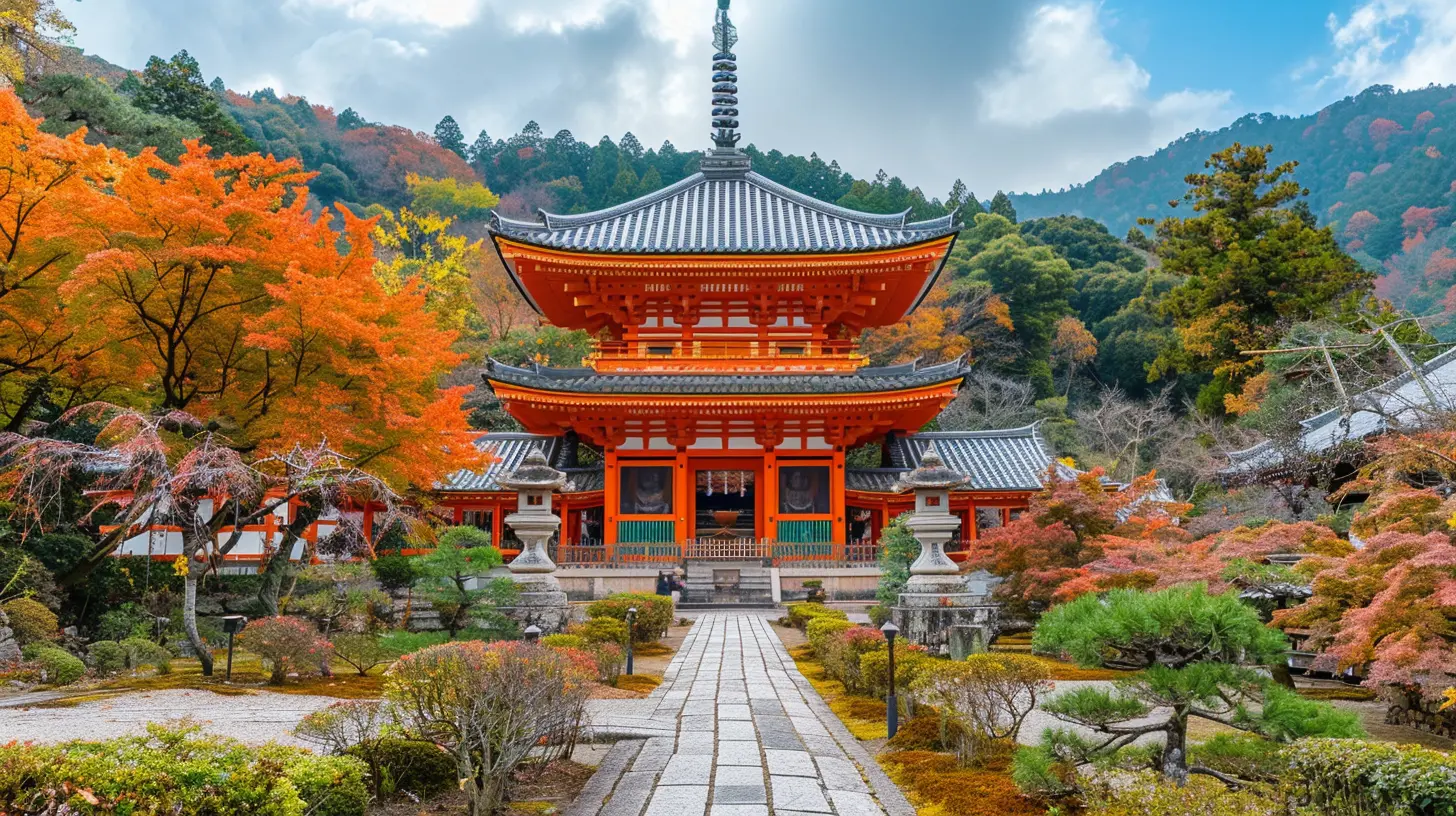
Autumn (September - November): A Fiery Red Paradise
Best Months: Mid-November to Early December
If there’s a season made for Kyoto’s temples, it’s autumn. The entire city turns into a canvas of red, orange, and golden leaves, creating an unforgettable atmosphere. This is the second most popular season after cherry blossoms, and for good reason!Top Temples to Visit in Autumn:
- Tofuku-ji – Arguably the best autumn foliage spot in Kyoto. The temple’s valley fills with vibrant red and orange maple leaves.- Eikando Temple – Another autumn hotspot, famous for its night illuminations that make the leaves glow.
- Tenryu-ji – Located in Arashiyama, this temple offers an incredible view of autumn colors against the bamboo forest backdrop.
Why Visit in Autumn?
- Stunning foliage: Kyoto’s maples are world-famous- Comfortable temperatures: Cool but not freezing (10-20°C)
- Magical atmosphere: Many temples offer special autumn night illuminations
💡 Pro Tip: Visit in late November for peak autumn colors, but book accommodations in advance—this is one of Kyoto's busiest seasons!
Winter (December - February): A Serene Snow-Covered Escape
Best Months: Late December to Early February
Winter in Kyoto is underrated. If you're looking for peace, quiet, and stunning snowy temple views, this is your season. Imagine ancient pagodas dusted in snow, steam rising from temple gardens, and a calmness that makes the city feel like a real-life Zen painting.Top Temples to Visit in Winter:
- Kinkaku-ji (Golden Pavilion) – Seeing the Golden Pavilion covered in snow? Absolutely priceless.- Ginkaku-ji (Silver Pavilion) – The simplistic beauty of this temple shines even more in winter.
- Ryoan-ji – The famous rock garden looks even more mysterious with a delicate layer of snow.
Why Visit in Winter?
- Fewer tourists: Kyoto is at its quietest, allowing for peaceful temple visits- Stunning snow scenery: Temples take on a magical winter wonderland feel
- Unique cultural experiences: Enjoy New Year’s temple visits (Hatsumode) and warm up with traditional matcha tea
💡 Pro Tip: Dress warmly and wear non-slippery shoes—temple paths can get icy!
So, When’s the Best Time to Visit Kyoto’s Temples?
Honestly? Anytime! Kyoto’s temples are stunning year-round, but your ideal season depends on what kind of experience you want:- For cherry blossoms? 👉 Late March - Early April
- For peaceful greenery? 👉 June & Late August
- For fiery autumn colors? 👉 Mid-November - Early December
- For snowy tranquility? 👉 Late December - Early February
Each season offers something unique and breathtaking, so whether you're a spring blossom chaser or an autumn foliage lover, Kyoto guarantees a temple experience you'll never forget.
So, tell me—which season are you adding to your Kyoto bucket list?
all images in this post were generated using AI tools
Category:
Best Time To VisitAuthor:

Claire Franklin
Discussion
rate this article
2 comments
Trinity Gutierrez
Timing your visit to Kyoto's temples transcends mere weather; it is a dance with history, culture, and nature. Each season offers unique insights, inviting travelers to reflect deeply on the transient beauty of life, heritage, and spiritual awakening.
January 24, 2026 at 3:35 AM
Claire Franklin
Absolutely! Each season in Kyoto provides a distinct experience, enriching the journey through its temples and deepening our connection to its history and culture.
Fenris Underwood
Kyoto's temples shine in their unique beauty throughout the year, but visiting in spring or autumn reveals their true splendor. Cherry blossoms and vibrant foliage create a magical backdrop, inviting reflection and appreciation. Embrace the seasons to experience Kyoto’s serene charm fully.
December 5, 2025 at 4:04 PM
Claire Franklin
Thank you for capturing the essence of Kyoto's seasonal beauty! Spring and autumn truly enhance the experience of visiting its temples.