Unbelievable Mountain Views Worth the Journey in 2026
1 June 2026
You know that feeling when you see a photo of a mountain range and your brain just stops? Like, how is that real? I get that every time I scroll through travel feeds. But here is the thing: no photo, no matter how crisp, can prepare you for the actual moment when you stand there, wind in your face, and the world drops away beneath your feet. In 2026, we are all craving a little more of that raw, humbling awe. Not just a vacation, but a proper journey.
So, let us talk about the mountains that demand something from you. The ones that ask for sweat, patience, maybe a little altitude sickness, and definitely a few wrong turns. But they give back something bigger: a view that rewires your sense of scale. These are not the easiest peaks to reach. That is the whole point.
Why 2026 Is the Year to Go Big
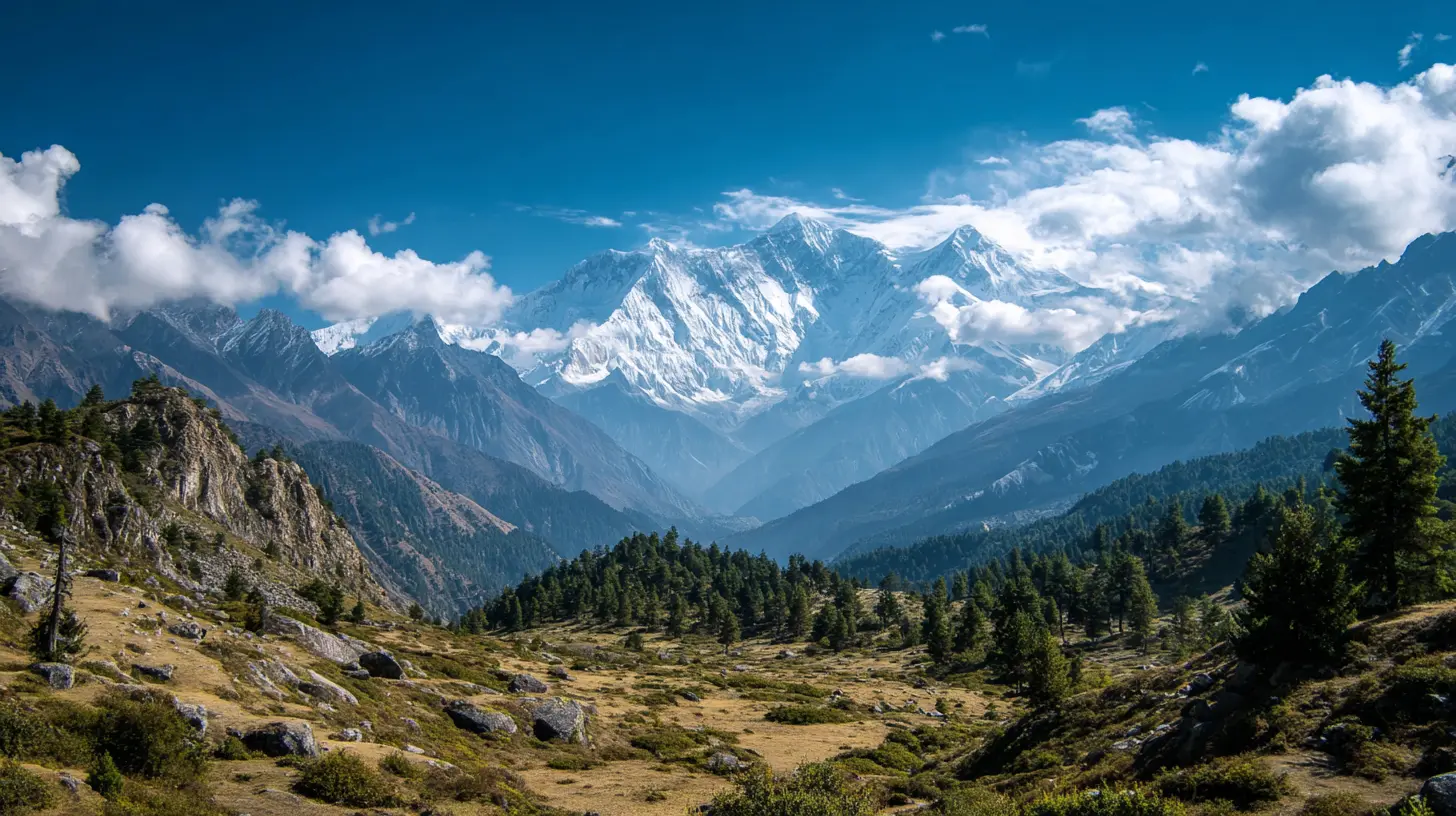
Look, we have all done the easy weekend hike. The one with a parking lot and a gift shop at the top. Those are fine. But 2026 feels like the year we stop settling for "fine." Travel is getting back to its roots: slow, intentional, and a little uncomfortable in the best way. Mountains are the ultimate reset button. They remind you that you are small, and honestly, that is freeing.Plus, a lot of these spots are seeing new trails, better local guides, and quieter seasons post-pandemic tourism booms. The window is open. If you wait too long, the secret gets out, and the trail gets crowded. So let us map out the views that will make your jaw drop and your legs ache.
The Matterhorn: Switzerland's Sharp Tooth
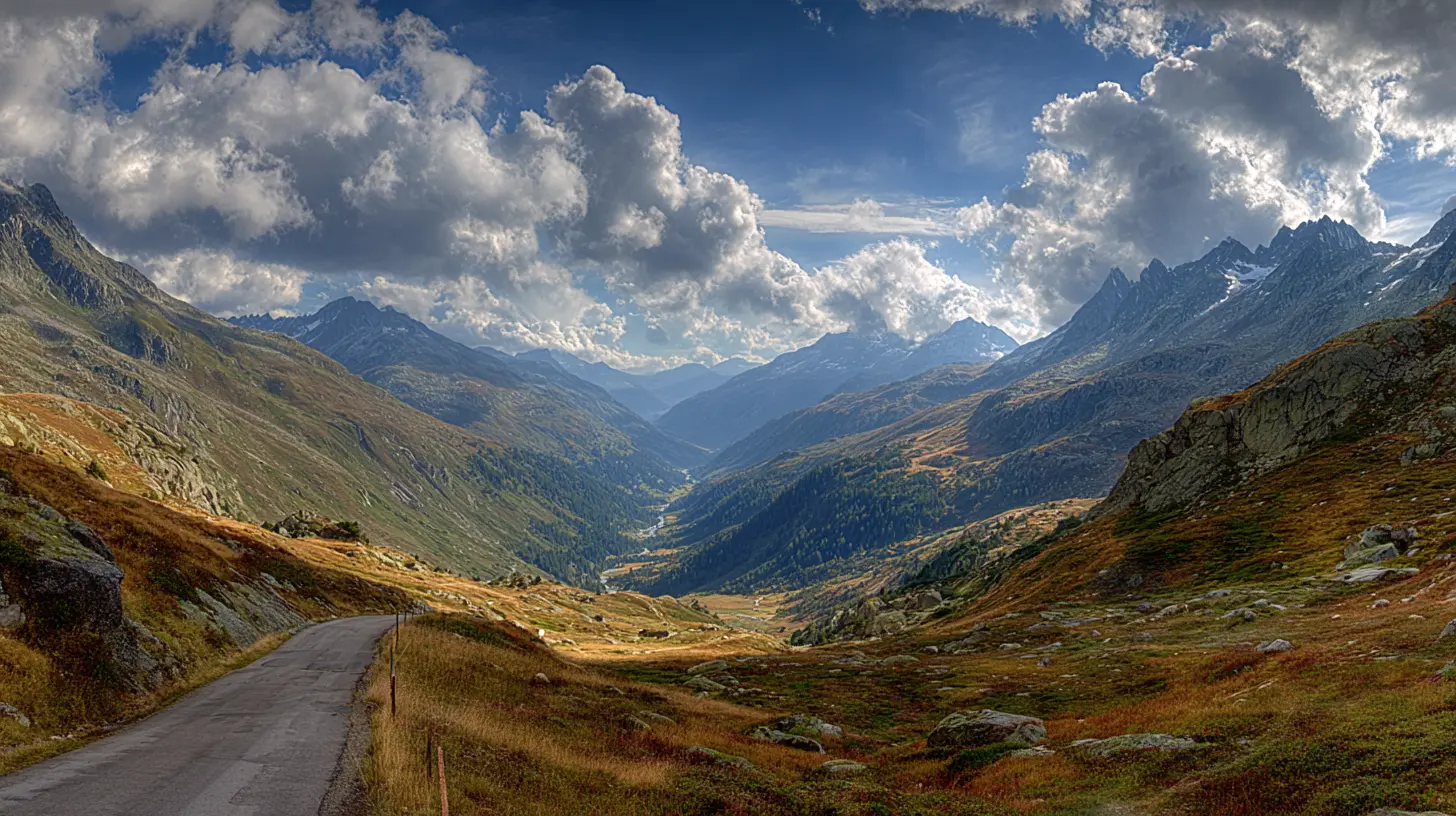
Let us start with the obvious one, because obvious exists for a reason. The Matterhorn is not just a mountain. It is a symbol. That jagged pyramid of rock and ice looks like it was carved by a giant with a very precise knife. People have been staring at it for centuries, and they still cannot believe it is real.Getting there is not exactly a walk in the park. You fly into Zurich or Geneva, then take a train to Zermatt. The town itself is car-free, which already sets the mood. You hear nothing but cowbells and the crunch of gravel. The real journey starts with the Gornergrat Railway. It is a cogwheel train that climbs slowly, giving you a front-row seat to the entire Monte Rosa massif. But do not stop there. If you want the view that stops your heart, you hike the Hörnli Hut trail. It is steep, it is rocky, and it takes about two hours from the Schwarzsee cable car station. At the top, you sit on a stone bench and watch the sun hit the Matterhorn's peak. It glows orange, then pink, then gold. You will forget to breathe.
Why 2026? Zermatt is investing in sustainable tourism infrastructure. New mountain huts with solar panels, better waste management, and fewer crowds in the shoulder season (May and September). Go then.
Torres del Paine: Patagonia's Skyline
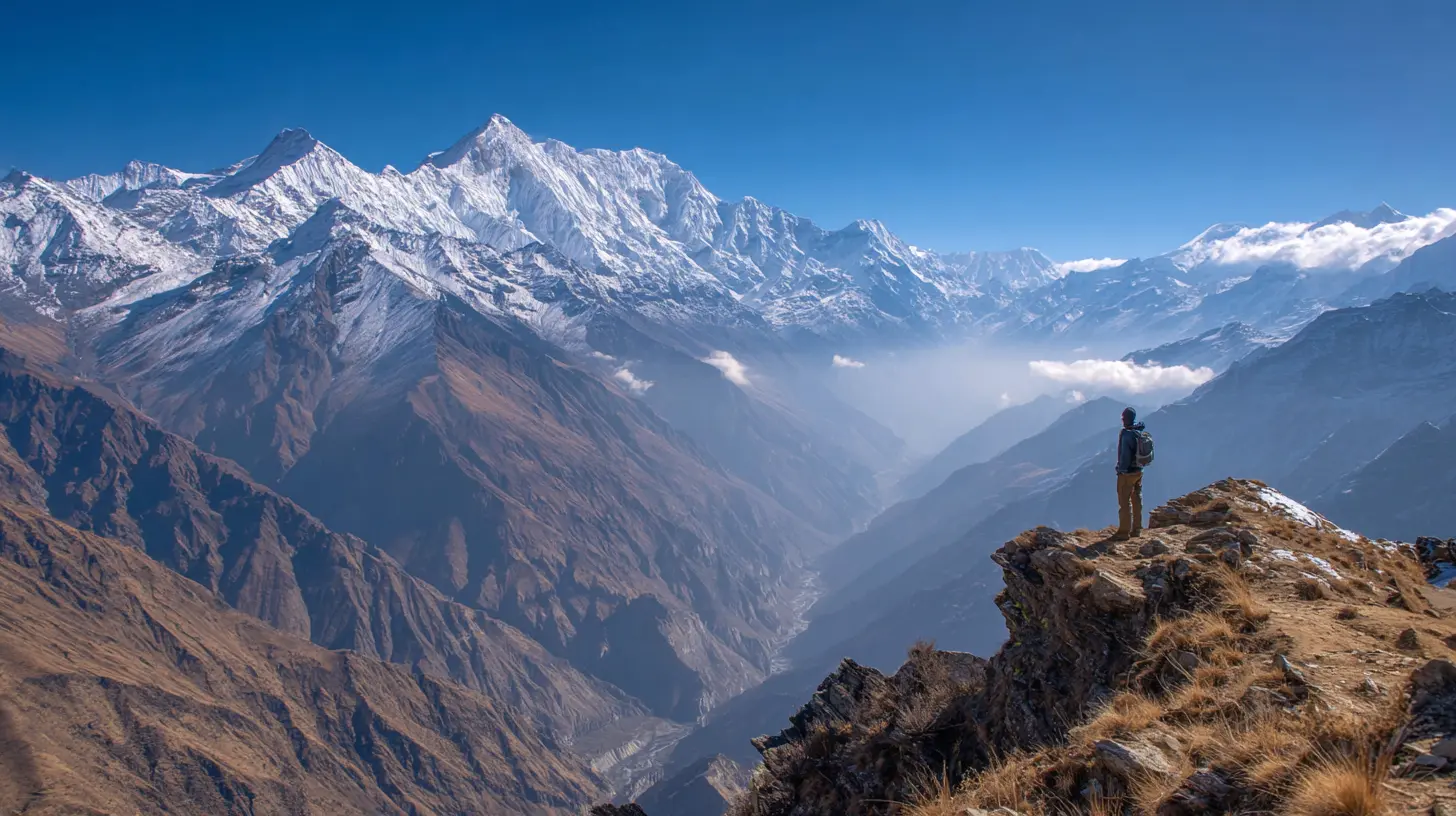
If you want drama, you go to Patagonia. Torres del Paine is not a single mountain. It is a whole range of granite towers that look like they were dropped from space. The three main peaks, the Torres, rise straight up from the steppe like giant fingers pointing at the sky. And the weather? It changes every ten minutes. You get sun, rain, snow, and wind that could knock you off your feet, all in one afternoon. That is part of the charm.The journey to get there is an adventure in itself. Fly to Santiago, then to Punta Arenas, then take a bus to Puerto Natales, then another bus to the park entrance. Sounds exhausting? It is. But once you start the W Trek or the O Circuit, every step is worth it. The most iconic view is at the base of the Torres themselves. You hike through a valley of glacial rivers and twisted trees, then scramble up a moraine of loose rocks. When you finally round the corner and see the lagoon reflecting the towers, you will probably say something dumb like "oh my god" under your breath. We all do.
The best part? In 2026, the park is capping daily visitors to protect the trails. That means fewer people, more silence, and a better chance of having that view all to yourself for a few minutes. Book your permits early.
The Himalayas: Everest Base Camp, But Not the One You Think
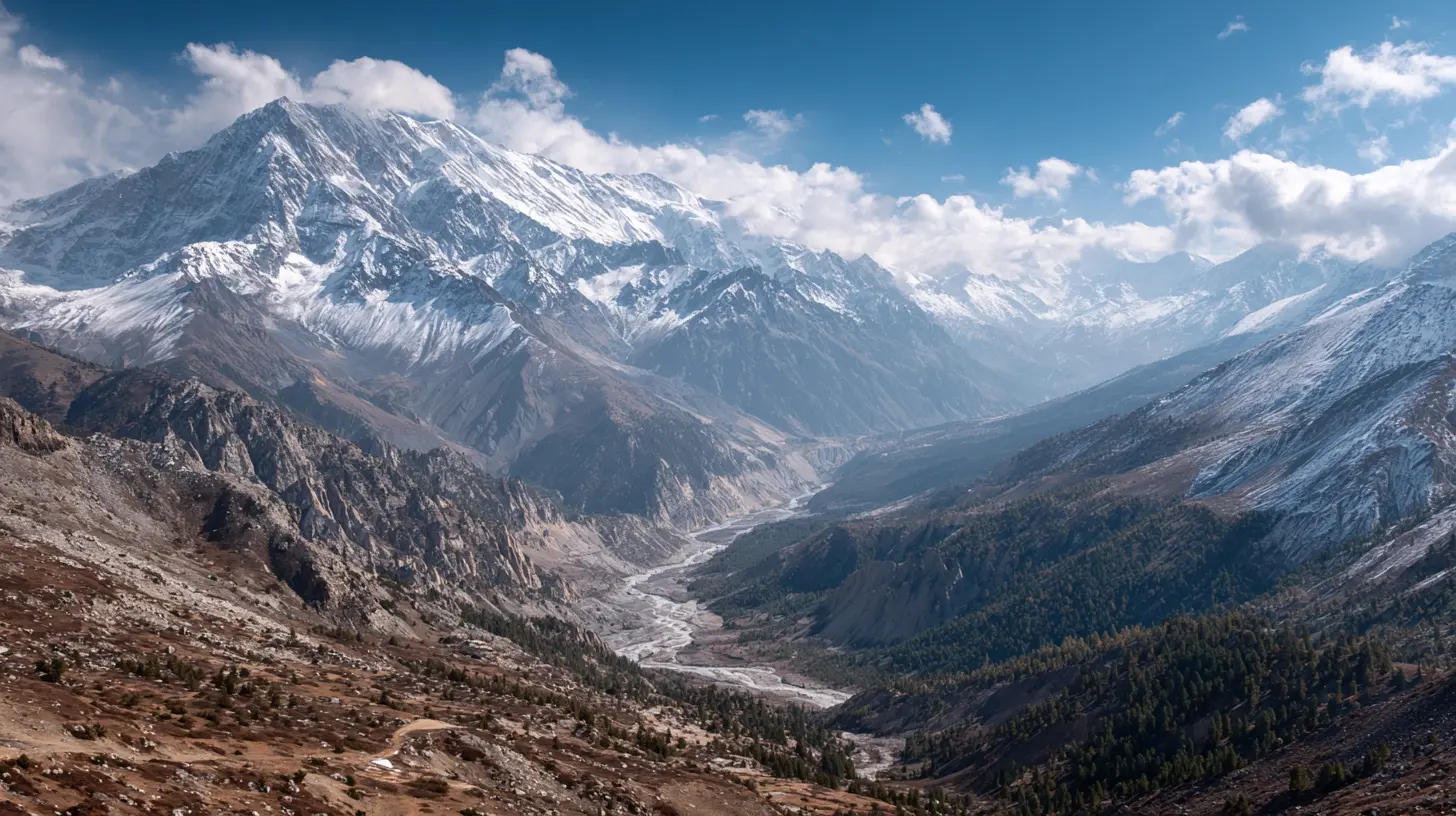
Everyone talks about Everest Base Camp in Nepal. And yes, it is incredible. But let me tell you about a different one: the Everest Base Camp trek in Tibet. It is less crowded, more remote, and the view of the north face of Everest is something else entirely. You drive across the Tibetan Plateau, past vast plains and turquoise lakes, until the road dead-ends at Rongbuk Monastery. From there, you walk a few more miles to the base camp. The mountain rises so suddenly and so massively that it feels like a wall at the end of the world.The altitude is brutal. You will feel your heart pound just tying your shoes. But the silence? It is like nothing else. No birds, no wind, just the occasional crack of ice falling from a distant glacier. You stand there and realize that this is the highest point on Earth, and you are looking at it with your own two eyes. In 2026, China is improving the road access and building better rest stops along the route. It is still a hard journey, but it is more accessible than ever. Just give yourself time to acclimate. Seriously. Do not rush it.
The Dolomites: Italy's Pink Mountains
Italy is known for pasta, wine, and ancient ruins. But the Dolomites? They are a secret weapon. These mountains are made of dolomite rock, which catches the light in a way that turns them pink and orange at sunset. Locals call it "enrosadira." It is like the mountains are blushing.The best view in the Dolomites is from the Seceda ridgeline. You take a cable car from the town of Ortisei, then hike along a narrow path that runs right along the edge of a cliff. On one side, green meadows. On the other, a sheer drop into a valley of jagged peaks. It is not a hard hike, but it is not for anyone afraid of heights. The payoff comes at sunset, when the entire range glows. You can sit at a mountain hut called Rifugio Firenze and eat a bowl of gnocchi while watching the show. Yes, really. Gnocchi at 2,500 meters.
Why 2026? The Dolomites are adding more via ferrata routes (protected climbing paths with cables and ladders) for beginners. If you have ever wanted to try climbing without full-on gear, this is your year. Plus, the food is incredible. I mean, it is Italy.
The Andes: Huayna Picchu, the Hard Way
Everyone knows Machu Picchu. But the view from Huayna Picchu, the peak that looms behind the ruins, is a different beast. You have to climb it. It is a steep, narrow staircase carved into the mountain. Steps are uneven, handrails are sparse, and the drop on either side is thousands of feet. It is terrifying and exhilarating in equal measure.The journey to get there starts in Cusco, then a train to Aguas Calientes, then a bus up the switchbacks to the entrance. You have to book your Huayna Picchu permit months in advance. Only 400 people are allowed per day. Once you start climbing, you will understand why. The stairs are cut so close to the edge that you can touch the rock face with one hand and feel the void with the other. At the top, you sit on a stone terrace and look down at Machu Picchu spread out like a toy city. The Urubamba River snakes through the valley below. Clouds drift through the peaks. It is one of those views that makes you feel like you are in a dream.
In 2026, Peru is introducing new conservation fees and limiting entry times to reduce wear on the trail. It is still a full-on adventure, but it is more organized than ever. Just be ready for the stairs. Your legs will hate you. Your soul will thank you.
The Japanese Alps: Kamikochi and the Hot Springs
Japan is famous for its temples and neon cities. But the Japanese Alps are a hidden gem. Kamikochi is a highland valley surrounded by peaks like Mount Hotaka and Mount Yari. The air is crisp, the rivers are crystal clear, and the hiking trails are immaculate. It is like walking through a painting.The best view is from the Kappabashi Bridge, which spans the Azusa River. You stand on the wooden bridge and look up at the Hotaka range. Snow lingers on the peaks even in summer. But the real magic happens if you hike up to the hot springs at the foot of Mount Yari. There is a mountain hut called Yarisawa Lodge where you can soak in an outdoor onsen while staring at the mountain. Yes, naked, in a pool of volcanic water, with snow-capped peaks in front of you. It is surreal.
Why 2026? Japan is reopening more alpine huts and improving English signage on trails. The crowds are still manageable compared to Europe. Plus, the train ride from Tokyo to Matsumoto, then the bus to Kamikochi, is one of the most scenic commutes you will ever take.
The Rockies: Banff and the Plain of Six Glaciers
Banff National Park in Canada is famous, but the Plain of Six Glaciers trail is the view that most tourists miss. It starts at Lake Louise, which is already stunning. But instead of stopping at the lake, you keep walking. The trail climbs through a forest, then opens up into a valley surrounded by six massive glaciers. You end up at a tea house. Yes, a tea house. Built in 1927, it serves hot chocolate and sandwiches while you sit on a deck overlooking the ice.The journey is about 11 kilometers round trip. It is not hard, but it is long. The reward is a view that feels prehistoric. The glaciers grind and groan. You see chunks of ice fall into the lake below. In 2026, Parks Canada is adding new boardwalks and viewing platforms to protect the fragile landscape. It is still wild, but it is easier to access without damaging the environment.
The Andes Again: Laguna de los Tres
I know I already mentioned Patagonia, but there is another view that deserves its own spot. Laguna de los Tres is at the base of Mount Fitz Roy in Argentina. The hike is brutal. It is a steep, rocky climb that gains almost 1,000 meters in a few kilometers. You will stop. You will curse. You will wonder why you did not just stay at the hotel.But then you crest the ridge, and you see the lagoon. It is a turquoise pool of glacial meltwater, surrounded by the jagged spires of Fitz Roy. The wind howls. The water is so cold it hurts to touch. And you stand there, completely exposed, feeling like you are on the roof of the world. It is raw, it is real, and it is absolutely worth every second of pain.
In 2026, the Argentine government is improving the trail markers and adding more campsites. The town of El Chalten is the gateway, and it is a charming little place full of climbers and hikers. Go in November or March for fewer crowds and decent weather.
How to Make These Journeys Happen
Okay, so you are sold on the idea. But how do you actually do this without quitting your job and selling your car? Start small. Pick one mountain range. Research the best season. For the Dolomites, it is June to September. For Patagonia, it is November to March (their summer). For the Himalayas, it is April to May or September to October.Book your permits early. Some of these places, like Huayna Picchu and Torres del Paine, have strict limits. Do not show up without a reservation. Also, invest in good boots. I cannot stress this enough. Your feet will carry you through mud, rock, snow, and gravel. Treat them well.
And finally, embrace the discomfort. You will be tired. You will be hungry. You will probably get a blister. But when you sit on that ridge, looking at a view that no photo can capture, you will forget all of it. That is the deal. Mountains take your effort and give you perspective in return.
The Takeaway
In 2026, the world is still full of places that feel impossible. The Matterhorn, the Dolomites, the Himalayas, Patagonia. They are not just destinations. They are challenges. They are reminders that the best things in life require a little struggle. So pack your bag, book your ticket, and go find that view. I promise you will not regret it.
all images in this post were generated using AI tools
Category:
Scenic ViewsAuthor:

Claire Franklin