Why Road Trips Will Dominate Global Travel in 2026
11 May 2026
Let me ask you something. When was the last time you actually felt a place? Not just saw it through a tour bus window, but tasted the dust on your lips, heard the local gossip at a roadside diner, and smelled the pine trees after a rainstorm? If you're like most travelers, 2026 might be the year you finally trade the airport queue for the open highway. I'm not making a wild prediction here. I'm reading the signs.
The Great Un-tethering: Why We're Done With Flight Plans
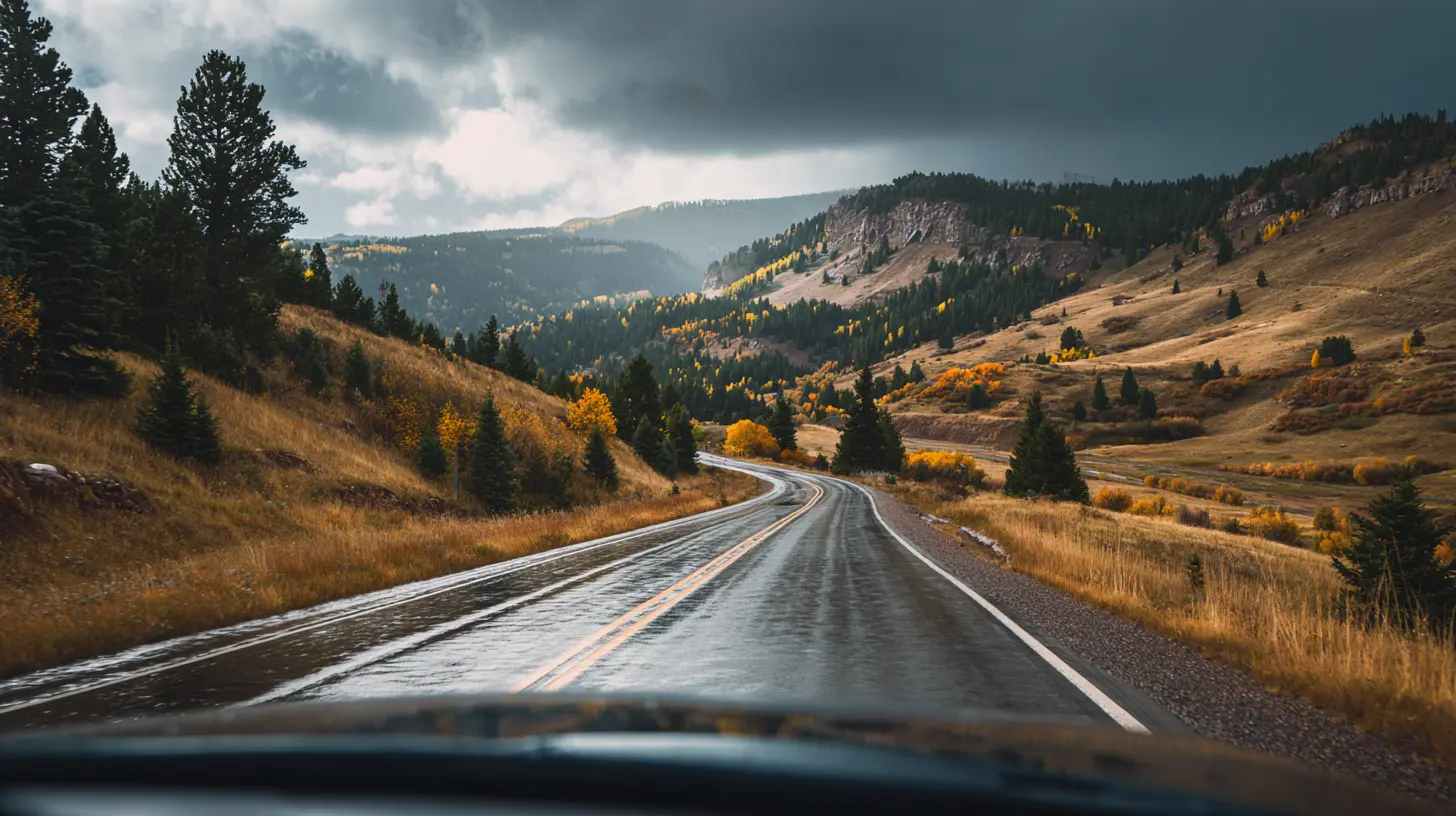
We've been through the wringer, haven't we? Flight cancellations, baggage fees that feel like ransom payments, and security lines that turn you into a grumpy zombie before your vacation even starts. The travel industry spent years convincing us that faster is better. But here's the thing: faster isn't always richer. In fact, it's often emptier.Think of a road trip as the opposite of a flight. A flight is a sealed tube where you're a passive passenger. A road trip is a choose-your-own-adventure book where you're the author. You don't just go from point A to point B. You meander through point C, D, and E because someone told you about a pie shop in a town you've never heard of. That's the magic. In 2026, people are hungry for that magic again.
The data backs this up. Travel search trends for "scenic drives" and "road trip itineraries" have been climbing steadily since 2022. But the jump we're seeing for 2026 is different. It's not just a blip. It's a fundamental shift in how we value time. We've realized that the journey isn't just part of the trip. It is the trip.
The Slow Travel Revolution (It's Not Just a Trend, It's a Reckoning)
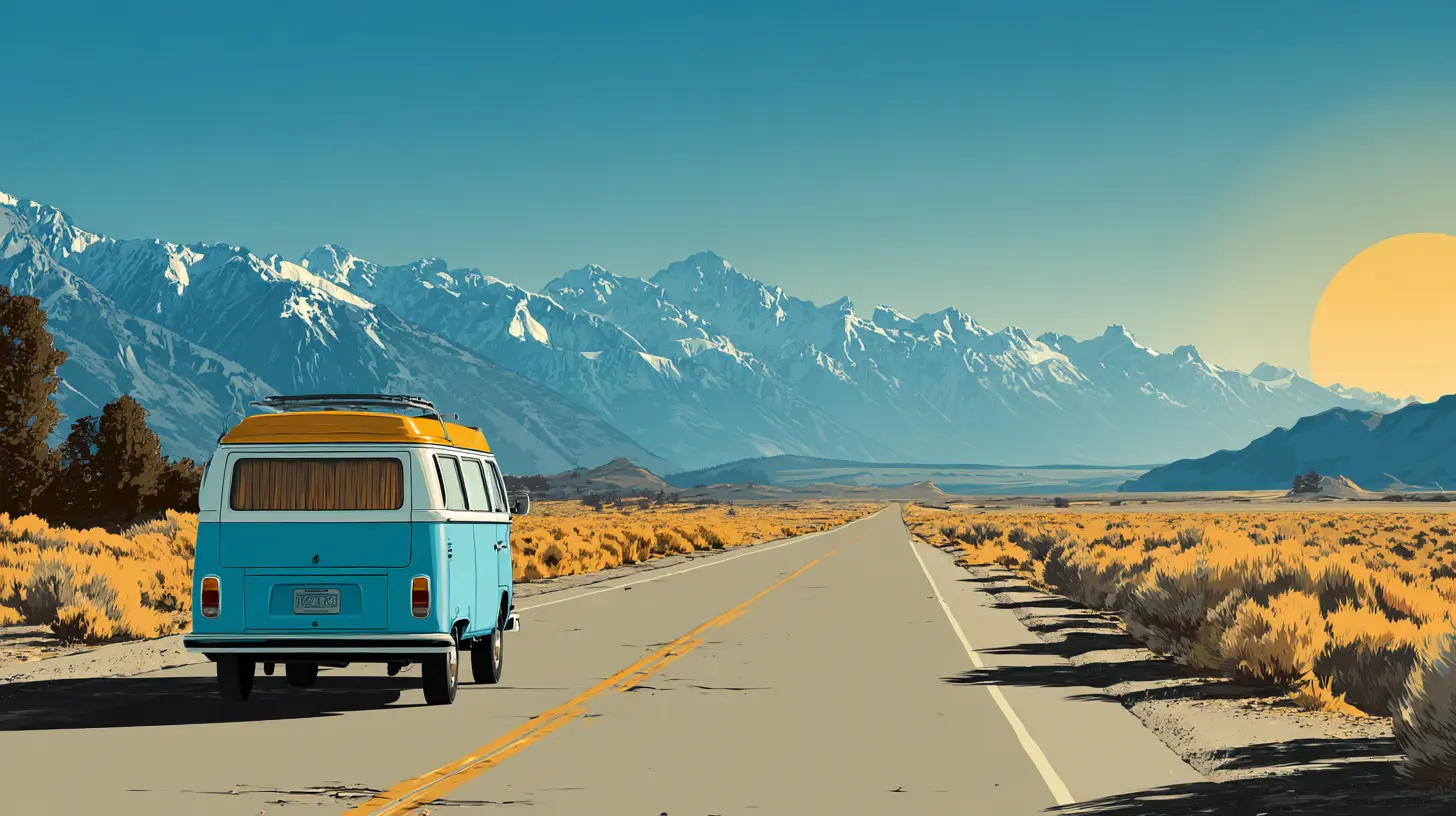
Let's be real. The term "slow travel" sounds like something your yoga teacher would post on Instagram. But strip away the hashtags, and it's just common sense. When you drive, you're forced to slow down. You can't skip the landscape. You have to watch it unfold mile by mile. And that's exactly what people are craving in a world that's moving too fast.In 2026, road trips will dominate because they offer a kind of control that flying never can. You control the playlist. You control the stops. You control the pace. If you see a field of sunflowers, you pull over. If you want to spend an extra day in a tiny fishing village, you cancel the hotel reservation two towns over. No one's going to announce a gate change.
This isn't just about being nostalgic for a simpler time. It's about being smart with your energy. A two-hour flight might get you to a destination faster, but it also comes with a two-hour check-in, a forty-five-minute taxi, and a rental car counter that has a line out the door. By the time you actually start your vacation, you're already tired. A road trip starts the moment you pack the car. The vacation begins in your driveway.
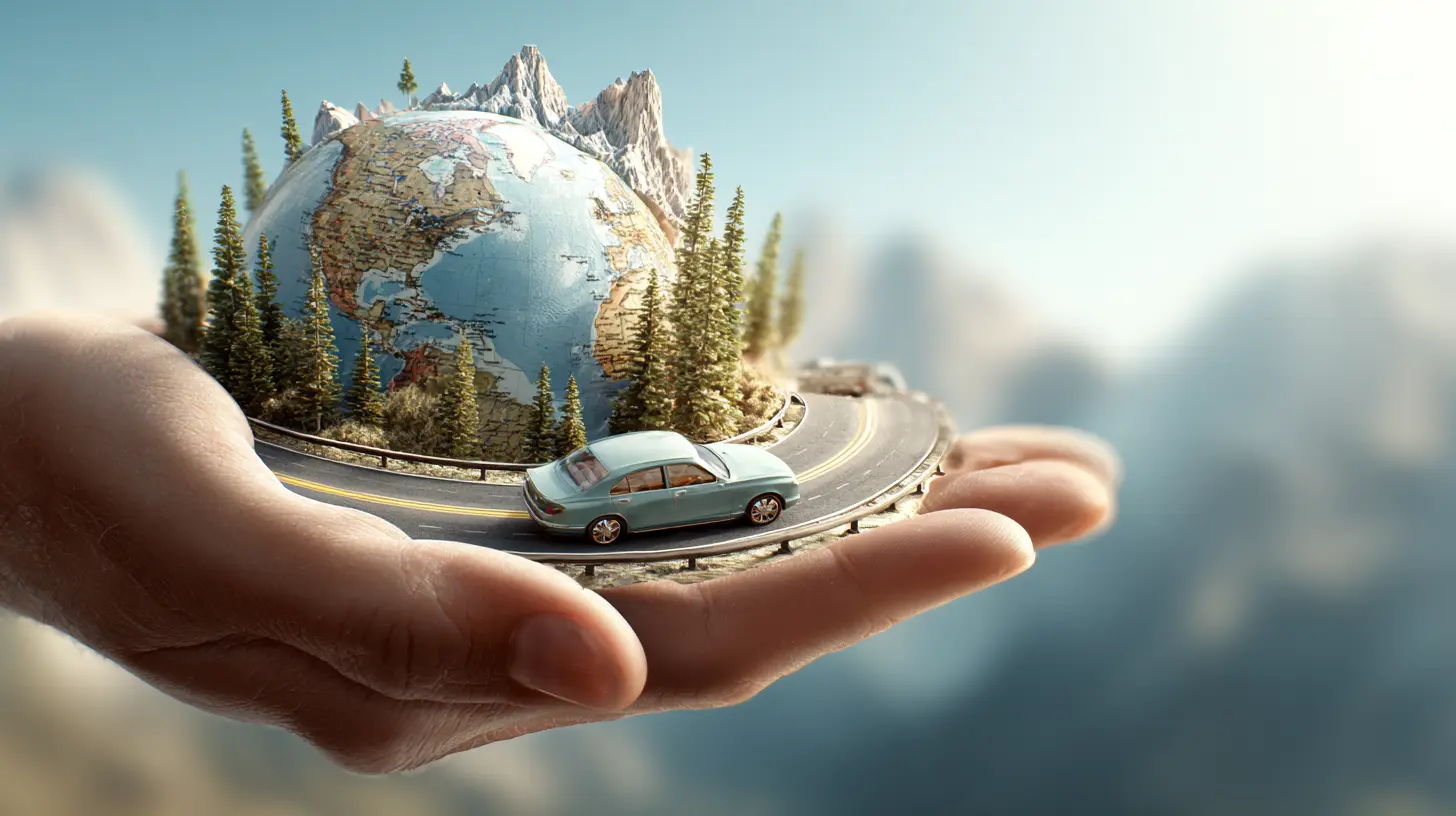
The Rise of the "Third Space" Car
Remember when your car was just a box on wheels? A thing to get you from home to work and back? That's changing. In 2026, the car is becoming a mobile living room, a dining room, and sometimes even a bedroom. Electric vehicles are part of this, sure. But the bigger shift is in how we use the space inside.Car manufacturers are finally designing interiors for people who actually live in them. Better seats that don't kill your back after four hours. Built-in coolers for snacks. Wi-Fi hotspots that actually work in the middle of nowhere. And let's talk about the sleeping setup. More and more people are outfitting their SUVs and vans with mattress pads and window covers. Why pay for a hotel when you can park at a scenic overlook and wake up to the sunrise?
This "third space" concept is a game changer. It means you're not tied to hotel check-in times. You're not scrambling to find a restaurant that's open at 10 PM. You have your own little bubble of comfort on wheels. It's like bringing your home with you, but without the mortgage.
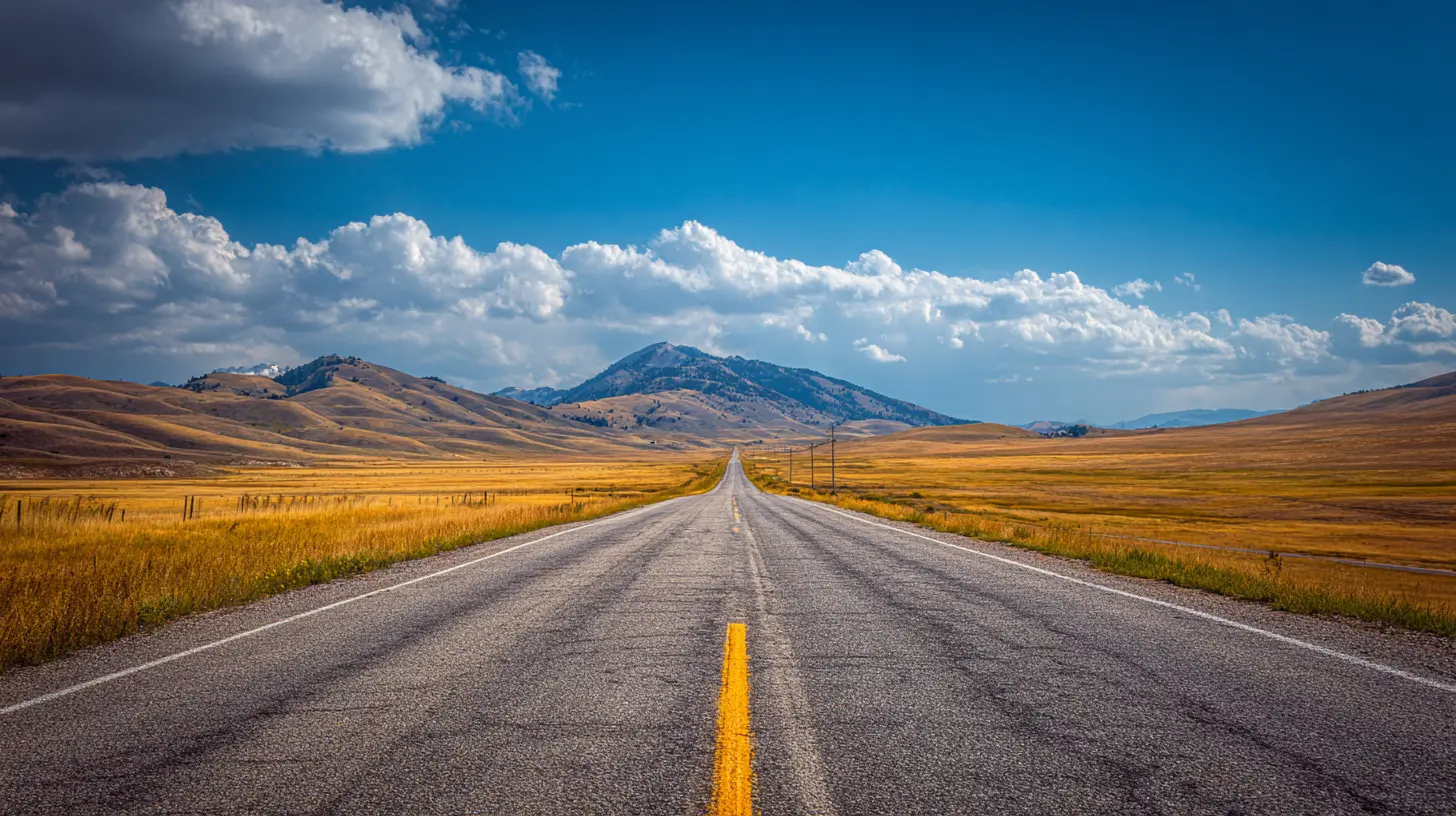
The Unplugged Connection (Yes, It's Counterintuitive)
Here's the irony. We're more connected than ever, but we feel more disconnected than ever. Road trips in 2026 will dominate because they force a kind of connection that's rare in modern life. I'm not talking about the connection to nature, though that's part of it. I'm talking about connection to other people.Think about the last time you had a real conversation in a car. Not just "are we there yet?" but a long, meandering talk about nothing and everything. There's something about the hum of the engine and the endless road that unlocks people. You can't scroll through your phone when you're driving. You can't hide behind a screen. You have to talk.
And then there's the connection to strangers. Road trips are full of random encounters. The gas station attendant who gives you directions to a swimming hole that's not on any map. The couple at the campground who share their firewood. These moments are the real souvenirs. You don't get them when you're zipping through airports.
The Economics of Freedom (Why Your Wallet Will Thank You)
Let's talk money, because that's the elephant in the backseat. Flying is getting more expensive, not less. Airlines are nickel-and-diming you for everything from seat selection to carry-on bags. Hotels are charging "resort fees" for the privilege of breathing their air. Meanwhile, a road trip puts you in the driver's seat of your budget.Gas might fluctuate, but you can control how much you drive. You can pack your own food, which saves a fortune. You can stay in budget motels, camp, or just sleep in the car. The cost per mile is predictable. More importantly, you're not paying for the convenience of someone else's schedule. You're paying for your own freedom.
In 2026, with inflation still nibbling at our wallets, the road trip is the smart traveler's move. You can take a week-long road trip for the price of a three-day flight-and-hotel package. And you get more memories. It's simple math, but it's true.
The Electrification of the Road Trip (No, It's Not a Nightmare)
I know what you're thinking. "Electric cars? What about charging stations? What about range anxiety?" Relax. By 2026, the infrastructure will be a different animal. Charging stations are popping up like mushrooms after rain. They're in Walmart parking lots, rest stops, and even small-town diners. The days of being stranded with a dead battery are fading fast.But here's the hidden benefit of going electric on a road trip. It forces you to stop. And that's a good thing. When you're driving a gas car, you might push through for six hours without a real break. With an EV, you're stopping every two or three hours for twenty minutes. That's twenty minutes to stretch your legs, grab a coffee, and actually look at the place you're passing through.
Plus, electric cars are quiet. You can hear the birds. You can hear the wind. You can have a conversation without shouting. It turns the road trip from a noisy chore into a peaceful experience. And in 2026, peace is a luxury we're all willing to pay for.
The Rise of the Micro-Adventure
Here's a term you'll hear a lot in 2026: micro-adventure. It's the idea that you don't need two weeks off work to have a meaningful trip. You can do it in a long weekend. And nothing enables micro-adventures like a road trip.You leave work on Friday at 4 PM. By 7 PM, you're three hours away, watching the sunset over a lake. You sleep in the car or a cheap motel. On Saturday, you hike, eat local food, and explore a town you've never seen. Sunday, you drive home, tired but happy. You're back at work on Monday with stories to tell.
This is going to dominate because our lives are busy. We don't have the luxury of month-long sabbaticals. But we do have weekends. Road trips let us squeeze every drop of adventure out of those small windows.
The Authenticity Trap (And How Road Trips Escape It)
Everyone talks about "authentic travel" these days. But most of it is a marketing gimmick. You go to a "local" restaurant that's actually been reviewed by a thousand influencers. You buy "handmade" crafts that were made in a factory. The road trip cuts through that noise.When you drive through rural America, or the backroads of Europe, or the outback of Australia, you're not following a script. You're making it up as you go. The best meals come from a food truck you stumbled upon. The best views come from a dirt road you took on a whim. You can't fake that. You can't package it for Instagram. You have to live it.
That's why road trips will dominate in 2026. People are tired of the curated version of travel. They want the raw, messy, beautiful version. And the road gives them exactly that.
The Navigation Revolution (You Can Finally Stop Fighting With Your GPS)
Remember when GPS units were the size of a brick and screamed at you in a robotic voice? That's ancient history. In 2026, navigation is intuitive, predictive, and almost invisible. Your car knows your preferences. It suggests detours based on your past behavior. It finds scenic routes automatically.But here's the real shift: we're learning to get lost again on purpose. There's a growing movement of "analog navigation" where people use paper maps for fun. Not because they have to, but because it adds a layer of discovery. You look at a map, see a squiggly road, and think, "What's down there?" That curiosity is the heart of the road trip.
The Community of the Road
One thing that surprised me when I started road-tripping seriously was the community. Road trippers are a tribe. You see another car loaded down with camping gear, and you nod. You stop at a viewpoint, and someone asks you where you're headed. You share tips, warnings, and recommendations.In 2026, that community will be even stronger. There are already apps and forums dedicated to road trip planning. People share their exact routes, their secret spots, and their horror stories. It's like a giant, supportive family that you only meet on the asphalt. And in a world that feels increasingly divided, that shared experience is precious.
The Final Verdict
So why will road trips dominate global travel in 2026? Because they're the last bastion of true freedom in a world that's trying to schedule every minute of our lives. They're affordable, flexible, and deeply human. They give us back something we lost: the ability to wander without a plan.I'm not saying you should never fly again. Planes have their place. But for the kind of travel that fills your soul, the kind that leaves you with stories you'll tell for years, nothing beats the road. So start thinking about your 2026 road trip now. Pick a direction. Don't over-plan. And remember: the best adventures are the ones you didn't see coming.
all images in this post were generated using AI tools
Category:
Global Road TripsAuthor:

Claire Franklin
Discussion
rate this article
1 comments
Cooper McGarvey
Road trips offer freedom and adventure that flights can't match. As we crave authentic experiences and scenic views, it's clear that 2026 will be the year of hitting the open road.
May 11, 2026 at 3:38 PM
Claire Franklin
I completely agree. There's something special about the journey itself that flights just can't replicate. Here's to the open road in 2026!